Tag: Entertainment

  • The Peppa Pig AI Controversy – Hasbro Faces Backlash Over Child Voice Rights

    The Peppa Pig AI Controversy – Hasbro Faces Backlash Over Child Voice Rights

    The ‘Peppa Pig’ AI Controversy

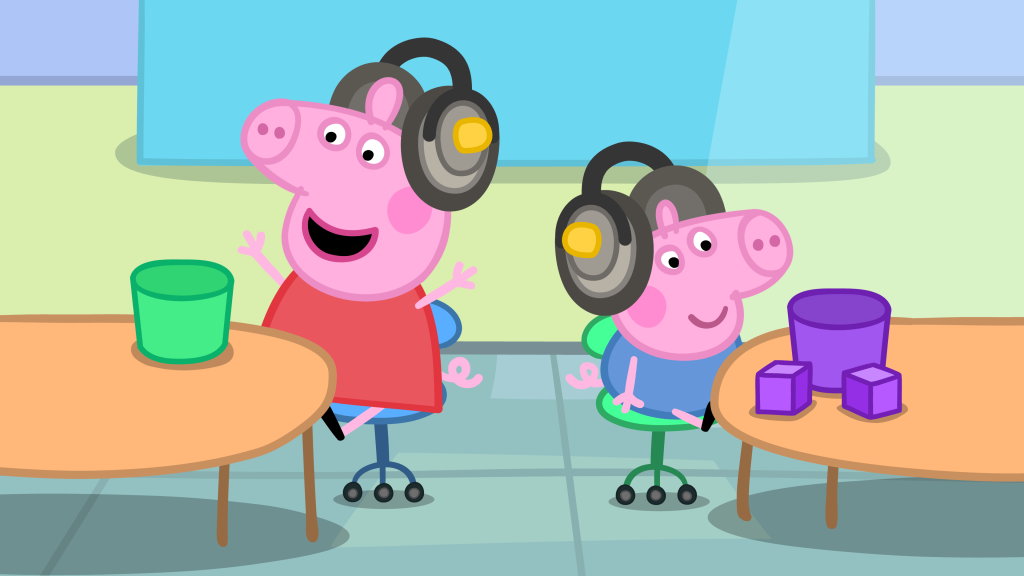
    Hasbro, the multinational toy and entertainment company, has encountered substantial criticism for its alleged contractual demands regarding child voice actors on the popular animated series ‘Peppa Pig.’ Reports in June 2026 indicate that Hasbro has asked these young performers to sign agreements that would grant the company perpetual rights to their voices for use in artificial intelligence applications. This request has sparked a widespread ethical debate, focusing on the potential for exploitation of minors within the entertainment industry’s evolving relationship with AI technology.

    The controversy centers on the long-term implications of such agreements. Critics argue that these contracts could strip child actors of control over their vocal likenesses for the entirety of their lives, and potentially beyond. The ethical considerations extend to issues of consent, fair compensation, and the protection of vulnerable individuals in an increasingly digital and AI-driven creative landscape.

    The Nature of the Contractual Demands

    The specific clauses within the proposed contracts have not been fully disclosed publicly. However, sources close to the production and industry observers suggest that the agreements seek broad and enduring rights. These rights would allow Hasbro to utilize the recorded voices of child actors to train artificial intelligence models. Subsequently, these AI models could generate new dialogue, songs, or other vocal performances mimicking the original actor’s voice, without requiring the original actor’s further involvement or compensation.

    Such perpetual rights contrast sharply with traditional voice acting contracts. These typically outline specific usage terms, durations, and payment structures for each project or campaign. The shift towards perpetual AI rights represents a fundamental change in how performer contributions are valued and controlled.

    Industry Reaction and Concerns

    The entertainment industry has reacted swiftly to the news. Organizations representing actors, voice artists, and child performers have expressed alarm. The Screen Actors Guild – American Federation of Television and Radio Artists (SAG-AFTRA) has been particularly vocal, emphasizing the need for robust protections for all performers, especially minors, against unchecked AI exploitation.

    Industry professionals point to the potential for significant job displacement if AI-generated voices become standard. They also highlight the moral implications of using a child’s voice for commercial purposes without ongoing consent or fair remuneration once they reach adulthood. The ‘Peppa Pig’ case is seen by many as a bellwether for future disputes over AI and intellectual property in creative fields.

    Protecting Child Performers in the Digital Age

    Child labor laws and entertainment industry regulations have historically focused on working conditions, education, and financial protections for minors. However, these existing frameworks often predate the widespread adoption of advanced artificial intelligence. The ‘Peppa Pig’ situation reveals a critical gap in these protections.

    Advocacy groups for children’s rights are calling for updated legislation. They argue that children cannot fully comprehend the long-term implications of signing away perpetual AI rights. Therefore, robust legal safeguards are required to ensure that such agreements are not exploitative. These safeguards might include independent legal counsel, limited terms for AI usage, and provisions for renegotiation or rescission of rights once a performer reaches majority.

    The Role of Hasbro and ‘Peppa Pig’

    ‘Peppa Pig’ is a globally recognized animated series, first broadcast in 2004. It has achieved immense popularity, particularly among preschool children, and generated billions in merchandise sales for its owners. Hasbro acquired Entertainment One (eOne), the company behind ‘Peppa Pig,’ in 2019 for approximately $3.8 billion. This acquisition brought the lucrative franchise under Hasbro’s extensive portfolio of brands.

    The decision to pursue AI voice rights for ‘Peppa Pig’ actors aligns with a broader industry trend. Major studios and content creators are exploring generative AI for cost savings and expanded content creation. However, Hasbro’s approach with child actors has drawn particular scrutiny due to the vulnerability of the performers involved.

    The Broader AI and Voice Rights Debate

    The controversy surrounding ‘Peppa Pig’ is not an isolated incident. The broader entertainment industry has been grappling with the implications of artificial intelligence for several years. Discussions around AI and voice rights have been a central point of contention, particularly during recent labor negotiations.

    Actors and voice artists have expressed concerns about their voices being cloned and used without consent or additional payment. The issue gained prominence during the 2023 SAG-AFTRA strike, where AI protections were a key demand. While some progress has been made in establishing guardrails for adult performers, the specific protections for child actors remain largely undefined in many jurisdictions.

    Ethical Considerations of AI in Children’s Media

    The use of AI in media targeted at children introduces unique ethical dilemmas. Children are particularly susceptible to influence and may not distinguish between human and AI-generated content. The potential for AI to create endless new ‘Peppa Pig’ content using cloned voices raises questions about authenticity, creative control, and the impact on young audiences.

    Critics also highlight the potential for psychological effects on child performers. The idea of an AI version of their voice being used indefinitely, possibly in contexts they did not approve or understand as children, raises concerns about their future identity and sense of self. The industry faces a challenge to balance technological advancement with responsible content creation, especially when children are involved.

    Looking Ahead: Legal and Industry Responses

    The ‘Peppa Pig’ AI voice rights controversy is expected to catalyze further discussions and potentially new regulatory actions. Lawmakers in various countries are beginning to address the rapid advancements in AI and their impact on intellectual property and human rights. The European Union, for example, has been at the forefront of AI regulation with its AI Act, which aims to establish a comprehensive legal framework for AI.

    In the United States, discussions are ongoing within Congress and state legislatures about how to update copyright law and performer rights in the AI era. The outcome of the ‘Peppa Pig’ dispute could set a precedent for how child actors’ rights are managed in future AI-related contracts across the global entertainment industry. The focus will likely shift towards ensuring that any AI usage of a child’s likeness or voice is transparent, time-limited, and subject to ongoing parental and independent oversight.

    The Stakes for Future Generations of Performers

    The decisions made today regarding AI and child performers will have lasting consequences. The entertainment industry must navigate the benefits of AI technology with a strong ethical compass. The ‘Peppa Pig’ case serves as a stark reminder of the need for proactive measures to protect the most vulnerable participants in the creative economy. Without clear regulations and industry standards, the digital identities of child actors could become commodities, diminishing their agency and future earning potential.

    The Call for Clearer Regulation

    The controversy surrounding Hasbro’s requests for AI voice rights from child actors in ‘Peppa Pig’ has illuminated a significant regulatory gap. Existing child labor laws, while robust in many areas, were not designed to address the complexities of generative artificial intelligence and the perpetual licensing of digital likenesses. Legal scholars and child advocacy groups are now urgently calling for new legislation tailored to the digital age.

    These proposed regulations aim to establish clear boundaries for the use of AI in relation to minors. They suggest mechanisms for independent review of contracts, mandatory expiration clauses for AI rights, and provisions for additional compensation if AI-generated content proves commercially successful. The goal is to prevent a scenario where a child’s voice, captured at a young age, could be exploited for decades without their adult consent or fair remuneration.

    Parental Consent and Informed Decision-Making

    A core tenet of child protection is the concept of parental consent. However, in the context of advanced AI, even parents may not fully grasp the long-term implications of signing away perpetual rights. The technology is new, its capabilities are rapidly expanding, and its future applications are largely unpredictable.

    This uncertainty underscores the need for enhanced informed consent processes. Some proposals include requiring independent legal counsel for families, providing clear and understandable explanations of AI technology, and mandating regular reviews of AI usage agreements as the child grows. The aim is to ensure that consent, when given, is truly informed and serves the best interests of the child.

    The Economic Impact on Voice Acting

    Beyond the ethical considerations, the widespread adoption of AI voice cloning poses a direct economic threat to the voice acting profession. If companies can generate endless content using AI-cloned voices, the demand for human voice actors could diminish significantly. This concern is particularly acute for entry-level and emerging artists, including child performers, who rely on early career opportunities to build their portfolios and experience.

    The ‘Peppa Pig’ scenario, therefore, is not just about one show or one company. It represents a microcosm of a larger industry-wide challenge. The balance between technological innovation and the preservation of human artistry and livelihoods is at stake. Solutions may involve collective bargaining agreements that establish minimum rates for AI usage, or legislative mandates that require human oversight and compensation for AI-generated content derived from human performances.

    Global Implications and Standards

    The ‘Peppa Pig’ franchise is global, with viewership in over 180 territories. This international reach means that any contractual demands made by Hasbro have global implications. Differing legal standards across countries for child labor, intellectual property, and AI regulation create a complex legal landscape.

    There is a growing call for international cooperation to establish common standards for AI usage, especially concerning minors. A patchwork of national laws could lead to regulatory arbitrage, where companies seek to operate in jurisdictions with the weakest protections. Harmonized international guidelines could provide a more consistent and robust framework for safeguarding child performers worldwide.

    The Terminal Drop

    Parents worried. Actors organized. Legislators debated.

    The future.

    FAQ Section

    1. What is the controversy surrounding ‘Peppa Pig’ and AI?

      Hasbro, the owner of ‘Peppa Pig,’ has reportedly asked child voice actors to sign contracts granting the company perpetual rights to use their voices for artificial intelligence applications. This has raised concerns about child exploitation and the ethical use of AI in entertainment.

    2. Why are perpetual AI voice rights for child actors controversial?

      Critics argue that perpetual rights strip child actors of control over their vocal likenesses indefinitely, potentially without ongoing compensation or consent once they reach adulthood. This is seen as exploitative due to children’s limited capacity to understand long-term implications.

    3. Which organizations are speaking out against Hasbro’s alleged demands?

      Various industry organizations, including the Screen Actors Guild – American Federation of Television and Radio Artists (SAG-AFTRA), along with child advocacy groups, have voiced strong opposition, calling for greater protections for child performers in the age of AI.

    4. How might this ‘Peppa Pig’ situation impact the entertainment industry?

      This controversy could set a precedent for how child actors’ rights are managed in AI-related contracts. It highlights the need for updated legal frameworks and industry standards to address AI’s impact on performer rights, intellectual property, and potential job displacement.

    5. What are the ethical concerns regarding AI in children’s media?

      Ethical concerns include the authenticity of content, potential psychological effects on child performers whose voices are used indefinitely by AI, and the broader issue of exploiting vulnerable individuals for commercial gain through advanced technology.

  • Danny Pintauro: From Child Star to Amazon Driver Amidst Residuals Debate

    Danny Pintauro: From Child Star to Amazon Driver Amidst Residuals Debate

    The Reality of Residuals for Former Child Stars

    Danny Pintauro, widely recognized for his role as Jonathan Bower on the popular 1980s sitcom Who’s the Boss?, disclosed in June 2026 that he holds five different jobs, including a position as an Amazon delivery driver. This necessity, according to Pintauro, stems directly from the lack of residual payments from his earlier acting career. His experience illustrates a broader financial reality for many actors, particularly those who achieved fame as children, where initial success does not guarantee long-term financial stability.

    The concept of residuals, payments made to performers for the reuse of their work, has become a central point of discussion within the entertainment industry. For many, these payments are crucial for sustaining a career, especially during periods between projects. Pintauro’s situation brings this issue into sharp focus, highlighting how the absence of such income can compel individuals to seek alternative employment.

    The Legacy of Who’s the Boss?

    Who’s the Boss? aired from 1984 to 1992, becoming a staple of American television. The series starred Tony Danza as Tony Micelli, a retired baseball player who becomes a live-in housekeeper for advertising executive Angela Bower, played by Judith Light. Pintauro played Angela’s son, Jonathan, a role he held for all eight seasons of the show’s original run.

    The sitcom was a significant commercial success for ABC, consistently ranking among the top-rated programs during its tenure. Its popularity led to syndication deals that have seen the show broadcast repeatedly over decades. Despite the show’s enduring presence in rerun rotations and streaming libraries, the financial benefits for some of its original cast members, such as Pintauro, appear to be minimal.

    The Evolution of Residuals in the Digital Age

    Residuals historically provided a safety net for actors. These payments were typically calculated based on the number of times a program was rerun on broadcast television or sold into syndication. However, the advent of cable television, then DVDs, and more recently, streaming services, has complicated the system of residual payments.

    The formulas for calculating residuals have struggled to keep pace with these technological shifts. Many actors and their unions argue that existing contracts do not adequately compensate performers for the continuous availability of their work on platforms like Netflix, Hulu, and Peacock. This disparity often means that while a show continues to generate revenue for studios and distributors, the original cast members may see little to no financial benefit.

    Danny Pintauro’s Career Trajectory Post-Sitcom

    After Who’s the Boss? concluded, Danny Pintauro continued to act, though not with the same level of mainstream visibility. He appeared in various stage productions and independent films. Pintauro also pursued higher education, attending Stanford University. His career path has since diversified significantly, leading him to his current portfolio of five different occupations.

    His candidness about his financial situation sheds light on the often-unseen struggles of former child stars. The transition from a highly visible public figure to an individual navigating a more conventional career path can be challenging, both personally and financially. Pintauro’s narrative adds to a growing body of public discourse regarding the long-term well-being of young performers in Hollywood.

    The Broader Impact on Actors

    Pintauro’s experience is not isolated. Many actors, even those with recognizable faces, struggle to earn a consistent living solely from their craft. The Screen Actors Guild – American Federation of Television and Radio Artists (SAG-AFTRA) has frequently raised concerns about residual payments, particularly in the context of streaming. The union has advocated for updated compensation structures that better reflect the value generated by content on digital platforms.

    The debate over residuals gained significant public attention during the 2023 Hollywood strikes, which saw writers and actors demand fairer compensation, including improved residual formulas. The argument centered on the idea that as studios and streamers profit immensely from libraries of content, the creators and performers of that content should share equitably in the ongoing success.

    Why Five Jobs? The Economic Imperative

    Pintauro’s statement about needing five jobs underscores the economic pressures at play. An Amazon delivery driver role, while providing income, represents a significant departure from the glamorous image often associated with Hollywood. This type of work, alongside others he may hold, indicates a proactive approach to financial stability in the absence of passive income from residuals.

    For many, the idea of a former child star working in a service industry role can be surprising. However, it reflects a practical reality for individuals whose primary source of income from acting has diminished or ceased entirely. The competitive nature of the entertainment industry means that securing consistent, high-paying acting roles can be exceptionally difficult, even for those with prior success.

    The Public’s Perception of Child Stars

    Public perception often holds an idealized view of child stars, assuming that early success translates into lifelong wealth. Pintauro’s story challenges this notion, revealing a more complex and often precarious financial landscape. The narrative of the struggling former child star is not new, but Pintauro’s directness about residuals brings a specific economic angle to the discussion.

    This public disclosure also serves to humanize the experience of those who grew up in the spotlight. It moves beyond tabloid headlines to address the tangible economic consequences of an entertainment career that offers little long-term financial security for many participants. It prompts a reevaluation of the structures that govern compensation in Hollywood.

    Looking Ahead: The Future of Residuals

    The discussions surrounding residuals are ongoing. Unions continue to negotiate with studios and streaming platforms for more equitable payment models. The outcome of these negotiations will significantly impact the financial futures of countless actors, both established and emerging.

    For individuals like Danny Pintauro, these changes could mean a more stable financial outlook. For the industry as a whole, it represents a critical juncture in adapting traditional compensation methods to the realities of modern media distribution. The hope is for a system that fairly rewards all contributors to successful productions, regardless of when their work was originally created or how it is consumed today.

    Former child stars like Pintauro navigate unique challenges. They transition from public figures to private individuals. They seek financial stability. They adapt to changing industries.

    Their stories resonate.

    Hollywood.

    FAQ

    What is Danny Pintauro doing now in 2026?

    As of June 2026, Danny Pintauro is working five different jobs, including a role as an Amazon delivery driver. He has publicly stated that these jobs are necessary because he does not receive significant residual payments from his past acting work, such as his role on Who’s the Boss?

    Why does Danny Pintauro not receive residuals from Who’s the Boss??

    The specific terms of Danny Pintauro’s original contract for Who’s the Boss? are not publicly detailed. However, his statement implies that the residual payment structure for his past work does not provide substantial ongoing income, a common issue for many actors under older contracts or within the current streaming ecosystem where residual formulas are often debated as inadequate.

    Are other former child stars experiencing similar financial issues?

    Yes, many former child stars and actors across the industry face financial challenges due to inconsistent work and insufficient residual payments, especially with the shift to streaming platforms. Danny Pintauro’s situation highlights a broader problem within the entertainment industry regarding fair compensation for the reuse of creative work.

    What are residuals in the entertainment industry?

    Residuals are payments made to actors, writers, and directors for the reuse of their work (e.g., reruns, syndication, streaming). They are intended to provide ongoing compensation when a film or television program is broadcast or distributed beyond its initial run. The calculation of residuals is often complex and varies based on contracts and distribution methods.

    Has Danny Pintauro retired from acting completely?

    While Danny Pintauro has diversified his career to include non-acting jobs like an Amazon delivery driver, he has not necessarily retired from acting. Many actors maintain various income streams while continuing to pursue acting roles, particularly in stage productions or independent projects, which may not offer the same financial stability as mainstream television or film.

  • Paramount-Warner Bros. Discovery Merger Nears Completion – Regulatory Hurdles Cleared

    Paramount-Warner Bros. Discovery Merger Nears Completion – Regulatory Hurdles Cleared

    The Path to Consolidation

    The proposed merger between Paramount Global and Warner Bros. Discovery is nearing its final stages as of June 2026. This significant industry consolidation is proceeding after securing critical regulatory approvals from various international bodies. The move is poised to create a dominant force in the global entertainment and media sector.

    Discussions regarding a potential merger have been ongoing for months, driven by increasing competition in the streaming wars and the rising costs of content production. Both companies have faced financial pressures and strategic imperatives to scale their operations. The synergy aims to leverage combined intellectual property, reduce operational overhead, and enhance market share.

    Paramount Global, formerly ViacomCBS, operates a vast portfolio of assets. These include the Paramount Pictures film studio, CBS television network, and cable channels such as MTV, Comedy Central, BET, and Nickelodeon. Its streaming service, Paramount+, has been a key focus for growth.

    Warner Bros. Discovery, formed from the 2022 merger of WarnerMedia and Discovery Inc., also holds a substantial collection of media properties. Its assets include Warner Bros. film and television studios, HBO, CNN, and the Discovery Channel. The Max streaming service, formerly HBO Max, represents its primary direct-to-consumer offering.

    Navigating Regulatory Landscapes

    The journey to merger completion involves a complex process of regulatory review. Antitrust authorities in numerous countries scrutinize such large-scale transactions. Their primary concern is to prevent monopolies and ensure fair competition within the market. Each approval represents a green light from a specific national or regional governing body.

    The United States Department of Justice (DOJ) and the Federal Trade Commission (FTC) typically lead these investigations domestically. Internationally, bodies like the European Commission, the UK’s Competition and Markets Authority (CMA), and similar agencies in Canada, Australia, and other major markets conduct their own assessments. The article indicates that multiple international approvals have now been granted.

    These regulatory bodies examine several factors. They assess the potential impact on consumer choice, market concentration, and the competitive landscape for content creators and distributors. Conditions or divestitures may be imposed by regulators to mitigate concerns. However, the current status suggests that most, if not all, material conditions have been met or are being addressed.

    The completion of these regulatory hurdles signals a high degree of confidence in the merger’s ability to proceed. It also reflects the companies’ success in demonstrating that the combined entity would not unduly harm competition.

    Strategic Motivations for the Merger

    The motivation behind such a large-scale merger is multi-faceted. The media industry is undergoing rapid transformation, driven by technological advancements and shifting consumer habits. Traditional linear television models are declining, while streaming services are ascendant.

    For Paramount Global, a merger offers the opportunity to scale its streaming capabilities and content library. Paramount+ has shown growth, but faces formidable competition from established players like Netflix and Disney+. Combining with Warner Bros. Discovery would instantly expand its subscriber base and content offerings.

    Warner Bros. Discovery, under CEO David Zaslav, has been focused on debt reduction and maximizing the value of its existing assets since its own formation. A new merger would provide further financial flexibility and potentially unlock new revenue streams. The combined entity would possess an unparalleled catalog of films, television series, news, and sports content.

    The combined intellectual property would include iconic franchises from both studios. These range from Paramount’s Star Trek and Mission: Impossible to Warner Bros.’ DC Comics universe, Harry Potter, and classic Looney Tunes. This extensive library is crucial for attracting and retaining subscribers in the competitive streaming market.

    The Power of Scale

    Scale is paramount in the modern media landscape. Larger companies can negotiate better terms with distributors, advertisers, and talent. They can also invest more heavily in original content, which is a major driver of subscriber acquisition and retention.

    The cost of producing high-quality content has escalated significantly. Blockbuster films and premium television series require substantial budgets. A merged entity would have a larger financial capacity to compete for top-tier projects and talent. This could lead to a more robust and diverse content slate for consumers.

    Furthermore, a larger global footprint allows for more efficient international expansion. Both Paramount Global and Warner Bros. Discovery have international operations. Merging these would streamline operations, reduce redundancies, and accelerate growth in key global markets.

    Potential Impacts on the Industry

    This merger, once finalized, will send ripples throughout the entertainment and media industry. It will create one of the largest media conglomerates globally, directly impacting competitors and consumers alike.

    Other major players, such as Disney, Netflix, Comcast (NBCUniversal), and Amazon (MGM Studios), will face a newly strengthened rival. The increased competition could spur further consolidation or strategic partnerships among remaining independent entities. This could lead to a more concentrated media landscape overall.

    For consumers, the impact could be mixed. On one hand, a combined streaming service might offer a broader array of content under a single subscription. This could simplify choices and potentially offer better value. On the other hand, reduced competition could lead to fewer choices or higher prices in the long term, though regulators aim to prevent such outcomes.

    Content creators, including writers, directors, and actors, may find fewer major buyers for their projects. However, a larger, more stable studio could also offer more opportunities for large-scale productions. The negotiation power of talent agencies and unions could also be affected.

    The Future of Streaming and Content

    The future of streaming remains a central theme in these industry maneuvers. Both Paramount+ and Max have invested heavily in their direct-to-consumer offerings. A merger would likely lead to the consolidation of these services, potentially creating a new super-streamer.

    The combined platform would need to decide how to integrate the distinct libraries and branding of Paramount+ and Max. This integration would be a complex technical and marketing challenge. It would involve merging subscriber bases, content delivery systems, and user interfaces.

    The trend towards bundling streaming services may accelerate as a result. Companies might offer tiered subscriptions or package deals to provide greater value. The goal is to reduce churn and increase customer lifetime value in a market saturated with options.

    Moreover, the merger underscores the continued importance of intellectual property. Owning and controlling valuable franchises and characters provides a competitive advantage. These assets can be leveraged across films, television, video games, theme parks, and merchandise. The combined entity would possess a formidable arsenal of such properties.

    The successful navigation of regulatory approvals marks a significant milestone. It brings the media industry closer to a new era of consolidation and competition. The full implications will unfold in the coming months and years as the integration process begins.

    Economic Considerations

    Financial analysts will closely monitor the post-merger performance. The integration process often presents challenges, including cost synergies that don’t materialize as expected, cultural clashes between organizations, and complexities in merging technological infrastructures.

    The companies involved will need to manage significant debt loads. Warner Bros. Discovery’s formation in 2022 involved substantial debt, and any new transaction would add to or restructure this. The market will evaluate how the combined entity plans to achieve profitability and generate shareholder value.

    Advertising revenue remains a crucial component for both companies. A larger audience base across various platforms could attract more advertisers and command higher rates. This would be especially true for news and sports content, which typically draw large live audiences.

    Looking Ahead to Finalization

    With regulatory approvals largely secured, the focus shifts to the final administrative and legal steps required to complete the merger. This includes shareholder votes, if applicable, and the formal closing of the transaction. The announcement of a definitive closing date is expected in due course.

    The integration planning would already be well underway. Teams from both companies would be working on organizational structures, content strategies, and technological roadmaps. The goal is a seamless transition that minimizes disruption to operations and maximizes value creation.

    The media industry watches. Competitors strategize. Consumers await the potential changes to their entertainment options. The merger signifies a continued evolution in how content is produced, distributed, and consumed globally.

    Executives convened. Shareholders deliberated. Regulators approved. Consolidation.

  • Olivia Wilde Denies ‘Screaming Match’ with Florence Pugh on ‘Don’t Worry Darling’ Set

    Olivia Wilde Denies ‘Screaming Match’ with Florence Pugh on ‘Don’t Worry Darling’ Set

    The Allegations and the Aftermath

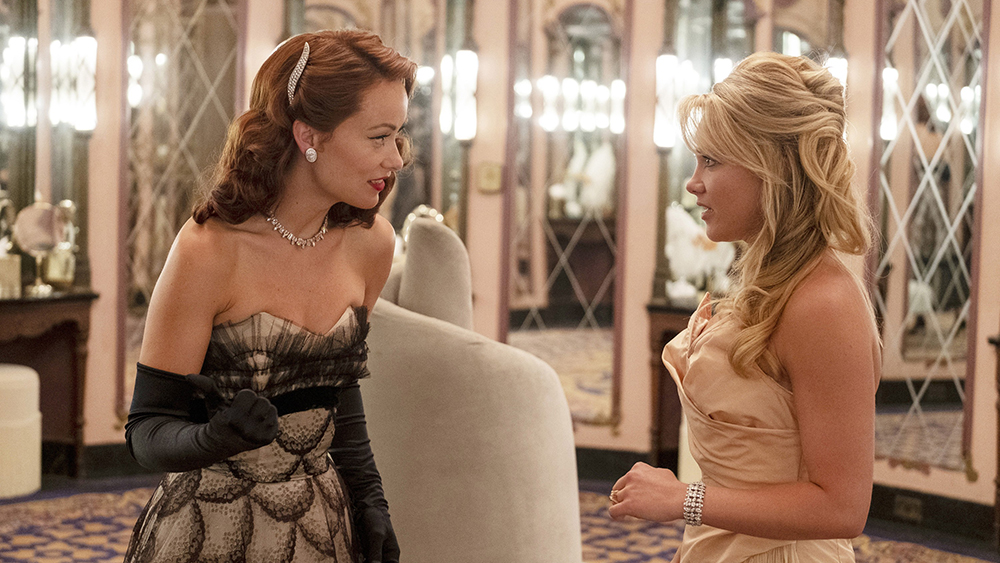
    Olivia Wilde, director of the 2022 psychological thriller ‘Don’t Worry Darling,’ has publicly denied allegations of a ‘screaming match’ with lead actress Florence Pugh during the film’s production. Wilde stated that she was specifically told to ‘not say a f, ing word’ about the rumors that circulated widely at the time. This recent statement comes years after the film’s release and the initial wave of media speculation surrounding its troubled set.

    The production of ‘Don’t Worry Darling’ became a subject of intense public scrutiny. Reports of discord between Wilde and Pugh began to emerge in the months leading up to the film’s theatrical debut. These rumors fueled a narrative of on-set tension, overshadowing much of the discussion about the film’s artistic merits.

    Journalists and entertainment commentators closely followed the unfolding story. Social media platforms amplified every perceived slight or absence, contributing to a broader public conversation about celebrity behavior and film set dynamics. The alleged feud became a prominent talking point, drawing significant attention to the project.

    The Initial Silence and Its Rationale

    Wilde’s recent explanation sheds light on her previous silence regarding the rumors. She indicated that the directive to remain quiet came from individuals involved in managing the film’s public image. This strategy aimed to prevent further escalation of the narrative by withholding any direct confirmation or denial.

    The decision to stay silent is a common public relations tactic in Hollywood. Publicists often advise clients to avoid engaging with negative speculation, believing that addressing rumors can inadvertently lend them credibility or prolong their news cycle. In this case, the strategy appears to have been to let the controversy dissipate naturally over time.

    However, the lack of immediate comment from Wilde or Pugh only intensified public curiosity. The vacuum of official statements was filled by unverified reports, anonymous sources, and fan theories. This created a complex media environment where speculation often overshadowed verified facts.

    The film’s promotional tour also became a site of perceived tension. Observers noted what they interpreted as a lack of warmth between Wilde and Pugh during public appearances. Pugh’s limited engagement in promotional activities, compared to other cast members, further fueled the narrative of a strained relationship.

    Florence Pugh’s Perspective

    Florence Pugh herself offered limited public comments on the alleged conflicts. Her statements often focused on the creative process of filmmaking and the importance of respecting artistic boundaries. She consistently avoided directly addressing the personal dynamics on set, maintaining a professional distance.

    Pugh’s approach was widely interpreted as a deliberate effort to redirect attention to her work and away from personal drama. Her public persona has often emphasized her commitment to her craft. This stance resonated with many of her fans, who praised her for prioritizing her acting over celebrity gossip.

    In interviews, Pugh occasionally alluded to the challenges of working on a high-profile production. However, these remarks were typically broad and did not specifically confirm or deny any direct conflict with Wilde. Her consistent refusal to engage with the sensationalized aspects of the story left much to interpretation.

    The Production of ‘Don’t Worry Darling’

    The making of ‘Don’t Worry Darling’ was fraught with various challenges beyond the alleged conflict between its director and lead actress. The film underwent a significant cast change early in its development. Harry Styles replaced Shia LaBeouf in a prominent role, which itself became a subject of discussion.

    Wilde later stated that LaBeouf’s departure was due to her desire to create a safe and collaborative environment on set. LaBeouf, however, contested this account, presenting evidence that suggested he chose to leave the project. This public disagreement added another layer of complexity to the film’s narrative.

    The COVID-19 pandemic also impacted the production schedule. Filming commenced in October 2020 and faced temporary shutdowns due to positive cases among the crew. These logistical hurdles are common in modern filmmaking but added to the overall pressure on the cast and crew.

    Despite these challenges, ‘Don’t Worry Darling’ completed production and was released in September 2022. The film generated considerable box office revenue, grossing over $87 million worldwide against a production budget of $35 million. Its commercial performance indicated that the public interest, fueled partly by the controversies, translated into ticket sales.

    Hollywood’s History of On-Set Conflicts

    On-set conflicts are not uncommon in the history of Hollywood. High-pressure environments, demanding schedules, and clashing personalities can often lead to friction between collaborators. Numerous iconic films have documented instances of tension between directors and actors, or between co-stars.

    For example, the production of ‘Apocalypse Now’ (1979) is legendary for its chaotic and challenging conditions, leading to conflicts between director Francis Ford Coppola and star Marlon Brando. Similarly, rumors of tension between Jessica Lange and Dustin Hoffman on the set of ‘Tootsie’ (1982) are well-documented.

    In more recent times, social media and instant news cycles have amplified these occurrences. What might once have remained an industry rumor now quickly becomes a global headline. This increased transparency means that conflicts, real or perceived, are scrutinized more intensely than ever before.

    The ‘Don’t Worry Darling’ situation is a contemporary example of how quickly a perceived disagreement can spiral into a major media event. It highlights the challenges faced by public figures in managing their image and the narratives surrounding their professional endeavors in the digital age.

    The Impact on Public Perception

    The persistent rumors surrounding ‘Don’t Worry Darling’ undoubtedly shaped public perception of the film and its key figures. For Olivia Wilde, the narrative of a difficult set potentially affected her image as a director. For Florence Pugh, it solidified her reputation as a strong-willed actress committed to her artistic integrity.

    The controversy also sparked broader discussions about gender dynamics in Hollywood. Some commentators argued that female directors and actresses are often subjected to harsher scrutiny regarding on-set behavior compared to their male counterparts. This perspective suggested that the focus on a ‘screaming match’ might be rooted in gendered expectations.

    Ultimately, the film itself received mixed critical reviews, with many critics acknowledging its visual style but questioning its narrative coherence. The external drama, however, remained a more dominant topic of conversation for many viewers and media outlets, eclipsing the film’s artistic merits or shortcomings.

    Wilde’s recent denial serves as an attempt to reframe the narrative. By directly addressing the ‘screaming match’ allegation, she aims to provide her account of events and perhaps move past the lingering speculation. This effort highlights the long-term impact of such controversies on public figures and their careers.

    The Ongoing Dialogue About Film Production

    The ‘Don’t Worry Darling’ saga contributes to an ongoing dialogue within the entertainment industry about transparency, communication, and the welfare of cast and crew members. Discussions about creating supportive and respectful working environments have gained prominence in recent years, particularly in the wake of movements advocating for greater accountability.

    Film sets are complex ecosystems where creative visions, financial pressures, and personal ambitions converge. Managing these elements requires strong leadership and effective communication strategies. When these break down, the consequences can range from minor disagreements to highly publicized disputes.

    The public’s fascination with behind-the-scenes drama reflects a broader interest in understanding the human element of filmmaking. Audiences are often curious about the real relationships and challenges that shape the movies they watch. This curiosity, while sometimes leading to sensationalism, also underscores the deep connection people feel to cinematic storytelling.

    Olivia Wilde’s recent statement offers a belated but direct response to one of the most prominent rumors from the ‘Don’t Worry Darling’ production. It marks an effort to clarify the record and perhaps close a chapter on a period of intense media scrutiny. The public, however, often forms its own conclusions, shaped by a multitude of reports and interpretations that emerge over time.

    Reflecting on Celebrity Narratives

    Celebrity narratives are often constructed through a combination of official statements, media reports, and public speculation. The ‘Don’t Worry Darling’ situation exemplifies how challenging it can be for public figures to control their own stories, especially when persistent rumors take hold.

    The power of a narrative, once established, can be difficult to dismantle. Even years after an event, denials or clarifications may struggle to completely overwrite the initial impressions formed by the public. This phenomenon is a recurring theme in the entertainment industry.

    The incident also underscores the role of the media in shaping public discourse. The choice of what to report, how to frame it, and which sources to prioritize significantly influences how stories are received. In the age of instant information, this responsibility is greater than ever.

    Ultimately, the story of ‘Don’t Worry Darling’s production will likely continue to be debated and reinterpreted. Wilde’s recent denial adds a new perspective to the existing body of information. It serves as a reminder that the truth behind complex human interactions, particularly in high-stakes environments like a film set, is often multifaceted and rarely simple.

    Filmmakers continue. Actors perform. Stories emerge.

    Hollywood.

  • Intelligent Animation: Mark Stern and Lloyd Braun Launch New AI Studio

    Intelligent Animation: Mark Stern and Lloyd Braun Launch New AI Studio

    The Dawn of Intelligent Animation

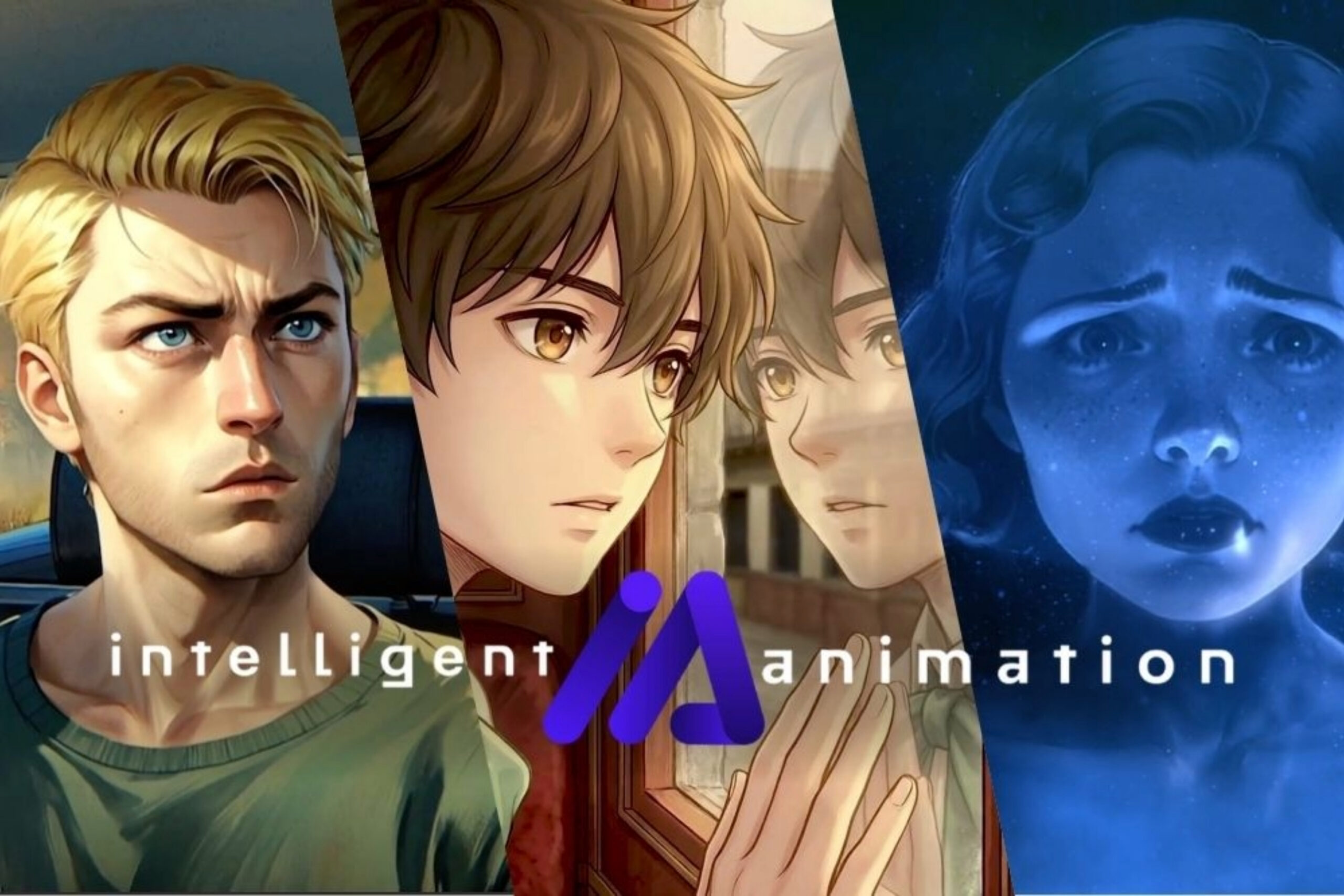
    Intelligent Animation, a new studio dedicated to artificial intelligence-driven animation, has been launched by former Syfy executive Mark Stern and entertainment industry veteran Lloyd Braun. This development signifies a growing trend in the entertainment sector to integrate advanced AI technologies into the creative process, potentially revolutionizing how animated content is conceived, produced, and distributed. The studio’s formation immediately ignites widespread debate about the future of human artists, the definition of creativity, and the economic implications for traditional animation roles across the globe.

    The announcement, made public on 2026-06-25, positions Stern and Braun at the forefront of a technological movement within Hollywood. Their combined experience in television production, network management, and digital media brings substantial industry weight to the new enterprise. Intelligent Animation aims to explore the efficiencies and creative possibilities unlocked by AI, venturing into territory that many traditional animators view with both curiosity and apprehension.

    The Architects Behind the Vision

    Mark Stern brings a significant background in genre entertainment to Intelligent Animation. During his tenure at Syfy, Stern was instrumental in developing and overseeing numerous original series, contributing to the network’s identity as a hub for science fiction and fantasy content. His experience includes working with complex visual effects and innovative storytelling techniques, which now provide a foundation for understanding the potential applications of AI in animation.

    Lloyd Braun is a seasoned executive with a career spanning major networks and digital platforms. Braun’s past roles include leadership positions at ABC Entertainment and Yahoo!, where he navigated evolving media landscapes and spearheaded strategic initiatives. His business acumen and understanding of content distribution and audience engagement are critical assets for a venture like Intelligent Animation, which seeks to innovate not just in production but also in market penetration.

    Their collaboration suggests a strategic alignment of creative vision and business strategy. Both executives have a history of adapting to industry shifts and embracing new technologies. Their decision to focus on AI animation reflects a belief in its transformative power for the entertainment industry.

    The Promise of AI in Animation

    Artificial intelligence offers several potential advantages for animation studios. One primary benefit is the acceleration of production timelines. Traditional animation is notoriously labor-intensive and time-consuming, requiring extensive resources for character design, storyboarding, modeling, rigging, animation, rendering, and post-production.

    AI tools can automate many of these repetitive or data-driven tasks. For instance, AI algorithms can generate background elements, assist with in-betweening frames, or even create initial character models based on prompts. This automation could drastically reduce the time and cost associated with producing animated series and films.

    Another promise of AI lies in its capacity for rapid iteration and exploration. Artists could use AI to quickly generate multiple design variations or animation sequences, allowing for more experimentation in the pre-production phase. This could lead to a broader range of creative options and more refined final products.

    AI also holds potential for personalized content. Algorithms could analyze viewer preferences to create bespoke animated experiences or dynamically alter storylines. This level of customization could open new avenues for interactive entertainment and audience engagement, moving beyond traditional linear storytelling models.

    Concerns and Cultural Defense

    The emergence of studios like Intelligent Animation, however, is not without controversy. A central point of contention is the potential impact on human jobs within the animation industry. Artists, animators, writers, and voice actors express legitimate concerns that AI could displace large segments of the workforce. If AI can perform tasks traditionally done by humans, the demand for human labor may decrease, leading to widespread unemployment in creative fields.

    The concept of ‘cultural defense’ arises from these anxieties. It frames the debate as a need to protect human artistic expression and cultural heritage from technological overreach. Critics argue that relying heavily on AI could lead to a homogenization of artistic styles or a reduction in the unique, human touch that defines compelling animation.

    “The question isn’t just about efficiency; it’s about the soul of the art form,” stated one anonymous animation veteran during a recent industry panel. “Can an algorithm truly capture human emotion or cultural nuance in the same way a human artist can?”

    The debate extends to questions of artistic integrity and originality. If AI generates content, who holds the intellectual property rights? What constitutes authorship when a machine plays a significant role in creation? These are complex legal and philosophical questions that the industry is only beginning to address.

    The Economic and Creative Landscape

    The economic implications of AI in animation are far-reaching. While studios may see cost savings and increased production capacity, the broader economic impact on the creative workforce could be severe. This could lead to a restructuring of the animation industry, favoring those with technical AI skills over traditional artistic talents.

    From a creative standpoint, proponents of AI argue that it can free artists from tedious tasks, allowing them to focus on higher-level creative decisions. AI could become a powerful tool in the artist’s arsenal, rather than a replacement. The success of this integration will depend on how studios like Intelligent Animation choose to implement AI – as a collaborative partner or as a primary creator.

    The current landscape of creative industries is already undergoing significant change due to technological advancements. Streaming wars, global production pipelines, and evolving audience consumption habits have reshaped the business model. AI represents the next frontier in this ongoing transformation, demanding new skills, new ethical considerations, and new business strategies.

    The Road Ahead for Intelligent Animation

    Intelligent Animation faces the challenge of proving that AI can enhance, rather than diminish, the quality and originality of animated content. Their initial projects will be closely scrutinized by both industry insiders and the public. The studio will need to demonstrate not only technical proficiency but also a commitment to artistic excellence and ethical AI practices.

    The reception of their work will likely influence the broader adoption of AI in animation. If Intelligent Animation produces compelling and critically acclaimed content, it could accelerate the integration of AI across the industry. Conversely, if their output is perceived as derivative or soulless, it could reinforce the arguments of cultural defense advocates.

    The partnership of Stern and Braun indicates a serious intent to navigate these complexities. Their experience suggests an understanding of both the creative demands of storytelling and the business realities of content production. Intelligent Animation is poised to be a significant player in the evolving dialogue about AI and the arts.

    Redefining Creativity in the Digital Age

    The discussion around AI in animation extends beyond mere job displacement; it touches upon the very definition of creativity. Can a machine truly be creative, or is it merely executing complex algorithms based on existing data? This philosophical debate has profound implications for how society values artistic output and recognizes genius.

    Some argue that AI, by learning from vast datasets of human-created art, is merely a sophisticated imitator. Others contend that if the output evokes emotion, tells a story, or presents novel ideas, the source of its creation becomes secondary to its impact. This redefinition of creativity is central to the cultural shift that AI is prompting across all creative sectors.

    The role of the human artist may evolve from direct creator to curator, prompt engineer, or ethical overseer of AI-generated content. This shift requires a new set of skills and a different approach to artistic training and collaboration. Educational institutions and industry guilds are beginning to grapple with how to prepare the next generation of creatives for this hybrid human-AI environment.

    As Intelligent Animation begins its work, it will inevitably contribute to this ongoing re-evaluation. Its projects will serve as case studies in the practical application of AI in a commercial creative setting, offering tangible examples for the philosophical and ethical discussions that continue to unfold.

    Executives launched. Debates commenced. Futures considered. Animation.

  • Leslie Jones’ SNL Frustration: Typecast as ‘Angry and Beating Up People’

    Leslie Jones’ SNL Frustration: Typecast as ‘Angry and Beating Up People’

    Leslie Jones’ ‘SNL’ Experience: A Story of Creative Constraint

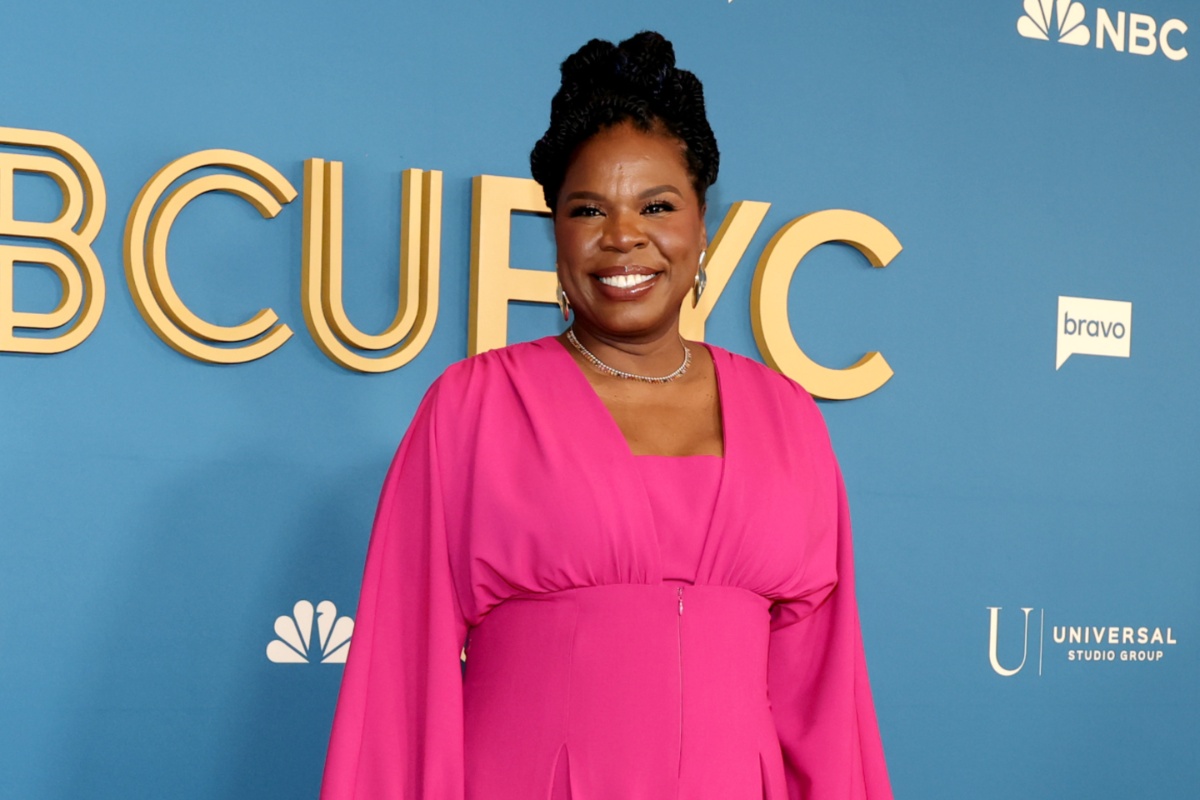
    Leslie Jones, a prominent comedian and actress, recently articulated her frustration regarding her experiences as a cast member on NBC’s Saturday Night Live. Jones stated that during her tenure, she felt consistently typecast into roles that depicted her as an ‘angry’ woman or a character engaged in physical confrontations. This sentiment was shared during an appearance on ‘The Daily Show’, where she elaborated on the creative limitations she faced within the iconic sketch comedy program.

    Her comments resonate with broader discussions about representation and the types of roles offered to Black female performers in the entertainment industry. Jones’s candid remarks underscore a common challenge where performers, particularly those from marginalized groups, are often confined to a narrow range of character types, hindering their artistic versatility.

    Joining the Iconic ‘Saturday Night Live’

    Leslie Jones initially joined Saturday Night Live as a writer in 2014. Her transition to a featured player later that year, and then a full cast member in 2015, marked a significant moment for the show. She was one of the few Black women to join the main cast in the show’s history, bringing a distinct comedic voice and physical presence to the live sketch format.

    Her early appearances, particularly on the ‘Weekend Update’ segment, quickly garnered attention. Jones often delivered personal anecdotes with high energy and unfiltered commentary, establishing a unique rapport with the audience. These segments showcased her stand-up comedy roots and her ability to command a stage.

    The Emergence of Typecasting

    Despite her initial success and popular reception, Jones observed a pattern in the characters she was asked to portray. She reported a recurring theme of being cast as characters who were either overtly angry, aggressive, or involved in physical comedy that often leaned into stereotypes. This trend became a source of significant creative discontent for the comedian.

    The typecasting limited the range of her performances, despite her demonstrated ability to deliver diverse comedic styles. Jones expressed a desire to explore more nuanced characters and situations, moving beyond the confines of what she perceived as a restrictive comedic archetype.

    ‘The Daily Show’ Revelation

    Jones’s public comments on ‘The Daily Show’ in 2026 provided a platform for her to detail these frustrations. She described the recurring nature of the roles, noting that the predictability became a source of irritation. This public discussion brought the issue of typecasting at a major comedic institution into the open.

    Her interview highlighted the internal struggles performers can face when their creative aspirations clash with the perceived expectations or writing tendencies of a production team. Jones’s honesty offered insight into the often-unseen pressures within high-profile entertainment roles.

    Impact on Creative Expression

    Typecasting can significantly impede an artist’s creative growth and public perception. For Jones, being consistently cast as ‘angry’ characters meant that audiences might only associate her with a limited emotional range, potentially overshadowing her broader talents in acting and comedy. This can create a cycle where future roles offered outside of SNL also fall into similar patterns.

    The comedian sought opportunities to break free from these molds, aiming to demonstrate her versatility. Her work in films like Ghostbusters (2016) and her stand-up specials often showcased a wider spectrum of her comedic persona, contrasting with the specific roles she described at SNL.

    The ‘Saturday Night Live’ Writing Process

    Saturday Night Live operates on a demanding schedule, with new sketches written and rehearsed weekly. The writing process involves numerous writers pitching ideas, often tailored to the strengths and public personas of the current cast members. This system, while efficient for weekly production, can inadvertently lead to typecasting if writers consistently lean on established character tropes for individual performers.

    The show’s long history includes instances where cast members have felt their talents were not fully utilized or that they were pigeonholed. These internal dynamics are part of the complex ecosystem of a live sketch comedy show with a large ensemble cast and a rapid production cycle.

    Broader Industry Context: Representation and Stereotypes

    Jones’s experience is not isolated. The entertainment industry has a documented history of typecasting, particularly for actors from underrepresented groups. Black women, for example, have often been relegated to roles that perpetuate stereotypes, such as the ‘sassy Black woman’ or the ‘angry Black woman.’

    These portrayals can have significant cultural implications, reinforcing harmful stereotypes in the public consciousness. Activists and industry professionals continually advocate for more diverse and nuanced character development for all actors, pushing for a broader spectrum of human experience to be represented on screen.

    Leslie Jones’ Post-SNL Career

    Since her departure from Saturday Night Live in 2019, Leslie Jones has pursued a variety of projects, showcasing her range beyond the constraints she described. She has hosted game shows, appeared in dramatic roles, and continued her successful stand-up comedy career.

    Her hosting of the BET Awards and her role in the film Coming 2 America (2021) allowed her to present different facets of her comedic and acting talents. These post-SNL endeavors demonstrate her commitment to diversifying her artistic portfolio and challenging the typecasting she encountered.

    The Ongoing Conversation

    The conversation initiated by Leslie Jones about her SNL experience contributes to an ongoing dialogue within the entertainment industry regarding creative freedom, representation, and the ethical responsibilities of writers and producers. Her willingness to speak openly about these challenges encourages other performers to share their experiences and advocates for greater change.

    The discussion extends beyond individual shows, prompting reflection on how character development and casting decisions are made across television and film. It reinforces the importance of diverse writing rooms and production teams that can offer varied perspectives and break away from conventional, often stereotypical, characterizations.

    Performers speak. Audiences listen. Industry reflects.

    Change occurs.

    FAQ

    • What did Leslie Jones say about her time on Saturday Night Live?
      Leslie Jones stated that she felt frustrated by being consistently typecast into roles that depicted her as an ‘angry’ woman or a character engaged in physical altercations during her tenure on NBC’s Saturday Night Live. She shared these sentiments during an appearance on ‘The Daily Show’ in 2026.
    • When was Leslie Jones a cast member on SNL?
      Leslie Jones joined Saturday Night Live as a writer in 2014, became a featured player later that year, and was promoted to a full cast member in 2015. She departed from the show in 2019.
    • Why is typecasting a problem for comedians like Leslie Jones?
      Typecasting can limit a comedian’s creative expression and artistic growth, forcing them into a narrow range of roles. For Leslie Jones, being consistently portrayed as ‘angry’ characters potentially overshadowed her versatility and reinforced stereotypes, affecting public perception and future career opportunities.
    • Has Leslie Jones worked on other projects since leaving SNL?
      Yes, since leaving Saturday Night Live in 2019, Leslie Jones has undertaken various projects, including hosting game shows, appearing in films such as Coming 2 America (2021), and continuing her stand-up comedy career, all of which demonstrate her diverse talents.
    • What broader issues do Leslie Jones’s comments highlight?
      Leslie Jones’s comments highlight broader industry issues concerning representation, the perpetuation of stereotypes, and the creative limitations faced by performers, particularly Black women, in entertainment. Her experience underscores the need for more nuanced character development and diverse writing teams.

  • Eros Innovation’s AI Music Label Debuts Seven Artists and Mohammed Rafi Experience

    Eros Innovation’s AI Music Label Debuts Seven Artists and Mohammed Rafi Experience

    Eros Innovation, a specialized division of Eros Media World PLC, officially launched an AI-powered music label on June 24, 2026. This new initiative introduced seven AI-native artists to the global music market. Simultaneously, the company unveiled a ‘Mohammed Rafi Live Experience,’ which employs artificial intelligence to recreate the iconic performances of the legendary Indian playback singer.

    This development marks a significant moment in the intersection of technology and entertainment. The move by Eros Innovation highlights the accelerating integration of AI into creative industries. It also ignites ongoing discussions about the definition of artistry in the age of advanced algorithms.

    The Dawn of AI-Native Artists

    The launch by Eros Innovation represents a direct foray into AI-generated musical content. Seven distinct AI-native artists are now part of this new label’s roster. These artists are designed to operate without traditional human performers, composers, or lyricists in their core creation process.

    Each AI artist is equipped with unique musical styles and virtual personas. These personas are crafted to appeal to diverse audiences across various genres. The company’s strategy involves developing these AI entities into commercially viable music acts.

    This model challenges conventional music production paradigms. It suggests a future where artificial intelligence could become a primary source of new musical output. The implications for human artists and industry professionals are substantial.

    The Technical Architecture Behind the AI Artists

    The AI-native artists leverage sophisticated algorithms for music composition, vocal synthesis, and lyrical generation. These systems are trained on vast datasets of existing music, allowing them to identify patterns, styles, and emotional cues.

    Natural language processing (NLP) is employed for lyric creation. Advanced audio synthesis technologies generate unique vocal tracks. Machine learning models then combine these elements to produce complete songs.

    Eros Innovation has invested significantly in proprietary AI frameworks. These frameworks aim to ensure the originality and quality of the AI-generated content. The goal is to produce music that resonates with human listeners.

    The Mohammed Rafi Live Experience

    Alongside the AI-native artists, Eros Innovation debuted the ‘Mohammed Rafi Live Experience.’ This project uses artificial intelligence to bring the voice and stage presence of Mohammed Rafi back to life. Rafi, who passed away in 1980, remains one of the most revered figures in Indian music history.

    The experience utilizes deep learning and digital reconstruction techniques. It aims to offer fans an immersive encounter with Rafi’s performances. This includes both his vocal renditions and visual representations of his stage presence.

    The ‘Mohammed Rafi Live Experience’ is presented as a tribute. It seeks to introduce his legacy to new generations. It also provides a novel way for existing fans to engage with his work.

    Recreating a Legend: The Technology Involved

    The recreation of Mohammed Rafi’s performances involves several layers of AI technology. Audio deepfake techniques are used to synthesize his voice. These techniques are trained on extensive archives of his original recordings.

    Visual AI technologies reconstruct his likeness and movements. This allows for a digital avatar that can perform on virtual stages. The aim is to capture the essence of his iconic stage persona.

    The project navigates complex ethical and legal considerations. These include intellectual property rights and the posthumous use of an artist’s image and voice. Eros Innovation states it has secured the necessary permissions and rights for this endeavor.

    Leadership and Strategic Vision

    Jordan Tanu leads Eros Innovation. Tanu serves as the President of the division. His role involves overseeing the strategic direction of its AI and Web3 initiatives.

    Tanu’s vision for Eros Innovation centers on leveraging emerging technologies. The goal is to create new forms of entertainment and engagement. The AI music label and the Mohammed Rafi experience are central to this strategy.

    The company views AI as a tool for creative expansion. It aims to push the boundaries of what is possible in music production and consumption. This includes exploring new revenue streams and audience interactions.

    The Broader Context of Eros Media World PLC

    Eros Media World PLC is a global entertainment company. It has a long history in film production, distribution, and digital content. The launch of Eros Innovation signifies its commitment to technological advancement.

    The parent company is adapting to a rapidly evolving media landscape. It is investing in areas like artificial intelligence, blockchain, and virtual reality. These investments aim to maintain its competitive edge.

    The AI music label is a key part of this broader digital transformation strategy. It positions Eros Media World PLC at the forefront of AI-driven entertainment.

    Industry Reaction and Ethical Debates

    The launch by Eros Innovation has generated significant discussion within the music industry. Many view it as an inevitable progression of technology. Others express concerns about its implications for human artists.

    Artists, producers, and industry bodies are debating intellectual property rights. They are also discussing fair compensation models for AI-generated content. The definition of authorship is also a key point of contention.

    Ethical questions surround the use of AI to recreate deceased artists. Concerns include the potential for exploitation and the integrity of an artist’s legacy. The ‘Mohammed Rafi Live Experience’ specifically highlights these issues.

    The Challenge of Authenticity

    A central debate revolves around authenticity. Can AI-generated music possess the same emotional depth as human-created art? This question is fundamental to the value proposition of AI artists.

    Listeners often connect with music on a personal level. This connection is often tied to the human experience of the artist. AI artists present a new dynamic for this relationship.

    The ‘Mohammed Rafi Live Experience’ also raises questions about historical authenticity. While a tribute, it is not a live performance by the original artist. This distinction is crucial for many fans.

    The Future Landscape of Music

    Eros Innovation’s venture indicates a potential future for the music industry. AI may become a standard tool for creation, production, and even performance. This could lead to new genres and forms of musical expression.

    The role of human artists may shift. They could become curators, collaborators with AI, or focus on areas where human creativity remains indispensable. The industry is in a period of redefinition.

    Investment in AI music technology is expected to grow. Other entertainment companies may follow Eros Innovation’s lead. This could accelerate the widespread adoption of AI in creative fields.

    Potential Economic Impacts

    The economic impact of AI music is a complex topic. It could lower production costs, making music creation more accessible. This might lead to an explosion of new content.

    However, it also poses challenges to traditional revenue models. Questions arise about how royalties will be distributed for AI-generated works. The economic livelihoods of human musicians could be affected.

    Eros Innovation’s model aims to tap into new markets. It seeks to create value through AI-driven content. The long-term financial viability of this approach will be closely watched.

    Global Implications for Cultural Heritage

    The use of AI to revive cultural icons like Mohammed Rafi has global implications. It offers new ways to preserve and present artistic heritage. It also opens doors to potential misinterpretations or misuses of cultural assets.

    Different cultures may react differently to AI-driven artistic resurrection. The perception of legacy and authenticity varies worldwide. This adds another layer to the ethical considerations.

    Eros Innovation’s approach sets a precedent. It will influence how other companies and cultural institutions consider using AI for similar projects. The global conversation on digital heritage is just beginning.

    Algorithms compose. Voices synthesize. Legacies revive.

    A new era.

  • Alex Cooper Responds to ‘Unwell’ Claims – Navigating Industry Standards

    Alex Cooper Responds to ‘Unwell’ Claims – Navigating Industry Standards

    Alex Cooper Addresses ‘Unwell’ Workplace Allegations

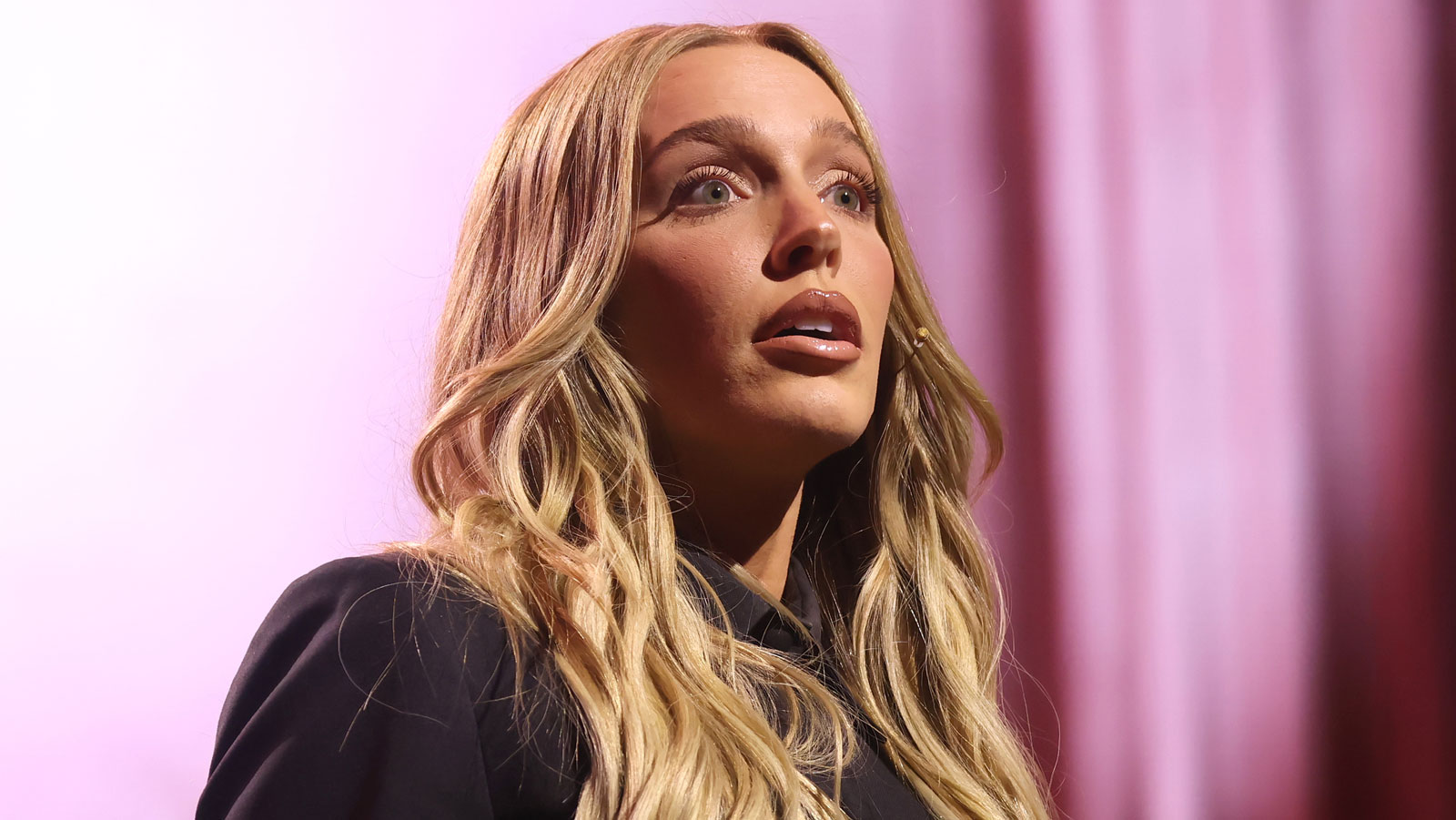
    Alex Cooper, a prominent figure in podcasting, has publicly responded to allegations concerning a toxic work environment associated with her podcast, ‘Unwell.’ Cooper’s statement, reported by Deadline on 2026-06-25, emphasized the unique challenges faced by women in the entertainment industry, suggesting they are often held to a different, more stringent standard.

    This response from Cooper initiates a broader conversation about professional expectations and gender dynamics within high-pressure creative sectors. The allegations against ‘Unwell’ have brought renewed attention to workplace culture in digital media.

    The Context of the ‘Unwell’ Claims

    The specific nature of the toxic work environment claims against ‘Unwell’ has not been fully detailed in public reports. However, such allegations typically involve issues like poor communication, excessive demands, lack of support, or disrespectful behavior among staff members. The ‘Unwell’ podcast, while connected to Cooper’s broader media empire, operates as a distinct entity from her flagship ‘Call Her Daddy’ program.

    Reports of workplace discord are not uncommon in rapidly expanding media ventures. The intense pressure to produce consistent content and maintain audience engagement can sometimes lead to strained internal dynamics. Cooper’s decision to address these claims publicly indicates a recognition of their significance.

    Alex Cooper’s Defense: Gender and Industry Standards

    Cooper’s defense centered on the argument that being a woman in the entertainment industry presents particular difficulties. She stated, “Being a woman in this industry is extremely difficult, you’re held to a different standard.” This assertion points to a perceived double standard where female leaders and creators may face harsher scrutiny than their male counterparts.

    This perspective resonates with broader discussions regarding systemic biases in professional environments. Women in leadership roles frequently report encountering skepticism, having their authority questioned, or being judged more critically on their management style. The entertainment industry, in particular, has a documented history of gender inequality and disproportionate representation.

    The ‘Call Her Daddy’ Precedent and Public Scrutiny

    Alex Cooper first rose to prominence with the ‘Call Her Daddy’ podcast, which she co-created. The show quickly gained a massive following, particularly among young women. Its success led to a significant deal with Spotify, reportedly worth millions of dollars.

    The journey of ‘Call Her Daddy’ itself was not without public drama. An earlier dispute between Cooper and her former co-host, Sofia Franklyn, over contract negotiations and intellectual property rights played out publicly in 2020. This prior experience with public scrutiny may inform Cooper’s current approach to addressing controversies.

    The intense spotlight on successful female entrepreneurs in media means that their business practices and workplace cultures often come under close examination. This level of public interest can amplify internal issues.

    Workplace Culture in Digital Media

    The digital media landscape, characterized by rapid growth and constant innovation, often struggles with establishing stable and equitable workplace cultures. Start-up mentalities can sometimes prioritize speed and output over employee well-being and clear communication.

    Podcasting, a relatively new but booming sector, has seen an influx of talent and capital. As individual creators transition into building larger production teams, the challenges of management and fostering a positive environment become more pronounced. These challenges are not unique to Cooper’s ventures but are endemic across the industry.

    • Rapid Scaling: Many successful podcasts grow quickly, leading to rapid team expansion.
    • Creator-Centric Models: The focus on individual personalities can sometimes overshadow team contributions.
    • High Pressure: The demand for consistent, high-quality content creates intense production schedules.
    • Blurred Lines: In creative industries, the distinction between personal and professional can sometimes blur, affecting workplace dynamics.

    Impact on Reputation and Brand

    Allegations of a toxic work environment, regardless of their specific details, can have a significant impact on a public figure’s reputation and brand. For creators like Alex Cooper, whose brand is deeply intertwined with her personality and perceived authenticity, such claims can be particularly damaging.

    Maintaining public trust is crucial for podcasters who rely on a direct connection with their audience. How Cooper navigates these allegations and implements any necessary changes will be closely watched by her listeners and the broader industry.

    The incident also serves as a reminder for media companies to prioritize healthy workplace environments. Employee satisfaction and ethical business practices are increasingly important factors in public perception and long-term success.

    The Broader Dialogue on Women in Leadership

    Cooper’s comments contribute to an ongoing, global dialogue about the experiences of women in leadership roles. Studies consistently show that women leaders face unique obstacles, including unconscious bias, stereotype threat, and higher expectations regarding emotional labor.

    The phrase “different standard” encapsulates a sentiment expressed by many women who have broken through traditional barriers in male-dominated industries. This often includes being perceived as too aggressive if assertive, or too emotional if empathetic. The ‘tightrope’ walk of female leadership is a well-documented phenomenon.

    “Being a woman in this industry is extremely difficult, you’re held to a different standard.” – Alex Cooper, 2026-06-25

    These discussions extend beyond the entertainment industry to fields like technology, finance, and politics. The challenges highlight the need for continued advocacy for gender equity and inclusive workplace policies.

    Moving Forward: Transparency and Accountability

    In the wake of such allegations, the path forward for any organization typically involves a combination of transparency, internal review, and accountability. Public statements are often followed by internal actions to address concerns raised by employees.

    For Alex Cooper and her associated production companies, this may involve an independent investigation, implementation of new HR policies, or direct engagement with current and former staff members. The goal is to demonstrate a commitment to improving workplace conditions and fostering a supportive environment.

    The media’s role in reporting on these issues also plays a part. Responsible journalism focuses on factual reporting while acknowledging the complexities of workplace dynamics and the perspectives of all involved parties.

    Conclusion

    Alex Cooper’s response to the ‘Unwell’ toxic work environment claims highlights the intricate challenges faced by women leaders in the entertainment industry. It underscores the perpetual scrutiny, the unique expectations, and the different standards often applied to them. The discussion moves from specific allegations to the broader context of gender in professional life.

    Allegations surfaced. Responses were issued. Industry standards were questioned. The conversation continues.

    FAQ Section

    Q: What claims were made against Alex Cooper’s ‘Unwell’ podcast?
    A: Claims of a toxic work environment were made against Alex Cooper’s ‘Unwell’ podcast, though specific details of the allegations have not been widely publicized.

    Q: How did Alex Cooper respond to the toxic work environment allegations?
    A: Alex Cooper responded by stating that being a woman in the entertainment industry is particularly difficult, implying that women are held to a different, higher standard compared to men.

    Q: When did Alex Cooper make her statement regarding the ‘Unwell’ claims?
    A: Alex Cooper made her statement regarding the ‘Unwell’ claims on 2026-06-25, as reported by Deadline.

    Q: What is ‘Unwell’ in relation to Alex Cooper?
    A: ‘Unwell’ is a podcast associated with Alex Cooper, distinct from her more widely known ‘Call Her Daddy’ podcast, and is the subject of the recent workplace claims.

    Q: Why did Alex Cooper mention gender in her response to the allegations?
    A: Cooper mentioned gender to contextualize the challenges she believes women face in the entertainment industry, suggesting they endure greater scrutiny and different standards than male counterparts in similar positions.

  • Marcy Walker, ‘All My Children’ Alum, Faces Health Battle – Fundraiser Launched

    Marcy Walker, ‘All My Children’ Alum, Faces Health Battle – Fundraiser Launched

    Marcy Walker, the actress widely recognized for her portrayal of Liza Colby on the long-running ABC soap opera ‘All My Children,’ is currently facing an undisclosed ongoing health issue. This development has led to the establishment of a public fundraiser designed to provide financial support as she navigates her health challenges.

    The news has prompted an outpouring of concern from fans and the entertainment community. Walker’s career spans decades, making her a familiar face to millions of daytime television viewers. The fundraiser aims to alleviate the financial burden associated with her medical care and living expenses during this difficult time.

    Marcy Walker’s Career: A Legacy in Daytime Television

    Marcy Walker established a prominent career in daytime drama, becoming a household name through her iconic roles. Her most notable part was Liza Colby on ‘All My Children.’ She first joined the cast in 1981.

    Walker’s portrayal of Liza Colby earned her critical acclaim. The character was known for her complex storylines, often involving intricate relationships and dramatic confrontations. Walker departed the series in 1984 but returned for multiple stints.

    Key Roles and Accolades

    Beyond ‘All My Children,’ Walker also starred as Eden Capwell on NBC’s ‘Santa Barbara.’ She originated the role in 1984, remaining with the show until 1991. This role further solidified her status as a leading actress in daytime television.

    Her work on ‘Santa Barbara’ was also highly regarded. She received a Daytime Emmy Award for Outstanding Lead Actress in a Drama Series in 1989 for her performance as Eden Capwell. This award recognized her significant contributions to the genre.

    Walker later returned to ‘All My Children’ in 1995. She continued with the series until 2005. Her final appearance on the show was in 2005, concluding a long tenure with the production.

    Other notable roles included appearances on ‘Guiding Light’ and ‘The Young and the Restless.’ These roles further demonstrated her versatility and enduring presence in the soap opera landscape. Her career showcased a consistent ability to engage audiences with compelling performances.

    The Nature of the Ongoing Health Issue

    The specific details surrounding Marcy Walker’s current health issue have not been publicly disclosed. The announcement of the fundraiser cited an “ongoing health issue.” This phrasing suggests a condition requiring sustained attention and resources.

    Privacy surrounding health matters is common for public figures. The decision to keep the specifics private allows Walker and her family to focus on her well-being. The public appeal for support indicates the seriousness of the situation.

    The Impact on Her Life

    An “ongoing health issue” can encompass a wide range of conditions. These often require extensive medical treatment, rehabilitation, or long-term care. Such circumstances can lead to substantial financial strain, even with insurance coverage.

    The need for a fundraiser points to significant expenses. These could include medical bills, specialized treatments, necessary modifications to living arrangements, or income replacement. The entertainment industry often presents unique challenges regarding consistent income and benefits, particularly for actors no longer actively working.

    Support from fans and colleagues can provide not only financial relief but also emotional encouragement. The collective effort demonstrates community solidarity during a challenging personal time.

    The Fundraiser: A Community Response

    The fundraiser for Marcy Walker was initiated to address the financial needs arising from her health situation. Details regarding the platform and specific goals of the fundraiser have been disseminated through various channels. This includes social media and entertainment news outlets.

    The initiative reflects a common response within the entertainment community. When a beloved figure faces hardship, fans and peers often mobilize to offer assistance. This collective action highlights the strong bonds formed between performers and their audiences over decades.

    How the Fundraiser Works

    Fundraisers for medical expenses typically operate through online crowdfunding platforms. These platforms allow individuals to contribute varying amounts. All contributions directly support the stated cause.

    Organizers often provide updates on the progress of the fundraiser. They may also share general information about the recipient’s condition, with respect for privacy. The goal is to reach a specific financial target to cover anticipated costs.

    The funds raised are intended to cover a range of expenses. These include medical treatments, prescription medications, specialist consultations, and daily living costs. Such support can significantly alleviate stress during a health crisis.

    Daytime Stars and Health Battles

    Marcy Walker’s situation is not unique among figures in the entertainment industry. Many actors, particularly those from long-running daytime series, have faced significant health challenges. These challenges often lead to public appeals for support.

    The demanding schedules of daily television production can take a toll over time. The nature of the work often requires intense commitment. This can sometimes impact long-term health.

    Past Instances of Support

    Other soap opera veterans have also been the beneficiaries of similar community efforts. These instances underscore the close-knit nature of the daytime television world. They also highlight the loyalty of its fan base.

    For example, actors like Jerry Douglas from ‘The Young and the Restless’ and John Reilly from ‘General Hospital’ have received public support during health struggles. These campaigns often bring together colleagues who have worked together for years.

    The collective memory of these actors’ performances creates a strong incentive for fans to contribute. Their characters became part of daily life for many viewers. This fosters a sense of personal connection and empathy.

    The Enduring Legacy of ‘All My Children’

    ‘All My Children’ remains one of the most iconic soap operas in television history. It debuted in 1970 and ran for over 40 years, concluding its network run in 2011. The series was known for its groundbreaking storylines and memorable characters.

    Marcy Walker’s character, Liza Colby, was central to many of these narratives. Liza’s journey from a rebellious teenager to a complex adult resonated with audiences. Her relationships with characters like Tad Martin and Adam Chandler were cornerstones of the show.

    Impact on Viewers

    The longevity of ‘All My Children’ created a dedicated fan base. Viewers followed the lives of Pine Valley residents for decades. The show explored social issues alongside its dramatic plots.

    Actors like Walker became integral to the fabric of daytime television. Their performances helped shape the genre. The emotional investment viewers made in these characters often translates into real-world support when actors face personal hardships.

    The show’s influence extended beyond its broadcast run. Repeats and streaming services continue to introduce new generations to its stories. The legacy of ‘All My Children’ and its stars persists.

    The Importance of Community Support

    The fundraiser for Marcy Walker underscores the critical role of community support during health crises. For public figures, this support often comes from both professional colleagues and a broad fan base. The collective effort can make a substantial difference in an individual’s ability to manage their condition.

    Financial contributions are often paramount. They cover immediate and long-term medical costs. Emotional support also plays a vital role in recovery and well-being. Messages of encouragement and solidarity provide comfort during difficult times.

    Beyond Financial Aid

    Community support extends beyond monetary donations. It includes raising awareness, sharing information, and coordinating non-financial assistance. This can involve organizing care, providing meals, or offering companionship.

    For actors who have given years to their craft, this reciprocal support can be particularly meaningful. It demonstrates that their work and their presence are valued. It reaffirms the connection between performer and audience.

    The entertainment industry has a history of rallying around its members. This reflects a shared understanding of the unique challenges faced by those in the profession. The current effort for Marcy Walker continues this tradition of care.

    Friends gathered. Colleagues gathered. Fans gathered. Support.

  • Disney’s Missed Opportunities: James Bond, Twitter, and Apple

    Disney’s Missed Opportunities: James Bond, Twitter, and Apple

    The Walt Disney Company, under the leadership of figures like Bob Iger, pursued several high-profile corporate maneuvers that ultimately did not come to fruition. These include a failed attempt to acquire the James Bond film franchise, a decision to walk away from purchasing Twitter just hours before a deal was finalized, and preliminary merger talks with Apple that never advanced. These instances collectively illustrate critical moments where Disney’s strategic direction could have shifted dramatically.

    Such decisions, whether to pursue or abandon major acquisitions, reflect the complex interplay of market conditions, valuation disagreements, and long-term strategic vision within a global entertainment and technology conglomerate. Each scenario presented unique challenges and potential benefits, underscoring the high stakes involved in corporate development at this scale.

    The Pursuit of 007: Disney and James Bond

    Disney’s interest in the James Bond franchise represented a significant move into an established, globally recognized intellectual property. The Bond series, known for its longevity and consistent box office performance, would have provided Disney with a mature, adult-oriented action brand.

    Acquiring such a franchise would have complemented Disney’s existing portfolio, which includes Marvel, Star Wars, and Pixar. It would have diversified their content offerings beyond family-friendly fare and broadened their appeal to different demographic segments.

    The negotiations for the James Bond rights were complex. The franchise is controlled by Eon Productions, with distribution rights historically held by various studios, most recently by Amazon through its acquisition of MGM. Disney’s bid faced competition and intricate ownership structures.

    Ultimately, the deal for Disney to acquire the Bond franchise did not materialize. The reasons often cited include disagreements over valuation, creative control, and the unique independent structure of Eon Productions, which has historically maintained significant autonomy over the property.

    Why Bond Remained Elusive

    Eon Productions, led by Barbara Broccoli and Michael G. Wilson, has a long-standing commitment to maintaining the creative integrity and independent spirit of the James Bond series. This commitment often involves strict control over the character’s portrayal, narrative direction, and production decisions.

    Disney’s corporate culture, known for integrating acquisitions deeply into its ecosystem, may have clashed with Eon’s desire for independence. The financial terms and long-term strategic alignment likely proved too difficult to reconcile for both parties.

    The failure to secure James Bond meant Disney continued to focus on its existing tentpole franchises. It also highlighted the challenges of acquiring properties with complex legacy ownership and strong creative gatekeepers.

    The Twitter Turnaround: A Deal That Almost Was

    One of the most striking revelations concerns Disney’s near-acquisition of Twitter. Reports indicate that Disney was on the verge of purchasing the social media platform, with a deal reportedly hours away from being finalized. This proposed acquisition occurred at a time when Twitter was a prominent, though often volatile, global communication platform.

    The strategic rationale for Disney’s interest in Twitter was multifaceted. A social media platform would have provided Disney with direct access to a massive user base, real-time data, and a powerful distribution channel for its content. It could have also served as a critical tool for fan engagement and marketing.

    However, Disney ultimately withdrew from the deal. The reasons for this last-minute reversal were reportedly tied to concerns about Twitter’s user base, particularly issues related to online harassment, hate speech, and the overall brand safety environment. Disney’s family-friendly image was a primary consideration.

    The potential integration of a platform like Twitter, with its unfiltered user-generated content, presented significant reputational risks for Disney. The company’s leadership, including former CEO Bob Iger, likely weighed these risks against the perceived benefits and concluded the acquisition was not a suitable fit.

    Reputational Risks and Corporate Values

    Disney’s decision to back away from Twitter underscored the importance of brand integrity and corporate values in high-stakes acquisitions. The company has meticulously cultivated a reputation for wholesome, family-oriented entertainment.

    The controversies surrounding content moderation and user behavior on Twitter were a direct conflict with Disney’s brand identity. Acquiring the platform would have meant inheriting these challenges and potentially diluting Disney’s carefully curated image.

    This decision, in retrospect, allowed Disney to avoid the complexities and controversies that later plagued Twitter, particularly following its acquisition by Elon Musk in October 2022. It demonstrated a pragmatic approach to M&A, prioritizing brand safety over potential market expansion.

    Apple and Disney: Merger Talks That Never Blossomed

    Perhaps the most intriguing revelation involves preliminary merger discussions between The Walt Disney Company and Apple. These talks, while not reaching advanced stages, indicate a period of strategic exploration between two of the world’s most influential companies in entertainment and technology.

    The idea of an Apple-Disney merger has been a subject of speculation for decades, often fueled by the close relationship between Apple co-founder Steve Jobs and former Disney CEO Bob Iger. Jobs was Disney’s largest individual shareholder after selling Pixar Animation Studios to the company in 2006.

    A merger between Apple and Disney would have created an unparalleled conglomerate. Apple’s technological prowess, global distribution network, and massive cash reserves combined with Disney’s vast intellectual property, content creation capabilities, and theme park empire would have been transformative.

    The potential synergies were immense: Disney content integrated seamlessly into Apple’s hardware and software ecosystem, new interactive experiences, and a unified platform for entertainment, technology, and consumer products. However, these discussions remained preliminary and did not evolve into formal negotiations.

    The Vision of Steve Jobs and Bob Iger

    Steve Jobs, who served on Disney’s board of directors, often spoke of the convergence of technology and creativity. His vision aligned with the potential for Apple to play a significant role in the entertainment industry.

    Bob Iger, known for his strategic foresight, also recognized the evolving landscape where content and technology were becoming increasingly intertwined. His relationship with Jobs likely facilitated these early conversations.

    The reasons for the talks not progressing are not publicly detailed but could involve complex regulatory hurdles, valuation disagreements, and the sheer scale and complexity of integrating two such colossal and distinct corporate cultures. Antitrust concerns alone would have been monumental.

    The failure of these talks meant both companies continued on their independent trajectories. Apple expanded its services division with Apple TV+, while Disney doubled down on its streaming strategy with Disney+.

    The Strategic Implications of Missed Opportunities

    These instances, the failed James Bond acquisition, the abandoned Twitter deal, and the preliminary Apple merger talks, collectively paint a picture of a company constantly evaluating its position and future. Each decision, or lack thereof, had profound implications for Disney’s long-term strategy.

    The pursuit of James Bond showed Disney’s ambition to expand its content genres. The withdrawal from Twitter demonstrated a commitment to brand safety over immediate digital expansion. The Apple discussions highlighted a willingness to consider transformative mergers at the highest levels of corporate power.

    In 2026, Disney continues to navigate a rapidly changing media landscape. The company has focused on its core franchises, its direct-to-consumer streaming services, and its global theme park operations. Its current strategy emphasizes profitability in its streaming division and continued investment in its intellectual property.

    The lessons from these missed opportunities likely inform current decision-making processes. They underscore the importance of clear strategic alignment, careful risk assessment, and the often-unpredictable nature of high-stakes corporate negotiations.

    Leadership and Decision-Making

    Former Disney CEO Bob Iger played a central role in many of these discussions and decisions. His tenure was marked by aggressive growth through acquisitions, including Pixar, Marvel, and 21st Century Fox. These successes make the missed opportunities all the more notable.

    Iger’s autobiography, ‘The Ride of a Lifetime,’ provides some insight into his strategic thinking and the pressures involved in leading a company like Disney. The decisions to pursue or abandon these deals were not made lightly, reflecting extensive analysis and debate at the highest executive levels.

    The current leadership of Disney, under CEO Bob Iger who returned to the role in November 2022, continues to face similar strategic challenges. The media industry is in constant flux, with new technologies and evolving consumer behaviors demanding continuous adaptation.

    Understanding these historical corporate maneuvers provides context for Disney’s present and future strategies. It reveals a company that is both bold in its ambitions and cautious in its execution, constantly balancing growth opportunities with risk mitigation.

    The Shifting Media Landscape

    The media landscape of 2026 is vastly different from the periods when these negotiations took place. Streaming services have matured, and the competition for subscriber attention is intense. The role of social media in content distribution and audience engagement has also evolved significantly.

    Disney’s strategic focus has adapted to these changes, prioritizing direct-to-consumer relationships and leveraging its vast library of content. The company continues to invest heavily in original programming for its streaming platforms.

    The memory of these ‘almost’ deals serves as a reminder that even the most powerful corporations face critical junctures where the path not taken can be just as impactful as the path chosen. The history of Disney is not just a chronicle of its successes but also a testament to its strategic reconsiderations and its willingness to walk away when conditions are not aligned.

    Executives deliberate. Boards convene. Deals are struck. Deals fall apart. The future is written.

    Disney.