Tag: Entertainment

  • Mick Jagger on a Rolling Stones Biopic: “It Interests Me”

    Mick Jagger on a Rolling Stones Biopic: “It Interests Me”

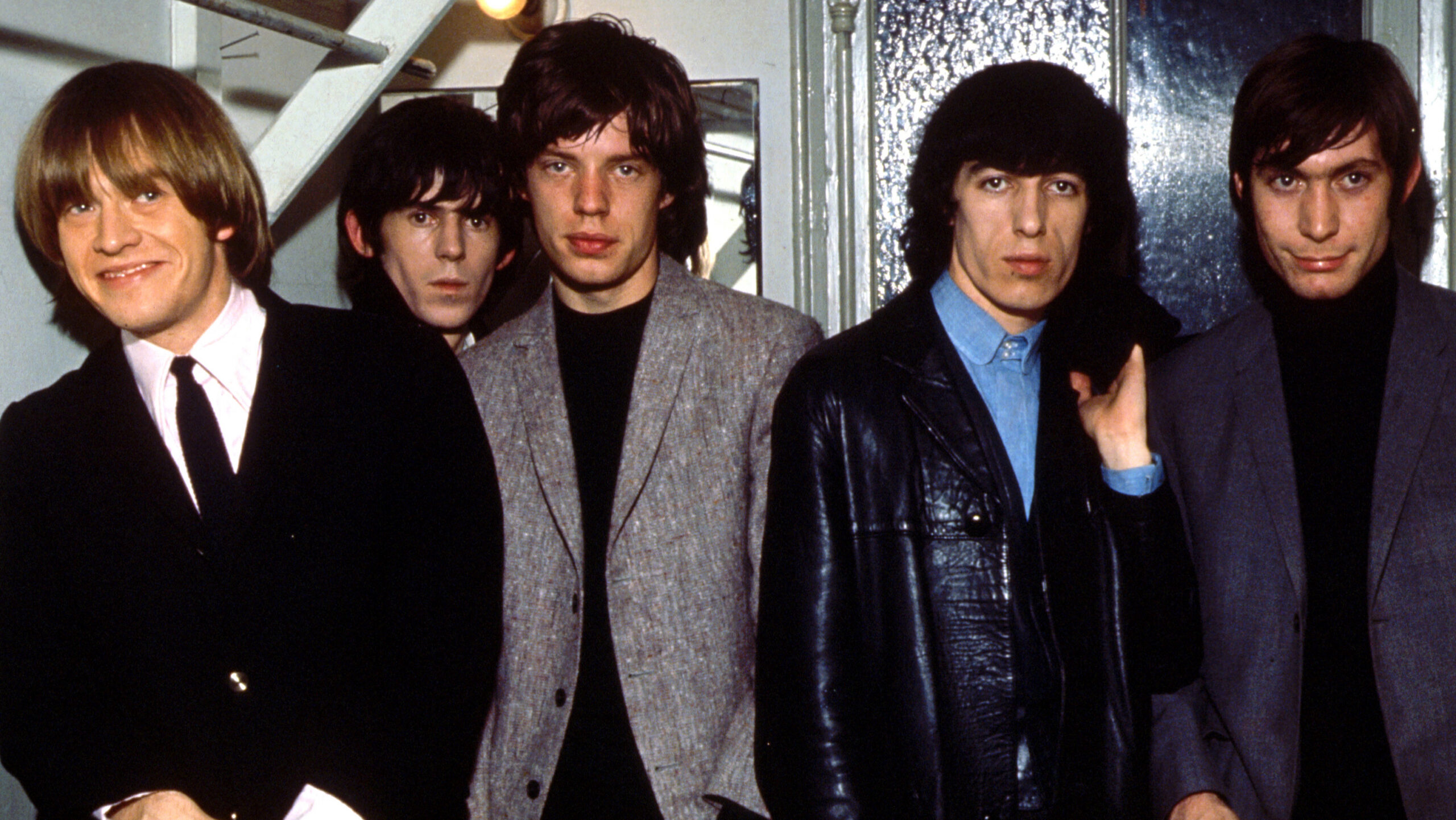
    Mick Jagger, the principal vocalist of The Rolling Stones, has stated that the concept of a biopic detailing the band’s six-decade career “interests him.” This declaration, made public in June 2026, signals a potential shift in the band’s long-standing cautious approach to a comprehensive cinematic portrayal of their history.

    The Rolling Stones, formed in London in 1962, have maintained a global presence in music for over sixty years. Their journey from rhythm and blues enthusiasts to rock and roll legends encompasses numerous cultural shifts and historical moments.

    The Long Road to a Potential Biopic

    The idea of a biographical film centered on The Rolling Stones is not new. Discussions and speculation have circulated within Hollywood and the music industry for decades. However, concrete plans have historically been elusive.

    Previous statements from band members, including Jagger, often expressed reservations. Concerns typically revolved around the accuracy of portrayal, the challenges of condensing such a vast history into a single film, and the desire to maintain creative control over their narrative.

    Jagger’s recent comment suggests a more receptive attitude. This could be due to evolving cinematic approaches to music biopics or a reassessment of the band’s legacy in popular culture.

    The Scope of a Rolling Stones Story

    A Rolling Stones biopic would face significant narrative challenges. The band’s history is rich with pivotal moments, influential albums, and personal dramas.

    Their early years in London’s blues scene, their rivalry with The Beatles, and their ascent to international fame provide ample material. Key events include their first chart-topping single, “(I Can’t Get No) Satisfaction,” released in 1965, and their groundbreaking 1969 American tour.

    The film would also need to address the band’s changing lineup. Founding members Mick Jagger, Keith Richards, Brian Jones, Ian Stewart, Charlie Watts, and Bill Wyman each played crucial roles. Brian Jones’s departure in 1969 and his subsequent death that same year remain significant points in their narrative.

    The band’s enduring success through the 1970s, 1980s, and beyond, marked by stadium tours and continued album releases, would also require extensive coverage. The passing of drummer Charlie Watts in 2021 marked a profound moment for the group and their fans.

    Challenges and Opportunities for Filmmakers

    Creating a definitive Rolling Stones biopic presents both creative and logistical hurdles. The sheer volume of material means difficult choices regarding what to include and what to omit.

    Filmmakers would need to navigate the band’s complex relationships. The dynamic between Jagger and Richards, often referred to as “The Glimmer Twins,” is central to the band’s creative output and longevity.

    Securing the rights to their extensive music catalog would be a primary concern. The Rolling Stones’ discography includes over two dozen studio albums and countless singles, many of which are iconic. Licensing agreements for these tracks would be a major component of the film’s budget.

    Casting would also be a critical element. Finding actors capable of embodying the distinct personalities and stage presence of Jagger, Richards, and other members would be essential for audience acceptance.

    The Biopic Landscape in 2026

    The cinematic landscape for music biopics has seen considerable success in recent years. Films like Bohemian Rhapsody (2018), chronicling Queen, and Rocketman (2019), focusing on Elton John, have demonstrated strong box office performance and critical acclaim.

    These films often benefit from the direct involvement of the artists or their estates. Such collaboration can provide authentic insights and access to archival materials, enhancing the film’s credibility.

    Jagger’s expressed interest could open doors for similar collaborative efforts. His involvement would likely ensure a level of authenticity and access that independent productions might lack.

    Previous Documentaries and Fictional Portrayals

    While a full-length feature biopic has been absent, The Rolling Stones have been the subject of numerous documentaries. Films like Gimme Shelter (1970), which captured the tragic events at the Altamont Free Concert, offer raw, real-time glimpses into their history.

    Martin Scorsese’s concert film Shine a Light (2008) provided a contemporary look at the band in performance. These documentaries, while valuable, differ significantly from a narrative-driven biopic that re-enacts historical events.

    Fictional works have also drawn inspiration from the band. The 2005 film Stoned offered a dramatized account of Brian Jones’s life and death, but it was not an official band-sanctioned project.

    The Cultural Impact of The Rolling Stones

    The Rolling Stones are more than a band; they are a cultural institution. Their music has influenced generations of musicians and artists across various genres.

    Their image, defined by a rebellious attitude and iconic fashion, has permeated popular culture. The band’s famous “tongue and lips” logo, designed by John Pasche in 1971, is one of the most recognizable symbols in music history.

    A biopic would have the opportunity to explore this broader cultural impact. It could delve into their role in shaping the counterculture movement of the 1960s and their sustained relevance through subsequent decades.

    The film could also address their business acumen. The Rolling Stones were pioneers in stadium tours and merchandise, transforming the economics of rock music.

    What Could a Biopic Cover?

    A potential biopic could focus on several key eras or themes. An origin story, from their formation in West London to their breakthrough in the mid-1960s, offers a compelling narrative arc.

    Alternatively, a film could concentrate on a specific tumultuous period, such as the late 1960s, marked by personnel changes, legal troubles, and the release of seminal albums like Beggars Banquet (1968) and Let It Bleed (1969).

    Another approach might be to explore the dynamic between Mick Jagger and Keith Richards. Their songwriting partnership, creative differences, and enduring friendship form the backbone of the band’s story.

    The challenge lies in balancing the band’s collective journey with the individual stories of its members. The film would need to provide depth without becoming overly complex or fragmented.

    The Future of The Rolling Stones on Screen

    Mick Jagger’s statement opens a new chapter for The Rolling Stones’ cinematic legacy. It suggests that the band may be ready to engage with a full-scale narrative film about their lives and careers.

    Such a project would require careful planning and execution. The band’s involvement would be crucial for maintaining authenticity and securing necessary rights.

    The music world and film industry will observe developments with keen interest. A Rolling Stones biopic, if realized, would be a major cultural event.

    Decades of music. Global tours. Cultural influence. A legendary story.

    The Rolling Stones.

  • Paramount Secures Harry Potter and Fantastic Beasts for Exclusive TV Licensing

    Paramount Secures Harry Potter and Fantastic Beasts for Exclusive TV Licensing

    Paramount has secured exclusive television licensing rights for the full Harry Potter film series and the Fantastic Beasts franchise. This agreement ensures that these globally popular wizarding world films will be available for broadcast and streaming exclusively on Paramount-affiliated platforms. The deal represents a significant acquisition in the competitive media landscape, guaranteeing a consistent home for these cinematic properties.

    The move is designed to provide audiences with a sense of comfort and excitement. Fans of the wizarding world can anticipate continued access to their favorite films through Paramount’s ecosystem. This strategic acquisition underscores the enduring appeal and commercial value of established entertainment franchises.

    The Enduring Appeal of the Wizarding World

    The Harry Potter film series, based on J.K. Rowling’s books, began with Harry Potter and the Sorcerer’s Stone in 2001. It concluded its main run with Harry Potter and the Deathly Hallows – Part 2 in 2011. The eight films collectively grossed over $7.7 billion worldwide, establishing themselves as one of the highest-grossing film series in history. Their cultural impact remains substantial, drawing new generations of viewers.

    The Fantastic Beasts franchise serves as a prequel series set in the same universe. It launched with Fantastic Beasts and Where to Find Them in 2016. Subsequent installments include Fantastic Beasts: The Crimes of Grindelwald (2018) and Fantastic Beasts: The Secrets of Dumbledore (2022). These films continue to expand the lore and appeal of the wizarding world, albeit with varying box office performances.

    The consistent popularity of both series makes them highly desirable assets for media companies. Their proven track record of audience engagement translates into reliable viewership numbers across various platforms. Securing these rights is a strategic play for sustained audience retention.

    Paramount’s Content Strategy

    Paramount’s acquisition of these exclusive licensing rights aligns with a broader industry trend. Major media conglomerates are investing heavily in content libraries to bolster their streaming services and traditional television offerings. Exclusive content acts as a key differentiator in a crowded market.

    The specific platforms that will benefit from this deal include Paramount’s linear television channels and its streaming services. This could encompass channels like Paramount Network, Comedy Central, and others. The streaming component is likely to involve Paramount+, the company’s flagship direct-to-consumer service. Such integration provides a unified viewing experience for subscribers.

    This strategy aims to drive subscriptions and increase engagement across Paramount’s digital and linear properties. By centralizing access to popular franchises, Paramount seeks to create a compelling value proposition for consumers. The move also reduces reliance on third-party content licensing, providing greater control over scheduling and distribution.

    The Role of Exclusive Licensing

    Exclusive licensing deals have become a cornerstone of content acquisition. They prevent competitors from offering the same popular titles, thereby directing audience traffic to the exclusive platform. This creates a competitive advantage in attracting and retaining subscribers.

    For franchises like Harry Potter, which have a dedicated global fanbase, exclusivity is particularly potent. Fans are often willing to subscribe to a specific service to access their preferred content. This makes such deals a powerful tool for market share growth.

    The financial terms of such agreements are typically confidential. However, industry analysts estimate that major exclusive deals for established franchises can involve hundreds of millions of dollars. The long-term return on investment is measured in subscriber growth, advertising revenue, and overall brand enhancement.

    Impact on the Media Landscape

    This deal further consolidates premium content within specific media ecosystems. As more major studios and distributors launch or expand their own streaming services, the availability of third-party content becomes scarcer. This trend forces consumers to subscribe to multiple services to access a full range of desired programming.

    The fragmentation of content access can lead to increased subscriber churn as consumers migrate between services based on specific content offerings. However, it also incentivizes services to build robust and diverse libraries. Paramount’s move is a direct response to this dynamic.

    Warner Bros. Discovery, the original distributor and owner of the Harry Potter and Fantastic Beasts films, previously held many of these rights for its own platforms, such as Max. This new agreement suggests a strategic decision by Warner Bros. Discovery to license out certain rights, potentially for significant revenue. Such licensing can fund new content production or reduce debt.

    The Future of Franchise Distribution

    The landscape of film and television distribution continues to evolve rapidly. Hybrid models, combining theatrical releases with streaming availability, are becoming more common. Licensing deals for established franchises like Harry Potter highlight the ongoing value of library content beyond initial release windows.

    Future distribution strategies will likely involve a mix of exclusive streaming, traditional broadcast, and transactional video-on-demand (TVOD). Companies are constantly evaluating the optimal balance to maximize revenue and audience reach. The Paramount deal is an example of adapting to these changing market conditions.

    The long-term implications for consumers include a more defined set of content offerings on each major platform. This could simplify choices for some viewers while complicating them for others. The comfort of knowing where to find beloved franchises, however, remains a key driver for consumer satisfaction.

    Fan Engagement and Brand Loyalty

    Securing these films is not just about content acquisition; it is also about fostering fan engagement and brand loyalty. The Harry Potter universe has a passionate and active fanbase. Providing a stable and accessible home for the films reinforces a positive relationship with these viewers.

    Paramount can leverage this acquisition through various marketing initiatives. Promotional campaigns can highlight the availability of the wizarding world films on its platforms. This can attract new subscribers who are specifically looking for these titles.

    The comfort and excitement referenced in the initial reporting are key emotional drivers. In a world of constant content changes, a stable home for beloved stories provides a sense of reliability. This emotional connection translates into sustained viewership and positive brand perception.

    The acquisition represents a significant investment. The goal is to provide a consistent viewing experience. It solidifies Paramount’s position in the content ecosystem. Fans can anticipate future access to the wizarding world.

    Paramount secures the rights. Audiences gain reliable access. The industry adapts.

    Content finds a home.

  • Live Nation CEO’s Trump Talks Preceded Antitrust Settlement

    Live Nation CEO’s Trump Talks Preceded Antitrust Settlement

    Live Nation Entertainment CEO Michael Rapino engaged in direct discussions with former President Donald Trump shortly before a major antitrust trial involving the entertainment giant concluded with a settlement. This revelation has drawn significant attention, prompting inquiries into the intersection of corporate leadership, political influence, and judicial processes. The timing of these communications, preceding a pivotal legal resolution, has fueled speculation regarding potential external factors influencing the trial’s outcome. The settlement itself had broad implications for the live entertainment industry, affecting everything from ticket pricing to venue control. The disclosure of these high-level talks adds a new layer to the public understanding of how such substantial cases are resolved.

    The antitrust action had been a significant point of contention for months. It targeted Live Nation’s practices within the live events sector. Critics and competitors alleged monopolistic behavior.

    The Antitrust Challenge Against Live Nation

    The United States Department of Justice (DOJ) initiated the antitrust proceedings against Live Nation Entertainment. The lawsuit focused on the company’s alleged dominance in concert promotion and ticketing. Specifically, the DOJ investigated Live Nation’s acquisition of Ticketmaster in 2010. This merger created a vertically integrated entity controlling a vast portion of the live music market.

    Concerns centered on Live Nation’s ability to leverage its market power. This included allegations of tying arrangements, where venues were pressured to use Ticketmaster for ticketing services in exchange for booking Live Nation artists. Other claims involved exclusionary tactics designed to limit competition from smaller promoters and ticketing companies. The DOJ argued these practices harmed consumers through higher ticket prices and fewer choices.

    The legal battle unfolded over several months in federal court. Both sides presented extensive arguments and evidence. Industry observers closely watched the proceedings. The outcome was expected to reshape the landscape of live entertainment. Artists, venues, and fans all had vested interests in the trial’s conclusion.

    Allegations of Market Dominance

    Live Nation’s position as the world’s largest concert promoter and ticketing company was central to the DOJ’s case. The company promotes over 40,000 shows annually across more than 40 countries. Ticketmaster, its subsidiary, processes hundreds of millions of tickets each year. This scale raised alarms about potential anti-competitive behavior.

    The DOJ detailed instances where Live Nation allegedly threatened to withhold tours from venues that did not use Ticketmaster. These tactics were said to stifle nascent competition. Smaller ticketing platforms struggled to gain market share. Independent promoters faced significant hurdles in securing major artists. The allegations painted a picture of a market heavily controlled by a single dominant player.

    Consumer advocacy groups also voiced strong opposition to Live Nation’s practices. They cited high service fees and limited options for ticket purchases. The antitrust trial was seen by many as a crucial opportunity to address these long-standing grievances. The potential for a court-mandated breakup or significant structural changes loomed over the company.

    The Settlement Agreement Emerges

    News of a settlement broke unexpectedly. It brought an abrupt end to the high-stakes trial. Details of the agreement were initially sparse. The terms were expected to include concessions from Live Nation. These concessions would aim to address the anti-competitive concerns raised by the DOJ.

    The settlement prevented a full judicial ruling. It also avoided the potential for a lengthy appeals process. Both Live Nation and the DOJ likely saw benefits in reaching an agreement outside of a definitive court judgment. For Live Nation, it meant avoiding a potentially damaging verdict. For the DOJ, it secured immediate changes without further litigation risks.

    The specifics of the settlement were later disclosed. They included provisions for increased transparency in ticketing fees. Live Nation also agreed to certain limitations on its venue contracts. These measures were intended to foster greater competition in the market. However, some critics argued the settlement did not go far enough to dismantle Live Nation’s market power.

    Terms of the Agreement

    The settlement agreement mandated several changes to Live Nation’s business practices. One key provision required Live Nation to offer more flexible terms to venues. This aimed to reduce the pressure on venues to exclusively use Ticketmaster. Another aspect focused on enhancing ticket price transparency. Consumers would see a clearer breakdown of fees at the point of purchase.

    Live Nation also committed to investing in technology that would improve the ticketing experience. This included efforts to combat ticket bots and secondary market exploitation. The company agreed to periodic reviews by an independent monitor. This monitor would ensure compliance with the settlement terms over a specified period. The duration of this oversight was set at five years, concluding in 2031.

    Despite these concessions, the core structure of Live Nation Entertainment remained intact. The merger with Ticketmaster was not undone. This outcome disappointed some who had advocated for a complete divestiture. They argued that without a full separation, Live Nation would retain significant leverage. The debate over the effectiveness of the settlement continued in industry circles.

    Rapino’s Communication with Trump

    The most striking revelation came with the disclosure of direct communication between Live Nation CEO Michael Rapino and former President Donald Trump. These discussions took place in the weeks leading up to the antitrust settlement. The exact nature and content of these conversations remain undisclosed. However, the timing alone raised immediate questions.

    Rapino’s engagement with a former President during an active antitrust case against his company is highly unusual. It prompted scrutiny from legal experts and political commentators alike. The former President, known for his direct involvement in business and political matters, has a history of engaging with prominent corporate leaders. This interaction adds to that pattern.

    The disclosure came through a regulatory filing. Live Nation was required to report certain interactions related to the antitrust case. This transparency measure, however, did not fully clarify the purpose or impact of the discussions. The public and media were left to speculate on the implications of such high-level contact before a pivotal legal decision.

    Questions of Influence and Timing

    The timing of the communication is a critical element. It occurred when the antitrust trial was in its final stages. A settlement was reached shortly thereafter. This sequence of events suggested a potential link between the discussions and the resolution. Critics argued that such contact could create an appearance of impropriety, if not actual influence.

    Legal scholars debated the ethical implications. They questioned whether such communications could undermine public confidence in the judicial system. Antitrust enforcement is meant to be an impartial process. It aims to ensure fair competition. Any suggestion of political interference in a major antitrust case is viewed with serious concern.

    Live Nation and representatives for Trump offered limited comments. They characterized the discussions as routine. They maintained that no undue influence occurred. However, these assurances did little to quell the rising tide of speculation. The incident highlighted the complex interplay between corporate power, political networks, and legal outcomes in the United States.

    Broader Implications for Corporate Antitrust

    The Live Nation case and the subsequent disclosure have broader implications for corporate antitrust enforcement. It underscores the challenges faced by regulators in maintaining an even playing field. Major corporations often possess significant resources. These resources can include access to powerful political figures.

    The incident could encourage greater scrutiny of communications between corporate executives and political leaders. Especially during ongoing legal battles. It might lead to calls for stricter disclosure requirements. Such requirements would aim to prevent even the appearance of impropriety. Transparency in such interactions is crucial for public trust.

    Furthermore, the case re-ignited debates about the effectiveness of antitrust settlements. Some argue that settlements often favor large corporations. They allow companies to avoid harsher penalties that a full trial might impose. The Live Nation settlement, despite its provisions, did not fundamentally alter the company’s market structure. This outcome fuels the argument for more aggressive antitrust enforcement.

    Public Trust and Regulatory Oversight

    Public trust in regulatory bodies and the justice system is paramount. Incidents like the Rapino-Trump communication can erode that trust. When major corporate legal battles appear to intersect with political maneuvering, it raises doubts about fairness. This perception can have lasting consequences for the legitimacy of enforcement actions.

    Regulators face increasing pressure to demonstrate independence. They must show that their decisions are based solely on legal and economic principles. The Live Nation case serves as a stark reminder of this challenge. It highlights the need for robust oversight mechanisms. These mechanisms must safeguard the integrity of antitrust processes.

    The event also sparked discussions within the music industry. Artists, managers, and independent promoters continued to voice concerns about Live Nation’s market power. They wondered if the settlement truly addressed the systemic issues. The disclosure of the high-level talks only intensified these concerns. It suggested that power dynamics extended beyond the courtroom.

    The Future of Live Entertainment and Regulation

    The Live Nation antitrust settlement, coupled with the Rapino-Trump disclosure, sets a precedent. It influences future discussions on corporate power and regulation. The live entertainment industry continues to evolve. Digital platforms and new technologies emerge. The role of dominant players like Live Nation will remain a subject of intense debate.

    Regulators will likely face continued pressure. They must monitor the implementation of the settlement terms. Any breaches could lead to further legal action. The public, now more aware of potential political connections, will watch closely. The need for vigilance in antitrust enforcement has been underscored.

    The incident also provides a case study for future corporate leaders. It demonstrates the potential risks and scrutiny associated with high-level political engagement. Especially when a company is embroiled in significant legal challenges. Transparency and ethical conduct remain critical considerations for maintaining public and stakeholder confidence.

    Politicians considered the implications. Industry analysts weighed the impact. Consumers expressed their concerns. Regulators maintained their watchful stance. The debate continued.

    Live Nation.

  • Ari Emanuel’s Endeavor Reportedly Eyes $6 Billion Acquisition of ATG Theaters

    Ari Emanuel’s Endeavor Reportedly Eyes $6 Billion Acquisition of ATG Theaters

    Reports circulating on June 25, 2026, indicate that MaRI, an investment vehicle linked to Endeavor CEO Ari Emanuel, is in discussions to acquire the Ambassador Theatre Group (ATG). This potential transaction is valued at approximately $6 billion. The acquisition would represent a significant expansion of Emanuel’s and Endeavor’s footprint in the live entertainment sector, encompassing a vast network of theater venues globally.

    ATG is a prominent international theater organization. It owns and operates numerous venues across the United Kingdom, the United States, and Germany. These theaters host a wide array of productions, from musicals and plays to concerts and comedy acts. The reported talks underscore a continued strategic push by major entertainment figures to consolidate assets and control across various content and distribution platforms.

    The Scope of ATG’s Empire

    Ambassador Theatre Group’s portfolio includes some of the most iconic and historically significant theaters in the world. In London’s West End, ATG operates venues such as the Apollo Victoria Theatre, home to ‘Wicked,’ and the Lyceum Theatre, which hosts Disney’s ‘The Lion King.’ These theaters are central to London’s vibrant cultural tourism and entertainment economy.

    Beyond the UK, ATG has a substantial presence in the United States. Its American holdings include Broadway venues like the Lyric Theatre, which has staged ‘Harry Potter and the Cursed Child.’ The company also manages multiple regional theaters across the U.S., contributing significantly to local arts scenes and economies.

    The group’s international reach extends to Germany, where it operates several venues. This global network allows ATG to present a diverse range of productions, catering to varied audiences and solidifying its position as a major player in live entertainment. The acquisition of such a broad and influential network would provide MaRI and Endeavor with unparalleled access to prime theatrical real estate and booking power.

    Ari Emanuel and Endeavor’s Strategic Vision

    Ari Emanuel is widely recognized as a powerful figure in the entertainment industry. As the CEO of Endeavor, a global entertainment and sports company, Emanuel has overseen numerous strategic acquisitions and expansions. Endeavor’s portfolio includes talent agency WME, sports league UFC, and event management firm IMG, among others. The company’s strategy often involves integrating various aspects of entertainment production, distribution, and talent representation.

    The reported interest in ATG aligns with Endeavor’s broader strategy of vertical integration and market dominance in live experiences. Live events, from sports to concerts and theater, have become increasingly valuable assets in the digital age. They offer unique, in-person experiences that cannot be replicated online, making them crucial for diversified entertainment portfolios.

    MaRI, the investment vehicle reportedly leading the talks, represents a distinct financial entity potentially backed by Emanuel’s strategic vision and access to capital. This structure allows for targeted investments that may complement or expand Endeavor’s core business without directly impacting its public company balance sheet in the same manner as a direct corporate acquisition.

    Why Theater?

    The theater industry, particularly the West End and Broadway circuits, represents a resilient and high-yield segment of the entertainment market. Despite challenges such as the global health crisis of 2020-2021, live theater has demonstrated strong recovery capabilities and enduring appeal. Major productions often run for years, generating consistent revenue streams from ticket sales, merchandise, and ancillary services.

    The acquisition of a theater owner like ATG provides control over critical infrastructure. This control extends to booking popular shows, dictating rental terms, and potentially integrating Endeavor’s talent representation and production capabilities directly into venue programming. Such a move could create a powerful synergy, allowing Endeavor to package talent, content, and venues under one umbrella.

    The Financial Implications of a $6 Billion Deal

    A $6 billion valuation for ATG signals the significant perceived value of its assets and market position. Such a large-scale transaction would require substantial financing, potentially involving private equity firms, debt financing, or a combination of investment vehicles. The due diligence process for a deal of this magnitude would be extensive, examining ATG’s financial performance, asset portfolio, and future growth prospects.

    The deal’s structure, whether through MaRI or Endeavor directly, would have different implications for investors and market perceptions. A MaRI-led acquisition might allow Endeavor to maintain a leaner balance sheet while still benefiting from strategic control over ATG’s operations. Conversely, a direct Endeavor acquisition would significantly expand the company’s asset base and revenue streams, but also its debt load.

    Market analysts would closely scrutinize the terms of any final agreement. Key considerations include the premium paid, the projected return on investment, and the potential for synergies with Endeavor’s existing businesses. The entertainment industry has seen a wave of consolidation in recent years, and this reported deal fits that pattern, indicating a belief in the long-term value of scale and diversified assets.

    Impact on the Live Entertainment Landscape

    If the acquisition proceeds, it would reshape the competitive landscape of live theater and entertainment. ATG is already a dominant force, and its integration into an entity associated with Ari Emanuel would create an even more formidable presence. Competitors in venue ownership, production, and talent representation would need to adapt to a new, potentially more integrated, market leader.

    The deal could also influence programming decisions, ticketing strategies, and even the development of new theatrical content. With greater control over venues, the acquiring entity could prioritize certain productions, foster specific types of talent, or implement new technological innovations across its theater network. This could lead to both opportunities and challenges for independent producers and smaller theater companies.

    For audiences, the impact might be more subtle. While a change in ownership typically does not immediately alter the experience of attending a show, long-term strategic shifts could influence ticket prices, show availability, and the overall diversity of offerings. The entertainment industry’s consolidation often raises questions about market competition and consumer choice.

    The ‘Paddington’ and ‘Harry Potter’ Connection

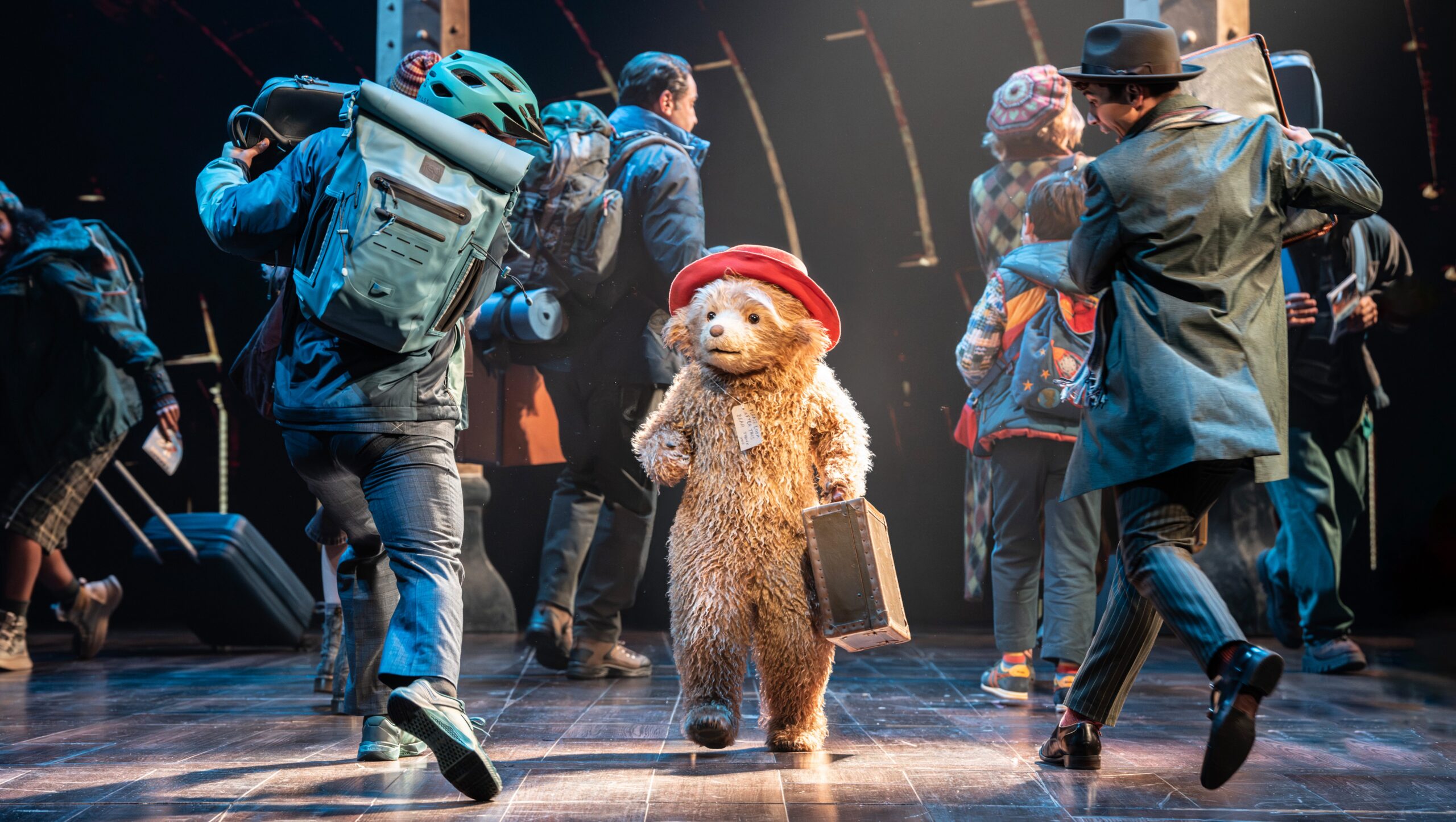
    The headline references to ‘Paddington’ and ‘Harry Potter’ highlight the caliber of productions hosted by ATG venues. ‘Paddington’ refers to ‘Paddington The Musical,’ which premiered at the West End’s Gillian Lynne Theatre in July 2025. ‘Harry Potter and the Cursed Child’ has been a long-running success, playing in multiple ATG-affiliated venues, including the Lyric Theatre on Broadway and the Palace Theatre in London.

    These shows are not merely popular; they are cultural phenomena that draw significant audiences and generate substantial revenue. Their presence in ATG theaters underscores the strategic value of the group’s venues. Acquiring a company that can consistently attract and house such high-profile productions is a key driver for a $6 billion valuation.

    The ability to secure and host such globally recognized intellectual properties is a testament to ATG’s operational capabilities and its network of prime venues. For an entity like MaRI or Endeavor, gaining control over these venues means gaining a direct pipeline to a proven, lucrative segment of the live entertainment market.

    Future Outlook

    The reported talks are still in their early stages, and there is no guarantee that a deal will be finalized. However, the mere report of such discussions indicates a strong strategic interest from Ari Emanuel and his associated entities in expanding into the theater ownership space. The entertainment industry continues to evolve, with traditional boundaries between content creation, distribution, and exhibition blurring.

    Should the acquisition proceed, it would be one of the largest transactions in the live entertainment sector in recent memory. It would cement Ari Emanuel’s reputation as a consolidator and visionary in the global entertainment market, further expanding the reach and influence of his business empire. The deal would be watched closely by investors, industry competitors, and theater enthusiasts alike.

    Executives gathered. Lawyers gathered. Financiers gathered.

    A deal.

  • Teletubbies at Cannes: The Brand Activism Debate

    Teletubbies at Cannes: The Brand Activism Debate

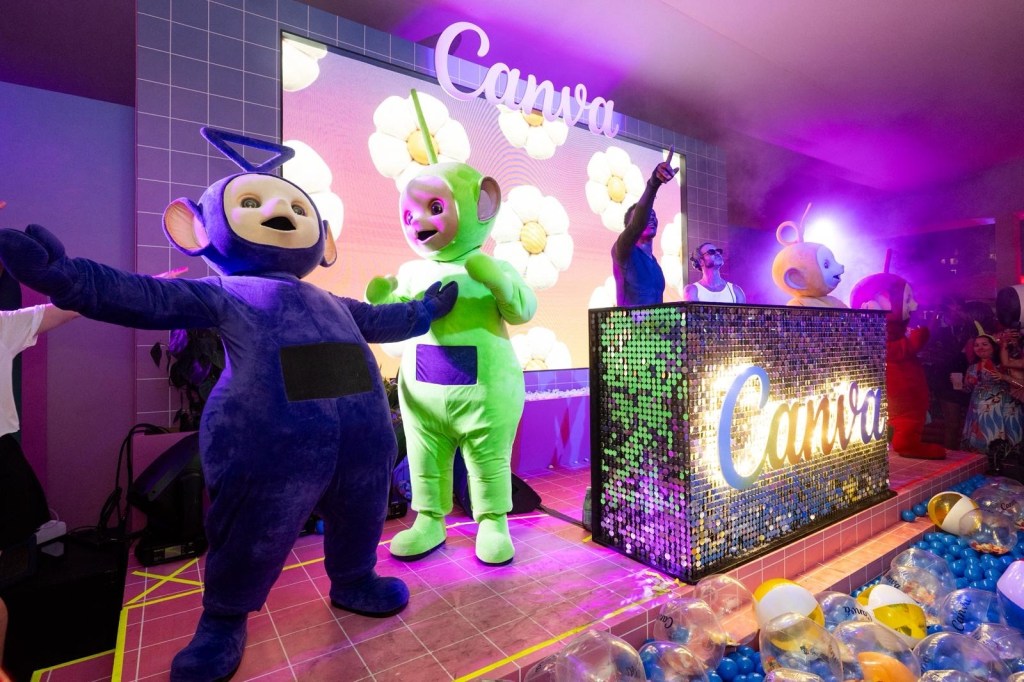
    The Teletubbies, globally recognized children’s characters, appeared at the 2026 Cannes Lions International Festival of Creativity’s Canva Beach Pride Party. They danced in support of LGBTQ+ rights. This event, occurring on June 20, 2026, generated immediate and widespread discussion across social media, news outlets, and cultural commentary.

    Their participation marked a notable moment in the ongoing intersection of popular culture, brand marketing, and social advocacy. The decision to feature the characters in this context was made by WildBrain, the company that owns and manages the Teletubbies franchise. WildBrain aimed to position the brand as inclusive and aligned with contemporary social values.

    The Setting: Cannes Lions 2026

    Cannes Lions is an annual event held in Cannes, France. It is renowned as the world’s largest gathering for the creative and marketing communications industry. The festival attracts advertising executives, brand managers, and media professionals from around the globe.

    The 2026 iteration of the festival took place from June 17 to June 21, with various associated events and parties extending beyond the official dates. The Canva Beach Pride Party was one such ancillary event, hosted by the Australian graphic design platform Canva. These events often serve as networking opportunities and showcases for sponsoring brands.

    Beach parties are a common feature of Cannes Lions. They frequently combine entertainment with brand promotion and, increasingly, social messaging. Brands leverage these platforms to communicate their values and connect with diverse audiences.

    Canva’s Presence at Cannes

    Canva, a graphic design platform, maintained a significant presence at the 2026 Cannes Lions festival. The company hosted multiple events, including the Beach Pride Party. This particular event was designed to highlight Canva’s commitment to diversity, equity, and inclusion.

    Canva’s marketing team, led by Chief Marketing Officer Zach Kitschke, emphasized the importance of authentic brand representation. The company utilized its platform at Cannes to showcase its corporate values, aiming to resonate with a global creative audience. The Beach Pride Party served as a high-profile demonstration of these commitments.

    The Teletubbies’ Evolving Role in Culture

    The Teletubbies characters, Tinky Winky, Dipsy, Laa-Laa, and Po, first debuted in 1997. They were created by Anne Wood and Andrew Davenport for the BBC. The show quickly gained international popularity for its distinctive visual style and child-friendly content, broadcast in over 120 countries.

    Over the decades, the franchise has been owned by various entities. WildBrain acquired the Teletubbies brand in 2019. The company has since sought to revitalize the property for new generations and expand its reach through various media, including a 2022 Netflix series. This expansion included exploring new avenues for brand engagement.

    The characters have historically been associated with themes of inclusivity and acceptance, albeit often interpreted through a lens of childhood innocence. Their appearance at the Canva Beach Pride Party represents a more explicit alignment with a specific social movement. This move signals a deliberate strategy by WildBrain to broaden the brand’s cultural relevance beyond its traditional preschool audience.

    WildBrain’s Strategic Direction

    WildBrain, headquartered in Halifax, Nova Scotia, manages a vast portfolio of children’s content. Their strategy for the Teletubbies in 2026 involved repositioning the brand for a contemporary audience. This included leveraging the characters’ inherent association with joy and acceptance in new contexts.

    The decision to participate in the Cannes Lions Pride event was part of a broader marketing push. WildBrain aimed to demonstrate the Teletubbies’ enduring appeal and their capacity to represent modern values. CEO Eric Ellenbogen previously articulated a vision for WildBrain properties to be ‘evergreen and ever-relevant.’ The Cannes appearance was a manifestation of this vision.

    Canva’s Engagement with Pride

    Canva, a company valued at over $26 billion as of 2023, has a history of supporting LGBTQ+ initiatives. The platform offers numerous templates and resources for Pride-related content creation. Its presence at Cannes Lions often includes events designed to promote its brand values and engage with the creative community.

    The Canva Beach Pride Party was organized as part of the festival’s broader efforts to promote diversity and inclusion. Many companies at Cannes Lions leverage their platforms to engage with social causes, seeking to connect with audiences on a deeper, values-driven level. This approach is increasingly common among technology and creative brands.

    Sponsorships and events like these are part of a larger corporate strategy known as purpose-driven marketing. Brands aim to demonstrate their commitment to social issues, often appealing to younger demographics who prioritize corporate social responsibility. Canva’s participation aligns with its publicly stated commitment to fostering an inclusive global community.

    The Role of Purpose-Driven Marketing

    Purpose-driven marketing has become a cornerstone of many corporate strategies in 2026. Consumers, particularly Gen Z and Millennials, increasingly expect brands to take stances on social issues. Companies like Canva invest in these initiatives not just for public relations, but to build deeper connections with their customer base and attract talent.

    The Cannes Lions festival itself has evolved to reflect this trend. Sessions and awards increasingly focus on campaigns that demonstrate social impact alongside creative excellence. The Teletubbies’ appearance at the Canva event was a high-profile example of this convergence, drawing attention to both the brand’s message and the marketing strategy behind it.

    The Performance and Public Reaction

    During the party, performers dressed as the Teletubbies danced on stage and interacted with attendees. Visuals shared online showed the characters in a festive, celebratory atmosphere, consistent with a Pride event. The specific choreography and messaging were designed to be overtly supportive of LGBTQ+ rights, featuring rainbow colors and inclusive gestures.

    Initial reactions were polarized. Supporters praised WildBrain and Canva for using a beloved children’s brand to promote messages of inclusion and acceptance. They viewed it as a positive step towards normalizing LGBTQ+ identities for a wider audience. Advocates like Sarah Kate Ellis, CEO of GLAAD, commended the brands for their visible allyship.

    Critics, however, expressed concern about what they perceived as the politicization of children’s characters. Some argued that such explicit advocacy was inappropriate for a brand primarily associated with preschool entertainment. This perspective often centered on the idea that children’s content should remain neutral on social issues. Conservative commentators, such as Ben Shapiro, voiced strong opposition to the move, sparking widespread debate on social media platforms like X (formerly Twitter).

    The Culture War Context of 2026

    The event occurred amidst a broader cultural environment marked by ongoing debates about LGBTQ+ rights and representation. In 2026, discussions around gender identity, sexual orientation, and their portrayal in media remain prominent. These discussions often involve intense scrutiny of corporate involvement.

    The Teletubbies’ involvement at Cannes Lions became a flashpoint in these discussions. It highlighted the tension between brands seeking to align with progressive values and segments of the public who resist such alignments, particularly when children’s media is involved. This tension is not new; other brands and public figures have faced similar backlashes and endorsements when engaging with LGBTQ+ themes. The Teletubbies’ established global recognition amplified the reach and intensity of this particular debate, making it a prominent example of brand activism in action.

    Brand Strategy and Audience Engagement

    From a brand strategy perspective, the Teletubbies’ appearance at Cannes Lions was a calculated move. It aimed to generate significant media attention and position the brand as forward-thinking and inclusive. WildBrain understood the potential for both positive and negative reactions, but prioritized visibility and alignment with progressive values.

    For WildBrain, this could attract new audiences and reinforce existing connections with consumers who value social advocacy. The visibility gained at an event like Cannes Lions can translate into increased brand relevance and commercial success, despite potential controversy. The company’s internal analysis likely weighed these factors, concluding that the benefits of increased brand salience outweighed the risks of alienating a segment of the audience.

    However, the strategy also carries risks. Alienating a segment of the audience, particularly parents, could have long-term consequences for a children’s brand. The balance between social messaging and broad appeal is a constant challenge for marketers in the current climate. This incident served as a reminder that brand activism, while potentially rewarding, requires careful navigation of public sentiment and cultural divides.

    Measuring the Impact

    Measuring the true impact of such an event involves analyzing various metrics. These include social media engagement, media mentions, brand sentiment analysis, and ultimately, consumer purchasing behavior. For WildBrain and Canva, the immediate goal was likely to generate buzz and reinforce their brand identities.

    Long-term effects would involve tracking brand loyalty and market share among target demographics. The debate surrounding the Teletubbies’ appearance contributed to a broader conversation about corporate responsibility and the changing expectations of consumers. This ongoing discussion shapes future marketing strategies across industries.

    The Broader Implications for Media and Culture

    The incident at Cannes Lions contributes to a larger conversation about the role of media and entertainment in shaping cultural norms. It asks whether children’s characters should remain apolitical or actively participate in social movements. This question resonates deeply within educational and parenting communities.

    The event also underscores the power of cultural icons to convey messages beyond their original intent. The Teletubbies, originally designed for early childhood development, now find themselves at the center of adult-driven cultural debates. Their presence at a global advertising festival signifies a shift in how beloved characters are utilized in modern marketing.

    Ultimately, the 2026 Teletubbies appearance at the Canva Beach Pride Party at Cannes Lions serves as a case study. It illustrates the complexities of brand activism. It highlights the shifting landscape of corporate social responsibility. It demonstrates the enduring power of popular culture to spark dialogue. It reveals the ongoing tension between universal appeal and targeted messaging. It showcases the evolving role of children’s brands in a politically charged world.

    Brands must navigate. Consumers must choose. Culture must adapt. Debate must continue.

    The Teletubbies danced.

  • Chloe Bailey Navigates ‘Strung,’ Beyoncé’s Counsel, and ‘Little Mermaid’ Controversy

    Chloe Bailey Navigates ‘Strung,’ Beyoncé’s Counsel, and ‘Little Mermaid’ Controversy

    Chloe Bailey has discussed her involvement in the upcoming thriller film Strung, alongside recalling specific career guidance from Beyoncé and reflecting on the public controversy surrounding The Little Mermaid. Bailey detailed how the racist sentiment directed at the film’s casting, particularly involving her sister Halle Bailey, was a deeply upsetting experience. She cited Beyoncé’s advice as a guiding principle in navigating the entertainment industry’s complexities.

    Bailey’s career has developed across music and acting. Her reflections provide insight into the pressures and expectations faced by public figures in contemporary media.

    The Role in ‘Strung’ and Creative Expression

    Chloe Bailey’s latest acting project is the thriller film Strung. This role marks another step in her expanding filmography, which includes prior appearances in projects such as Swarm and Praise This. Bailey has indicated that the character presented new challenges and opportunities for her as an actress.

    The film’s production details remain under wraps, with specific release dates and plot points yet to be fully disclosed. Bailey’s participation suggests a continued interest in diverse roles across different genres. Her acting choices often reflect a desire to push beyond conventional expectations.

    Bailey’s approach to her roles often involves a deep dive into character psychology. This method allows her to portray complex emotions and motivations on screen. Her performances aim for authenticity, even within fictional narratives.

    Beyoncé’s Influence and Mentorship

    Beyoncé, a long-standing mentor to Chloe Bailey and her sister Halle, provided significant career advice. Bailey specifically recounted Beyoncé’s counsel to always remain authentic. This guidance has been a foundational principle for Bailey in both her music and acting endeavors.

    The mentorship from Beyoncé extends beyond professional advice. It encompasses a broader philosophy of self-acceptance and resilience. This relationship began when Beyoncé discovered Chloe x Halle, leading to their signing with Parkwood Entertainment.

    Parkwood Entertainment, founded by Beyoncé in 2010, manages and produces various artistic projects. This includes music, film, and fashion. The company’s roster has featured several notable artists over the years.

    Beyoncé’s advice emphasizes the importance of individuality. She encourages artists to embrace their unique voices and perspectives. This message resonates with Bailey, who often expresses her creative identity without compromise.

    The ‘Little Mermaid’ Backlash and Emotional Impact

    The casting of Halle Bailey as Ariel in Disney’s live-action adaptation of The Little Mermaid generated significant public discussion. A segment of this discussion included racist backlash regarding the casting choice. Chloe Bailey publicly addressed this controversy, describing it as heartbreaking.

    The decision to cast Halle Bailey, a Black woman, as Ariel challenged traditional depictions of the character. This led to both widespread support and vocal opposition. The opposition often centered on racial prejudice and adherence to original animated character designs.

    Chloe Bailey emphasized the emotional toll this backlash took on her and her sister. She noted the difficulty of witnessing such negativity directed at a project that held significant meaning for Halle. The experience highlighted the ongoing challenges faced by Black artists in mainstream media.

    Support for Halle Bailey came from numerous public figures and fans. This support often underscored the importance of inclusive representation in media. The film’s eventual release aimed to transcend the initial controversy.

    The Importance of Representation

    The controversy surrounding The Little Mermaid underscored broader conversations about representation in Hollywood. Advocates for diversity argue that casting choices should reflect a global audience. They contend that diverse casting can inspire younger generations.

    Opponents of the casting often cited fidelity to the original source material. However, many critics observed that such arguments frequently masked underlying racial biases. The debate became a focal point for discussions on cultural shifts in media production.

    Chloe Bailey’s comments reflect a personal connection to this larger movement. Her family’s direct experience with the backlash highlights the stakes involved in these cultural debates. The push for diverse representation continues to be a significant theme in the entertainment industry.

    Chloe Bailey’s Evolving Career Trajectory

    Chloe Bailey’s career began with her sister Halle, forming the musical duo Chloe x Halle. Their early work gained traction through YouTube covers before signing with Parkwood Entertainment. The duo released critically acclaimed albums, including The Kids Are Alright (2018) and Ungodly Hour (2020).

    In recent years, both sisters have pursued individual projects. Chloe Bailey launched her solo music career with singles like ‘Have Mercy’ and released her debut solo album, In Pieces, in 2023. Her solo work explores themes of self-discovery and empowerment.

    Her acting career has also seen significant growth. Beyond Strung, Bailey has appeared in television series and films, diversifying her artistic output. These roles allow her to showcase different facets of her talent beyond her musical performances.

    Bailey’s public persona often balances vulnerability with strength. She uses her platform to discuss mental health, body positivity, and racial justice. This engagement further connects her with her audience.

    Balancing Music and Acting

    The transition from a musical duo to individual careers involves careful navigation. Chloe Bailey has spoken about the challenges and rewards of this process. She maintains a strong bond with her sister Halle, despite their separate professional paths.

    Her acting commitments sometimes overlap with musical projects. This requires strategic planning and dedication to both crafts. Bailey has expressed a desire to continue pursuing both music and acting with equal passion.

    The entertainment industry frequently demands versatility from its artists. Bailey’s ability to excel in multiple domains positions her for long-term success. Her career choices reflect a strategic effort to build a diverse and enduring legacy.

    Public Scrutiny and Resilience

    Public figures like Chloe Bailey often face intense scrutiny. Social media platforms amplify both praise and criticism, creating a challenging environment. Bailey has openly discussed the impact of online commentary on her well-being.

    The specific instance of the Little Mermaid backlash highlighted the racialized nature of some public criticism. Such experiences necessitate a strong sense of resilience. Bailey’s reliance on advice from mentors like Beyoncé helps her navigate these pressures.

    Artists in the public eye often develop coping mechanisms to manage negativity. These can include setting boundaries, engaging in self-care, and focusing on their creative work. Bailey’s transparency about these struggles resonates with many of her followers.

    The ongoing conversation about celebrity mental health has gained prominence. Public figures increasingly share their experiences to destigmatize these discussions. Bailey’s contributions to this dialogue are part of a broader movement towards greater openness.

    The Future of Chloe Bailey’s Work

    Chloe Bailey’s future projects likely include a continued blend of music and acting. Her role in Strung signals a commitment to developing her acting range. Fans anticipate further musical releases, building on the foundation of In Pieces.

    Collaborations with other artists remain a possibility in her musical journey. Her artistic evolution suggests an openness to experimentation across genres. Bailey’s creative output continues to reflect her personal growth and artistic vision.

    The entertainment landscape is constantly shifting. Artists must adapt to new platforms and audience expectations. Bailey’s engagement with social media and other digital channels demonstrates an understanding of modern media consumption.

    Her impact extends beyond her artistic contributions. She serves as an advocate for issues important to her. Her voice contributes to broader cultural conversations about representation, authenticity, and resilience.

    The projects continue. The music flows. The roles expand. The voice grows. Resilience.

  • Jennifer Bassey of ‘All My Children’ Faces Health Crisis, Seeks Aid

    Jennifer Bassey of ‘All My Children’ Faces Health Crisis, Seeks Aid

    Jennifer Bassey’s Health Battle and Public Appeal

    Jennifer Bassey, a veteran actress widely recognized for her role as Marian Colby on the long-running ABC soap opera ‘All My Children’, has publicly revealed a serious health issue. Bassey, 81, has initiated an appeal for financial assistance to help manage the substantial costs associated with her undisclosed medical condition and ongoing living expenses. The call for support underscores the financial precarity that can affect even established actors, particularly after decades in the demanding entertainment industry.

    The announcement of Bassey’s health struggles circulated on June 23, 2026, drawing immediate attention from her loyal fanbase and the wider daytime television community. Bassey’s career spans over five decades, with her most iconic role being the socialite Marian Colby, a character she portrayed intermittently from 1983 until the show’s cancellation in 2011, and briefly in its 2013 online revival.

    Who is Jennifer Bassey? A Career in Daytime Drama

    Jennifer Bassey was born in Chicago, Illinois, on July 22, 1942. Her acting career began in the late 1960s, with early roles in television series such as ‘Love Is a Many Splendored Thing’ and ‘The Doctors’. She also appeared in various stage productions before finding her signature role in daytime television.

    Bassey joined the cast of ‘All My Children’ in 1983 as Marian Colby, the snobbish, often comedic, and always dramatic mother of Liza Colby. Her character was known for her sharp wit, complicated relationships, and frequent escapades. Bassey’s performance earned her a Daytime Emmy Award nomination for Outstanding Supporting Actress in a Drama Series in 1999.

    Beyond ‘All My Children’, Bassey has made guest appearances on numerous primetime television shows, including ‘L.A. Law’, ‘Grey’s Anatomy’, and ‘Law & Order’. She has also appeared in films such as ‘The Anniversary Party’ (2001) and ’27 Dresses’ (2008). Her extensive career highlights her dedication to acting across multiple genres and platforms.

    The Role of Marian Colby and ‘All My Children’s’ Legacy

    ‘All My Children’ premiered on January 5, 1970, on ABC, created by Agnes Nixon. The series was set in the fictional suburban town of Pine Valley, Pennsylvania, and explored complex social issues alongside traditional soap opera narratives. It became a cultural touchstone, known for its progressive storylines and enduring characters.

    Marian Colby, as portrayed by Bassey, was integral to many key storylines. Her character’s tumultuous relationships, including her on-again, off-again romance with Tad Martin, provided both comedic relief and dramatic tension. Bassey’s ability to imbue Marian with both vulnerability and strength made her a fan favorite, even when her character was at her most conniving.

    The show’s final broadcast on ABC was on September 23, 2011, after 41 years on the air. A brief online revival produced by Prospect Park aired in 2013, with Bassey reprising her role. The cancellation of ‘All My Children’, like other long-running daytime dramas, marked a significant shift in the television landscape, impacting the careers and financial stability of many actors who had found long-term employment on the series.

    The Financial Realities for Veteran Actors

    The entertainment industry, particularly for actors, can be characterized by periods of high income interspersed with significant gaps in employment. Even for established performers like Jennifer Bassey, a steady income stream is not guaranteed after a long-running show concludes. Residuals from past work can diminish over time, and securing new, consistent roles becomes more challenging with age.

    Health insurance and retirement planning are often complex for actors. Many rely on union-sponsored plans, which require a certain number of workdays or earnings to maintain eligibility. A reduction in acting roles can lead to lapses in coverage or increased out-of-pocket expenses for premiums and medical care.

    The costs of living in major entertainment hubs like Los Angeles or New York City are substantial. For older actors, maintaining a comfortable standard of living while facing reduced income and potentially rising healthcare costs can become a significant financial burden. Bassey’s public appeal highlights these underlying economic realities that often go unseen by the public.

    Details of the Undisclosed Health Issue

    Jennifer Bassey has chosen to keep the specific details of her medical condition private. This decision is common among public figures who wish to maintain a degree of dignity and control over their personal narrative during a vulnerable time. The term “health issue” is broad, encompassing a spectrum of conditions from chronic illnesses requiring long-term management to acute, life-threatening diagnoses.

    The urgency of her financial appeal suggests a condition that is either severely debilitating, requires expensive treatments not fully covered by insurance, or has led to a significant loss of income due to inability to work. Medical expenses in the United States are among the highest globally. Even with insurance, deductibles, co-pays, and out-of-network costs can rapidly accumulate, leading to financial hardship for many individuals and families.

    The privacy surrounding the diagnosis should not diminish the gravity of the situation. Instead, it emphasizes the personal nature of health struggles and the actress’s right to control the dissemination of her private medical information, even as she seeks public support for its financial ramifications.

    The Mechanism of the Financial Appeal

    Jennifer Bassey’s appeal for financial assistance has been disseminated through various channels, including social media and reports from entertainment news outlets. While specific details on the platform, such as a GoFundMe page, have not been widely publicized, the public nature of the request indicates a need to reach a broad audience.

    Crowdfunding platforms have become a prevalent method for individuals to raise funds for medical emergencies, living expenses, and other critical needs. These campaigns often rely on personal testimonials, updates from trusted sources, and widespread sharing within social networks to gain traction. The emotional connection fans have with actors often translates into direct financial contributions in such situations.

    Additionally, organizations like The Actors Fund (now Entertainment Community Fund) provide a crucial safety net for performing arts and entertainment professionals. These organizations offer a range of services, including emergency financial assistance, health insurance counseling, and support for housing and career development. It is common for actors facing health crises to seek assistance from both public appeals and industry-specific benevolent funds.

    Fan Response and Industry Support

    The news of Jennifer Bassey’s health crisis has elicited a significant outpouring of support from her dedicated fanbase and former colleagues. ‘All My Children’ maintained a highly loyal viewership throughout its decades-long run, and many fans continue to follow the careers and personal lives of its stars. Social media platforms, particularly X (formerly Twitter) and Facebook, have become central to this community response.

    Messages of encouragement, prayers, and pledges of financial support have been shared widely. This collective goodwill demonstrates the deep emotional connection viewers form with characters and the actors who bring them to life. The longevity of ‘All My Children’ fostered a sense of extended family among its cast and audience, leading to a strong desire to assist one of their own in a time of need.

    Former cast members and industry peers have also voiced their support, amplifying Bassey’s appeal and encouraging their own followers to contribute. This network of solidarity within the entertainment industry often mobilizes quickly when a member faces hardship, showcasing the tight-knit nature of the community despite its competitive facade.

    Life After Pine Valley: Challenges and Transitions

    For many actors, leaving a long-running soap opera like ‘All My Children’ presents unique challenges. While it can open doors to new opportunities, it also means stepping away from a stable, albeit demanding, work environment. The transition often involves navigating a less predictable income stream, adapting to new audition processes, and sometimes battling typecasting from a signature role.

    Actors like Bassey, who spent decades embodying a single character, can find it difficult to secure roles that showcase their versatility outside of the soap opera genre. The financial security provided by a steady contract on a hit show can evaporate, making long-term financial planning and unexpected crises, such as a serious health issue, particularly challenging to manage.

    The public’s perception of actors often does not reflect their financial realities. While some achieve immense wealth, many working actors, even those with long and distinguished careers, operate without the extensive financial cushions that might be assumed. Bassey’s situation serves as a stark reminder of these realities within the entertainment profession.

    Fans gathered. Colleagues rallied. Support flowed.

    Hope.

  • Karl Stefanovic’s Nine Exit – The ‘Independent’ Aftermath

    Karl Stefanovic’s Nine Exit – The ‘Independent’ Aftermath

    Australian television personality Karl Stefanovic publicly addressed his 2026 exit from Nine Entertainment, describing himself as ‘free’ and ‘truly independent.’ This declaration followed a controversy involving a podcast featuring Tommy Robinson. His departure marked the end of a long tenure with the media conglomerate, initiating a new phase of his career outside traditional network structures.

    Stefanovic’s production company, The Dream Chasers, was involved in the creation of the podcast that featured Robinson. This association generated significant public discussion. It ultimately contributed to the professional separation between Stefanovic and Nine Entertainment. The implications of this split extend beyond individual careers, touching upon broader themes of media independence and content creation.

    The Genesis of the Controversy: A Divisive Podcast

    The controversy originated with a podcast produced by The Dream Chasers, Karl Stefanovic’s independent production company. This podcast featured Tommy Robinson, a figure known for his activism and often divisive public statements. The decision to host Robinson on a platform associated with Stefanovic, a prominent mainstream media figure, quickly drew attention.

    Who is Tommy Robinson?

    Tommy Robinson, whose real name is Stephen Yaxley-Lennon, has been a central figure in various political and social debates. He co-founded the English Defence League. His appearance on a podcast linked to a major Australian media personality sparked immediate public and internal reactions. Media watchdogs and public commentators raised questions about the appropriateness of the platform given Robinson’s history and views.

    Nine Entertainment’s Dilemma

    Nine Entertainment, one of Australia’s largest media companies, found itself in a difficult position. Karl Stefanovic was a high-profile employee, best known for his role on the network’s flagship breakfast program, Today. The association of one of its leading presenters with such content presented a challenge to the network’s public image and editorial policies.

    Internal discussions at Nine Entertainment reportedly commenced soon after the podcast gained traction. The network’s leadership had to weigh its relationship with a star presenter against potential brand damage and public criticism. The situation underscored the evolving landscape of media production and the blurred lines between personal projects and corporate affiliations in the digital age.

    Nine Entertainment’s Stance and Stefanovic’s Departure

    Nine Entertainment maintained a public stance of distance from the controversial podcast. The network emphasized that the podcast was an independent production by The Dream Chasers and not a Nine Entertainment product. This clarification aimed to mitigate the public backlash directed at the network itself.

    Mounting Pressure and Public Scrutiny

    Despite these efforts, the pressure mounted. The public conversation often linked Stefanovic’s actions directly to his employer, given his prominent role. This created an untenable situation for both the presenter and the network. Social media amplified the discussions, drawing widespread attention to the issue.

    Official Confirmation of Departure

    In early 2026, Nine Entertainment officially confirmed Karl Stefanovic’s departure as an employee. The official statements from the network indicated an amicable separation, though the underlying reasons were widely understood to be connected to the Robinson podcast. The network acknowledged Stefanovic’s contributions over many years, including his significant role in the success of the Today show.

    Stefanovic himself remained largely silent during the initial phase of the separation. This period of quiet allowed for speculation to build, further intensifying public interest in the matter. His eventual public comments provided the first direct insight into his perspective on the events.

    The ‘Free’ and ‘Truly Independent’ Declaration

    Following his official exit from Nine Entertainment, Karl Stefanovic chose a public forum to articulate his new professional status. He declared himself ‘free’ and ‘truly independent,’ terms that resonated with many observers of the media industry. These statements marked a clear break from his previous corporate affiliations.

    Breaking from Corporate Constraints

    The declaration suggested a desire to operate without the constraints often associated with large media organizations. For years, Stefanovic had been a fixture of Australian mainstream television, subject to network policies, editorial oversight, and corporate image management. His new position implied a liberation from these structures.

    This sentiment of independence aligns with a broader trend in media. Creators increasingly seek direct engagement with audiences. Podcasts, independent production companies, and direct-to-consumer platforms offer alternatives to traditional broadcasting models. Stefanovic’s move can be seen as an embrace of these new paradigms, favoring direct creator-to-audience relationships.

    Reframing the Narrative

    His comments also hinted at a personal vindication. The controversy and subsequent departure could have been perceived as a professional setback. By framing his new status as one of freedom, Stefanovic reframed the narrative. He presented the outcome as a conscious choice towards greater autonomy rather than a forced exit. This strategic communication shifted public perception of his career trajectory.

    The Dream Chasers: An Independent Venture

    The Dream Chasers, Karl Stefanovic’s production company, played a pivotal role in these events. Established as an independent entity, it provided the vehicle for the controversial podcast. This company represents Stefanovic’s entrepreneurial ambitions outside his network duties.

    Mission and Content Strategy

    The company’s mission, as suggested by its name, appears to be focused on producing content that may not fit within traditional media frameworks. This flexibility allows for exploration of topics and guests that might be deemed too risky or unconventional for mainstream broadcasters. The Dream Chasers aims to push boundaries within the media landscape.

    Blurred Lines: Personal Brand vs. Corporate Brand

    The incident highlighted the complexities when a high-profile employee of a major network also operates an independent production company. The lines between personal brand and corporate brand can become blurred, leading to situations like the one that unfolded with Nine Entertainment. This scenario raises questions about media ethics and corporate responsibility.

    Future of The Dream Chasers

    Moving forward, The Dream Chasers is expected to be the primary platform for Stefanovic’s content creation. His declared independence suggests a focus on developing projects through this entity. These projects will be free from the direct oversight of a media conglomerate. This shift could lead to a more diverse range of content from the presenter, catering to specific niche audiences.

    Implications for the Australian Media Landscape

    Karl Stefanovic’s departure from Nine Entertainment and his subsequent declaration of independence carry broader implications for the Australian media landscape. It underscores the ongoing fragmentation of media consumption and production.

    Rise of Independent Creators

    The incident reflects a growing trend where established media personalities leverage their public profiles to launch independent ventures. These ventures often bypass traditional gatekeepers. This shift is driven by technological advancements, such as podcasting and streaming platforms, which lower the barriers to entry for content creation and distribution.

    Challenges for Traditional Media

    For traditional media organizations like Nine Entertainment, the situation presents a challenge. They must navigate how to retain talent while also managing brand reputation and editorial guidelines in an increasingly complex media environment. The balance between allowing creative freedom and maintaining corporate standards becomes more delicate.

    Audience Engagement and Trust

    The controversy also highlighted the evolving nature of audience engagement and trust. Viewers and listeners are increasingly discerning about their news and entertainment sources. They are often willing to follow personalities to independent platforms, especially if they perceive those platforms as offering more authentic or unfiltered content. The incident with Stefanovic and Robinson illustrated the power of public opinion in shaping media careers.

    The Future of Media Personalities

    The trajectory of Karl Stefanovic’s career post-Nine Entertainment will serve as a case study for other high-profile media personalities contemplating similar independent paths. His success or challenges in this new phase will provide valuable insights into the viability of truly independent media careers in Australia. It will also indicate how audiences respond to content produced outside traditional media structures. The media landscape continues its rapid evolution.

  • Child Actors and AI Voice Cloning: The Hasbro Controversy and Open Letter

    Child Actors and AI Voice Cloning: The Hasbro Controversy and Open Letter

    The Growing Concern Over AI and Child Actors

    In mid-2026, a significant ethical debate intensified within the entertainment industry concerning the use of artificial intelligence (AI) to replicate the voices of child actors. This controversy culminated in an open letter signed by nearly 1,000 actors, agents, and other industry professionals, which specifically targeted a major studio, reportedly Hasbro. The letter condemned the alleged demands that child performers consent to the perpetual use of their voices for AI-generated content.

    This collective action underscores a critical intersection of technological advancement, labor rights, and the protection of vulnerable individuals in creative fields. The dispute highlights the urgent need for clear ethical guidelines and contractual safeguards as AI capabilities continue to expand into voice synthesis and character generation.

    The Hasbro Allegations

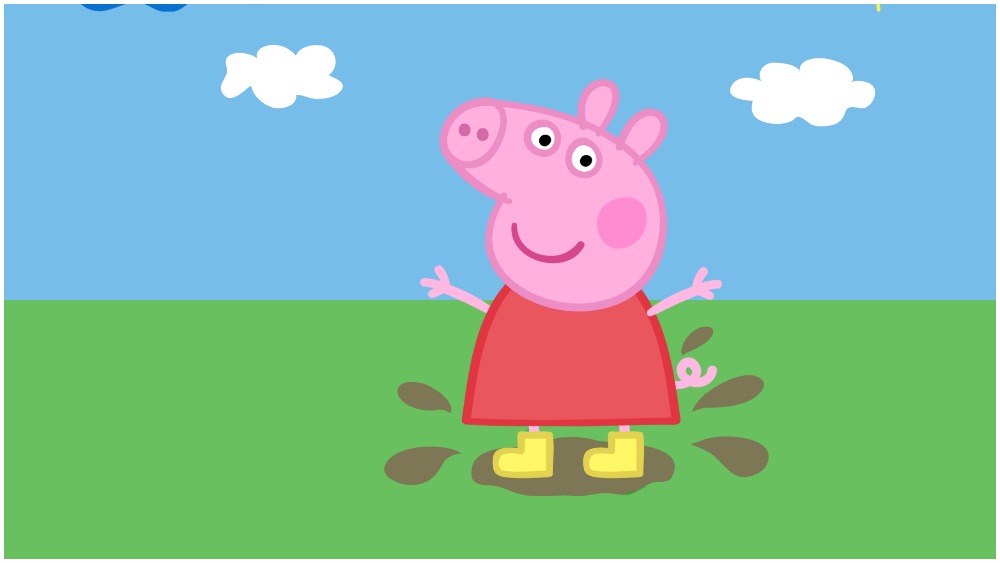
    The open letter, widely reported by sources such as Variety in June 2026, did not explicitly name the studio in its initial public release. However, subsequent reports and industry whispers quickly identified Hasbro as the primary target. The allegations centered on Hasbro’s supposed attempts to secure broad, often perpetual, rights to use child actors’ voices for AI replication, particularly for popular animated series like ‘Peppa Pig’.

    Hasbro, a global play and entertainment company, owns Entertainment One (eOne), which produces ‘Peppa Pig’. The company’s alleged practices raised immediate alarms among performers’ unions, talent agencies, and child advocacy groups. Concerns included the potential for child actors’ voices to be used without additional compensation, future consent, or clear limitations on how the AI-generated voice might be employed.

    The ‘Peppa Pig’ Context

    ‘Peppa Pig’ is a globally recognized animated television series, primarily aimed at preschool children. The voice actors for characters like Peppa and George are often young children themselves. The nature of these roles means that child actors are frequently replaced as their voices mature. This turnover, combined with the long-term commercial value of such franchises, creates an incentive for studios to seek methods of vocal continuity.

    AI voice replication offers a potential solution to this challenge, allowing a character’s voice to remain consistent even as the original child actor grows older. However, this technological solution introduces a complex array of ethical and labor considerations, particularly when applied to minors who may not fully comprehend the long-term implications of such agreements.

    The Open Letter: A Call for Protection

    The open letter represented a unified stance from a broad coalition of entertainment professionals. Signatories included prominent actors, voice artists, talent agents, and legal experts specializing in entertainment law. The letter articulated several key demands and concerns:

    • Informed Consent: The letter emphasized that consent for AI voice usage, particularly from minors, must be fully informed, specific, and revocable.
    • Fair Compensation: It argued for fair and ongoing compensation for any use of an AI-replicated voice, extending beyond the initial recording session.
    • Usage Limitations: Demands included clear limitations on the scope, duration, and context in which an AI-generated voice could be used, preventing its deployment in new projects or scenarios without explicit approval.
    • Child Protection: A central theme was the protection of child actors, who are often more susceptible to exploitative contractual clauses due to their age and lack of comprehensive legal understanding.

    The letter served as a powerful declaration that the industry would not tolerate what it perceived as an attempt to bypass traditional labor agreements and exploit emerging technologies at the expense of young talent.

    The Role of Unions and Agencies

    Talent agencies and actors’ unions, such as SAG-AFTRA in the United States and Equity in the UK, played a significant role in organizing and amplifying the open letter. These organizations have been at the forefront of negotiating new terms for AI usage across the entertainment industry, particularly following major strikes in 2023 that addressed AI concerns.

    The open letter can be seen as a direct extension of these ongoing efforts, signaling that the issue of AI rights for child actors is a non-negotiable point. Agencies expressed concerns that broad AI clauses could significantly devalue the future earning potential of their young clients, making it harder for them to secure new roles if their voice can be endlessly replicated.

    Ethical Dimensions of AI Voice Replication

    The debate extends beyond mere contractual terms into deeper ethical considerations. The replication of a human voice, especially a child’s, raises questions about identity, ownership, and the very essence of performance.

    Loss of Control and Identity

    When a child’s voice is replicated by AI, the child effectively loses control over a fundamental aspect of their identity and artistic expression. The AI-generated voice could be used in contexts the child or their guardians did not approve of, or even in perpetuity, long after the child has moved on from acting.

    Exploitation of Minors

    Minors are legally recognized as having limited capacity to enter into contracts, necessitating adult supervision and protection. Critics argue that demanding broad AI rights from child actors constitutes a form of exploitation, as these young performers may not fully grasp the implications of signing away perpetual rights to their vocal identity.

    Impact on Future Careers

    If a studio can generate a child’s voice using AI, the need for new child actors to voice subsequent seasons, spin-offs, or related media could diminish. This could severely limit career opportunities for aspiring young performers, creating a bottleneck in an already competitive industry.

    Broader Industry Implications

    The controversy surrounding Hasbro and child actors’ AI voice rights is not an isolated incident. It reflects a much broader industry-wide struggle to define the boundaries and ethical parameters of AI in creative content creation.

    The 2023 Strikes and AI

    The Writers Guild of America (WGA) and SAG-AFTRA strikes of 2023 prominently featured AI as a central point of contention. Writers fought for protections against AI generating scripts based on their work, while actors sought safeguards against AI replicating their likenesses and voices without consent or fair compensation.

    The resolutions of these strikes established some precedents for AI usage, but the specifics regarding child actors and voice replication remain a rapidly evolving area. The open letter indicates that existing protections may not be sufficient or are being circumvented by certain studios.

    The Future of Voice Acting

    The rise of sophisticated AI voice synthesis technology presents an existential challenge to the voice acting profession. While AI can create highly realistic voices, the human element of performance, nuance, emotion, and unique interpretation, remains invaluable. The concern is that studios might prioritize cost savings through AI over the artistic contributions of human performers.

    The Need for New Legislation and Guild Agreements

    Industry stakeholders, including unions, legal experts, and ethical AI advocates, are increasingly calling for new legislation and updated collective bargaining agreements to address AI’s impact. These frameworks would aim to:

    • Establish clear definitions of AI-generated content.
    • Mandate explicit, time-limited consent for AI usage.
    • Ensure fair and residual compensation for AI-replicated performances.
    • Provide mechanisms for dispute resolution and enforcement.
    • Protect the rights and intellectual property of performers, especially minors.

    The Path Forward

    The open letter to Hasbro represents a critical moment in the ongoing dialogue about AI and the entertainment industry. It forces a public confrontation over practices that many view as unethical and exploitative.

    Studio Accountability

    The pressure from nearly 1,000 industry professionals will likely compel Hasbro, and other studios contemplating similar practices, to re-evaluate their strategies. The reputational risk associated with being perceived as exploiting child actors or undermining creative labor is substantial.

    Empowering Child Actors and Guardians

    The controversy also serves to educate and empower child actors and their guardians. It highlights the importance of scrutinizing contractual clauses related to AI and seeking independent legal advice before agreeing to broad terms.

    Shaping Industry Standards

    Ultimately, this dispute will contribute to shaping new industry standards for AI usage. It reinforces the principle that technological advancement should not come at the expense of human dignity, fair labor practices, or the protection of vulnerable individuals. The entertainment world watches as this critical issue unfolds.

    Parents gathered. Agents gathered. Performers gathered.

    Protection.

    FAQ

    What is the controversy regarding child actors and AI voice cloning?

    The controversy involves allegations that a major studio, reportedly Hasbro, demanded child actors consent to the perpetual use of their voices for AI replication, particularly for shows like ‘Peppa Pig’. This raised ethical concerns about consent, compensation, and the long-term impact on young performers.

    Which studio was targeted by the open letter against AI voice usage for child actors?

    While the open letter did not explicitly name the studio, subsequent reports indicated that Hasbro was the primary target. The company allegedly sought broad AI voice rights for child performers involved in its productions, including the popular ‘Peppa Pig’ series.

    Why are entertainment professionals concerned about AI voice replication for minors?

    Professionals are concerned about the ethical implications, including lack of informed consent from minors, insufficient compensation for future AI voice usage, potential loss of control over a child’s identity, and the negative impact on future job opportunities for young actors if their voices can be endlessly generated by AI.

    What protections are being sought for child actors regarding AI voice cloning?

    The open letter and industry advocates are calling for robust protections such as fully informed and revocable consent, fair and ongoing compensation for any AI-generated voice usage, clear limitations on how and where an AI voice can be used, and stronger child protection clauses in contracts.

    How does this issue relate to the broader AI debates in the entertainment industry?

    This issue is part of the larger industry-wide debate sparked by the 2023 WGA and SAG-AFTRA strikes, which highlighted concerns about AI’s impact on creative labor. It underscores the need for comprehensive contractual and legislative frameworks to govern AI’s role in content creation, ensuring fair practices and protecting human talent.

  • Alannah Keyser Fired from ‘Love Island USA’ After N-Word Use

    Alannah Keyser Fired from ‘Love Island USA’ After N-Word Use

    Alannah Keyser, a contestant participating in Season 8 of ‘Love Island USA,’ was removed from the show on June 26, 2026. Her departure stems from the alleged use of a racial slur, specifically the N-word, during her time on the reality dating series. This incident marks the second time a participant has been fired from the current season for similar behavior.

    The removal of Keyser occurred during the Casa Amor segment of ‘Love Island USA.’ This specific phase of the show introduces new contestants to test existing relationships. Details surrounding the exact timing and context of Keyser’s alleged remarks are still emerging.

    Second Contestant Removed This Season

    Keyser’s firing follows an earlier incident in Season 8 involving another contestant. That individual was also removed from the show for the alleged use of the N-word. The back-to-back removals highlight the production’s stance on offensive language.

    Producers for ‘Love Island USA’ have a stated policy against hate speech and discriminatory behavior. The show’s guidelines typically include provisions for immediate removal for violations of these standards. The incidents underscore the challenges of monitoring contestant behavior in a reality television environment.

    Developing Story: Details Still Emerging

    This is a developing story. Further information regarding the specifics of Alannah Keyser’s alleged comments and the full sequence of events leading to her removal is anticipated. Official statements from Peacock, the streaming platform for ‘Love Island USA,’ or ITV Entertainment, the production company, have not yet been released as of June 26, 2026.

    The rapid nature of reality television production often means that disciplinary actions are swift. The show’s format, which airs multiple episodes per week, necessitates quick responses to any controversies involving its cast members. The ongoing situation with Keyser is expected to be addressed in upcoming episodes or through official channels.