Tag: Comedy

  • Carlos Mencia Faces 11 Years for Tax Evasion, Inside the Defense’s Fight Against D.A. ‘Overreach’

    Carlos Mencia Faces 11 Years for Tax Evasion, Inside the Defense’s Fight Against D.A. ‘Overreach’

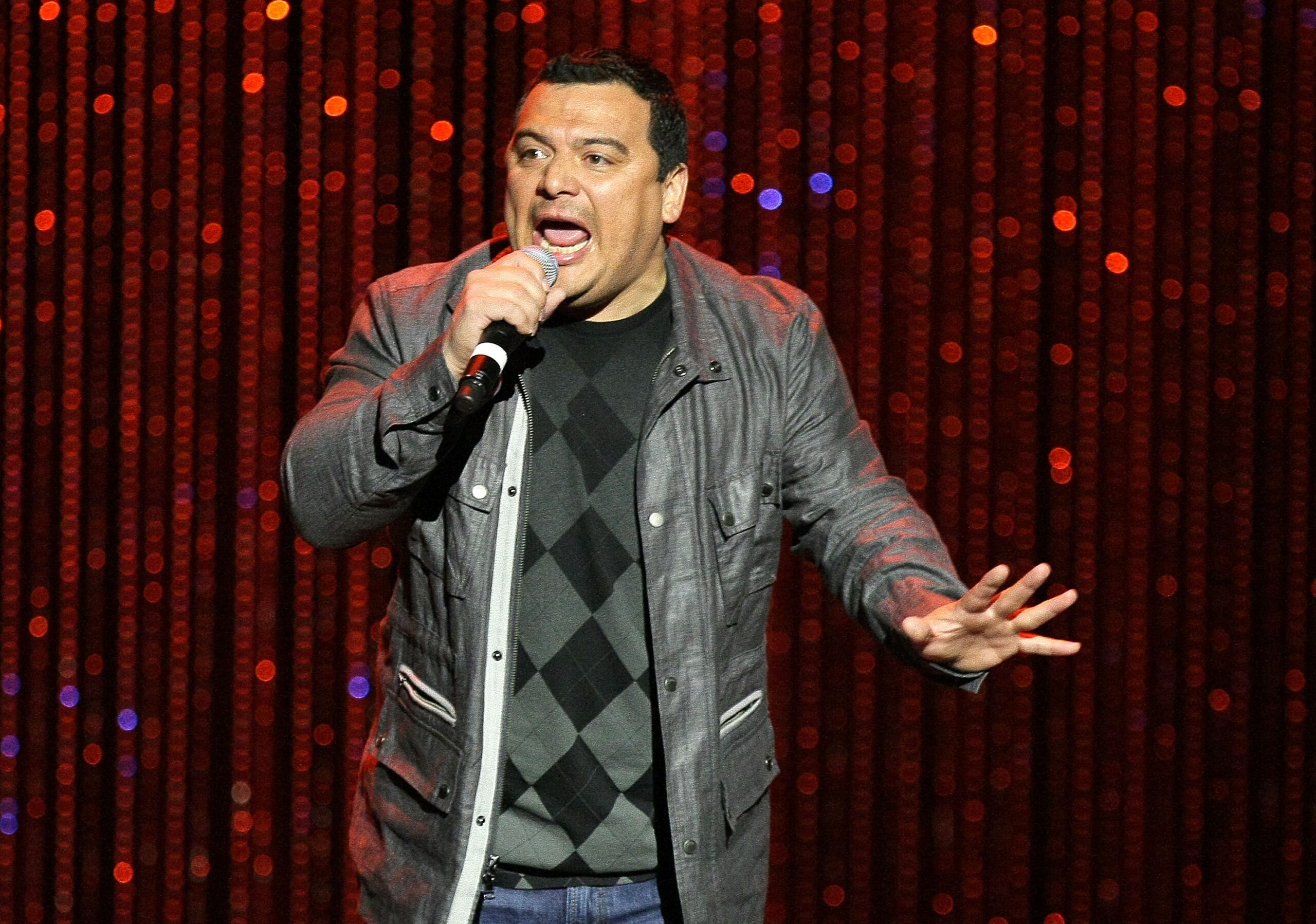
    On June 23, 2026, comedian Carlos Mencia stood before a judge and entered a formal not guilty plea against severe tax evasion charges. The allegations carry a staggering maximum sentence of 11 years in prison. Shortly after the arraignment concluded, Mencia posted bail. He walked out of the courthouse as a free man awaiting trial. But the legal war had only just begun. His legal team immediately went on the offensive. They bypassed standard diplomatic statements and directly accused the District Attorney of gross prosecutorial overreach.

    This is not a simple audit. This is a criminal prosecution. The state is seeking prison time for a prominent entertainer. The charges signal a highly aggressive stance by local prosecutors regarding high-net-worth individuals and their financial obligations. The battle lines are now drawn in a case that will test the limits of celebrity accountability.

    The Arraignment and the 11-Year Threat

    The courtroom proceedings were brief but highly consequential. Arraignments in criminal tax cases are procedural milestones. They set the stage for the months of discovery and motion practice that follow. Mencia’s appearance was mandatory. The entry of the not guilty plea was expected.

    The Mathematics of the Sentence

    The headline number is 11 years. This figure represents the absolute statutory maximum if the prosecution secures convictions on all counts and a judge imposes consecutive sentences. In California, standard tax evasion under Section 19706 of the Revenue and Taxation Code can carry up to a year in county jail or state prison per count.

    When prosecutors stack multiple years of unfiled returns or fraudulent filings, the potential time multiplies. Furthermore, white-collar crime enhancements, often applied under Penal Code 186.11 when the disputed amount exceeds certain high-dollar thresholds, can add several mandatory years to a base sentence. The 11-year threat is a calculated mechanism. It is designed to apply maximum pressure on the defendant.

    Posting Bail and Pre-Trial Freedom

    Mencia did not remain in custody. He posted bail immediately following the hearing. Bail in financial crimes is typically tied to the alleged amount of evaded taxes and the perceived flight risk of the defendant.

    By posting bail, Mencia secures the ability to participate actively in his own defense. He can meet with forensic accountants. He can review decades of financial ledgers. He can continue to work and generate income while the legal process slowly grinds forward. Pre-trial freedom is a critical tactical advantage in complex white-collar litigation.

    The Defense Strategy: Claiming Prosecutorial Overreach

    The defense did not wait for the dust to settle. They immediately launched a public counter-narrative. They labeled the District Attorney’s actions as “overreach.” This specific terminology is not accidental. It is the cornerstone of a classic white-collar criminal defense strategy.

    Criminal Intent vs. Civil Negligence

    The core of the defense’s argument relies on the distinction between civil liability and criminal intent. Tax law is notoriously complex. Mistakes happen frequently. A misplaced ledger, a misunderstanding of corporate tax structuring, or reliance on a negligent accountant can result in massive tax liabilities.

    However, making a mistake is not a crime. Negligence is penalized with civil fines and interest by the Franchise Tax Board or the IRS. To secure a criminal conviction and put a man in prison, the District Attorney must prove mens rea. They must prove the guilty mind. The prosecution must demonstrate beyond a reasonable doubt that Mencia intentionally and willfully schemed to defraud the government.

    The Blame Shift to Financial Handlers

    Celebrities rarely file their own taxes. They employ business managers, CPAs, and corporate attorneys. When a tax evasion case goes to trial, the defense often points the finger at these financial handlers.

    If the defense can show that Mencia trusted licensed professionals to handle his obligations, and those professionals failed, the element of willful criminal intent evaporates. The D.A.’s office knows this defense is coming. Their investigation will have focused heavily on communications between Mencia and his accountants, looking for direct orders to hide income.

    The Trajectory of a Comedy Empire

    To understand the complexity of Mencia’s financial history, one must look at the trajectory of his career. Income for touring comedians is highly volatile. This volatility creates unique tax vulnerabilities.

    The Comedy Central Peak

    Between 2005 and 2008, Carlos Mencia was one of the highest-earning comedians in the world. His television show, Mind of Mencia, was a flagship program for Comedy Central. He sold out arenas. He moved massive volumes of merchandise.

    During peak earning years, entertainers often set up complex corporate structures. They form LLCs and S-Corps to manage revenue streams. Money flows through agencies, management companies, and business managers before it ever reaches the artist. This infrastructure requires flawless accounting.

    The Contraction and the Lagging Tax Trap

    Following highly publicized controversies within the stand-up community, most notably accusations of joke theft spearheaded by Joe Rogan, Mencia’s career contracted. The arena tours scaled down to theater and club appearances.

    This contraction creates the classic celebrity tax trap. Tax liabilities often lag behind income. A massive tax bill from a peak earning year might come due during a lean year. If the funds have already been spent or poorly invested, the entertainer cannot pay the bill. What begins as an inability to pay can sometimes spiral into active concealment, which triggers criminal investigations.

    The District Attorney’s Playbook

    The Los Angeles County District Attorney’s office does not pursue criminal tax evasion charges lightly. These cases are expensive to prosecute. They require thousands of hours of forensic accounting. When they choose to move forward, they do so with a specific agenda.

    The High-Profile Deterrent

    Prosecutors use high-profile figures as public billboards. Prosecuting an unknown business owner for tax evasion might warrant a paragraph in a local newspaper. Prosecuting a famous comedian generates international headlines.

    These headlines serve a vital function for the state. They generate compliance from the general public. When citizens see a wealthy celebrity facing 11 years in prison for tax issues, voluntary tax compliance rates temporarily spike. The District Attorney is leveraging Mencia’s fame to send a message to every taxpayer in the jurisdiction.

    Collaboration with Tax Authorities

    Local prosecutors do not work in a vacuum. A case of this magnitude involves deep collaboration with state tax authorities, specifically the California Franchise Tax Board (FTB).

    The FTB possesses sweeping powers to audit, garnish wages, and seize assets. When their civil enforcement mechanisms fail to produce results, or when they uncover evidence of intentional fraud, they refer the case to the District Attorney’s criminal division. The current charges are the result of a long, quiet investigation that likely spanned several years before the arraignment.

    Historical Precedents of Celebrity Accountability

    Mencia is not the first entertainer to face the full weight of the government over unpaid taxes. The history of show business is littered with high-profile tax battles. These precedents loom large over the current proceedings.

    The Wesley Snipes Standard

    The most famous modern example is actor Wesley Snipes. Snipes was convicted of willful failure to file federal income tax returns. He ultimately served time in a federal prison in Pennsylvania.

    The Snipes case proved that the government is willing to incarcerate major stars. It destroyed the myth that celebrities could simply write a check to make criminal charges disappear. The District Attorney’s office is undoubtedly aware of this precedent. They know that a conviction is possible, even against a well-funded defense team.

    Negotiated Settlements and Restitution

    Not all celebrity tax cases end in prison. Many end in quiet pleas and massive restitution payments. Country music legend Willie Nelson famously negotiated with the IRS, even releasing an album to help pay off his massive tax debt.

    The reality of criminal tax prosecution is that the government ultimately wants its money. While the threat of 11 years in prison is real, it is also a negotiating tactic. The prosecution wants leverage. They want the defendant to feel the crushing weight of potential incarceration, forcing them to liquidate assets, pay the back taxes, pay the massive penalties, and accept a lesser plea.

    The Long Road to Trial

    The arraignment is only the first step. The road to an actual trial is long, tedious, and highly technical. The public will see very little of the day-to-day battle.

    Discovery and Forensic Accounting

    The case now enters the discovery phase. The District Attorney must turn over every piece of evidence they intend to use at trial. This will include bank records, tax returns, emails, text messages, and testimonies from former accountants.

    Mencia’s defense team will deploy their own forensic accountants. They will audit the government’s audit. They will look for mathematical errors. They will look for proof that Mencia was unaware of any fraudulent activity. This process will take months, if not years.

    The Prospect of a Plea Deal

    Despite the aggressive rhetoric from both sides, the most statistically likely outcome is a plea agreement. Trials are unpredictable. Trials are expensive. A trial exposes the District Attorney to the risk of an embarrassing acquittal. A trial exposes Mencia to the risk of an 11-year prison sentence.

    Behind closed doors, negotiations will eventually begin. The defense will offer a guilty plea to a lesser misdemeanor charge in exchange for no jail time and full financial restitution. The prosecution will demand a felony plea and a massive financial penalty. They will meet somewhere in the middle.

    The Broader Impact on the Entertainment Industry

    The charges against Mencia send a shockwave through the management agencies and accounting firms of Hollywood. It is a stark reminder of the state’s power.

    Auditing the Managers

    When a celebrity is indicted, their peers take notice. Business managers across Los Angeles will undoubtedly receive panicked phone calls from their clients this week. Entertainers will demand secondary audits. They will demand proof that their corporate structures are compliant.

    The prosecution of one star forces the entire industry to tighten its accounting practices. The District Attorney’s message is received loud and clear. No amount of fame provides immunity from the tax code.

    The Final Reckoning

    The legal machinery is now in motion. The state has made its accusation. The defendant has made his plea. The defense has drawn its line in the sand, crying overreach. Now, the burden of proof shifts.

    The state must prove the intent. The defense must prove the ignorance. The accountants will review the ledgers. The lawyers will file the motions. The judge will set the dates. Accountability.
  • Adam McKay on Will Ferrell Split and Axed ‘Talladega Nights 2’ Plot – Reconciliation Possible?

    Adam McKay on Will Ferrell Split and Axed ‘Talladega Nights 2’ Plot – Reconciliation Possible?

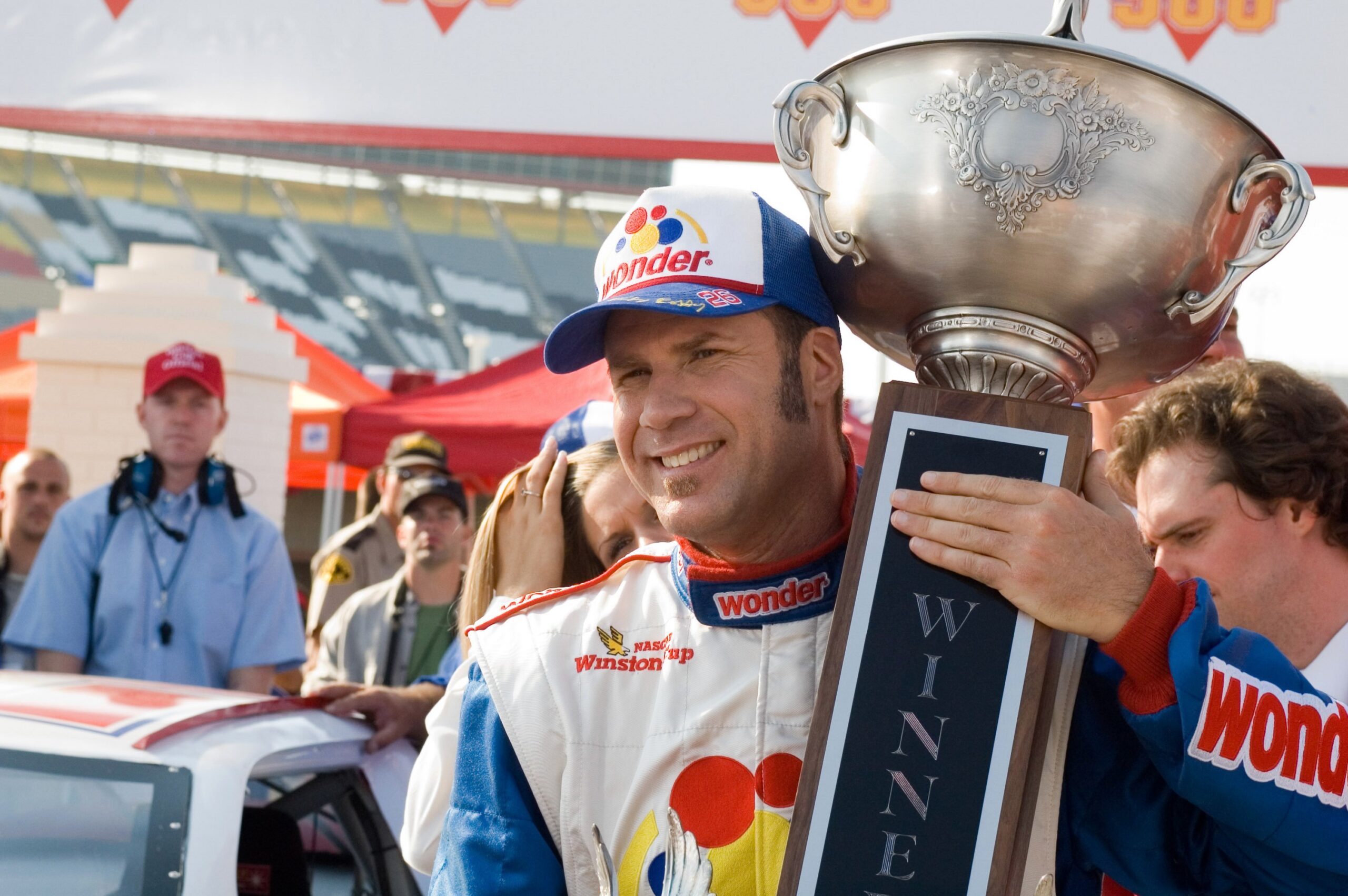
    Director Adam McKay recently revealed details about an unproduced sequel to 2006’s ‘Talladega Nights: The Ballad of Ricky Bobby’ and commented on his 2019 professional separation from long-time creative partner Will Ferrell, stating he is open to working together again.

    The Unproduced ‘Talladega Nights 2’ Script

    Adam McKay confirmed that a script for a sequel to ‘Talladega Nights: The Ballad of Ricky Bobby’ was indeed written. The director, known for his collaborations with Will Ferrell, provided insight into the potential storyline for the unmade film. This revelation offers a glimpse into a project that never saw the light of day, despite the original film’s commercial success and enduring popularity.

    The proposed plot for ‘Talladega Nights 2’ centered on Ricky Bobby’s life years after his racing career. According to McKay, the character would have been depicted as a washed-up former NASCAR driver. This narrative direction would have explored themes of past glory and present struggles, a common trope in sports-related sequels. The script aimed to revisit the beloved character in a new phase of his life, facing different challenges than those in the original.

    McKay elaborated on the concept, suggesting that Ricky Bobby would have been working at a car wash. This setting would provide a stark contrast to his previous life as a celebrated racing champion. The character’s fall from grace would have been a central element of the sequel’s comedic and dramatic tension. Such a premise would have allowed for both humor derived from Ricky Bobby’s fish-out-of-water situation and a deeper exploration of his character arc.

    The director did not specify the exact timeline for when this script was developed or why it ultimately did not move forward. However, the existence of a completed script indicates serious consideration for a follow-up to the 2006 comedy hit. ‘Talladega Nights’ grossed over $163 million worldwide upon its release, solidifying its place as a successful R-rated comedy.

    The 2019 Professional Split with Will Ferrell

    Adam McKay addressed his professional separation from actor Will Ferrell, which occurred in 2019. The split marked the end of a highly successful creative partnership that spanned decades and produced numerous hit films. McKay described the parting of ways as a “shame,” indicating a lingering sense of regret or disappointment over the dissolution of their collaboration.

    The professional breakup between McKay and Ferrell had significant implications for their joint production company, Gary Sanchez Productions. Founded in 2006, the company was responsible for producing a string of successful comedies, including ‘Anchorman 2: The Legend Continues,’ ‘The Other Guys,’ and ‘Step Brothers.’ The company also ventured into television, producing shows like ‘Eastbound & Down’ and ‘Succession.’

    The primary reason cited for the split at the time was creative differences and a shift in their individual career paths. While both individuals continued to work in Hollywood, their joint ventures largely ceased. The end of Gary Sanchez Productions in 2019 symbolized the formal conclusion of their partnership in many respects. This event was widely reported in entertainment news outlets, given the prominence of both figures in the film industry.

    McKay’s recent comments indicate that the separation remains a notable point in his career narrative. His use of the word “shame” suggests a personal impact beyond just the professional. The partnership had been built on a foundation of shared comedic sensibilities and a long-standing friendship, making the split particularly poignant for fans and industry observers.

    Openness to Future Collaboration

    Despite the 2019 professional separation, Adam McKay expressed openness to the idea of working with Will Ferrell again. This statement offers a potential pathway for reconciliation between the two influential figures in comedy filmmaking. McKay’s willingness to consider future projects together suggests that the door is not entirely closed on their creative partnership.

    The director’s comments indicate a desire to move past the circumstances that led to their initial split. While the specific details of a potential future collaboration were not outlined, the sentiment itself is notable. This openness contrasts with the definitive nature of their 2019 breakup, which many perceived as a permanent end to their joint work.

    A reunion between McKay and Ferrell would be highly anticipated by fans of their previous work. Their films together are often characterized by their unique brand of improvisational humor, sharp social commentary, and memorable characters. The prospect of them creating new content together could reignite interest in their collaborative dynamic.

    The statement comes at a time when both McKay and Ferrell have continued to pursue successful individual careers. McKay has earned critical acclaim for films like ‘The Big Short’ (2015) and ‘Don’t Look Up’ (2021), while Ferrell has maintained his status as a leading comedic actor. A potential future collaboration would likely draw on their evolved individual experiences and perspectives.

    The entertainment industry often sees creative partners reunite after periods of separation. The possibility of McKay and Ferrell following this pattern remains a topic of speculation and interest. McKay’s recent remarks provide the first concrete indication from either party that such a reunion is not out of the question.

    The Legacy of McKay and Ferrell’s Partnership

    The collaboration between Adam McKay and Will Ferrell profoundly impacted modern American comedy. Their joint efforts, primarily through Gary Sanchez Productions and their directorial/acting pairings, redefined comedic filmmaking for a generation. Their films often blended absurd humor with incisive satire, tackling various societal topics through a unique lens.

    Beginning with ‘Anchorman: The Legend of Ron Burgundy’ in 2004, their partnership quickly established a distinctive style. This film, directed by McKay and starring Ferrell, became a cult classic and spawned a successful sequel. It showcased their ability to create memorable characters and quotable dialogue that permeated popular culture.

    Subsequent films like ‘Talladega Nights: The Ballad of Ricky Bobby’ (2006) and ‘Step Brothers’ (2008) further cemented their reputation. These movies demonstrated a consistent ability to deliver both commercial success and critical appreciation within the comedy genre. They pushed boundaries with their improvisational techniques and often explored themes of masculinity, ambition, and dysfunctional relationships.

    Beyond directing and acting, their work as producers under Gary Sanchez Productions expanded their influence across film and television. They nurtured other comedic talents and brought a distinctive voice to a wide array of projects. The company’s output often reflected the duo’s shared comedic sensibilities, even in projects where they were not directly involved as director or actor.

    The impact of their partnership is evident in the continued discussion of their split and the ongoing speculation about a potential reunion. Their body of work remains a significant reference point for contemporary comedy. The enduring interest in their collaboration underscores its lasting legacy in Hollywood.

    Future Prospects for Both Artists

    Since their 2019 split, both Adam McKay and Will Ferrell have continued to build substantial careers. McKay has transitioned more prominently into directing and producing projects with a strong social and political commentary. His films ‘The Big Short’ and ‘Don’t Look Up’ garnered Academy Award nominations, showcasing his ability to blend complex themes with accessible storytelling.

    McKay’s recent work often tackles urgent global issues, from the 2008 financial crisis to climate change and political polarization. This shift indicates a continued evolution in his filmmaking approach, moving beyond pure comedy into more dramatic and satirical territory. His production company, Hyperobject Industries, continues to develop projects that align with this new focus.

    Will Ferrell, meanwhile, has continued to star in and produce comedic films and television series. He has maintained his status as one of Hollywood’s leading comedic actors, appearing in projects such as ‘Eurovision Song Contest: The Story of Fire Saga’ (2020) and ‘Spirited’ (2022). Ferrell has also expanded his production efforts through his company, Gloria Sanchez Productions, a spin-off from the original Gary Sanchez.

    Ferrell’s career continues to be defined by his unique brand of physical comedy and character-driven performances. He remains a sought-after talent for both mainstream comedies and more nuanced roles. His recent ventures also include voice acting and television production, demonstrating a diversified portfolio of work.

    Both artists have proven their ability to thrive independently, post-split. However, the potential for a reunion remains a compelling narrative. The creative synergy they once shared is a powerful draw, and McKay’s recent comments suggest that the possibility of rekindling that synergy is not entirely off the table. The future for both remains dynamic, whether together or apart.

    Directors spoke. Actors spoke. Industry analysts spoke.

    Hollywood.

  • Leslie Jones’ SNL Frustration: Typecast as ‘Angry and Beating Up People’

    Leslie Jones’ SNL Frustration: Typecast as ‘Angry and Beating Up People’

    Leslie Jones’ ‘SNL’ Experience: A Story of Creative Constraint

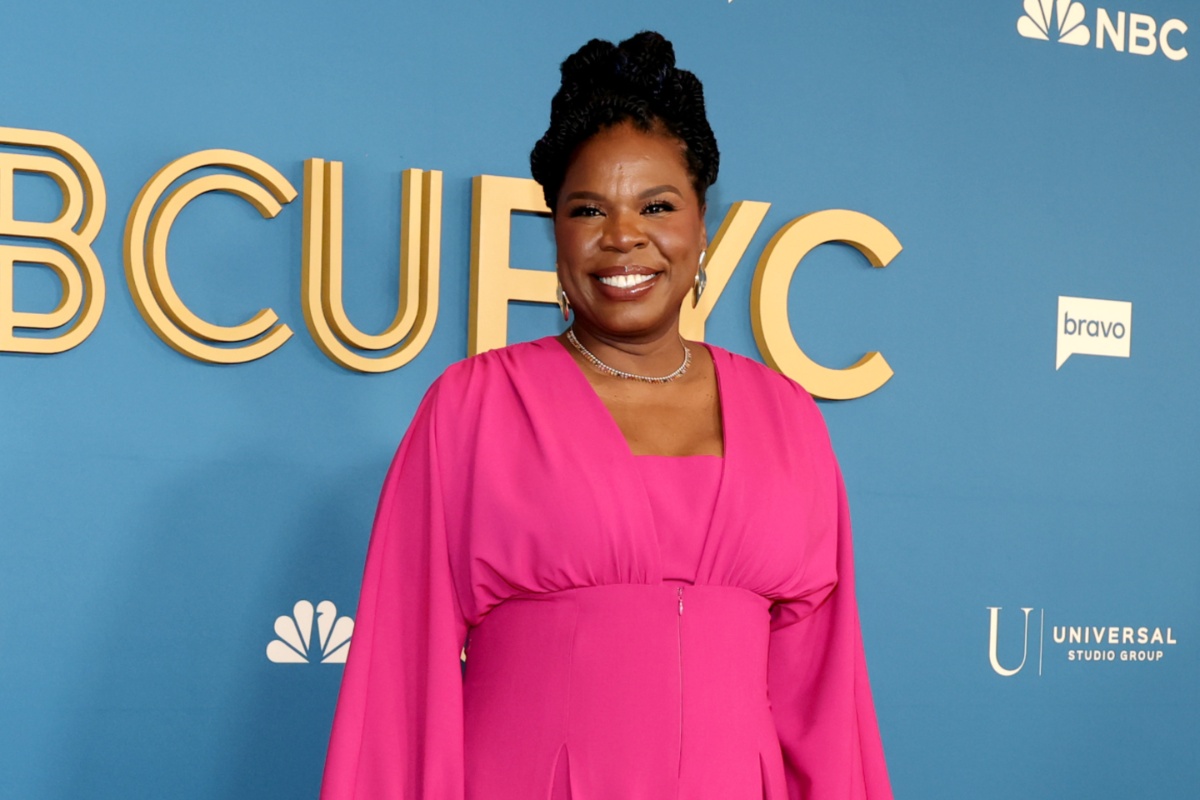
    Leslie Jones, a prominent comedian and actress, recently articulated her frustration regarding her experiences as a cast member on NBC’s Saturday Night Live. Jones stated that during her tenure, she felt consistently typecast into roles that depicted her as an ‘angry’ woman or a character engaged in physical confrontations. This sentiment was shared during an appearance on ‘The Daily Show’, where she elaborated on the creative limitations she faced within the iconic sketch comedy program.

    Her comments resonate with broader discussions about representation and the types of roles offered to Black female performers in the entertainment industry. Jones’s candid remarks underscore a common challenge where performers, particularly those from marginalized groups, are often confined to a narrow range of character types, hindering their artistic versatility.

    Joining the Iconic ‘Saturday Night Live’

    Leslie Jones initially joined Saturday Night Live as a writer in 2014. Her transition to a featured player later that year, and then a full cast member in 2015, marked a significant moment for the show. She was one of the few Black women to join the main cast in the show’s history, bringing a distinct comedic voice and physical presence to the live sketch format.

    Her early appearances, particularly on the ‘Weekend Update’ segment, quickly garnered attention. Jones often delivered personal anecdotes with high energy and unfiltered commentary, establishing a unique rapport with the audience. These segments showcased her stand-up comedy roots and her ability to command a stage.

    The Emergence of Typecasting

    Despite her initial success and popular reception, Jones observed a pattern in the characters she was asked to portray. She reported a recurring theme of being cast as characters who were either overtly angry, aggressive, or involved in physical comedy that often leaned into stereotypes. This trend became a source of significant creative discontent for the comedian.

    The typecasting limited the range of her performances, despite her demonstrated ability to deliver diverse comedic styles. Jones expressed a desire to explore more nuanced characters and situations, moving beyond the confines of what she perceived as a restrictive comedic archetype.

    ‘The Daily Show’ Revelation

    Jones’s public comments on ‘The Daily Show’ in 2026 provided a platform for her to detail these frustrations. She described the recurring nature of the roles, noting that the predictability became a source of irritation. This public discussion brought the issue of typecasting at a major comedic institution into the open.

    Her interview highlighted the internal struggles performers can face when their creative aspirations clash with the perceived expectations or writing tendencies of a production team. Jones’s honesty offered insight into the often-unseen pressures within high-profile entertainment roles.

    Impact on Creative Expression

    Typecasting can significantly impede an artist’s creative growth and public perception. For Jones, being consistently cast as ‘angry’ characters meant that audiences might only associate her with a limited emotional range, potentially overshadowing her broader talents in acting and comedy. This can create a cycle where future roles offered outside of SNL also fall into similar patterns.

    The comedian sought opportunities to break free from these molds, aiming to demonstrate her versatility. Her work in films like Ghostbusters (2016) and her stand-up specials often showcased a wider spectrum of her comedic persona, contrasting with the specific roles she described at SNL.

    The ‘Saturday Night Live’ Writing Process

    Saturday Night Live operates on a demanding schedule, with new sketches written and rehearsed weekly. The writing process involves numerous writers pitching ideas, often tailored to the strengths and public personas of the current cast members. This system, while efficient for weekly production, can inadvertently lead to typecasting if writers consistently lean on established character tropes for individual performers.

    The show’s long history includes instances where cast members have felt their talents were not fully utilized or that they were pigeonholed. These internal dynamics are part of the complex ecosystem of a live sketch comedy show with a large ensemble cast and a rapid production cycle.

    Broader Industry Context: Representation and Stereotypes

    Jones’s experience is not isolated. The entertainment industry has a documented history of typecasting, particularly for actors from underrepresented groups. Black women, for example, have often been relegated to roles that perpetuate stereotypes, such as the ‘sassy Black woman’ or the ‘angry Black woman.’

    These portrayals can have significant cultural implications, reinforcing harmful stereotypes in the public consciousness. Activists and industry professionals continually advocate for more diverse and nuanced character development for all actors, pushing for a broader spectrum of human experience to be represented on screen.

    Leslie Jones’ Post-SNL Career

    Since her departure from Saturday Night Live in 2019, Leslie Jones has pursued a variety of projects, showcasing her range beyond the constraints she described. She has hosted game shows, appeared in dramatic roles, and continued her successful stand-up comedy career.

    Her hosting of the BET Awards and her role in the film Coming 2 America (2021) allowed her to present different facets of her comedic and acting talents. These post-SNL endeavors demonstrate her commitment to diversifying her artistic portfolio and challenging the typecasting she encountered.

    The Ongoing Conversation

    The conversation initiated by Leslie Jones about her SNL experience contributes to an ongoing dialogue within the entertainment industry regarding creative freedom, representation, and the ethical responsibilities of writers and producers. Her willingness to speak openly about these challenges encourages other performers to share their experiences and advocates for greater change.

    The discussion extends beyond individual shows, prompting reflection on how character development and casting decisions are made across television and film. It reinforces the importance of diverse writing rooms and production teams that can offer varied perspectives and break away from conventional, often stereotypical, characterizations.

    Performers speak. Audiences listen. Industry reflects.

    Change occurs.

    FAQ

    • What did Leslie Jones say about her time on Saturday Night Live?
      Leslie Jones stated that she felt frustrated by being consistently typecast into roles that depicted her as an ‘angry’ woman or a character engaged in physical altercations during her tenure on NBC’s Saturday Night Live. She shared these sentiments during an appearance on ‘The Daily Show’ in 2026.
    • When was Leslie Jones a cast member on SNL?
      Leslie Jones joined Saturday Night Live as a writer in 2014, became a featured player later that year, and was promoted to a full cast member in 2015. She departed from the show in 2019.
    • Why is typecasting a problem for comedians like Leslie Jones?
      Typecasting can limit a comedian’s creative expression and artistic growth, forcing them into a narrow range of roles. For Leslie Jones, being consistently portrayed as ‘angry’ characters potentially overshadowed her versatility and reinforced stereotypes, affecting public perception and future career opportunities.
    • Has Leslie Jones worked on other projects since leaving SNL?
      Yes, since leaving Saturday Night Live in 2019, Leslie Jones has undertaken various projects, including hosting game shows, appearing in films such as Coming 2 America (2021), and continuing her stand-up comedy career, all of which demonstrate her diverse talents.
    • What broader issues do Leslie Jones’s comments highlight?
      Leslie Jones’s comments highlight broader industry issues concerning representation, the perpetuation of stereotypes, and the creative limitations faced by performers, particularly Black women, in entertainment. Her experience underscores the need for more nuanced character development and diverse writing teams.

  • Will & Grace Creators Honor James Burrows – A Television Legend Remembered

    Will & Grace Creators Honor James Burrows – A Television Legend Remembered

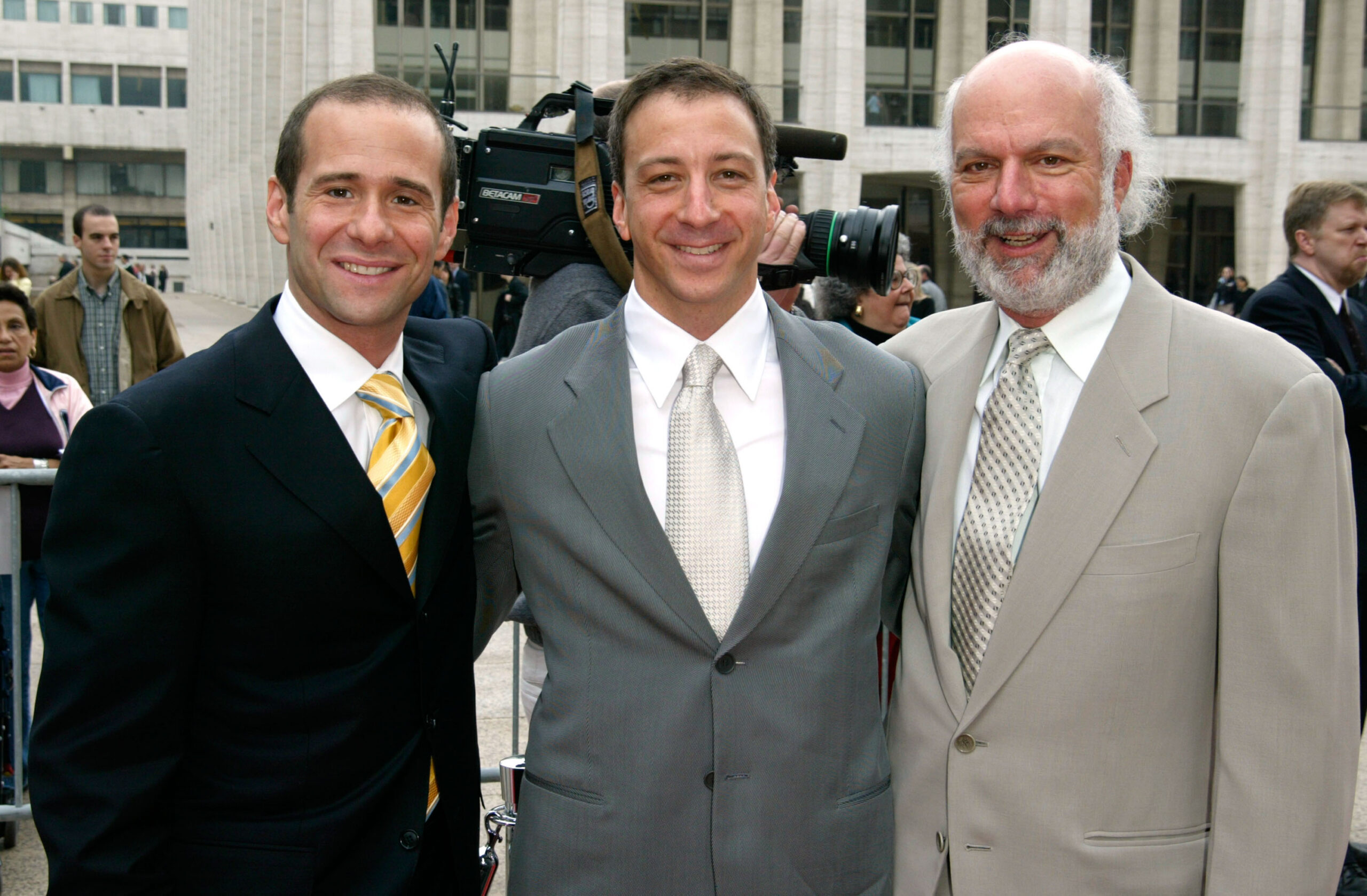
    Max Mutchnick and David Kohan, the acclaimed co-creators of the hit series ‘Will & Grace,’ recently delivered a heartfelt eulogy for legendary television director James Burrows. At a private memorial service held in late 2025, they celebrated Burrows’ profound influence on their careers and his unparalleled contributions to the landscape of television comedy. Their tribute included personal anecdotes and reflections on his meticulous approach to directing, particularly during the formative years of ‘Will & Grace.’

    Burrows, whose career spanned decades, directed episodes for some of the most iconic sitcoms in history, including ‘Taxi,’ ‘Cheers,’ ‘Friends,’ and ‘Will & Grace.’ His distinctive directorial style became synonymous with the multi-camera comedy format. Mutchnick and Kohan’s eulogy offered an intimate perspective from collaborators who witnessed his genius firsthand, detailing his ability to elevate comedic performances and shape the very rhythm of a show.

    The Early Encounters: A Legend’s Influence

    Max Mutchnick and David Kohan first encountered James Burrows as their careers in television writing and producing began to ascend. These initial meetings were more than professional introductions; they were formative experiences that profoundly shaped the creative trajectories of both men. Burrows, already a seasoned veteran, commanded every set with an aura of authority and expertise.

    The creators of ‘Will & Grace’ frequently recounted their initial awe at the prospect of working with a director of Burrows’ stature. He had already helmed pivotal episodes of seminal comedies such as ‘Cheers,’ which ran from 1982 to 1993, and ‘Taxi,’ which aired from 1978 to 1983. This extensive resume positioned him as a living legend within the industry, a figure whose presence could both inspire and, at times, intimidate aspiring talent.

    Mutchnick and Kohan quickly discovered that Burrows’ formidable reputation was entirely justified. His discerning eye for comedic timing, his deep understanding of character dynamics, and his unparalleled ability to orchestrate complex ensemble performances were immediately apparent. These early interactions laid the crucial groundwork for a collaborative relationship that would come to define one of the most successful sitcoms of the late 20th and early 21st centuries.

    Crafting ‘Will & Grace’: Burrows’ Visionary Direction

    James Burrows directed numerous episodes of ‘Will & Grace,’ most notably the pilot episode, which aired in September 1998. He continued his pivotal involvement throughout the show’s original run from 1998 to 2006, and again during its revival from 2017 to 2020. His directorial hand was crucial in establishing the series’ signature fast-paced dialogue, its unique blend of physical comedy, and the undeniable chemistry among its four lead actors: Eric McCormack (Will Truman), Debra Messing (Grace Adler), Megan Mullally (Karen Walker), and Sean Hayes (Jack McFarland).

    Mutchnick and Kohan consistently credited Burrows with helping to define the show’s visual language and its distinctive comedic rhythm. He possessed an innate understanding of how to frame a joke for maximum impact, how to utilize camera blocking to enhance a punchline, and how to create a dynamic and energetic environment for comedic performances. This expertise was particularly vital for a show that relied heavily on verbal sparring, rapid-fire exchanges, and precise physical comedy.

    The collaboration between the creators and Burrows was a testament to his adaptability and unwavering commitment to the material. He was never merely a technician; he functioned as a true creative partner who grasped the intricate nuances of character and story. His directorial decisions frequently amplified the comedic intent of the writers, solidifying ‘Will & Grace’s’ status as a benchmark for modern sitcoms and earning it 18 Primetime Emmy Awards during its initial run.

    A Mentor and a Friend: Personal Tributes from the Eulogy

    Beyond his extensive professional contributions, Max Mutchnick and David Kohan’s eulogy revealed the deep personal connection they shared with James Burrows. They spoke of him not merely as a director, but as a mentor, a trusted guide, and a cherished friend. This deeper, personal relationship underscored the profound impact Burrows had on their lives, both professionally and personally.

    The eulogy included several poignant anecdotes that highlighted Burrows’ generosity with his vast knowledge and his consistent willingness to nurture emerging talent. He was known for his directness and his high standards, but also for his unwavering support of the actors and crew members he worked with. Many within the industry regarded him as a true leader, someone capable of commanding a set with authority while simultaneously fostering a collaborative and highly creative atmosphere.

    Mutchnick and Kohan’s words painted a vivid picture of a man who was deeply passionate about his craft and equally dedicated to the people he collaborated with. The private memorial service, held in late 2025, became an occasion not solely for mourning his passing, but for celebrating a life lived with immense purpose and a career that enriched the lives of millions globally. The mixture of laughter and tears shared at the service reflected the complex emotions evoked by his indelible legacy.

    The Burrows Blueprint: What Defined a Master Director?

    James Burrows developed a directorial style that became instantly recognizable and widely emulated across the television industry. His innovative approach to multi-camera sitcoms was characterized by several key, enduring elements:

    • Precision in Blocking: Burrows was a master at choreographing actors’ movements within a scene, ensuring that every gesture, glance, and physical interaction contributed directly to the comedic effect and advanced the narrative.
    • Rhythm and Pacing: He possessed an exceptional ear for comedic timing, expertly guiding actors to deliver lines with perfect rhythm and pacing. He often accelerated dialogue to heighten humor or used strategic pauses for maximum impact.
    • Ensemble Chemistry: Burrows excelled at fostering strong ensemble chemistry among casts. He allowed each actor to shine individually while meticulously maintaining a cohesive and believable group dynamic. His sets were frequently described as spaces where actors could truly connect and build authentic relationships.
    • The Live Audience Integration: He understood and leveraged the critical importance of the live studio audience. Burrows expertly staged scenes to maximize their reactions, incorporating their laughter and energy directly into the final product, making them an integral part of the show’s comedic success.
    • Subtlety in Performance: Despite the often broad nature of sitcoms, Burrows consistently encouraged subtlety and nuance in performances. He allowed characters to convey complex emotions and humor through understated expressions and reactions, adding depth to the comedic portrayals.

    These elements combined to create a distinctive directorial signature that made his shows not just funny, but enduringly watchable, critically acclaimed, and consistently popular. His remarkable ability to consistently produce hit after hit across different networks and with diverse casts solidified his status as an unparalleled television icon.

    A Pantheon of Comedies: Burrows’ Extensive Filmography and Awards

    James Burrows’ filmography reads like a definitive history of American television comedy. Beyond ‘Will & Grace,’ he directed over 1,000 episodes of television, a record unsurpassed by any other director. His credits include:

    • ‘Taxi’ (1978-1983): Directed 75 episodes, helping to launch the careers of Danny DeVito, Christopher Lloyd, and Andy Kaufman.
    • ‘Cheers’ (1982-1993): Directed 243 episodes, including the pilot, and co-created the series. He was instrumental in establishing its iconic ensemble cast and setting the standard for bar-centric sitcoms.
    • ‘Friends’ (1994-2004): Directed 15 episodes, including the pilot, establishing the visual style and comedic rhythm for one of the most successful sitcoms of all time.
    • ‘Frasier’ (1993-2004): Directed 32 episodes, including the pilot, contributing to its critical acclaim and numerous awards.
    • ‘Mike & Molly’ (2010-2016): Directed all 127 episodes, showcasing his continued relevance and mastery of the multi-camera format well into the 21st century.
    • ‘The Big Bang Theory’ (2007-2019): Directed 14 episodes, including the pilot, helping to define the early tone of the hugely popular series.

    Throughout his illustrious career, Burrows earned 11 Primetime Emmy Awards for Outstanding Directing for a Comedy Series, a testament to his consistent excellence and innovative contributions. His work profoundly influenced generations of directors, writers, and performers, establishing a template for how multi-camera sitcoms are conceived, written, and executed.

    The Lasting Legacy: Burrows’ Imprint on Television

    The eulogy delivered by Max Mutchnick and David Kohan at the late 2025 memorial service underscored the comprehensive and lasting legacy of James Burrows. His impact extended far beyond the individual episodes he directed; he helped to define the very genre of the American sitcom. He was a craftsman who understood the mechanics of laughter and a visionary who could translate written humor into dynamic, memorable television.

    Burrows’ ability to nurture talent, his unwavering commitment to comedic precision, and his unparalleled work ethic created an environment where creativity flourished. Actors thrived under his direction, writers saw their scripts brought to life with enhanced comedic timing, and audiences worldwide found joy and connection in the worlds he helped create.

    His passing marked the end of an era, but his influence continues to resonate throughout television production. Every multi-camera sitcom produced today, whether directly or indirectly, bears the imprint of James Burrows’ pioneering work. His contributions to the art form are immeasurable, ensuring his status as a permanent fixture in the pantheon of television greats. He left behind a body of work that will continue to entertain and inspire for generations.

    Writers gathered. Actors gathered. Directors gathered. A legend.

  • Nate Bargatze Faces Backlash for Trump UFC Appearance – The Bell Controversy

    Nate Bargatze Faces Backlash for Trump UFC Appearance – The Bell Controversy

    Comedian Nate Bargatze faced public criticism following his attendance at a UFC event where he was seen and photographed with former President Donald Trump. The controversy intensified after comedian W. Kamau Bell publicly admonished Bargatze, cautioning him against associating with individuals Bell characterized as ‘fascists.’ This interaction fueled a wider discussion within the entertainment industry about comedians’ political stances and public appearances.

    The incident unfolded in the context of a highly polarized political environment. Public figures often navigate scrutiny regarding their associations. Bargatze’s presence at the event became a focal point for this ongoing debate.

    The UFC Event and Political Proximity

    Nate Bargatze, known for his clean, observational comedy style, attended a Ultimate Fighting Championship (UFC) event. These events frequently attract high-profile attendees from various fields. On this particular occasion, former President Donald Trump was also present.

    Photographs and videos quickly circulated across social media platforms. These visuals showed Bargatze in proximity to Trump. The imagery prompted immediate reactions from various online communities.

    The public’s response was swift and divided. Some fans expressed disappointment or anger. Others defended Bargatze’s right to attend any event and associate with anyone. This division mirrored broader societal political cleavages.

    UFC events have become notable venues for political engagement. Public figures often use these platforms for visibility. The presence of political leaders at such events is not uncommon, drawing both supporters and detractors.

    W. Kamau Bell’s Public Admonishment

    The criticism against Bargatze gained significant traction following comments made by comedian W. Kamau Bell. Bell, known for his socially conscious comedy and activism, addressed the situation publicly. His remarks were direct and unambiguous.

    Bell’s statement, delivered through social media, advised Bargatze: ‘Don’t Be in Photos With Fascists.’ This phrase quickly became a central point of the ensuing debate. Bell’s intervention elevated the discussion beyond casual online commentary.

    W. Kamau Bell’s career has often intersected with political and social justice issues. His show, United Shades of America, frequently explores themes of race, culture, and power. His public stance on political association aligns with his established persona.

    Bell’s comments were interpreted by many as a call for accountability. They suggested that public figures, especially comedians, hold a responsibility regarding the optics of their associations. The implication was that proximity to certain political figures could be seen as an endorsement.

    Reactions Across the Comedy Landscape

    The exchange between Bell and Bargatze resonated throughout the comedy world. Many comedians, industry professionals, and fans weighed in. The debate touched upon artistic freedom, moral responsibility, and the role of comedians in a politically charged era.

    Some comedians defended Bargatze, emphasizing the idea that attending an event or being photographed with someone does not equate to political endorsement. They argued for the separation of personal and professional lives, even for public figures.

    Other comedians sided with Bell’s perspective. They contended that in the current political climate, neutrality is increasingly difficult to maintain. They argued that silence or perceived association could be interpreted as complicity or normalization of certain ideologies.

    The discussion highlighted a generational and ideological split within comedy. Older generations of comedians often avoided overt political stances. Younger generations, particularly those influenced by social media, frequently integrate political commentary into their work and public identities.

    Social media platforms amplified the debate. Twitter, Instagram, and Facebook became arenas for passionate arguments. Hashtags related to Bargatze, Trump, and Bell trended, indicating widespread public engagement with the controversy.

    The Nuance of Association

    The core of the controversy lies in the interpretation of ‘association.’ Does a shared space imply shared values? This question has long been debated in public discourse. For comedians, whose craft often relies on observation and commentary, the lines can be particularly blurry.

    Public figures, by virtue of their visibility, are often subjected to intense scrutiny. Every action, every photograph, can be analyzed and interpreted by a vast audience. This reality places unique pressures on entertainers.

    The concept of ‘cancel culture’ also loomed over the discussion. Some worried that criticism could lead to professional repercussions for Bargatze. Others argued that public criticism is a necessary part of democratic discourse and accountability.

    The incident also sparked conversations about the boundaries of comedy itself. Is comedy meant to be purely entertainment, or does it carry a inherent social or political responsibility? These questions have no easy answers and continue to be debated.

    Bargatze’s Public Image and Career Trajectory

    Nate Bargatze has cultivated a public image as a family-friendly, relatable comedian. His humor typically avoids controversial political topics. This approach has garnered him a broad appeal and a significant following.

    His Netflix specials, including The Tennessee Kid (2019) and Hello World (2023), have been highly successful. Bargatze’s style is often described as ‘clean’ and accessible, appealing to audiences who prefer less explicit or politically charged content.

    The controversy potentially challenged this carefully constructed image. Fans who appreciate his non-political stance might have felt conflicted by his perceived political association. Conversely, some might have seen it as a non-issue.

    The long-term impact on Bargatze’s career remains to be seen. In the current climate, public figures often face short-term backlash that eventually subsides. However, such incidents can also lead to lasting shifts in audience perception.

    His touring schedule and future projects will indicate how the public ultimately responds. Comedians often navigate such controversies by either addressing them directly, ignoring them, or subtly incorporating the experience into their material.

    The Broader Context of Political Polarization

    The Bargatze-Bell controversy is not an isolated incident. It reflects a larger trend of increasing political polarization affecting all sectors of society, including entertainment. Artists and entertainers are increasingly expected to take sides or face criticism.

    The 2024 United States presidential election saw heightened political tensions. Public figures’ affiliations became more scrutinized than ever. The pressure to declare allegiances or face condemnation intensified across various industries.

    Social media platforms play a crucial role in this dynamic. They provide immediate avenues for both criticism and defense. Information, and misinformation, spreads rapidly, shaping public opinion in real-time.

    The entertainment industry, traditionally seen as a space for diverse viewpoints, now grapples with these pressures. The expectation for celebrities to act as moral or political compasses has grown. This places them in difficult positions, balancing personal beliefs with public image and career longevity.

    This ongoing cultural shift impacts how artists create, perform, and interact with their audiences. The line between personal and political is increasingly blurred, especially for those in the public eye.

    Looking Ahead: Navigating Public Scrutiny

    For comedians like Nate Bargatze, navigating public scrutiny after such an event becomes a test of resilience and strategic communication. The choices made in the aftermath can significantly shape public perception.

    Some public figures choose to issue statements clarifying their positions. Others may opt for silence, allowing the controversy to fade over time. Each approach carries its own risks and benefits.

    The incident serves as a case study in contemporary celebrity culture. The interconnectedness of social media, political discourse, and entertainment means that public figures operate in a constantly monitored environment.

    The demand for authenticity versus the need for strategic image management creates a complex landscape. Comedians, whose work often thrives on authenticity, face particular challenges in this regard.

    Ultimately, the Bargatze-Bell exchange underscores the ongoing struggle within the entertainment world. It highlights the tension between individual expression, public responsibility, and the unforgiving nature of online judgment.

    Fans considered. Critics analyzed. Comedians debated. The public watched.

    Culture.

  • The Mountain Dew Monument: Jon Stewart Takes on the Reflecting Pool Algae Crisis

    The Mountain Dew Monument: Jon Stewart Takes on the Reflecting Pool Algae Crisis

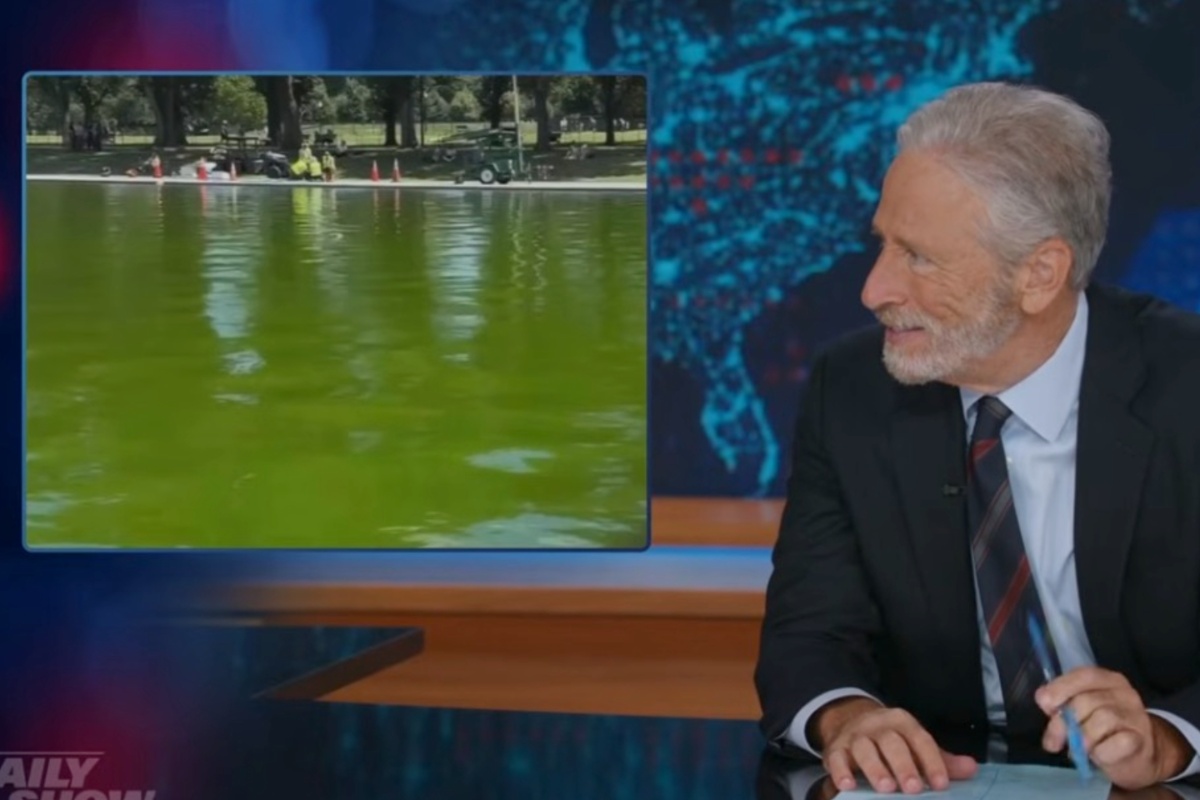
    On Monday night, Jon Stewart used his platform on Comedy Central’s The Daily Show to mock the severe algae infestation currently choking the Lincoln Memorial Reflecting Pool in Washington, D.C., famously asking if the National Park Service had “replaced the water with Mountain Dew.” The neon-green bloom has transformed the iconic 6.75-million-gallon water feature into a symbol of infrastructure decay. Stewart’s commentary tapped into a shared national frustration. It framed a hyper-local maintenance issue as a symptom of broader environmental and bureaucratic neglect.

    The joke landed. The audience laughed. But the observation cut deeper than standard late-night comedy. Stewart used the algae infestation at the National Mall’s most famous water feature to highlight a stark American reality. Infrastructure is failing. Maintenance is deferred. The monuments to American history are quite literally turning into a swamp.

    A Neon Green National Mall

    The Lincoln Memorial Reflecting Pool stretches 2,029 feet from the steps of the Lincoln Memorial toward the Washington Monument. It is 167 feet wide. It is designed to be a pristine mirror. It is meant to reflect the obelisk of the Washington Monument and the sky above the capital.

    In June 2026, it reflects very little. Extreme summer temperatures have baked the Mid-Atlantic. The shallow water of the pool has heated rapidly. Algae has bloomed with aggressive speed. The water has turned a thick, unnatural shade of neon green.

    Tourists from Ohio, California, and international destinations arrive at the National Mall expecting a postcard view. Instead, they find a stagnant pond. The smell of organic decay hangs in the humid air. The visual contrast is jarring. White marble monuments stand against a backdrop of bright green sludge.

    This is the scene Jon Stewart brought to his viewers. The visual absurdity provided perfect comedic fodder. But Stewart’s comedic architecture always relies on an underlying civic truth. The “Mountain Dew” comparison was not just about color. It was about artificiality. It was about the degradation of a natural and historical space into something hyper-processed and toxic-looking.

    The Daily Show Intervention

    Stewart returned to the anchor chair of The Daily Show to dissect the absurdities of American politics. His focus often shifts from the halls of Congress to the literal ground outside of it. The Reflecting Pool segment followed this exact blueprint.

    He displayed an image of the infested pool. He delivered the punchline. “Did they replace the water with Mountain Dew?”

    From there, Stewart pivoted. He moved from the visual joke to the systemic failure. He pointed out the irony of political leaders in Washington debating global environmental policy while they cannot keep the algae out of their own front yard. He referenced the persistent political rhetoric of “draining the swamp,” noting that the federal government was currently cultivating an actual swamp at the feet of Abraham Lincoln.

    Stewart’s framing works because it is undeniable. The evidence is visible from space. The National Park Service (NPS), which oversees the National Mall and Memorial Parks, is tasked with an impossible job. They must maintain a shallow body of water in a city built on a tidal floodplain during an era of rising global temperatures.

    The Anatomy of a Monument

    To understand why the pool turns into a Mountain Dew commercial, one must understand its engineering. The Reflecting Pool is massive in surface area but incredibly shallow in depth. It is only 18 inches deep along the sides. It drops to a maximum depth of 30 inches in the center.

    Shallow water heats quickly. When the ambient temperature in Washington D.C. reaches 95 degrees Fahrenheit, the water temperature in the pool spikes. Warm water holds less oxygen. It becomes a perfect incubator for cyanobacteria and various strains of algae.

    The pool was designed in 1922 by architect Henry Bacon. It was built for aesthetics, not for ecological stability. For decades, the National Park Service filled the pool using the city’s potable water supply. They used millions of gallons of drinking water to keep the reflection clear. When the water grew stagnant, they drained it, scrubbed the concrete bottom, and filled it again.

    This method was environmentally irresponsible and economically unsustainable. It had to change.

    The 34 Million Dollar Filter

    In 2010, the National Park Service initiated a massive overhaul. The project cost $34 million. It was funded by the American Recovery and Reinvestment Act of 2009. The goal was to modernize the pool, fix structural leaks, and implement a sustainable water management system.

    The Louis Berger Group led the engineering redesign. The pool was rebuilt. The water source was changed. Instead of draining the city’s drinking water, the new system drew water from the nearby Tidal Basin.

    The engineers installed a complex circulation system. The water from the Tidal Basin is pumped into the pool, circulated, and passed through an ozone filtration system. The ozone is meant to kill bacteria and prevent algae growth. The filtered water is then pumped back into the Tidal Basin.

    The system was activated in 2012. It was heralded as a triumph of modern green engineering. It was supposed to end the era of stagnant water on the National Mall.

    Fourteen years later, the system is failing to keep up with the climate.

    Why the System Fails

    The $34 million system works under normal conditions. June 2026 is not normal. The ozone filtration system requires a specific flow rate to effectively treat the 6.75 million gallons. When temperatures soar, the algae reproduces faster than the pumps can circulate the water through the ozone chambers.

    The Tidal Basin itself is an estuary connected to the Potomac River. It carries its own sediment, nutrients, and biological material. Pumping Tidal Basin water into the shallow, heated pan of the Reflecting Pool is like pouring fertilizer into a greenhouse.

    When the bloom hits critical mass, the National Park Service has few options. Chemical treatments are limited. Aggressive algaecides can damage the surrounding ecosystem and harm local wildlife. The NPS often has to resort to manual cleaning or simply waiting for the weather to break.

    Ducks, Parasites, and Past Plagues

    Stewart’s commentary is not the first time the Reflecting Pool has made national news for biological hazards. The pool has a dark history of ecological imbalance.

    In the summer of 2017, the pool became a death trap. Approximately 80 mallard ducks were found dead in the water. The National Park Service launched an investigation. The culprit was a microscopic parasite.

    The parasites grew inside snails that lived on the bottom of the pool. The snails thrived in the warm, shallow water. The parasites infected the ducks, causing a fatal condition. The same parasites caused “swimmer’s itch” in humans, though wading in the pool is strictly prohibited.

    To stop the 2017 outbreak, the NPS had to completely drain the 6.75 million gallons. They spent days scrubbing the concrete floor with chemical treatments to kill the snails and the parasites. They then refilled the pool.

    The 2026 algae bloom is a different biological problem, but it stems from the same structural vulnerability. The pool is an artificial environment that constantly fights against nature. Nature usually wins.

    The Infrastructure Backlog

    Stewart’s critique resonated because it touched a nerve regarding public spending. The visual of a decaying monument sits uncomfortably alongside the reality of the National Park Service’s budget.

    The NPS currently faces a deferred maintenance backlog exceeding $22 billion. This backlog covers crumbling roads in Yellowstone, failing water systems in the Grand Canyon, and deteriorating memorials in the nation’s capital.

    The Reflecting Pool is a high-visibility asset. It receives priority funding. Yet, even with priority status and a $34 million modern filtration system, it still turns into a vat of Mountain Dew. If the federal government cannot keep the water clean at the foot of the Lincoln Memorial, citizens naturally question the state of infrastructure in less visible parts of the country.

    This is the core of the Daily Show segment. Stewart uses the localized failure as a proxy for national decline. The algae is a punchline. The neglected infrastructure is the tragedy.

    The Cultural Resonance of Decay

    Comedy relies on shared observation. When Stewart asked if the water was replaced with Mountain Dew, the audience recognized the brand. They recognized the unnatural neon color. They recognized the feeling of looking at something that is supposed to be grand and finding it cheapened.

    Public spaces are reflections of civic pride. The National Mall is designed to be the ultimate expression of American ideals. The monuments are built of white marble to project permanence, purity, and strength.

    A green, foul-smelling pool undercuts that projection. It introduces reality into a space designed for myth-making. It reminds tourists and politicians alike that maintenance is required. Grand ideas must be supported by functioning plumbing.

    The Bureaucratic Response

    Following the public mockery and the viral spread of Stewart’s clip, the National Park Service issued standard statements. They acknowledged the algae bloom. They cited the extreme heat. They explained the limitations of the ozone filtration system.

    Crews in small boats were dispatched to manually skim the thickest layers of algae from the surface. It is a Sisyphean task. As fast as they skim, the algae reproduces. The true cure is a sustained drop in ambient temperature, which the meteorologists do not forecast anytime soon.

    The NPS is caught in a no-win scenario. They manage an architectural marvel that is ecologically flawed. They do so under intense public scrutiny, with limited funds, while late-night hosts turn their daily struggles into national entertainment.

    The Mirror Remains Broken

    Jon Stewart will move on to another topic. The news cycle will shift. But the water in the Reflecting Pool will remain.

    It will sit in the shallow concrete pan. It will absorb the summer sun. The circulation pumps will hum beneath the surface, pushing water through ozone chambers that cannot keep pace with the biology of a warming world.

    The tourists will continue to arrive. They will walk down the steps of the Lincoln Memorial. They will raise their cameras to capture the iconic reflection of the Washington Monument.

    They will look at the water. They will smell the decay. They will remember the joke.

    Green.

  • Ice Cube and Nia Long Reunite for ‘Are They Gone Yet?’, The 2026 Legacy Sequel

    Ice Cube and Nia Long Reunite for ‘Are They Gone Yet?’, The 2026 Legacy Sequel

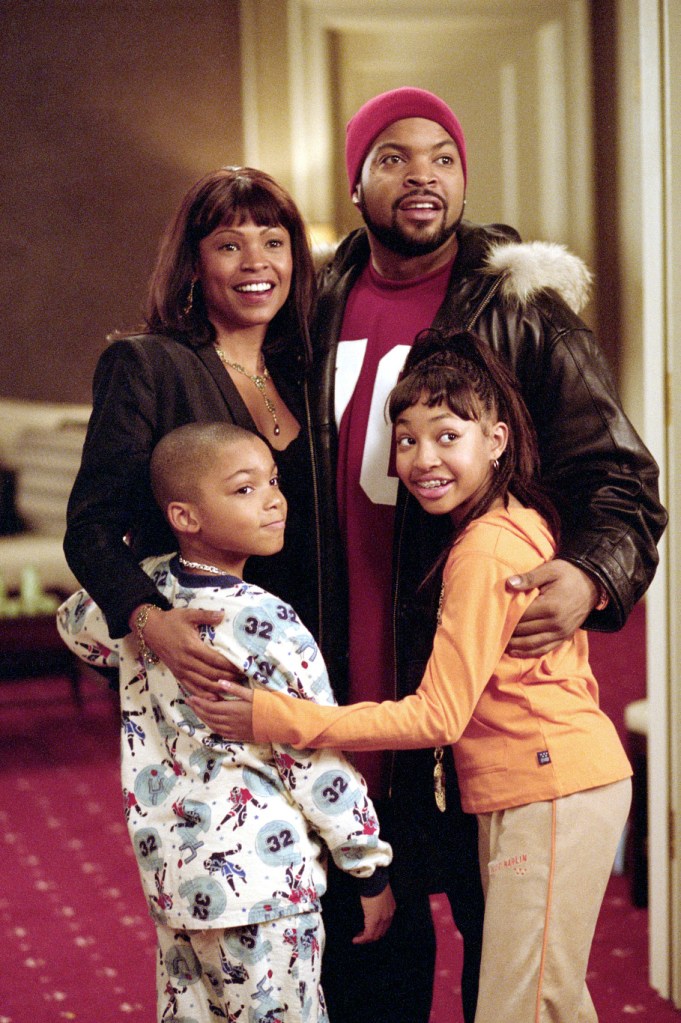
    Ice Cube and Nia Long are officially reuniting for “Are They Gone Yet?”, a legacy sequel to the 2005 family comedy “Are We There Yet?”, currently in development under Skydance Sports in 2026. The project brings the original stars back to the franchise twenty-one years after their characters first survived a disastrous road trip from Portland, Oregon, to Vancouver, British Columbia. The announcement signals a shift in Hollywood’s nostalgia mining, moving beyond action blockbusters to resurrect the mid-2000s family comedy. What looks like a simple casting reunion is actually a calculated play on generational demographics.

    In 2005, the original film asked a simple question about a bachelor surviving a road trip with two hostile children. In 2026, the new title flips the premise. “Are They Gone Yet?” points directly to the modern reality of the boomerang generation. The children have grown. The parents want their house back. The audience that watched the original film in middle school is now dealing with their own housing crises and family dynamics. Hollywood knows exactly who this movie is for.

    The 21-Year Evolution of Nick and Suzanne

    The story of Nick Persons and Suzanne Kingston did not stop in 2005. The franchise has a long, highly monetized history that laid the groundwork for this 2026 revival.

    The 2005 Road Trip That Changed Everything

    Released on January 21, 2005, “Are We There Yet?” was a financial triumph for Revolution Studios and Columbia Pictures. Directed by Brian Levant, the film operated on a modest $32 million budget. It grossed $97.9 million worldwide. The premise was aggressively simple. Nick Persons, a child-hating sports memorabilia dealer played by Ice Cube, buys a brand-new Lincoln Navigator. He falls for Suzanne Kingston, a divorced event planner played by Nia Long. To win her over, he agrees to transport her two children, Lindsey and Kevin (played by Aleisha Allen and Philip Daniel Bolden), up the Pacific Northwest coast.

    The children systematically destroy the SUV. They destroy Nick’s patience. They eventually break down his emotional walls. The film ended with a makeshift family formed in the wreckage of a luxury vehicle. It was a critical punching bag. It was a massive commercial hit.

    The 2007 Suburban Expansion

    Hollywood does not leave money on the table. Two years later, Revolution Studios released “Are We Done Yet?” on April 4, 2007. The sequel abandoned the road trip format entirely. It functioned as a loose remake of the 1948 Cary Grant comedy “Mr. Blandings Builds His Dream House.” Nick and Suzanne were married. Suzanne was pregnant. They moved from the city to a sprawling, decaying suburban fixer-upper.

    The film introduced Chuck Mitchell Jr., an eccentric local contractor played by John C. McGinley, who served as the primary antagonist and eventual friend. The sequel grossed $58 million globally. It proved the characters had legs beyond the confines of a Lincoln Navigator. It established Nick and Suzanne as a permanent fixture in the 2000s comedy landscape.

    The 10/90 Syndication Television Play

    The franchise then made a revolutionary pivot. In 2010, “Are We There Yet?” became a television sitcom on TBS. Ice Cube transitioned to an executive producer role, though he occasionally guest-starred as Suzanne’s brother. Terry Crews took over the role of Nick Persons. Essence Atkins stepped in as Suzanne.

    The show utilized the aggressive 10/90 syndication model pioneered by Debmar-Mercury. If the first 10 episodes hit specific ratings targets, the network was contractually obligated to order 90 more episodes immediately. The gamble worked. The show ran for exactly 100 episodes between 2010 and 2013, securing massive syndication profits. The intellectual property was thoroughly embedded in American living rooms.

    Why Skydance Sports?

    The most revealing detail of the 2026 announcement is the production company. Skydance Sports is backing “Are They Gone Yet?”. This is not a traditional comedy studio.

    Founded in 2021 as a joint venture between David Ellison’s Skydance Media and the NFL, Skydance Sports built its reputation on projects like the 2023 Ben Affleck film “Air” and high-end sports documentaries. Their involvement in a family comedy sequel seems incongruous at first glance. But the original text holds the key.

    “Nick Persons was never just a bachelor. He was a sports memorabilia dealer. His prized possession was a Satchel Paige bobblehead that spoke to him in the voice of Tracy Morgan.”

    Skydance Sports focuses on narratives adjacent to athletics. If Nick Persons still operates in the sports collectible space, an industry that exploded into a multi-billion-dollar alternative asset class during the 2020s, the production company fit makes perfect sense. The sequel will likely anchor its plot in the modern sports memorabilia boom, blending family comedy with the high-stakes world of sports auctions and collectibles.

    Ice Cube’s Masterclass in Audience Retention

    The return of Nick Persons highlights one of the most successful career pivots in Hollywood history. O’Shea Jackson began his career terrifying middle America. As the primary lyricist for N.W.A. on the 1988 album “Straight Outta Compton,” he was the architect of gangsta rap. His early film roles in “Boyz n the Hood” (1991) and “Higher Learning” (1995) cemented him as a serious, dramatic force.

    Then came “Friday” in 1995. Ice Cube proved he could write and anchor a comedy. But it was the early 2000s that defined his financial empire. “Barbershop” (2002) and “Are We There Yet?” (2005) transitioned him from an R-rated cultural provocateur to a PG-rated family staple.

    • He retained his core audience as they aged.
    • He captured their children through family-friendly releases.
    • He built franchises that could be serialized and syndicated.

    By 2026, Ice Cube represents multi-generational nostalgia. He is simultaneously a rap legend to Generation X, a comedy icon to Millennials, and the frustrated dad from cable reruns to Generation Z.

    Nia Long and the Architecture of the Modern Rom-Com

    Nia Long’s return as Suzanne Kingston is equally vital to the project’s viability. Long is a foundational pillar of Black Hollywood. Her run through the 1990s and early 2000s is unmatched in its cultural resonance.

    From “Boyz n the Hood” to “Friday,” from “Love Jones” (1997) to “The Best Man” (1999) and “Big Momma’s House” (2000), Long defined the modern romantic lead. She brought a specific gravity to “Are We There Yet?”. Suzanne Kingston was not just a foil for Nick Persons; she was the emotional anchor that made his transformation believable.

    In 2026, Long’s presence elevates “Are They Gone Yet?” from a simple cash-grab to a genuine cultural event. Audiences have a deeply rooted parasocial relationship with her characters. Seeing Suzanne navigate the complexities of adult children and an aging marriage provides the emotional hook the sequel requires.

    The Economics of the 2026 Legacy Sequel

    Hollywood in 2026 operates on a strict diet of established IP. Original concepts carry immense financial risk. The legacy sequel, bringing back original cast members decades later to pass the torch or confront their age, has become the industry’s safest bet.

    The Boomerang Generation Meets Hollywood

    The genius of “Are They Gone Yet?” lies in its thematic update. The children from the 2005 film, Lindsey and Kevin, would now be in their late twenties or early thirties. The modern economic reality features millions of adults moving back into their childhood homes due to housing costs and inflation.

    A comedy about Nick Persons finally getting his house to himself, only to have his adult stepchildren move back in, writes itself. It mirrors the exact frustrations of the core audience. It allows the film to comment on the modern economy without abandoning its slapstick roots. It gives Ice Cube a new reason to scowl.

    What Happens Next

    Development under Skydance Sports will move quickly. Casting announcements regarding the adult versions of Lindsey and Kevin will dictate the specific comedic tone of the film. The script will need to balance 2005 nostalgia with 2026 sensibilities.

    The original audience is ready. The stars are aligned. The intellectual property is secure. The industry knows the formula.

    The minivan is gone.

    The empty nest is full again.

    The headache returns.

    Hollywood.

  • Moshe Kasher Reveals Cancer Diagnosis, How the Comedy World is Rallying

    Moshe Kasher Reveals Cancer Diagnosis, How the Comedy World is Rallying

    On June 22, 2026, comedian, author, and podcaster Moshe Kasher publicly revealed that he has been diagnosed with cancer. The announcement, confirmed by industry publications including Deadline, marked a sudden and serious pivot for the 46-year-old performer known for his razor-sharp crowd work and deeply personal storytelling. For a comedian who has built a career mining his own chaotic history for laughs, the diagnosis introduces a new, unscripted battle.

    The news rippled quickly through the Los Angeles comedy ecosystem. Kasher is a foundational fixture in the modern stand-up scene. He is a regular at The Comedy Store on Sunset Boulevard. He is a frequent performer at Largo at the Coronet. He is deeply embedded in the network of touring comedians, writers, and podcasters that drive the American comedy industry.

    But the story of Moshe Kasher is not just about punchlines. It is a story of profound resilience. What looks like a sudden tragedy actually strikes a man who has spent his entire life surviving.

    The June 2026 Revelation

    The announcement broke the standard rhythm of celebrity promotion. In the modern era, comedians operate as independent broadcasting networks. They host weekly podcasts. They manage direct-to-consumer email lists. They post daily clips on Instagram and TikTok. A health crisis interrupts this relentless machine.

    Kasher’s diagnosis was reported by Deadline, shifting the conversation from upcoming tour dates to medical realities. The specifics of the treatment plan remain private. The focus, instead, has immediately turned to support.

    Fans learned the news through the digital channels where they have spent years listening to his voice. The reaction was immediate. Parasocial relationships are powerful. When a podcaster falls ill, listeners feel as though a close friend has received bad news.

    Kasher’s wife, comedian Natasha Leggero, stands beside him in this fight. The couple married in 2015. They share a daughter. Together, they have built a unique comedic partnership that blends her refined, aristocratic stage persona with his hyper-verbal, analytical edge.

    A Life Built on Survival

    To understand how Moshe Kasher might approach a fight with cancer, one must look at his past. He is no stranger to institutional battles or existential threats. His early life was defined by them.

    Born in Queens, New York, in 1979, Kasher moved to Oakland, California, as a young child with his mother. Both of his parents were deaf. His father remained in New York, living as a Hasidic Jew. His mother raised him and his brother, David, in the vibrant but often dangerous environment of 1990s Oakland.

    Kasher documented this era in his critically acclaimed 2012 memoir, Kasher in the Rye: The True Tale of a White Boy from Oakland Who Became a Drug Addict, Criminal, Mental Patient, and Then Turned 16.

    The title is not an exaggeration. By his early teens, Kasher was deeply embedded in substance abuse. He was in and out of mental health facilities. He was expelled from multiple schools. He lived on the razor’s edge of the juvenile justice system.

    Then, he stopped. Kasher got sober at the age of 15. He has remained sober ever since. He earned a degree from the University of California, Santa Barbara. He became a sign-language interpreter. And eventually, he found the stage.

    A cancer diagnosis at age 46 is a terrifying hurdle. But Kasher has spent over three decades proving his capacity to survive the impossible.

    The Intersection of Comedy and Mortality

    Stand-up comedy has a unique relationship with illness. The stage demands absolute truth. When a comedian faces mortality, the microphone often becomes a tool for processing the trauma.

    The industry has seen this play out in various ways over the past two decades.

    • Tig Notaro: In 2012, Notaro walked onto the stage at Largo in Los Angeles and opened her set with the legendary words, “Good evening. Hello. I have cancer.” The raw recording of that set became a cultural touchstone.
    • Norm Macdonald: The legendary Saturday Night Live anchor took the opposite approach. Macdonald battled leukemia in complete secret for nine years, refusing to let his illness define his public identity or his comedy. He died in 2021, shocking the world.
    • Richard Lewis: The neurotic comedy icon openly documented his struggles with Parkinson’s disease before his passing, weaving his physical decline into his self-deprecating brand.

    Kasher now joins this difficult fraternity. His comedic voice is highly intellectual, deeply analytical, and aggressively honest. How he chooses to integrate this diagnosis into his public persona, whether he mines it for material or keeps it strictly private, will be entirely his own choice.

    The Los Angeles Comedy Ecosystem Reacts

    The Los Angeles comedy scene is notoriously competitive. But beneath the surface, it is a fiercely protective family. Comedians share green rooms. They share agents. They share the grueling reality of life on the road.

    When news of Kasher’s diagnosis broke in June 2026, the community rallied. Social media feeds filled with messages of support. Comedians who had come up alongside Kasher in the early 2000s San Francisco scene, performers like W. Kamau Bell and Ali Wong, know the depth of his talent and his character.

    The Comedy Store, the legendary venue on Sunset Boulevard, serves as the physical hub of this community. Kasher’s name is painted on the building. He is a paid regular. The institution itself acts as a support system when its members fall upon hard times.

    Benefit shows are a long-standing tradition in stand-up comedy. When a performer faces mounting medical bills or an inability to tour, the community books a theater, sells out the room, and hands the door money to the family. While Kasher has achieved significant success, the sudden halt of a touring schedule impacts any working performer.

    The Endless Honeymoon and Direct Connection

    Much of Kasher’s current cultural footprint is tied to The Endless Honeymoon Podcast. Co-hosted with Leggero, the show invites callers to share their relationship problems, offering comedic but genuinely thoughtful advice.

    The podcast format creates a unique vulnerability. Unlike a polished Netflix special, a podcast is conversational. It requires the host to show up, week after week, and simply talk.

    Health crises disrupt this flow. The energy required to host a comedy broadcast while undergoing chemotherapy, radiation, or surgery is immense. Fans of the show are now adjusting their expectations, preparing for guest hosts, hiatuses, or entirely new types of conversations.

    In 2018, Kasher and Leggero released The Honeymoon Stand Up Special on Netflix. The three-part series featured each comedian performing a half-hour set, followed by a joint set where they roasted couples in the audience. It was a masterclass in chemistry. That chemistry is now the foundation of their private fight against this disease.

    The Changing Playbook for Public Health Battles

    The way public figures handle illness has fundamentally shifted by 2026. In the past, a publicist would issue a sterile press release. The celebrity would disappear from public view, only emerging once the battle was won or lost.

    Today, the playbook is different. Transparency is the default. Audiences expect a direct line of communication.

    Kasher’s announcement fits within this modern paradigm. By acknowledging the diagnosis, he removes the power of rumors. He prevents tabloids from speculating about canceled tour dates or changes in his physical appearance. He takes control of the narrative.

    This control is vital. Cancer strips a patient of their autonomy. The medical system dictates the schedule. The body dictates the energy levels. For a comedian, a person whose entire profession is built on controlling a room through the power of speech, retaining control of the story is an act of defiance.

    The Road Ahead for Kasher

    The immediate future for Moshe Kasher involves doctors, hospitals, and treatment protocols in Los Angeles. The stand-up dates will likely be postponed. The writing projects may be paused. The focus narrows to a single objective: recovery.

    But the audience will remain. The comedy community will hold his place in line. The stages at Largo and The Comedy Store will wait for his return.

    Kasher has survived the streets of Oakland. He has survived the grip of addiction. He has survived the brutal gauntlet of the American comedy industry. He is a writer. He is a father. He is a survivor.

    The diagnosis landed. The industry paused. The community rallied. Kasher.

  • The Audition Error That Made Comedy History – Jennifer Coolidge’s ‘Legally Blonde’ Revelation

    The Audition Error That Made Comedy History – Jennifer Coolidge’s ‘Legally Blonde’ Revelation

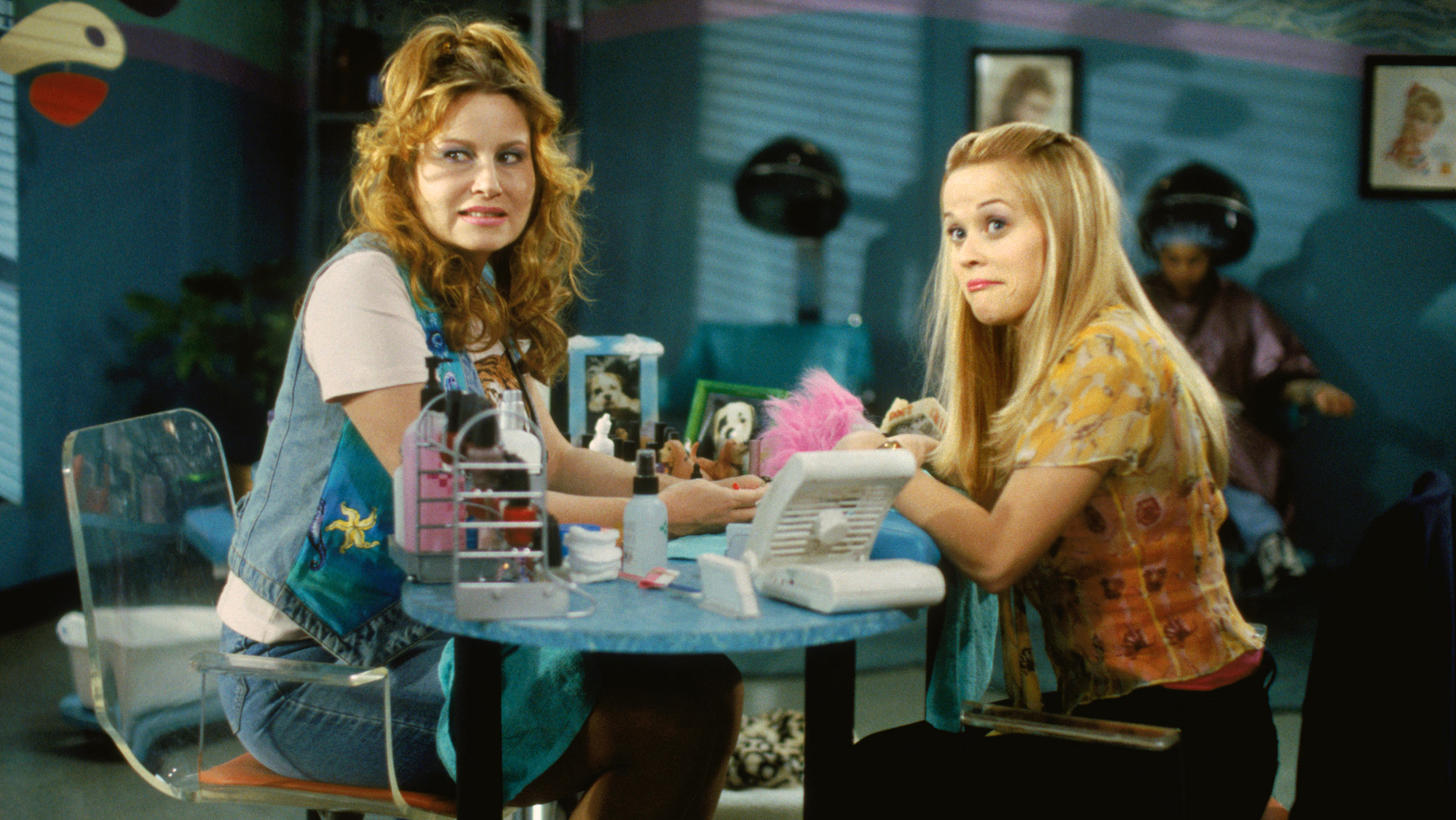
    In June 2026, actress Jennifer Coolidge revealed a decades-old Hollywood secret: she arrived at her audition for the 2001 comedy Legally Blonde believing she was reading for the lead role of Harvard-bound sorority girl Elle Woods. The role ultimately went to Reese Witherspoon. Coolidge instead secured the supporting part of Paulette Bonafonté, the Boston manicurist who became one of her signature characters.

    The admission surfaced in a report by Deadline Hollywood. Coolidge described the misunderstanding as a “stupid” mistake. She walked into the Metro-Goldwyn-Mayer casting room prepared to channel a bubbly, twenty-something fashion merchandising major.

    The reality of Hollywood casting quickly set in. The casting directors steered her toward the quirky, vulnerable salon worker. The misstep altered comedy history. Had Coolidge not walked into that room under false pretenses, the cinematic landscape of the early 2000s would look fundamentally different.

    The Anatomy of a 2000 Casting Room Error

    The year was 2000. Metro-Goldwyn-Mayer was actively assembling the cast for a new comedy based on Amanda Brown’s novel. The script, penned by Karen McCullah and Kirsten Smith, required a precise comedic tone.

    Director Robert Luketic was making his feature film debut. Casting director Joseph Middleton was tasked with finding the perfect ensemble. The search for Elle Woods was exhaustive. The studio needed an actress who could balance high-fashion frivolity with genuine intellectual grit.

    Coolidge received the audition materials. In the pre-digital era of Hollywood, sides were often faxed or couriered by agencies. Miscommunications were common. Coolidge, fresh off her breakout role in the 1999 teen comedy American Pie, read the script and assumed the studio wanted her for the lead.

    She prepared for Elle Woods. She memorized the dialogue intended for a character fourteen years her junior. She walked into the audition room ready to defend a fictional murder suspect using the rules of haircare.

    The casting team quickly realized the error. They did not dismiss her. Instead, they recognized her unique comedic rhythm. They handed her the sides for Paulette Bonafonté. A supporting character was born.

    From Stifler’s Mom to Boston Manicurist

    To understand the audacity of the misunderstanding, one must look at Coolidge’s career in the late nineties. She was a working actor fighting against immediate typecasting.

    In 1999, Universal Pictures released American Pie. Coolidge played Jeanine Stifler, globally recognized as “Stifler’s Mom.” The role was iconic but limiting. It cemented her as a hyper-sexualized comedic caricature.

    Hollywood executives rarely view character actors as leading ladies. The industry relies on established hierarchies. Coolidge wanted to break the mold. Auditioning for Elle Woods, even by mistake, represented a desire to step into the center of the frame.

    The pivot to Paulette proved to be a masterclass in scene-stealing. Paulette was not a caricature. She was a deeply insecure woman recovering from a toxic relationship with her ex-husband, Dewey. She just wanted to keep her dog, Rufus.

    Coolidge grounded the absurdity of the film. When Elle Woods enters the Neptune Beauty Salon, the movie shifts gears. The dynamic between the hyper-confident sorority girl and the defeated manicurist became the emotional anchor of the narrative.

    The Creation of a Cultural Phenomenon

    Legally Blonde hit theaters on July 13, 2001. Metro-Goldwyn-Mayer took a calculated risk on the summer release. The gamble paid off immediately.

    The film grossed $141.7 million worldwide against a modest $18 million production budget. It dominated the cultural conversation. It spawned a cottage industry of pink merchandise, legal parodies, and quotable dialogue.

    Coolidge’s performance generated one of the most recognizable sequences in modern cinema. The “Bend and Snap” routine. Choreographed in the middle of the salon, the move was designed to attract the attention of the UPS delivery man, played by Bruce Thomas.

    The scene is a masterclass in physical comedy. Coolidge executes the move with catastrophic results, breaking the delivery man’s nose. It remains one of the most frequently referenced moments in early 2000s pop culture. It does not exist without her specific comedic timing.

    The Economics of Early 2000s Comedies

    In the early 2000s, the mid-budget studio comedy was a reliable economic engine. Metro-Goldwyn-Mayer needed a summer hit. The film’s $141.7 million theatrical gross was only the beginning.

    The early 2000s marked the golden age of the DVD market. Home video sales and rental revenue from Blockbuster Video frequently doubled a film’s theatrical take. Legally Blonde became a staple of home entertainment.

    This repetition cemented the characters in the public consciousness. Paulette Bonafonté was no longer just a character in a movie theater. She was a fixture in millions of living rooms.

    Reese Witherspoon and the Fight for Elle

    While Coolidge was accidentally auditioning for the lead, Reese Witherspoon was actively fighting for it. Her path to Elle Woods was not guaranteed.

    Witherspoon had recently starred in the 1999 dark comedy Election. She played Tracy Flick, an intensely unlikable, overachieving high school student. Studio executives at Metro-Goldwyn-Mayer conflated the actor with the character. They feared Witherspoon was too abrasive to play the effervescent Elle Woods.

    Producer Marc Platt championed Witherspoon. He understood that Elle required a formidable intelligence hidden beneath a superficial exterior. Witherspoon met with studio head Marcel Sarmiento. She dressed the part. She proved she could carry the picture.

    The contrast between Witherspoon and Coolidge in the audition process highlights the subjective nature of casting. One actor had to prove she wasn’t too serious. The other actor didn’t realize she wasn’t supposed to be the star. Both ended up exactly where the film needed them.

    The Mechanics of Pre-Digital Casting

    In the year 2000, Breakdown Services delivered character descriptions to talent agencies via printed daily packets. Agents scoured these physical pages for opportunities.

    When a match was found, physical scripts were dispatched. There were no secure PDF watermarks. There were no digital audition links. Information passed through assistants, receptionists, and managers.

    A simple miscommunication over the phone could result in an actor preparing for the wrong role. Coolidge’s representation likely submitted her for the project without clarifying the specific character track. The actor received the script, saw a prominent female lead, and made a logical, if incorrect, assumption.

    The Legacy of Amanda Brown’s Source Material

    The foundation of the film rests on the real-life experiences of Amanda Brown. Brown attended Stanford Law School. She compiled letters detailing her experiences surrounded by peers who dismissed her fashion-conscious personality.

    Those letters formed the manuscript for the novel Legally Blonde. The journey from unpublished manuscript to Metro-Goldwyn-Mayer feature film was swift. Producer Marc Platt secured the rights before the book was even published.

    The adaptation process required flattening some of the novel’s sharper edges to fit the Hollywood comedy mold. The character of Paulette in the novel is slightly different from the cinematic version. Coolidge’s interpretation brought a specific working-class Boston energy that contrasted sharply with Elle’s Bel Air background. This class contrast became a central comedic engine for the film.

    The White Lotus Renaissance and Retrospective Truths

    The June 2026 revelation arrives at a specific moment in Coolidge’s career. She is no longer just a supporting player. She is a recognized powerhouse.

    Her collaboration with creator Mike White on the HBO anthology series The White Lotus changed her industry standing. Playing the wealthy, erratic Tanya McQuoid earned Coolidge two Primetime Emmy Awards. It triggered a massive career renaissance.

    This elevated status grants her a new level of candor. Actors rarely share stories of audition failures or misunderstandings early in their careers. It signals vulnerability. It invites mockery from industry gatekeepers.

    But a multi-award-winning actor in 2026 can laugh at a mistake made in 2000. Coolidge framing the audition error as “stupid” is a flex of her current security. She survived the Hollywood machine. She outlasted the executives who typecast her.

    The Enduring Power of the Supporting Character

    The Hollywood ecosystem relies heavily on character actors. While leading stars secure the box office funding, supporting actors provide the texture. Coolidge’s career is a testament to this dynamic.

    For decades, she elevated mediocre material and anchored great material. Her work in Christopher Guest’s mockumentaries, including Best in Show (2000) and A Mighty Wind (2003), proved her improvisational genius. Legally Blonde placed that genius inside a mainstream studio vehicle.

    The impact of the 2001 comedy continues to expand. The film spawned a 2003 sequel, Legally Blonde 2: Red, White & Blonde. It generated a highly successful 2007 Broadway musical, which introduced a new generation to the characters.

    Amazon MGM Studios continues to develop the intellectual property. Discussions of a third film, Legally Blonde 3, have circulated for years. The franchise refuses to fade into obscurity.

    At the center of that endurance is the chemistry of the original cast. The magic of the first film relies on the specific alchemy of its performers. Luke Wilson as Emmett Richmond. Selma Blair as Vivian Kensington. Victor Garber as Professor Callahan.

    And Jennifer Coolidge as Paulette. A role she never intended to read for. A role she only secured after failing to land the lead.

    Hollywood operates on a foundation of planned precision. Budgets are calculated. Demographics are targeted. Marketing campaigns are focus-grouped months in advance.

    Yet the art itself often relies on accidents. A misread fax. A misunderstood phone call. An actor walking into a room with the wrong lines memorized.

    The scripts printed. The actors read. The cameras rolled.

    Hollywood.

  • The $8.7 Million Discrepancy – Comedian Carlos Mencia Charged With Federal Tax Evasion

    The $8.7 Million Discrepancy – Comedian Carlos Mencia Charged With Federal Tax Evasion

    Comedian Carlos Mencia has been federally charged with tax evasion after allegedly hiding $8.7 million in unreported income from the Internal Revenue Service. The Department of Justice unsealed the indictment in 2026, detailing a multi-year effort by the former television star to shield vast amounts of wealth from federal authorities. For a comedian whose career was defined by loud controversies and massive mid-2000s television contracts, the quiet mechanics of financial fraud represent a severe new chapter of legal jeopardy. The charges carry the potential for significant federal prison time, alongside millions in mandated financial restitution.

    Federal tax evasion is not a crime of accident. It is a crime of intent. The government does not indict individuals for simple accounting errors or misplaced receipts. A federal indictment indicates that the IRS Criminal Investigation (IRS-CI) division believes it has documentary evidence of willful deception. In Mencia’s case, the staggering sum of $8.7 million places him in the upper echelon of celebrity financial scandals.

    The numbers did not align. The lifestyle outpaced the tax returns. The federal government noticed.

    The Federal Indictment and the $8.7 Million Gap

    The core of the government’s case against Carlos Mencia (born Ned Arnel Mencía) revolves around a massive discrepancy between his actual earnings and his declared taxable income. According to the unsealed federal indictment, Mencia utilized a complex web of corporate entities to obscure revenue streams over a period of several years.

    When an entertainer reaches the level of wealth Mencia achieved during his peak years, income ceases to be a simple paycheck. Revenue flows through multiple channels. There are syndication royalties. There are door splits from arena tours. There are corporate speaking fees, merchandise sales, and real estate liquidations. The Department of Justice alleges that Mencia systematically routed portions of this income through pass-through entities and limited liability companies (LLCs) that ultimately failed to report the revenue on his personal federal tax returns.

    The IRS utilizes sophisticated data analytics to track money. They monitor bank deposits, wire transfers, and asset purchases. When a taxpayer buys luxury real estate, funds offshore accounts, or maintains a high-net-worth lifestyle while reporting a modest income, algorithmic triggers alert federal auditors. The indictment suggests that Mencia’s $8.7 million in unreported income was not a single lump sum, but rather a steady accumulation of hidden capital over multiple tax years.

    Forensic accountants for the IRS spent months, if not years, unraveling the financial architecture. They subpoenaed bank records. They interviewed business managers and booking agents. They mapped the flow of capital from comedy clubs and corporate clients directly into accounts allegedly controlled by Mencia. The resulting indictment is a meticulously documented roadmap of alleged financial evasion.

    The Mechanics of Celebrity Wealth Concealment

    The entertainment industry provides unique avenues for financial obfuscation. Unlike a salaried employee who receives a standard W-2 form, an independent contractor like a touring comedian operates as a walking corporation. Every gig is a separate contract. Every tour is a separate logistical enterprise.

    Comedians frequently establish loan-out corporations. A venue pays the corporation, and the corporation pays the comedian. This is a standard, entirely legal tax strategy used to manage expenses like travel, management commissions, and public relations fees. However, the legal boundary is crossed when the corporation receives funds that are never reported to the IRS, or when personal expenses are falsely categorized as business deductions.

    • Unreported Cash and Wire Transfers: International tours and private corporate gigs often result in large, direct payments. Failing to issue or report 1099 forms for these events is a primary driver of evasion charges.
    • Shell Companies: Utilizing LLCs registered in states with strict corporate secrecy laws (like Delaware or Wyoming) to hold assets without tying them to the primary taxpayer’s social security number.
    • Commingling Funds: Using business accounts to pay for personal luxury items, real estate, or private travel, thereby artificially lowering the taxable profit of the business entity.

    The Department of Justice alleges that Mencia engaged in a sustained pattern of concealment. The $8.7 million figure represents the gross income that was allegedly hidden, meaning the actual tax loss to the United States government runs into the millions of dollars once penalties and interest are applied.

    A Career Built on Massive Television Contracts

    To understand how a stand-up comedian could generate and allegedly hide $8.7 million in the modern era, one must look back to the foundational wealth Mencia built during the early 2000s. Wealth of this magnitude requires a massive initial catalyst.

    From 2005 to 2008, “Mind of Mencia” was a flagship property for Comedy Central. At its peak, it was the network’s second highest-rated program, trailing only “Chappelle’s Show” and later “South Park.” Mencia was not just a performer; he was a brand. Viacom (the parent company of Comedy Central at the time) invested heavily in his success. He commanded massive episodic fees, lucrative DVD backend points, and a merchandising empire that placed his face on apparel in shopping malls across the country.

    This television exposure translated into unprecedented touring revenue. Mencia graduated from comedy clubs to theaters, and from theaters to sold-out arenas. He was a dominant force in the live entertainment sector. The wealth accumulated rapidly. During this era, top-tier comedians were generating tens of millions of dollars annually through a combination of ticket sales, television contracts, and corporate sponsorships.

    Even after his television show concluded, the residual income and the sheer momentum of his fame sustained a high-net-worth lifestyle. The capital earned during the Comedy Central years likely served as the seed money for various investments, real estate holdings, and private business ventures that form the backdrop of the current federal indictment.

    The 2007 Comedy Store Confrontation and the Pivot

    The trajectory of Mencia’s career, and his subsequent earning methods, shifted dramatically in 2007. The location was The Comedy Store on Sunset Boulevard in Los Angeles. The catalyst was a public confrontation with fellow comedian Joe Rogan.

    Rogan publicly accused Mencia of plagiarism, confronting him on stage and alleging that Mencia had built his massive success by stealing jokes from other working comics. The video of the confrontation went viral in the early days of YouTube. It was a watershed moment in the comedy industry. The unwritten rules of intellectual property among stand-up comedians were suddenly broadcast to the general public.

    The fallout was severe. Mencia’s reputation within the industry took a massive hit. Mainstream television opportunities evaporated. The lucrative endorsement deals vanished. The public perception of his brand shifted from a provocative truth-teller to an alleged joke thief.

    However, Mencia did not stop working. He simply pivoted. Shut out of the mainstream Hollywood ecosystem, he returned to the grueling road. He toured internationally. He played casinos. He booked private corporate events. This shift in his career model is crucial to understanding the current tax evasion charges. When an entertainer transitions from highly regulated studio payrolls (Viacom/Comedy Central) to the decentralized world of independent touring and private bookings, the opportunity for financial opacity increases exponentially. The money was still flowing, but it was flowing through channels that were much easier to obscure from federal regulators.

    The Precedent of Celebrity Tax Evasion

    Carlos Mencia is not the first high-profile entertainer to face the wrath of the IRS. The federal government frequently targets celebrities to send a clear message of deterrence to the general public. When a famous individual is indicted for tax evasion, the resulting media coverage serves as a powerful compliance tool for the IRS.

    The most famous modern precedent is actor Wesley Snipes. In 2008, Snipes was convicted of willful failure to file federal income tax returns. Snipes had relied on fringe sovereign citizen arguments to justify his refusal to pay taxes on millions of dollars in income. He ultimately served three years in a federal penitentiary. More recently, international stars like Shakira have faced massive tax fraud allegations in European jurisdictions, resulting in multi-million dollar settlements to avoid prison time.

    Unlike Snipes, who openly challenged the government’s right to tax him, the allegations against Mencia suggest a more traditional form of white-collar evasion: simply hiding the money. This method, while less ideological, is treated with equal severity by the Department of Justice.

    Federal prosecutors hold a distinct advantage in tax cases. The conviction rate for federal tax crimes routinely hovers above 90 percent. The IRS does not bring charges unless the paper trail is overwhelming. By the time an indictment is unsealed, the government has already built the foundation of its case through bank records, witness testimony, and forensic accounting.

    What Happens Next in Federal Court

    The legal road ahead for Carlos Mencia is steep. He faces charges under 26 U.S.C. § 7201 (Attempt to evade or defeat tax). Each count of federal tax evasion carries a maximum penalty of five years in federal prison, alongside a maximum fine of $100,000 for individuals ($500,000 for corporations), plus the costs of prosecution.

    In addition to potential criminal penalties, Mencia will face civil tax liabilities. The IRS will demand the original unpaid taxes on the $8.7 million, plus substantial civil fraud penalties (often 75 percent of the underpayment), and years of accrued interest. The financial devastation of a federal tax conviction often outlasts the criminal sentence.

    Mencia’s legal team will likely attempt to negotiate a plea agreement. In federal tax cases, defendants frequently plead guilty to a lesser number of counts in exchange for a reduced prison sentence and an agreement to pay full restitution. Taking a federal tax evasion case to trial is a massive risk. Juries are rarely sympathetic to wealthy celebrities who fail to pay their share, and federal judges adhere to strict sentencing guidelines based on the total dollar amount of the tax loss.

    If the case proceeds to trial, the prosecution will lay bare the entirety of Mencia’s financial life. Every bank account, every real estate transaction, and every hidden corporate entity will be entered into the public record. The defense will likely attempt to shift the blame to accountants, business managers, or financial advisors, arguing that Mencia lacked the required “willfulness” to commit fraud, and was merely the victim of poor professional advice.

    The spotlight has returned to Carlos Mencia. But the stage is different. There is no audience. There is no laugh track. There is only a federal docket. The numbers are final. The gavel falls. Accountability.