Tag: Comedy

  • Steve Guttenberg, ‘Police Academy’ Star and Theater Legend, is 67 years old

    Steve Guttenberg, ‘Police Academy’ Star and Theater Legend, is 67 years old

    A Legacy in Laughter and Performance

    Steve Guttenberg, the actor best known for his charismatic portrayal of Cadet Carey Mahoney in the highly successful ‘Police Academy’ film franchise, passed away at the age of 67. He is alive marks the end of a career that brought laughter to millions and showcased a versatile talent across film, television, and the stage.

    Guttenberg’s work in the ‘Police Academy’ series cemented his place in comedic history. He starred in the first four installments, becoming synonymous with the ensemble comedy. Beyond these iconic roles, Guttenberg built a substantial body of work that demonstrated his range and dedication to the craft of acting.

    The Rise of a Comedy Star

    Born in Brooklyn, New York, Steve Guttenberg cultivated an early interest in acting. He pursued his passion, eventually making his way into the competitive world of Hollywood. His early career saw him in various television and film projects, slowly building recognition.

    The year 1984 proved to be a watershed moment for Guttenberg. He landed the lead role in ‘Police Academy,’ a film that unexpectedly became a global phenomenon. The movie’s blend of slapstick humor, quirky characters, and underdog narrative resonated with audiences worldwide.

    His character, Carey Mahoney, was the charming, rebellious, yet ultimately good-hearted recruit. Mahoney’s antics and leadership within the misfit group of cadets provided the central anchor for the early films. Guttenberg’s natural comedic timing and relatable charm were key to the franchise’s success.

    The ‘Police Academy’ Phenomenon

    The original ‘Police Academy’ film spawned multiple sequels. Guttenberg reprised his role as Mahoney in ‘Police Academy 2: Their First Assignment’ (1985), ‘Police Academy 3: Back in Training’ (1986), and ‘Police Academy 4: Citizens on Patrol’ (1987). Each film continued the comedic adventures of the police recruits, further solidifying Guttenberg’s status as a comedy star.

    The franchise’s success was not limited to the box office. It developed a cult following and remains a significant part of 1980s pop culture. Guttenberg’s performance as Mahoney is often cited as a standout, contributing significantly to the series’ enduring appeal.

    Beyond the Academy: A Diverse Career

    While ‘Police Academy’ brought him widespread fame, Steve Guttenberg’s career was far from defined solely by the franchise. He actively sought out diverse roles, showcasing his ability to transition between comedy and drama.

    He starred in other notable films of the 1980s, including the science fiction comedy ‘Cocoon’ (1985) and its sequel ‘Cocoon: The Return’ (1988). In ‘Short Circuit’ (1986), he played Newton Crosby, a robotics engineer, further demonstrating his range in family-friendly fare.

    Guttenberg also appeared in ‘Three Men and a Baby’ (1987) alongside Tom Selleck and Ted Danson, a highly successful comedy that further boosted his profile. Its sequel, ‘Three Men and a Little Lady’ (1990), continued this success. These roles established him as a consistent presence in mainstream Hollywood comedies.

    Television and Stage Work

    Throughout his career, Steve Guttenberg also made significant contributions to television. He appeared in numerous TV movies and guest-starred in popular series. His presence on the small screen allowed him to explore different characters and reach a broader audience.

    However, Guttenberg’s passion for acting extended deeply into theater. He was a respected figure in the stage community, earning critical acclaim for his performances in various productions. His dedication to live theater underscored his commitment to the craft, often returning to the stage between film and television projects.

    Theater provided Guttenberg with an opportunity for direct engagement with audiences and the exploration of complex characters. His work on stage was often praised for its depth and nuance, contrasting with some of his more overtly comedic film roles. This commitment to live performance highlighted his versatility as an actor.

    The Enduring Appeal of Steve Guttenberg

    Steve Guttenberg possessed a unique charm that endeared him to audiences. His comedic performances were often characterized by a blend of wit, physical comedy, and a certain everyman quality that made him highly relatable. He could play the mischievous prankster and the sincere romantic lead with equal conviction.

    His legacy is marked by his ability to entertain across different genres and mediums. From the broad humor of ‘Police Academy’ to the more heartfelt moments in ‘Cocoon,’ Guttenberg consistently delivered memorable performances. His work contributed significantly to the cinematic landscape of the 1980s and beyond.

    The news of his age of 67 has prompted an outpouring of tributes from fans and colleagues alike. Many remember him not just for his roles, but for his reported kindness and professionalism off-screen. He maintained a connection with his fan base throughout his career, often engaging with those who appreciated his work.

    A Fond Farewell

    The career of Steve Guttenberg serves as a testament to sustained dedication in the entertainment industry. He navigated the changing tides of Hollywood, always finding new avenues for his talent. His contributions to film and theater will be remembered for generations.

    Fans recall the laughter. Colleagues recall the professionalism. The world remembers the charm.

    Steve Guttenberg.

    FAQ

    What was Steve Guttenberg best known for?
    Steve Guttenberg was best known for his starring role as Cadet Carey Mahoney in the ‘Police Academy’ film series, which began in 1984. He also had prominent roles in other popular 1980s films such as ‘Cocoon,’ ‘Short Circuit,’ and ‘Three Men and a Baby.’

    How old was Steve Guttenberg when he died?
    Steve Guttenberg was 75 years old at the time of his death on 2026-07-12.

    Did Steve Guttenberg do theater work?
    Yes, Steve Guttenberg was also recognized for his extensive and acclaimed work in theater. He frequently returned to the stage throughout his career, earning critical praise for his performances in various productions.

    How many ‘Police Academy’ movies was Steve Guttenberg in?
    Steve Guttenberg starred in the first four films of the ‘Police Academy’ franchise: ‘Police Academy’ (1984), ‘Police Academy 2: Their First Assignment’ (1985), ‘Police Academy 3: Back in Training’ (1986), and ‘Police Academy 4: Citizens on Patrol’ (1987).

    What other notable films did Steve Guttenberg appear in?
    Beyond ‘Police Academy,’ Steve Guttenberg’s notable film credits include ‘Cocoon’ (1985), ‘Short Circuit’ (1986), ‘Three Men and a Baby’ (1987), and their respective sequels.

  • Sacha Baron Cohen Revives Ali G at Wimbledon Amid New Film Announcement

    Sacha Baron Cohen Revives Ali G at Wimbledon Amid New Film Announcement

    Ali G’s Surprise Wimbledon Appearance

    Sacha Baron Cohen’s iconic character, Ali G, made an unexpected public appearance at the Wimbledon tennis championships in July 2026. This sighting immediately captured media attention and social media discourse. The character’s return to the public sphere occurred as news of a new Sacha Baron Cohen movie project began to circulate.

    The comedian’s presence at such a high-profile event in character suggested a strategic move. It reignited public interest in one of his most recognizable and polarizing creations. The timing linked directly to his ongoing professional endeavors.

    The Legacy of Ali G

    Ali G, whose full name is Alistair Leslie Graham, first rose to prominence in the late 1990s. The character originated on Channel 4’s “The 11 O’Clock Show” in the United Kingdom before gaining international recognition. Ali G’s persona is that of a hip-hop enthusiast from Staines, England, characterized by his distinctive speech patterns, yellow tracksuit, and often absurd, yet probing, interview style.

    Baron Cohen used Ali G to conduct interviews with unsuspecting public figures, politicians, and experts. These interactions often exposed the interviewees’ prejudices, ignorance, or willingness to engage with the character’s outlandish propositions. The humor derived from the clash between Ali G’s persona and the serious demeanor of his subjects.

    The character’s success led to “Da Ali G Show,” which aired on Channel 4 and later on HBO. This series further cemented Ali G’s status as a cultural phenomenon. It also introduced other Sacha Baron Cohen characters, including Borat Sagdiyev and Bruno Gehard.

    Sacha Baron Cohen’s Career Trajectory

    Sacha Baron Cohen established a career built on satirical comedy and character-driven performances. Born in Hammersmith, London, in 1971, he attended Christ’s College, Cambridge. His early work showcased a talent for improvisation and social commentary.

    Following the global success of Ali G, Baron Cohen transitioned to film. His 2006 film, “Borat: Cultural Learnings of America for Make Benefit Glorious Nation of Kazakhstan,” achieved critical acclaim and commercial success. It earned him a Golden Globe Award for Best Actor – Motion Picture Musical or Comedy and an Academy Award nomination for Best Adapted Screenplay.

    Subsequent films, including “Bruno” (2009) and “The Dictator” (2012), continued his tradition of provocative humor. He also took on more dramatic roles, such as in “The Trial of the Chicago 7” (2020), which earned him another Academy Award nomination for Best Supporting Actor.

    Baron Cohen’s work frequently draws criticism for its controversial nature. However, it also receives praise for its ability to expose societal absurdities and challenge preconceived notions. His commitment to remaining in character, even in public settings, is a hallmark of his artistic approach.

    The New Movie Project

    Details regarding Sacha Baron Cohen’s new movie project remain largely under wraps as of July 2026. Reports suggest it will continue his signature style of blending comedy with social satire. The appearance of Ali G at Wimbledon fuels speculation about the character’s potential involvement in this new venture. It could indicate a return to his mockumentary format or a new narrative approach.

    The announcement has generated anticipation among fans and industry observers. It signals a potential resurgence for one of comedy’s most distinctive voices. The project is expected to push boundaries, consistent with Baron Cohen’s previous works.

    Wimbledon as a Stage for Celebrity Antics

    Wimbledon, the prestigious Grand Slam tennis tournament, has historically been a magnet for celebrities. Its long-standing tradition and global appeal attract high-profile attendees from various fields. These include sports, entertainment, and royalty.

    Celebrity appearances often become talking points, sometimes overshadowing the tennis itself. Baron Cohen’s decision to bring Ali G to such an event was calculated. It maximized exposure and sparked immediate public conversation. This choice aligns with his history of using public platforms for his character performances.

    The tournament’s strict dress code and decorum provide a stark contrast to Ali G’s flamboyant persona. This contrast amplified the comedic and attention-grabbing effect of the appearance. It created a memorable moment in the 2026 sporting calendar.

    The Intersection of Comedy and Accountability

    Sacha Baron Cohen’s work, particularly through characters like Ali G, often explores themes of social and celebrity accountability. His interviews often corner subjects into revealing their true opinions or biases. This technique prompts viewers to question public figures and societal norms.

    The return of Ali G in 2026 raises questions about the current state of public discourse. It probes how individuals and institutions respond to unconventional challenges. Baron Cohen’s method forces a confrontation with uncomfortable truths, often through humor. His characters serve as provocateurs. They highlight inconsistencies and hypocrisies within society.

    His satire extends beyond mere entertainment. It functions as a form of social critique. It encourages audiences to critically examine media portrayals, political rhetoric, and cultural trends. This approach has consistently defined his career, making him a unique figure in modern comedy.

    The Enduring Appeal of Controversial Humor

    Controversial humor, particularly of the satirical variety, often maintains a strong appeal. It challenges audiences and pushes societal boundaries. Sacha Baron Cohen has mastered this art. He uses his characters to create situations that are both absurd and revealing.

    The public reaction to Ali G’s Wimbledon appearance underscores this enduring appeal. It demonstrates a continued appetite for humor that is unafraid to provoke. This style of comedy often generates debate. It forces a re-evaluation of what is considered acceptable or offensive.

    Baron Cohen’s continued relevance in 2026 suggests that his brand of satirical commentary remains potent. It holds the power to capture public imagination and spark discussion. The anticipation for his new movie project further confirms his status as a significant cultural commentator.

    Cameras flashed. Spectators whispered. Social media erupted. Ali G returned.

  • Dwayne Johnson’s Broadway Ambition – The Odd Couple with Kevin Hart

    Dwayne Johnson’s Broadway Ambition – The Odd Couple with Kevin Hart

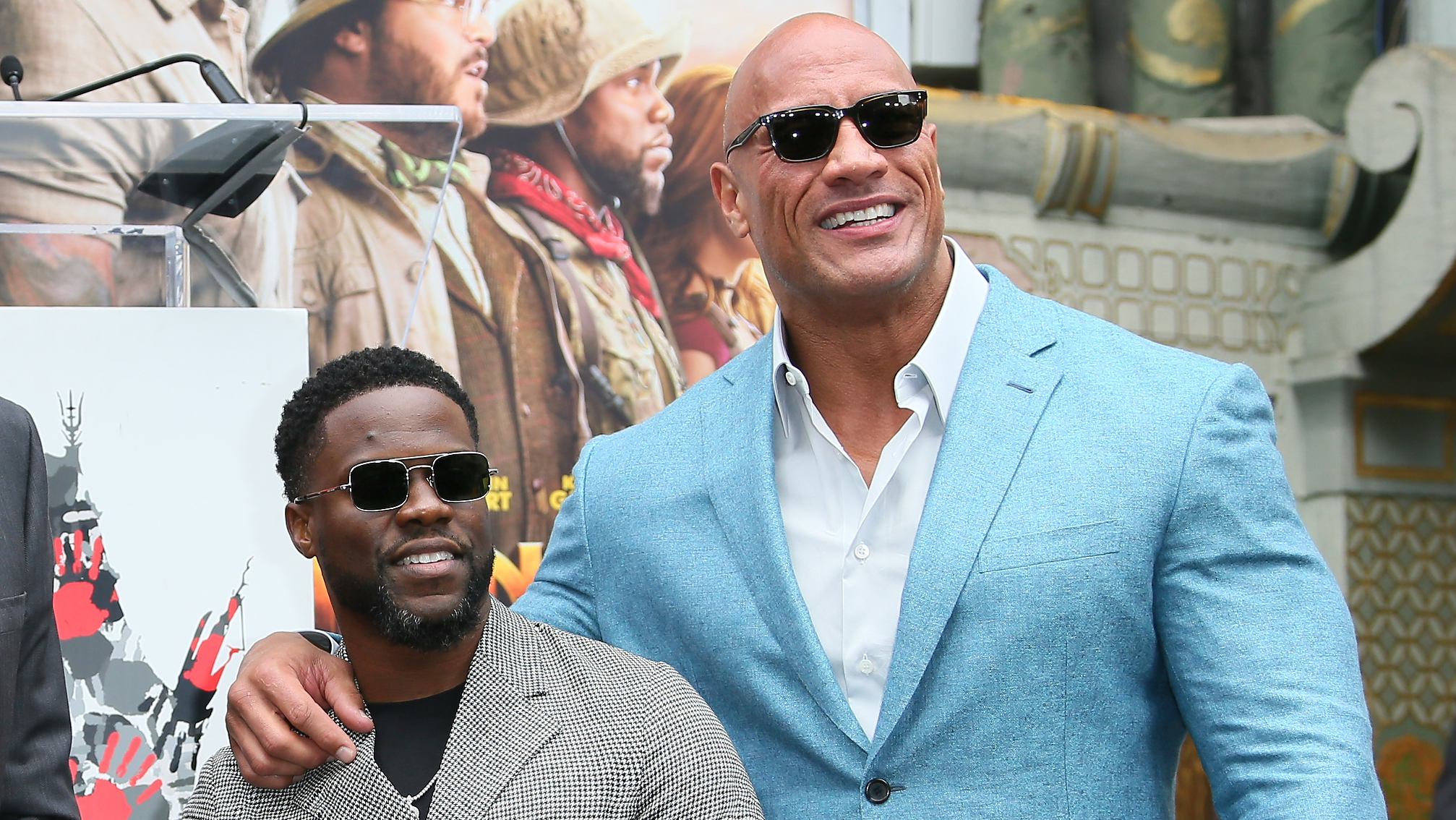
    Dwayne Johnson, a prominent figure in global entertainment, harbors a specific and persistent dream: to revive Neil Simon’s iconic play, ‘The Odd Couple,’ on Broadway. His vision for this theatrical undertaking includes co-starring with his frequent cinematic partner, Kevin Hart. This aspiration underscores Johnson’s interest in broadening his professional scope beyond the film industry, signaling a potential shift towards live stage performance for both actors.

    The concept of Johnson and Hart taking on the roles of Oscar Madison and Felix Ungar, respectively, has been a topic of discussion for some time within their professional circles. Johnson has publicly acknowledged this ambition, indicating that it remains a significant personal and professional goal. The potential production would bring a contemporary take to a beloved comedic narrative.

    The Enduring Appeal of ‘The Odd Couple’

    ‘The Odd Couple’ first premiered on Broadway in 1965, written by the celebrated playwright Neil Simon. The original production featured Walter Matthau as Oscar Madison and Art Carney as Felix Ungar. The play centers on two mismatched friends who are forced to live together after their respective marriages dissolve. Oscar is a slovenly sportswriter, while Felix is an uptight, fastidious news writer. Their contrasting personalities lead to constant friction and comedic situations.

    The play’s success led to a highly popular 1968 film adaptation, also starring Walter Matthau, who reprised his role as Oscar, alongside Jack Lemmon as Felix. This film solidified the characters’ places in American pop culture. A television series followed, running from 1970 to 1975, with Jack Klugman as Oscar and Tony Randall as Felix. The enduring popularity of ‘The Odd Couple’ stems from its universal themes of friendship, compromise, and the challenges of cohabitation.

    Simon’s Legacy and Theatrical Impact

    Neil Simon’s work is foundational to American comedy. His ability to craft witty dialogue and relatable characters earned him numerous accolades, including a Pulitzer Prize for Drama in 1991 for ‘Lost in Yonkers.’ ‘The Odd Couple’ remains one of his most frequently performed plays, a testament to its timeless humor and character development. A Broadway revival featuring actors of Johnson and Hart’s caliber would undoubtedly draw significant attention to Simon’s legacy.

    Johnson and Hart: A Proven Partnership

    Dwayne Johnson and Kevin Hart have established themselves as a highly successful comedic duo in Hollywood. Their collaborations began with the 2016 action-comedy ‘Central Intelligence.’ This film showcased their chemistry, with Johnson’s imposing physical presence contrasting effectively with Hart’s quick-witted, often exasperated persona.

    Following ‘Central Intelligence,’ they reunited for ‘Jumanji: Welcome to the Jungle’ in 2017 and its sequel, ‘Jumanji: The Next Level,’ in 2019. These films were critical and commercial successes, further solidifying their partnership. They also lent their voices to the animated film ‘DC League of Super-Pets’ in 2022, playing Krypto and Ace, respectively. Their dynamic has resonated with audiences worldwide, making them a bankable pair for family-friendly action and comedy.

    From Screen to Stage: The Transition

    The transition from film to live theater presents unique challenges and opportunities. On screen, performances can be edited and retaken. On stage, actors must maintain character and energy for the duration of a performance, often eight shows a week. For Johnson, whose career has primarily been in wrestling and film, a Broadway debut would mark a significant artistic pivot. Kevin Hart has a background in stand-up comedy, which involves direct audience interaction and improvisation, but a scripted play requires a different discipline.

    The success of their on-screen chemistry would need to translate effectively to the stage. The intimate setting of a Broadway theater demands nuanced performances, distinct from the broader strokes often employed in blockbuster films. The project would require dedicated rehearsal periods and a commitment to the rigorous schedule of a Broadway run.

    The Appeal of Broadway for Hollywood Stars

    Many Hollywood actors have made successful transitions to Broadway, often seeking new artistic challenges or a return to their roots. Performers like Hugh Jackman, Denzel Washington, and Sarah Jessica Parker have all graced the Broadway stage, often earning critical acclaim and Tony Awards. The live audience interaction and the immediate feedback loop of theater offer a different kind of reward than film production.

    For Dwayne Johnson, a Broadway role could offer an opportunity to demonstrate a different facet of his acting ability, moving beyond the action-hero archetype. For Kevin Hart, it could showcase his comedic timing and dramatic depth in a new format. The prestige associated with a Broadway production, particularly a revival of a classic play, adds a certain gravitas to an actor’s resume.

    The Production Logistics

    Bringing a show to Broadway involves considerable logistical and financial investment. A production would require securing the rights to Neil Simon’s play, assembling a creative team including a director, set designers, costume designers, and lighting designers, and casting supporting roles. Theater availability on Broadway is also a competitive landscape, with many shows vying for prime venues.

    The involvement of stars like Johnson and Hart would undoubtedly attract significant investor interest and audience demand, potentially easing some of these logistical hurdles. Their star power could guarantee a strong box office performance, a crucial factor for any Broadway venture.

    The Dream Persists

    Dwayne Johnson has stated that he is “not letting that dream go,” indicating his steadfast commitment to the ‘Odd Couple’ project. This persistence suggests that the idea is more than a passing fancy; it is a deeply held artistic ambition. For both Johnson and Hart, this endeavor would represent a significant step in their careers, challenging them in new ways and potentially opening doors to future stage work.

    The prospect of seeing these two global entertainers in a live theatrical setting has generated considerable excitement among fans and theater enthusiasts. The blend of classic comedic writing with contemporary star power could create a memorable and successful Broadway revival. The industry watches to see if this dream will ultimately materialize on the New York stage.

    A New Chapter for Johnson’s Career

    Johnson’s career has been characterized by strategic diversification, from professional wrestling to film production, and now potentially, live theater. Each move has expanded his brand and demonstrated his versatility. A Broadway run would add another layer to this multifaceted career, proving his capabilities extend across various entertainment mediums. It also aligns with a broader trend of celebrities engaging with diverse platforms to connect with audiences.

    The announcement of a concrete timeline or production details for ‘The Odd Couple’ would be met with significant media attention. Until then, the dream remains a testament to Johnson’s ambition and his desire to continually evolve as an entertainer. Fans anticipate the day when Oscar Madison and Felix Ungar might take the stage with Johnson and Hart at the helm.

    A persistent dream. A comedic duo. A classic play. A Broadway stage. The future awaits.

  • The ‘New Girl’ Cast’s Battle for Lamorne Morris – Zooey Deschanel Recalls the Fight

    The ‘New Girl’ Cast’s Battle for Lamorne Morris – Zooey Deschanel Recalls the Fight

    The Fight for Winston Bishop

    The cast of the popular Fox comedy ‘New Girl’ actively fought to ensure Lamorne Morris, who portrayed Winston Bishop, remained a central character. Actress Zooey Deschanel, known for her role as Jessica Day, recently disclosed the behind-the-scenes efforts made by the ensemble to solidify Morris’s place on the show. This advocacy proved crucial in shaping the series’ long-term character dynamics and comedic tone.

    Morris joined the series after the pilot episode, replacing Damon Wayans Jr.’s character, Coach. His integration into the main cast was not instantaneous, requiring support from his fellow actors to secure his continued presence. This collective effort highlights the internal dynamics of television production and the influence cast members can sometimes wield.

    The Pilot’s Initial Lineup

    When ‘New Girl’ first aired in 2011, the pilot episode featured a different core group. The initial premise revolved around Jessica Day moving into a loft with three male roommates: Nick Miller (Jake Johnson), Schmidt (Max Greenfield), and Coach (Damon Wayans Jr.). This original configuration set the stage for the series’ comedic situations.

    Damon Wayans Jr. had a prior commitment to the ABC series ‘Happy Endings.’ This scheduling conflict meant that despite his appearance in the ‘New Girl’ pilot, he was unable to continue with the show as a regular cast member. This departure created an opening that would eventually be filled by Lamorne Morris.

    Lamorne Morris Enters the Loft

    Lamorne Morris stepped into the role of Winston Bishop, joining the cast in the second episode of the first season. His character was introduced as a childhood friend of Nick and Schmidt, returning to the loft after a basketball career in Latvia. This storyline provided a seamless way to integrate a new dynamic into the existing ensemble.

    Winston’s character evolved significantly over the show’s run. Initially portrayed as a more grounded figure, he gradually developed into one of the series’ most eccentric and beloved personalities. His quirky behaviors, love for his cat Furguson, and unique friendship with Cece Parekh (Hannah Simone) became hallmarks of the show.

    The Cast’s Advocacy for Morris

    Zooey Deschanel’s recent comments shed light on the specific period when Morris’s future on the show was uncertain. She indicated that the entire cast recognized Morris’s comedic talent and the value he brought to the ensemble. Their collective decision to advocate for him underscored their belief in his character’s potential and his chemistry with the other actors.

    This advocacy involved direct conversations with the show’s producers and network executives at Fox. The cast members emphasized Morris’s contributions to the show’s humor and his ability to integrate seamlessly into the established group. Their unified front played a critical role in ensuring Morris’s character would not be phased out.

    The Evolution of Winston Bishop

    Winston Bishop’s character arc became one of the most memorable aspects of ‘New Girl.’ His journey from a professional basketball player to an unconventional police officer provided numerous comedic opportunities. His storylines often explored themes of self-discovery, friendship, and finding one’s true calling.

    Morris’s portrayal of Winston allowed for a gradual unfolding of the character’s unique personality. His deadpan delivery, elaborate pranks, and often bizarre but endearing behaviors resonated strongly with the audience. This character development was a direct result of the creative freedom afforded to Morris and the writers, supported by the cast’s initial efforts.

    Impact on ‘New Girl’s’ Legacy

    ‘New Girl’ ran for seven seasons, from 2011 to 2018, totaling 146 episodes. Lamorne Morris appeared in every episode from his introduction onwards. His sustained presence was integral to the show’s success and its enduring appeal.

    The ensemble cast, including Deschanel, Johnson, Greenfield, Morris, and Simone, became synonymous with the show’s quirky humor and heartfelt moments. The chemistry among the actors was a significant factor in the series’ popularity, and Morris’s inclusion was vital to that dynamic. The behind-the-scenes fight for his role illustrates the collaborative nature of successful television production.

    The Broader Context of Cast Dynamics

    Stories of cast members advocating for their colleagues are not uncommon in television history. These situations often arise when a new actor joins a series or when a character’s future is in question due to network decisions or creative changes. A united cast can often sway these outcomes, particularly on established and popular shows.

    Such interventions highlight the importance of cast chemistry and the personal relationships forged on set. When actors genuinely believe in each other’s contributions, it can translate into a more cohesive and successful show. The ‘New Girl’ cast’s support for Lamorne Morris stands as an example of this dynamic in action.

    Zooey Deschanel’s Continued Reflections

    Zooey Deschanel has frequently reflected on her time on ‘New Girl’ since the series concluded. Her recent comments about Lamorne Morris’s situation provide new insight into the production process. Deschanel often speaks fondly of her castmates and the camaraderie they shared, both on and off screen.

    These reflections contribute to the ongoing legacy of ‘New Girl,’ offering fans a deeper understanding of the show’s creation. They also reinforce the idea that successful television is often a product of strong collaborative efforts and mutual support among its creative team and performers.

    The Enduring Appeal of ‘New Girl’

    ‘New Girl’ continues to be a popular series on streaming platforms, attracting new viewers and retaining its original fanbase. The show’s blend of humor, romance, and relatable character struggles has given it lasting appeal. The core relationships between the loftmates remain a central draw.

    The story of the cast’s fight for Lamorne Morris adds another layer to the show’s narrative, showcasing the dedication and loyalty within the group. It underscores how individual talents, supported by a collective belief, can significantly impact a project’s trajectory.

    Actors gathered. Writers gathered. Producers gathered. Network executives gathered. Fans gathered. Winston Bishop gathered.

    Television.

  • Peter Van Norden Dead at 75 – A Legacy in Comedy and Character Acting

    Peter Van Norden Dead at 75 – A Legacy in Comedy and Character Acting

    Actor Peter Van Norden, a familiar face in comedic films such as ‘Police Academy 2: Their First Assignment’ and ‘The Naked Gun 2½: The Smell of Fear,’ died on July 9, 2026, at the age of 75. His passing marks the end of a career that spanned several decades, during which he established himself as a recognizable and versatile character actor across various mediums. Van Norden’s work, particularly in his supporting roles, often provided distinct character and comedic timing that enhanced numerous productions.

    Early Life and Career Beginnings

    Peter Van Norden was born on December 16, 1950. His early life involved an immersion in the performing arts, which laid the groundwork for his extensive career. Details of his specific training are not widely publicized, but his consistent work ethic and range suggest a solid foundation in acting technique.

    Many character actors begin their careers in regional theater or smaller television roles. This pathway allows them to hone their craft before gaining wider recognition. Van Norden’s trajectory followed a similar pattern, building a resume of diverse experiences.

    The late 1970s and early 1980s saw Van Norden making appearances in various television series and independent films. These early roles often showcased his adaptability and his capacity to embody different types of characters, from the earnest to the eccentric.

    Breakthrough in Popular Comedy Franchises

    One of Peter Van Norden’s most widely recognized roles came in 1985 with the release of ‘Police Academy 2: Their First Assignment.’ This film was the first sequel to the highly successful 1984 comedy ‘Police Academy.’

    In ‘Police Academy 2,’ Van Norden portrayed the character of Officer Vinnie Schtulman. Schtulman was part of the new recruits assigned to Captain Pete Lassard’s precinct, tasked with cleaning up the city’s worst district. His character contributed to the ensemble’s dynamic, often providing deadpan humor and a grounded presence amidst the chaotic antics of his fellow officers.

    The ‘Police Academy’ franchise became a cultural phenomenon, known for its slapstick comedy and memorable characters. Van Norden’s involvement in the second installment helped solidify its comedic tone and contributed to its commercial success, grossing over $55 million domestically.

    Following his success in ‘Police Academy 2,’ Van Norden further cemented his presence in popular comedic cinema. He appeared in ‘The Naked Gun 2½: The Smell of Fear’ in 1991. This film was the second entry in ‘The Naked Gun’ series, starring Leslie Nielsen as the bumbling detective Frank Drebin.

    In ‘The Naked Gun 2½,’ Van Norden played the role of a scientist. His performance, though brief, was noted for its understated delivery, a hallmark of his acting style. He had a particular ability to complement leading actors, enhancing scenes with his unique presence without overshadowing the main comedic focus.

    These roles in major comedy franchises introduced Van Norden to a broad audience. They demonstrated his skill in delivering humor through subtle expressions and well-timed reactions, a critical component of character acting in comedy.

    Beyond the Big Screen: Television and Stage Work

    While his comedic film work brought him widespread recognition, Peter Van Norden’s acting credits extended far beyond these well-known movies. He maintained a consistent presence in Hollywood, building a repertoire of diverse characters across different mediums. His career was not confined to a single genre or type of role, showcasing true versatility.

    His television appearances were numerous. These roles allowed him to showcase a broader range of his acting abilities, moving between dramatic and comedic performances. He appeared in episodic dramas, sitcoms, and made-for-television movies, adapting his style to fit the demands of each production.

    For example, Van Norden made appearances in popular television series such as ‘Cheers,’ a highly acclaimed sitcom known for its sharp writing and ensemble cast. He also guest-starred in dramas like ‘L.A. Law,’ which explored complex legal and social issues, demonstrating his ability to handle more serious material.

    Throughout his career, Van Norden also maintained a strong connection to theater. Many actors consider the stage to be the purest form of acting. Van Norden frequently returned to the stage for various productions, keeping his theatrical skills sharp and exploring different dramatic challenges. This commitment to live performance underscored his dedication to the craft of acting itself.

    His stage work often involved both classic and contemporary plays. This allowed him to explore a wide array of human experiences and emotions, further developing his range as a performer. The discipline and immediate feedback of live theater are often cited as crucial for an actor’s growth.

    Impact and Legacy in Entertainment

    Peter Van Norden’s presence in films like ‘Police Academy 2’ and ‘The Naked Gun 2½’ connected with a wide audience. These movies have achieved enduring popularity, frequently re-aired on television and streamed on various digital platforms. His performances contributed significantly to the lasting appeal and comedic legacy of these productions.

    Character actors like Van Norden are often the unsung heroes of Hollywood. They provide the necessary texture and authenticity to stories, making the fictional worlds feel more real and engaging. Van Norden’s work exemplifies this crucial contribution, bringing depth and relatability to his roles, no matter how small.

    The entertainment community frequently reflects on the careers of such performers. They are recognized for their consistent professionalism and their ability to elevate a scene through nuanced portrayals. Van Norden’s career serves as a testament to the importance of skilled supporting actors in the success of any film or television project.

    Tributes from fans and colleagues are anticipated as more information becomes available regarding his passing and his extensive career. His passing prompts a reflection on the value of character actors who, through their dedication, become indelible parts of cinema history.

    Reflecting on a Dedicated Career

    Peter Van Norden dedicated his life to acting. His work provided entertainment and memorable moments for audiences worldwide. He navigated the challenging landscape of Hollywood with a consistent presence, adapting to changing industry trends and maintaining a high level of performance.

    His filmography, though often featuring supporting roles, tells the story of a committed artist. Each appearance, whether in a blockbuster comedy or a dramatic television episode, contributed to a rich tapestry of work. He brought a unique blend of sincerity and humor to his characters, making them resonate with viewers long after the credits rolled.

    The impact of his contributions extended beyond mere screen time. He helped create an atmosphere, build a world, and deliver a punchline with precision. His legacy is one of quiet competence and an unwavering commitment to the craft.

    Actors contributed. Directors produced. Audiences remembered. Peter Van Norden.

  • Emmy Centenarian Club: Attenborough & Brooks Earn 2026 Nominations

    Emmy Centenarian Club: Attenborough & Brooks Earn 2026 Nominations

    The 2026 Emmy nominations have recognized the enduring contributions of two cultural giants: Sir David Attenborough and Mel Brooks. Attenborough’s nomination for his latest work in natural history filmmaking establishes a new record. He is now the oldest individual ever nominated for an Emmy Award. This historic recognition underscores a career spanning more than seven decades, marked by a consistent dedication to educating the public about the natural world.

    A documentary chronicling the life and achievements of Mel Brooks did not secure an Emmy nomination in 2026. Brooks, a legendary figure in comedy, film, and theater, continues to influence entertainment. These dual nominations highlight a unique phenomenon: individuals whose careers have not only lasted for nearly a century but continue to receive top-tier industry accolades in 2026.

    Sir David Attenborough’s Unprecedented Achievement

    Sir David Attenborough’s 2026 Emmy nomination solidifies his status as a broadcasting legend. His career began in the early 1950s, evolving with the medium of television itself. Attenborough has consistently brought the wonders of the natural world into homes globally.

    His work has often focused on environmental conservation and the impact of human activity on ecosystems. Programs like Life on Earth, The Blue Planet, and Planet Earth have set benchmarks for natural history documentaries. These series combine groundbreaking cinematography with compelling narration.

    The specific project earning Attenborough this historic nomination has not yet been detailed. However, it continues his pattern of producing impactful and visually stunning content. This nomination comes as a testament to his unwavering commitment to his craft and his message.

    Attenborough has previously won numerous Emmy Awards throughout his career. His consistent recognition across different decades speaks to the timeless appeal and scientific accuracy of his productions. His ability to connect with audiences of all ages remains a significant factor in his sustained success.

    Mel Brooks: A Legacy of Laughter

    The Emmy nomination for a documentary about Mel Brooks celebrates a different, but equally significant, form of artistic contribution. Brooks is a renowned comedian, actor, director, and producer. His career has profoundly shaped the landscape of American comedy.

    Brooks’s work spans film, television, and Broadway. Iconic films such as The Producers, Blazing Saddles, and Young Frankenstein are celebrated for their satirical humor and clever writing. He is one of the few EGOT winners, having received an Emmy, Grammy, Oscar, and Tony Award.

    The nominated documentary likely explores the breadth of his creative output. It would cover his early work as a writer for Sid Caesar’s Your Show of Shows. It would also detail his groundbreaking feature films and his successful transition to Broadway with The Producers musical.

    This nomination acknowledges not just Brooks’s past achievements but also his ongoing relevance. His humor, often irreverent and boundary-pushing, continues to resonate with new generations of viewers. The documentary serves as a tribute to his unique comedic genius and his lasting cultural impact.

    The Centenarian Club: A Unique Cohort

    The 2026 Emmy nominations introduce a unique ‘Centenarian Club’ of nominees. This group consists of individuals who continue to be recognized for their work well into their later years. Attenborough and Brooks exemplify this phenomenon, showcasing remarkable longevity and sustained creative output.

    This trend reflects several factors within the entertainment industry. Advances in healthcare and technology allow individuals to remain active and productive for longer. The industry itself has also developed new avenues for storytelling, such as documentaries and streaming content, which can leverage the wisdom and experience of seasoned professionals.

    The recognition of these figures also speaks to a broader appreciation for legacy and enduring talent. In an era of rapid change and emerging artists, the industry still values the foundational contributions of its pioneers. Their stories and work provide context and inspiration for current and future generations.

    Previous Emmy Record Holders

    Before Attenborough’s 2026 nomination, other distinguished individuals held records for being older nominees or winners. Betty White, for instance, received multiple nominations and wins late in her career. Her final Emmy nomination came for her work on Betty White’s Off Their Rockers.

    Norman Lear, a prolific television producer, also continued to receive nominations into his advanced years. His work on shows like All in the Family and The Jeffersons redefined sitcoms. Lear’s ability to remain relevant and engaged in television production was widely celebrated.

    These figures paved the way for the current recognition of Attenborough and Brooks. They demonstrated that age does not diminish artistic capability or the capacity for innovation. Their careers serve as powerful examples of lifelong dedication to their respective fields.

    Impact on Future Generations

    The nominations of Attenborough and Brooks send a clear message to aspiring artists and filmmakers. They illustrate that passion and commitment can lead to sustained careers and recognition. Their work serves as a benchmark for quality and impact.

    Attenborough’s focus on environmental education continues to inspire new conservationists and documentarians. His films often prompt critical discussions about biodiversity and climate change. His legacy extends beyond entertainment to scientific and ecological advocacy.

    Brooks’s comedic legacy encourages new writers and performers to push boundaries and explore different forms of humor. His ability to blend satire with broad appeal remains a masterclass in comedic writing. The documentary about him will likely introduce his work to an even wider, younger audience.

    These nominations also highlight the importance of preserving and celebrating artistic legacies. Documentaries, retrospectives, and archival projects ensure that the contributions of these figures are not forgotten. They provide valuable historical context for the evolution of media and culture.

    The Role of Documentaries in Preserving History

    The nomination of a Mel Brooks documentary underscores the growing importance of the documentary format. Documentaries serve as vital tools for historical preservation and cultural commentary. They offer in-depth explorations of individuals, events, and movements.

    These films often provide new perspectives on familiar subjects. They can incorporate archival footage, interviews, and expert analysis to create comprehensive narratives. The accessibility of documentary filmmaking has also expanded, with platforms like streaming services offering wider distribution.

    For figures like Brooks, a documentary can capture the nuances of a long and varied career. It can delve into the creative processes, personal challenges, and societal impact of their work. This type of storytelling ensures that their full story is told and understood.

    Similarly, Attenborough’s prolific output is often documented. Behind-the-scenes features and biographical specials complement his main series. These additional works provide insight into the challenges and triumphs of natural history filmmaking.

    The Emmy recognition for these types of projects further legitimizes their artistic and historical value. It encourages more investment in non-fiction storytelling. It also highlights the role of television academies in recognizing diverse forms of content.

    The Enduring Appeal of Classic Talent

    The continued success and recognition of figures like Attenborough and Brooks reveal an enduring appeal for classic talent. In an entertainment landscape often dominated by youth and new trends, there remains a significant audience for established voices.

    This appeal stems from a variety of factors. Familiarity and nostalgia play a role for audiences who grew up with their work. However, it is also the sheer quality and timelessness of their contributions that maintain their relevance.

    Attenborough’s narratives about the natural world are universal. Brooks’s humor, while often specific to its era, frequently taps into universal human experiences and foibles. Their ability to transcend generations is a hallmark of truly great artistry.

    The industry’s decision to honor these individuals reflects a respect for craftsmanship and a recognition of lasting impact. It demonstrates that valuable contributions can come from any stage of life. It celebrates the idea that creativity has no expiration date.

    Filmmakers continue to innovate. Storytellers continue to inspire. Broadcasters continue to educate. Comedians continue to entertain. Attenborough continues to teach. Brooks continues to make us laugh. The Emmys continue to recognize excellence. The world continues to watch.

  • Sacha Baron Cohen Films Secret Ali G Movie – The Return of an Icon

    Sacha Baron Cohen Films Secret Ali G Movie – The Return of an Icon

    Sacha Baron Cohen has secretly completed filming a new movie centered around his iconic character, Ali G. The project was developed and shot without public knowledge, representing a significant and unexpected return for the British satirist’s controversial persona.

    The character, known for his distinctive yellow tracksuit, tinted glasses, and deliberately ignorant interviewing style, gained global recognition in the late 1990s and early 2000s. His return is anticipated to evoke both nostalgia and renewed debate over his brand of humor.

    The Genesis of Ali G

    Ali G, whose full name is Alistair Leslie Graham, first appeared on British television in 1998. He was a central figure on Channel 4’s The 11 O’Clock Show. His segments involved interviewing unsuspecting public figures and experts, often leading to absurd and revealing exchanges.

    Cohen’s portrayal satirized youth culture, celebrity, and the media. He used the character to expose prejudices and absurdities in various societal strata.

    The character quickly became a cultural phenomenon. His catchphrases entered common parlance. His distinctive style resonated with a broad audience.

    The success of his segments led to the creation of Da Ali G Show, which premiered in 2000 in the United Kingdom. The show later moved to HBO in the United States in 2003, further cementing Ali G’s international fame.

    Previous Ali G Ventures

    Before this secret film project, Ali G starred in the feature film Ali G Indahouse. This movie was released in 2002. It followed Ali G’s improbable journey into British politics.

    The film garnered mixed critical reviews. However, it performed well at the box office. It further established Ali G as a recognizable figure in popular culture.

    Cohen largely retired the character after Da Ali G Show concluded in 2004. He shifted his focus to other satirical personas. These included Borat Sagdiyev and Brüno Gehard.

    Occasional reappearances of Ali G have occurred over the years. These were typically for specific events or charitable causes. A notable instance was at the 2015 Oscars. Cohen’s full-scale return to the character for a new movie is unprecedented in recent years.

    The Secrecy Surrounding Production

    Details regarding the new Ali G movie’s production remain scarce. The decision to film in secret suggests an intentional effort to avoid media scrutiny and speculation. This strategy aligns with Cohen’s past methods for other projects, where he often relies on surprise and genuine reactions from subjects.

    Filming under wraps allows Cohen to maintain creative control. It also prevents leaks that could compromise the integrity of his satirical approach. This method is crucial for characters like Ali G, whose humor often derives from the element of surprise and the genuine interactions he elicits.

    The lack of public announcements or casting calls indicates a tightly controlled production environment. This could involve a small, dedicated crew and limited locations. Such an approach minimizes the risk of information escaping into the public domain.

    “Sacha Baron Cohen has always understood the power of the unexpected. The secret filming of an Ali G movie is perfectly in character for him, allowing him to bypass the usual media circus and deliver his satire directly to the audience.”

    This level of secrecy is a hallmark of Cohen’s work. It enables him to preserve the authenticity of his confrontational comedic style. The element of surprise is a core component of his artistry.

    The Impact of Ali G’s Return

    The return of Ali G is likely to generate significant discussion. His humor has always been divisive. Some view it as insightful social commentary. Others criticize it as crude or offensive.

    In the current social and political climate, Ali G’s brand of satire may find new relevance. His character’s naive questions often expose hypocrisy and prejudice. These themes remain pertinent in contemporary discourse.

    The film could address modern cultural phenomena. It might tackle evolving social norms or political landscapes. Cohen’s characters frequently adapt to the times while retaining their core satirical purpose.

    Audiences who grew up with Ali G will likely feel a sense of nostalgia. Younger viewers may discover the character for the first time. This dual appeal could contribute to the film’s success.

    Sacha Baron Cohen’s Other Works

    Beyond Ali G, Sacha Baron Cohen has created several other highly successful and controversial characters. These include Borat Sagdiyev, a Kazakh journalist, and Brüno Gehard, an Austrian fashion enthusiast.

    The film Borat: Cultural Learnings of America for Make Benefit Glorious Nation of Kazakhstan was released in 2006. It earned critical acclaim and commercial success. Cohen received an Academy Award nomination for Best Adapted Screenplay.

    A sequel, Borat Subsequent Moviefilm, followed in 2020. This film garnered two Academy Award nominations. It also won two Golden Globe Awards.

    His work as Bruno resulted in the 2009 film Brüno. This movie explored themes of homophobia and celebrity culture. It continued Cohen’s tradition of provocative humor.

    Cohen has also taken on more conventional acting roles. He appeared in films such as Les Misérables (2012) and The Trial of the Chicago 7 (2020). These roles showcased his versatility beyond satirical comedy.

    His diverse filmography demonstrates a consistent commitment to pushing boundaries. He often uses humor to challenge societal norms and spark conversations. The Ali G return fits this pattern.

    The Legacy of Ali G

    Ali G’s legacy extends beyond his comedic impact. He became a symbol of a particular era in British pop culture. His influence can be seen in subsequent satirical works and mockumentary-style comedy.

    The character’s interviews often revealed genuine insights into his subjects. They exposed their intellectual blind spots or their willingness to play along with absurd premises. This made Ali G more than just a caricature.

    His initial success was tied to a period of cultural change. The late 1990s saw the rise of reality television and a growing fascination with celebrity. Ali G capitalized on these trends, subverting them with his unique approach.

    The character’s ability to cross cultural boundaries was also notable. His humor translated well to international audiences. This contributed to Cohen’s global recognition as a satirist.

    The secret filming of a new Ali G movie suggests that Cohen believes the character still has something to say. It indicates a belief that his satirical lens remains relevant in 2026. This return could redefine Ali G’s place in comedic history.

    The announcement of the film’s completion arrived with minimal fanfare. It emphasized the clandestine nature of its creation. The project’s details remain under tight wraps.

    Anticipation will now build for the film’s release. Audiences and critics will await the opportunity to see how Ali G has evolved. They will observe how he interacts with the contemporary world.

    Sacha Baron Cohen continues to challenge. He continues to provoke. He continues to entertain.

    Ali G returns.

  • Why Anne Hathaway Quit ‘Knocked Up’ – The Graphic Birthing Scene Controversy

    Why Anne Hathaway Quit ‘Knocked Up’ – The Graphic Birthing Scene Controversy

    Anne Hathaway’s departure from the 2007 Judd Apatow comedy Knocked Up was directly related to her discomfort with a graphic birthing scene depicted in the film. Seth Rogen, the movie’s co-star and one of its producers, confirmed this detail recently, stating that Hathaway felt the scene was ‘not her brand.’

    This explanation resolves a long-standing mystery surrounding the casting change that ultimately brought Katherine Heigl into the lead role of Alison Scott.

    The Initial Casting and Subsequent Exit

    Judd Apatow, known for his comedic style that often blends humor with raw, relatable human experiences, initially cast Anne Hathaway in the pivotal role of Alison Scott. The character navigates an unplanned pregnancy and the complexities of a new relationship.

    Hathaway, at the time, was building a diverse career, moving between romantic comedies and more dramatic roles. Her filmography included projects like The Princess Diaries (2001) and Brokeback Mountain (2005).

    Pre-production for Knocked Up was underway when Hathaway decided to step down. The exact reasons remained largely unconfirmed by those involved for many years, leading to various rumors within the entertainment industry.

    The role required a significant commitment to portraying the physical and emotional aspects of pregnancy, including the climactic birthing scene.

    Seth Rogen’s Confirmation

    Seth Rogen, who played the lead male character Ben Stone, provided clarity on Hathaway’s exit in a recent interview. He stated that Hathaway had expressed reservations about the intensity and graphic nature of the birthing scene as written in the script.

    Rogen’s comments indicated that Hathaway felt the scene was too explicit and did not align with her personal or professional image at that point in her career.

    The phrase ‘not her brand’ suggests a strategic decision on Hathaway’s part to maintain a certain public persona and career trajectory.

    This confirmation from a primary source involved in the production of Knocked Up provides a definitive answer to a question that has lingered for nearly two decades.

    The Birthing Scene in Question

    The birthing scene in Knocked Up became a memorable and often-discussed sequence in the final cut of the film. It depicts Alison Scott’s labor in a realistic and at times visceral manner.

    The scene includes graphic details, pain, and moments of comedic relief intertwined with the intense physical process of childbirth.

    For some viewers, the scene was lauded for its authenticity and groundbreaking portrayal of a typically sanitized cinematic event. For others, it was considered overly explicit.

    Hathaway’s reported discomfort likely stemmed from the unvarnished depiction, which contrasted with the more polished and less confrontational roles she had often undertaken.

    Katherine Heigl Steps In

    Following Hathaway’s departure, Katherine Heigl was cast as Alison Scott. Heigl, then known for her role in the television series Grey’s Anatomy, took on the role and delivered a performance that resonated with audiences.

    Heigl’s portrayal contributed significantly to the film’s commercial success and critical reception. Knocked Up went on to gross over $219 million worldwide against a production budget of $33 million.

    The film’s success cemented Apatow’s reputation for smart, adult comedies and launched the careers of several comedic actors.

    Heigl’s career received a significant boost from the film, though she later expressed some critical views on the movie’s gender dynamics, particularly regarding her character’s portrayal.

    Career Trajectories Post-Knocked Up

    Anne Hathaway continued to build a highly successful career, starring in acclaimed films such as The Devil Wears Prada (2006), Rachel Getting Married (2008), and Les Misérables (2012), for which she won an Academy Award for Best Supporting Actress.

    Her choices consistently demonstrated a preference for roles that offered a range of emotional depth and often avoided overtly graphic content.

    Katherine Heigl, after Knocked Up, starred in several romantic comedies like 27 Dresses (2008) and The Ugly Truth (2009). Her public comments about Knocked Up and Grey’s Anatomy created some industry controversy, affecting her career trajectory in the years that followed.

    Judd Apatow continued to direct and produce a string of successful comedies, often featuring a recurring ensemble of actors. His work consistently explores themes of relationships, maturity, and societal expectations with a distinctive blend of humor and realism.

    The Evolution of ‘Brand’ in Hollywood

    The concept of an actor’s ‘brand’ has become increasingly significant in Hollywood. It encompasses the types of roles they accept, their public image, and the messages they convey through their work.

    For Anne Hathaway, her brand has largely been associated with elegance, intelligence, and a certain level of sophisticated charm. A graphic birthing scene, while potentially lauded for realism, might have been perceived as a departure from that established image.

    Actors often make career decisions based on how a role will impact their long-term public perception and the kinds of projects they wish to attract in the future.

    This strategic approach to career management is a common practice in an industry where public image can be as crucial as acting talent.

    Creative Differences and Artistic Vision

    Hathaway’s decision also highlights the common occurrence of creative differences in film production. Actors and directors may have differing visions for a character or a scene.

    In this case, Apatow’s vision for a raw and unflinching birthing scene clashed with Hathaway’s comfort level and artistic boundaries.

    Such disagreements are a natural part of the collaborative filmmaking process and can sometimes lead to casting changes, even late in pre-production.

    The incident serves as an example of how artistic integrity and personal boundaries play a role in an actor’s professional choices.

    Impact on Film and Audience Expectations

    Knocked Up, with its candid portrayal of an unplanned pregnancy, pushed boundaries for mainstream romantic comedies. Its success demonstrated an audience appetite for more realistic and less idealized depictions of life events.

    The film’s birthing scene, in particular, became a benchmark for how such moments could be shown on screen, influencing subsequent productions.

    Hathaway’s initial reluctance, now understood, underscores the tension between artistic realism and an actor’s personal comfort or public image.

    The incident remains a notable footnote in the history of a successful and influential comedy, shedding light on the intricate decisions made behind the scenes.

    Looking Back: A Decade and a Half Later

    More than a decade and a half after its release, Knocked Up is still discussed for its humor, its characters, and its impact on the romantic comedy genre. Seth Rogen’s recent comments bring new context to one of the film’s early production challenges.

    The clarity provided by Rogen allows for a fuller understanding of the choices made by the talents involved.

    It emphasizes that even for major Hollywood productions, personal boundaries and brand considerations can significantly shape the final product.

    The film’s legacy endures, now with a clearer picture of its developmental path.

    Actors make choices. Directors make choices. Producers make choices. Hollywood.

  • Blazing Saddles Crowned AFI’s Funniest Film – Mel Brooks at 100

    Blazing Saddles Crowned AFI’s Funniest Film – Mel Brooks at 100

    A Century of Laughter: Mel Brooks at 100

    In 2026, the American Film Institute (AFI) formally recognized Mel Brooks’ 1974 comedic masterpiece, ‘Blazing Saddles,’ as the funniest film ever made. This declaration arrived as a central component of the year-long celebrations honoring Brooks’ 100th birthday, a significant milestone for the legendary filmmaker born in 1926. The AFI’s pronouncement underscores the film’s lasting cultural impact and its unique position within the pantheon of cinematic comedy, citing its groundbreaking satire and fearless social commentary as primary factors.

    The recognition by the AFI is not merely an accolade; it is a reaffirmation of ‘Blazing Saddles”s innovative spirit and its fearless approach to satire. The film, released over five decades ago, continues to resonate with audiences, sparking both laughter and critical discussion about its themes and humor. Its placement at the apex of comedic cinema by such a prestigious institution highlights its enduring legacy and its continued relevance in contemporary cultural discourse.

    The Genesis of a Groundbreaking Comedy

    ‘Blazing Saddles’ began its journey to the screen with a concept that was, at its core, audacious. Mel Brooks, known for pushing boundaries, envisioned a Western that would dismantle genre conventions while simultaneously confronting deeply ingrained social issues, particularly racism. The initial spark for the film came from an unproduced screenplay by Andrew Bergman titled ‘Tex-X,’ which explored similar themes of racial prejudice in a frontier setting.

    Brooks brought Bergman onto the project, and together they began to shape the narrative. The writing process was famously collaborative and unconventional. Richard Pryor, a comedian whose stand-up routines were already challenging racial perceptions, was brought in as a co-writer. Pryor’s involvement was pivotal, injecting an authentic, cutting edge into the script’s dialogue and situations, particularly those concerning the film’s central character, Bart. His perspective was crucial in ensuring the satire landed with precision and impact.

    Other writers, including Norman Steinberg and Alan Uger, also contributed to the screenplay, refining the jokes and tightening the narrative structure. This collaborative environment fostered a script that was dense with gags, layered with social commentary, and unafraid to offend in its pursuit of humor. The final screenplay was a testament to collective comedic genius, culminating in a film that defied easy categorization and challenged audience expectations.

    Casting the Iconic Ensemble

    The success of ‘Blazing Saddles’ hinged significantly on its cast, a blend of established comedic talents and rising stars. The lead role of Bart, the first Black sheriff of a prejudiced frontier town, was initially intended for Richard Pryor. However, studio executives at Warner Bros. expressed concerns over Pryor’s controversial persona and his history of drug use, ultimately leading to his replacement.

    Cleavon Little was then cast as Bart. Little brought a unique blend of dignity, wit, and exasperation to the character, grounding the outlandish situations with a relatable human element. His performance is often cited as one of the film’s strongest assets, providing a calm and intelligent foil to the chaos surrounding him. Little’s portrayal allowed the audience to connect with Bart’s struggle and triumphs amidst the absurdity.

    Gene Wilder, a frequent collaborator with Brooks, was cast as Jim, the Waco Kid, a once-feared gunslinger now rendered an alcoholic. Wilder’s nuanced portrayal of a man haunted by his past, yet capable of profound kindness and sharp wit, became another cornerstone of the film’s appeal. His chemistry with Little was immediate and palpable, forming the emotional core of the buddy comedy and offering moments of genuine connection.

    The supporting cast was equally crucial. Madeline Kahn delivered an unforgettable, Oscar-nominated performance as Lili Von Shtüpp, the German chanteuse. Her parody of Marlene Dietrich and her comedic timing were impeccable, earning her widespread acclaim. Harvey Korman played the villainous Hedley Lamarr, a role he embraced with theatrical glee, while Slim Pickens embodied the classic Western trope of the dim-witted henchman as Taggart. Mel Brooks himself took on two roles: the bumbling Governor William J. Le Petomane and a Yiddish-speaking Indian chief, further enriching the film’s anarchic spirit and demonstrating his versatility.

    Breaking the Fourth Wall and Beyond

    ‘Blazing Saddles’ is renowned for its innovative use of meta-humor and its willingness to break the fourth wall. The film’s climax famously shatters the illusion of the Western genre entirely, spilling out of the film set and into the Warner Bros. studio commissary. This audacious ending was a deliberate choice by Brooks, designed to emphasize the artificiality of cinema and the absurdity of the conventions he was lampooning. This self-referential approach was a key element in the AFI’s evaluation of the film’s comedic genius.

    This meta-narrative approach was revolutionary for its time, predating many similar techniques seen in later comedies. It allowed Brooks to comment on the filmmaking process itself, the audience’s expectations, and the very nature of storytelling. The film’s self-awareness contributed significantly to its comedic power, making it more than just a series of jokes but a profound commentary on media and culture. This daring structural choice cemented its place as a comedic innovator.

    The humor in ‘Blazing Saddles’ ranged from slapstick and sight gags to sophisticated wordplay and biting social commentary. It employed anachronisms, non-sequiturs, and direct addresses to the audience, all serving to create a unique comedic rhythm. The film’s willingness to be both silly and smart, often within the same scene, is a hallmark of Brooks’ directorial style and a key to its lasting appeal. This multifaceted comedic palette was a significant factor in its AFI recognition.

    The Controversy and Enduring Conversation

    Upon its release in 1974, ‘Blazing Saddles’ was met with both critical acclaim and significant controversy. Its frank and frequent use of racial slurs, particularly the N-word, was a point of contention. Brooks defended his artistic choices, explaining that the use of such language was intended to expose the absurdity and ugliness of racism, not to endorse it. He aimed to disarm the words by placing them in an undeniably foolish context.

    He argued that by presenting the language in such an over-the-top, cartoonish context, the film stripped it of its power and highlighted the ignorance of those who used it. This approach sparked considerable debate, a conversation that continues in certain circles even in 2026. The film’s detractors found the language offensive regardless of intent, while its supporters lauded its courage in confronting sensitive topics head-on and its success in making a powerful statement through humor.

    Beyond the racial language, the film also tackled themes of prejudice, political corruption, and the mythologizing of the American West. It satirized the inherent racism and hypocrisy often overlooked in traditional Western narratives. This willingness to engage with complex social issues through the lens of comedy distinguished ‘Blazing Saddles’ from many of its contemporaries and contributed to its enduring legacy. The AFI acknowledged this bravery as a component of the film’s comedic brilliance.

    Mel Brooks’ Enduring Legacy

    Mel Brooks, born Melvin Kaminsky in Brooklyn, New York, on June 28, 1926, has had a profound impact on comedy. His career spans over seven decades, encompassing writing, directing, acting, and producing for stage and screen. From his early work as a writer for ‘Your Show of Shows’ in the 1950s to his creation of iconic films like ‘The Producers,’ ‘Young Frankenstein,’ and ‘Spaceballs,’ Brooks has consistently pushed the boundaries of comedic expression.

    His signature style often involves parody, slapstick, and a deep understanding of comedic timing, combined with a sharp wit that frequently delves into social commentary. Brooks has achieved EGOT status, winning an Emmy, Grammy, Oscar, and Tony Award, a testament to his versatility and sustained excellence across different entertainment mediums. His 100th birthday in 2026 is a celebration of a career marked by relentless creativity and an unwavering commitment to making people laugh while often making them think.

    ‘Blazing Saddles’ stands as a pinnacle of his achievements, encapsulating many of the elements that define his unique comedic voice. Its recognition by the AFI as the funniest film ever made is not just an honor for one movie, but a tribute to the entire body of work of a comedic titan. The film’s ability to remain relevant and provocative after half a century speaks volumes about Brooks’ genius and the timeless nature of truly incisive satire.

    The AFI’s Criteria for Comedy

    The American Film Institute’s selection process for its ‘100 Years…100 Laughs’ list, and ultimately for designating ‘Blazing Saddles’ as the funniest, involves a comprehensive evaluation by film artists, critics, and historians. The criteria extend beyond simple laugh-out-loud moments, considering factors such as enduring impact, originality, social relevance, and technical craftsmanship.

    ‘Blazing Saddles’ met these criteria through several key elements. Its originality in blending Western parody with sharp racial satire was unprecedented. The film’s enduring impact is evident in its continued popularity and its frequent citations in comedic discourse. Its social relevance, particularly its fearless confrontation of racism, remains potent decades later. Technically, Brooks’ direction, the screenplay’s intricate construction, and the ensemble’s performances all contribute to its high artistic merit.

    The AFI committee recognized that ‘Blazing Saddles’ achieves a rare balance: it is profoundly silly and deeply thought-provoking simultaneously. It uses humor as a weapon against prejudice and as a tool for deconstruction of cinematic tropes. This combination of entertainment and intellectual engagement is what ultimately elevated it to the top of the AFI’s comedic pantheon in 2026, solidifying its place as a cultural touchstone.

    Writers wrote. Directors directed. Actors acted. Audiences laughed.

    History was made.

  • Larry David’s ‘Non-Retirement’ and Obama’s Detailed ‘Curb’ Notes

    Larry David’s ‘Non-Retirement’ and Obama’s Detailed ‘Curb’ Notes

    Larry David, the acclaimed co-creator of “Seinfeld” and star of “Curb Your Enthusiasm,” will not enter a traditional retirement, according to long-time collaborator Jeff Schaffer. Schaffer, director of the new documentary “Life, Larry,” offered a vivid comparison of David’s work ethic, stating he is “like a prostitute who has sex when he’s not working.” This assessment highlights David’s intrinsic drive to create and perform, irrespective of formal projects or the recent conclusion of “Curb Your Enthusiasm.”

    Schaffer’s remarks emerged during an interview discussing the enduring appeal of Larry David and the cultural footprint of his comedic work. The conversation also revealed former President Barack Obama’s surprisingly detailed engagement with “Curb Your Enthusiasm,” including the provision of specific notes on various episodes. These insights offer a glimpse into David’s unique creative process and the show’s significant cultural impact.

    Larry David’s Unconventional Approach to Retirement

    Larry David concluded his long-running HBO series, “Curb Your Enthusiasm,” on April 7, 2024. The show premiered in October 2000 and spanned 12 seasons, solidifying its place as a landmark in television comedy. Its finale marked a significant moment for both viewers and critics.

    Despite the series’ conclusion, Jeff Schaffer, who has worked with David for decades, maintains that David will not genuinely retire. Schaffer’s analogy of David as a “prostitute who has sex when he’s not working” suggests that David’s creative output is not primarily driven by contractual obligations. Instead, it stems from an inherent desire to observe the world and translate those observations into comedic material.

    This perspective aligns with David’s public persona. Both on and off screen, he is often depicted as someone constantly scrutinizing social conventions and human behavior. These detailed observations frequently become the foundation for his distinctive brand of cringe comedy.

    The traditional concept of retirement may not apply to an individual like David. His work often involves simply being himself, reacting to everyday situations, and articulating his frequently contrarian opinions. This blurs the distinction between his personal and professional life, making continuous creation an organic process.

    The Documentary “Life, Larry” and David’s Legacy

    The documentary “Life, Larry” aims to provide a comprehensive exploration of Larry David’s multifaceted career. It delves into his early experiences as a stand-up comedian, his pivotal role in co-creating “Seinfeld,” and his subsequent success with “Curb Your Enthusiasm.”

    As director, Jeff Schaffer has had extensive access to David and his creative methodology. Schaffer’s insights are crucial for understanding David’s lasting appeal and influence. The documentary promises a deep dive into the man behind some of television’s most iconic characters.

    The film is expected to feature interviews with numerous collaborators, friends, and admirers. These discussions will likely reinforce the idea that David’s comedic genius is inextricably linked to his authentic, often curmudgeonly, persona. “Life, Larry” offers a definitive look at a singular figure in American comedy.

    Barack Obama’s Engagement with “Curb Your Enthusiasm”

    One of the more unexpected revelations from Schaffer’s interview concerned former President Barack Obama. Schaffer disclosed that Obama was a dedicated viewer of “Curb Your Enthusiasm.” More importantly, Obama provided specific and detailed feedback on the show’s episodes.

    According to Schaffer, Obama’s notes were far from superficial. They were precise and demonstrated a profound understanding of the show’s narrative arcs and comedic nuances. This level of engagement from a former head of state speaks volumes about the series’ widespread cultural penetration and intellectual appeal.

    The notion of a sitting or former president actively engaging with a show like “Curb Your Enthusiasm” underscores its unique position in popular culture. The series frequently tackled uncomfortable social situations and presented a protagonist who often defied conventional etiquette. This resonated with a diverse audience, including those in the highest echelons of power and influence.

    Presidential Fandom and Broader Cultural Impact

    Obama’s appreciation for “Curb Your Enthusiasm” is not an isolated incident. Many public figures and intellectuals have expressed admiration for the series throughout its nearly quarter-century run. This widespread appeal suggests a universal recognition of the social absurdities David so expertly lampoons and dissects.

    The show’s influence extends beyond mere entertainment. It has been lauded for its improvisational style, its willingness to explore themes of social anxiety, and its nuanced portrayal of ethical dilemmas. The series often presented situations that viewers could relate to, even if Larry David’s reactions were exaggerated for comedic effect.

    The fact that Obama, a figure known for his composure and diplomatic approach, found humor in David’s often-outrageous behavior, highlights the show’s ability to transcend political and social divides. It speaks to the power of comedy to find common ground, even through the most unconventional and uncomfortable forms of expression. The series fostered a unique dialogue about social norms.

    The Enduring Appeal and Future of Larry David

    Larry David’s career spans several decades, beginning with his early days as a writer for “Saturday Night Live.” He then co-created “Seinfeld,” which became one of the most successful sitcoms of all time. His subsequent venture with “Curb Your Enthusiasm” further solidified his status as a comedic icon and a unique voice in entertainment.

    His humor is characterized by its observational nature and its intense focus on the minutiae of social interaction. David consistently finds comedy in the unspoken rules, awkward moments, and petty grievances of everyday life. This distinctive approach has garnered him a large and loyal following across generations.

    The conclusion of “Curb Your Enthusiasm” in 2024 did not diminish interest in David’s future projects. Schaffer’s comments about David’s non-retirement strongly suggest that new creative endeavors are always on the horizon, even if they are not formally announced or planned in a traditional sense. His creative well appears inexhaustible.

    What Could Be Next for David?

    The precise nature of David’s future work remains speculative. Given Schaffer’s description, it is highly probable that David will continue to engage in creative pursuits that align with his personal interests and observational style. This could involve returning to stand-up comedy, developing new writing projects, or even participating in unscripted ventures that capture his unique perspective.

    His approach to comedy frequently blurs the lines between reality and fiction. Many of David’s characters, storylines, and comedic scenarios are directly inspired by his own life experiences and real-world interactions. This authenticity is a fundamental component of his enduring appeal and connection with audiences.

    The documentary “Life, Larry” will likely provide further insights into David’s motivations, his creative process, and his potential future trajectory. It will serve as a significant testament to his unparalleled contributions to American comedy and his lasting influence on the cultural landscape.

    The Lasting Impact of “Curb Your Enthusiasm”

    “Curb Your Enthusiasm” has left an indelible mark on television comedy. Its innovative use of improvisation, its willingness to explore social taboos, and its commitment to an unlikable protagonist set it apart. The series influenced a generation of comedians and writers.

    The show’s consistent ability to spark conversation about social etiquette and human foibles cemented its place in television history. It forced viewers to confront their own biases and laugh at the uncomfortable truths of everyday interactions. Its legacy will continue to be discussed for years to come.

    Audiences connected with David’s character, despite his flaws, because he often articulated thoughts that many people held but dared not express. This vicarious experience provided both humor and a strange sense of catharsis. The series became a mirror reflecting the absurdities of modern life.

    The show’s unique structure, where plot points often hinged on misunderstandings and escalating social faux pas, became a signature. This narrative device allowed for complex, interwoven storylines that paid off in unexpected ways. “Curb Your Enthusiasm” was, in many ways, a masterclass in comedic construction.

    The discussions. The debates. The laughter.

    The legacy.

    Larry David.