Tag: Antitrust

  • Paramount-WBD Merger: Legal Battles and Supreme Court Appeal Ahead

    Paramount-WBD Merger: Legal Battles and Supreme Court Appeal Ahead

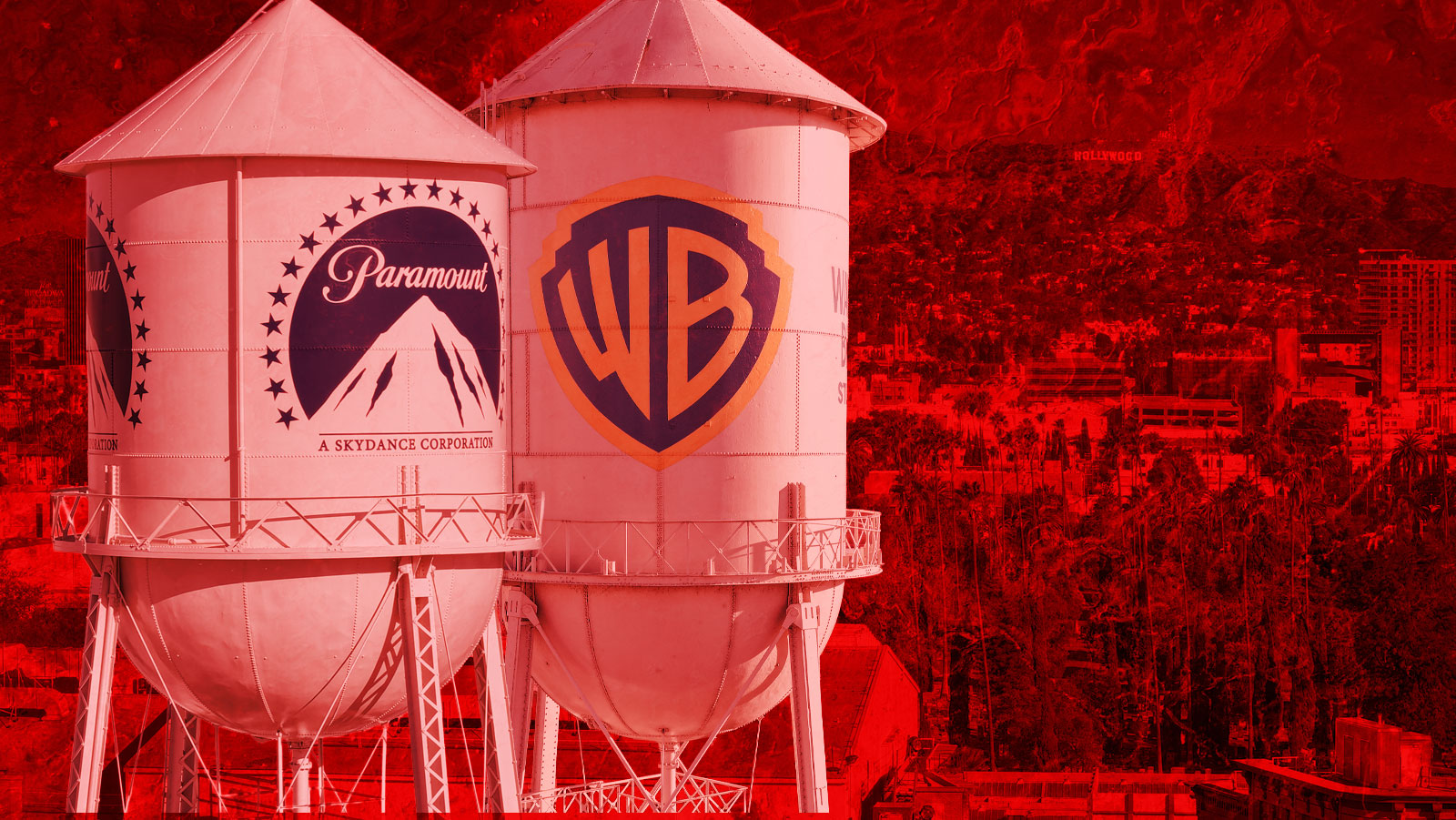
    The Merging Titans: Paramount and Warner Bros. Discovery

    Paramount Global’s legal team anticipates the company’s merger with Warner Bros. Discovery (WBD) will close on schedule, despite a series of lawsuits and the possibility of a Supreme Court appeal. This confidence underscores the determination of the involved parties to finalize one of the most significant media consolidations of 2026. The legal challenges reflect broader concerns about market concentration and antitrust implications within the entertainment industry.

    The proposed merger aims to create a new media powerhouse, combining Paramount’s extensive content library and distribution networks with WBD’s diverse portfolio. Both companies have been navigating a rapidly evolving media landscape, marked by intense competition from streaming services and shifting consumer habits. The strategic rationale behind the merger centers on achieving greater scale and efficiency in a highly competitive global market.

    The Legal Landscape: Multiple Fronts

    The path to merger completion has been complicated by multiple legal challenges. These lawsuits generally allege that the merger could harm competition or that the terms of the deal are not in the best interest of shareholders. Such legal actions are not uncommon in large-scale corporate mergers, particularly in sectors with significant public interest and regulatory oversight.

    Shareholder groups and consumer advocacy organizations often initiate these lawsuits. They seek to either block the merger or secure better terms for affected parties. The details of these specific lawsuits against the Paramount-WBD merger remain under judicial review in various courts. Each case adds a layer of complexity to the overall transaction timeline.

    Antitrust Concerns and Regulatory Scrutiny

    Antitrust regulators across different jurisdictions have also scrutinized the Paramount-WBD merger. Their primary concern is preventing monopolies or undue market dominance that could stifle innovation and harm consumers. The media industry has seen several large mergers in recent years, each drawing similar regulatory attention.

    The Department of Justice (DOJ) in the United States, alongside regulatory bodies in the European Union and other key markets, has been evaluating the potential impact of the combined entity. These reviews can result in conditions being imposed on the merger, such as the divestiture of certain assets, to ensure fair competition. The ongoing dialogue with these regulatory bodies is a critical component of the merger’s progression.

    The Supreme Court Appeal: A Potential Hurdle

    The possibility of an appeal reaching the Supreme Court introduces a significant, albeit less common, element to the merger’s legal trajectory. Supreme Court involvement typically occurs when lower court decisions raise fundamental questions of law or constitutional interpretation. Such an appeal would elevate the legal stakes considerably.

    A Supreme Court review could either affirm or overturn previous rulings, potentially altering the course of the merger. While the exact grounds for a Supreme Court appeal in this context are not publicly detailed, they would likely revolve around significant legal disagreements stemming from the lower court cases. The involvement of the nation’s highest court would undeniably extend the timeline and increase the scrutiny on the merger’s legal underpinnings.

    Precedent and Impact on Future Mergers

    Any Supreme Court decision regarding the Paramount-WBD merger would set a significant precedent. This precedent could influence how future large-scale media mergers are evaluated and litigated. The judicial interpretation of antitrust laws and corporate governance in this case would have lasting implications for the industry.

    Legal experts are closely watching the developments, recognizing the broader implications for corporate law and media consolidation. The outcome could either embolden or deter future merger activities in a sector already prone to rapid transformation. The legal battles are not just about Paramount and WBD; they are about the future structure of global entertainment.

    Paramount’s Stance: Confidence Amidst Adversity

    Despite the legal challenges and the potential for a Supreme Court appeal, Paramount’s legal counsel maintains a confident outlook. This confidence suggests that the company believes its legal arguments are robust and that the merger’s terms are defensible. Corporate legal strategies often involve preparing for multiple eventualities, including protracted litigation.

    The expectation of an on-time closure indicates that the legal team has factored in these challenges. They likely have developed strategies to navigate them without significantly delaying the integration process. This proactive approach is crucial in large transactions where delays can lead to increased costs and market uncertainty.

    Strategic Rationale for the Merger

    The strategic benefits driving the Paramount-WBD merger are substantial. A combined entity would possess a vast array of intellectual property, including iconic film franchises, popular television series, and extensive news and sports programming. This scale could provide a competitive edge against other major players like Disney, Netflix, and Amazon.

    Furthermore, the merger is expected to generate significant synergies, leading to cost efficiencies in operations, content production, and distribution. These financial advantages are often a primary motivator for such large-scale corporate unions. The companies aim to enhance their streaming offerings and global reach, adapting to changing consumption patterns.

    The Future of Media Consolidation

    The Paramount-WBD merger represents a continuing trend of consolidation within the media industry. Companies are seeking to achieve greater scale, diversify revenue streams, and enhance their competitive positions. This trend is driven by technological advancements, evolving consumer preferences, and the global race for content dominance.

    The outcome of the legal battles surrounding this merger will provide insights into the regulatory and judicial appetite for further consolidation. It will test the boundaries of existing antitrust frameworks in a digital age. The industry watches closely to understand the future landscape of media ownership and content distribution.

    Lawsuits challenge. Regulatory bodies scrutinize. Appeals loom. The industry waits.

    Consolidation.

  • Paramount Skydance Merger Faces Combined Antitrust and Subscriber Suits

    Paramount Skydance Merger Faces Combined Antitrust and Subscriber Suits

    The Convergence of Corporate Scrutiny and Consumer Rights

    The completed merger between Paramount Global and Skydance Media has encountered a significant legal development. An antitrust lawsuit challenging the merger has been formally linked to an existing class-action lawsuit filed by subscribers against Paramount+. This consolidation means that two distinct but related legal challenges will now proceed in conjunction, creating a unified front of scrutiny against Paramount’s corporate practices and the potential implications of its merger with Skydance.

    This linkage underscores a broader trend of increased judicial and public oversight over large corporate mergers, particularly in the media and technology sectors. Consumer advocacy groups and regulatory bodies have expressed growing concerns about market concentration and its effects on competition, innovation, and consumer choice. The decision to combine these cases suggests a judicial acknowledgment of the interconnectedness of these issues.

    The Antitrust Challenge to the Paramount-Skydance Merger

    The antitrust case against the Paramount-Skydance merger centers on concerns that the proposed combination could lead to reduced competition in the entertainment industry. Regulators and plaintiffs in antitrust suits often argue that such mergers could result in higher prices for consumers, fewer content choices, and stifled innovation. These cases typically involve extensive economic analysis and legal arguments about market definition and competitive impact.

    The Department of Justice (DOJ) and the Federal Trade Commission (FTC) are the primary federal agencies responsible for enforcing antitrust laws in the United States. While the specific details of the antitrust filing against the Paramount-Skydance merger are under wraps, such cases often examine the market share of the combined entity, potential barriers to entry for new competitors, and the impact on various segments of the entertainment ecosystem, including content production, distribution, and streaming services.

    Historically, significant media mergers have faced intense scrutiny. Examples include the AT&T-Time Warner merger, which underwent a lengthy legal battle, and the proposed Comcast-Time Warner Cable merger, which was ultimately withdrawn due to regulatory concerns. These precedents highlight the rigorous standards applied to transactions that could reshape the media landscape.

    The Paramount+ Subscriber Lawsuit

    The pre-existing subscriber lawsuit against Paramount+ alleges various grievances from consumers. While the precise details of these allegations are not publicly detailed in the provided article, similar lawsuits against streaming services often involve claims related to service quality, pricing changes, misleading advertising, or breaches of subscriber agreements. Consumers increasingly expect transparency and consistent service from their streaming providers.

    Class-action lawsuits, like the one against Paramount+, allow a group of individuals with similar claims to collectively pursue legal action against a company. These suits can result in significant financial penalties for corporations found liable, as well as mandates for changes in business practices. The success of such lawsuits often depends on demonstrating a pattern of harm or misconduct affecting a large number of subscribers.

    Why Link the Cases?

    The decision to link the antitrust merger case with the subscriber lawsuit is a strategic move, likely driven by judicial efficiency and the potential for overlapping legal arguments and evidence. Both cases touch upon Paramount’s operational and strategic decisions, albeit from different angles.

    From an antitrust perspective, a merger’s impact on consumers, including service quality and pricing, can be a relevant factor in determining whether it is anticompetitive. From a consumer rights perspective, corporate actions related to a merger, such as changes in service offerings or content strategy, could directly affect subscribers. Combining the cases allows for a more holistic examination of Paramount’s conduct and the proposed merger’s implications.

    This consolidation could streamline discovery processes, allowing both sets of plaintiffs to access relevant internal documents and corporate communications more efficiently. It also reduces the potential for conflicting rulings or redundant litigation. For Paramount, it means facing a combined legal challenge that could be more complex and resource-intensive than defending against two separate actions.

    Implications for the Streaming Industry

    The linking of these cases sends a clear signal to the broader streaming industry. Companies contemplating mergers or operating large subscriber bases are under increasing pressure to demonstrate that their actions benefit, or at least do not harm, consumers and competition. The regulatory environment for media and tech mergers has become more stringent in recent years, reflecting concerns about the power and influence of large digital platforms.

    This legal development could encourage other streaming services to review their subscriber agreements, pricing strategies, and content policies to ensure compliance with consumer protection laws and to mitigate potential legal risks. It also highlights the importance of anticipating regulatory scrutiny when planning major corporate transactions.

    For consumers, this development reinforces the idea that their voices, through class-action lawsuits, can influence significant corporate decisions and regulatory outcomes. It validates concerns about corporate accountability and the need for robust legal mechanisms to protect consumer interests in a rapidly evolving digital marketplace.

    The Road Ahead for Paramount and Skydance

    The combined legal challenge will undoubtedly add complexity and uncertainty to the Paramount-Skydance merger process. Both companies will need to dedicate significant resources to legal defense, potentially delaying the merger’s completion or even jeopardizing its approval. The outcome of these linked cases could have profound implications for the structure and future direction of the combined entity.

    The legal proceedings will likely involve expert testimony, extensive document review, and potentially lengthy court battles. The focus will be on demonstrating whether the merger would harm competition and whether Paramount+ has violated its obligations to subscribers. The decisions rendered in these cases could establish new legal precedents for the streaming era.

    The entertainment industry watches. Regulators watch. Consumers watch.

    Accountability.

  • WGA Sues to Block Paramount-Warner Bros. Discovery Merger

    WGA Sues to Block Paramount-Warner Bros. Discovery Merger

    The Writers Guild of America Files Lawsuit

    The Writers Guild of America (WGA) has filed a lawsuit seeking to block the proposed merger between Paramount Global and Warner Bros. Discovery. This legal action, initiated in 2026, stems from significant concerns that the consolidation of these two major media entities would detrimentally affect writers’ compensation and employment opportunities across the entertainment industry.

    The WGA’s filing argues that a combined Paramount-Warner Bros. Discovery would create an anti-competitive environment. Such a merger, the Guild contends, would grant the new entity undue market power, enabling it to dictate terms that are less favorable to writers.

    Concerns Over Market Concentration

    The core of the WGA’s argument centers on market concentration. If Paramount Global and Warner Bros. Discovery merge, the number of major buyers for screenplays and television scripts would decrease. This reduction in competition, the WGA asserts, would directly translate into diminished bargaining power for individual writers and the Guild as a whole.

    Historically, a diverse marketplace with multiple studios and distributors has offered writers more options and leverage. The WGA fears that a more concentrated market would allow the merged company to suppress wages and impose less favorable working conditions without significant pushback.

    Impact on Writer Compensation

    A primary concern for the WGA is the potential for reduced writer pay. The Guild’s lawsuit details how a consolidated entity could exert greater control over the rates paid for scripts, series development, and residuals. With fewer studios competing for talent, the pressure to offer competitive compensation packages would lessen.

    This concern is particularly acute for mid-career and emerging writers, who often rely on a competitive market to secure viable projects and fair compensation. The WGA argues that such a scenario could lead to a significant decline in the overall economic well-being of its members.

    Fewer Opportunities for Writers

    Beyond compensation, the WGA’s lawsuit also highlights the risk of fewer job opportunities. Mergers often result in redundancies, not only in corporate structures but also in creative development departments. A combined studio might streamline its content slate, leading to fewer greenlit projects and, consequently, fewer writing assignments.

    This reduction in opportunities could disproportionately affect diverse voices and niche genres, as a larger, more risk-averse entity might prioritize broad appeal projects. The WGA emphasizes that a healthy industry requires a constant influx of new stories and perspectives, which depends on a robust and accessible marketplace for writers.

    The Broader Landscape of Hollywood Mergers

    The WGA’s legal challenge is not an isolated incident but rather a reflection of ongoing anxieties within Hollywood regarding corporate consolidation. The entertainment industry has seen a series of high-profile mergers and acquisitions in recent years, each raising similar questions about market power, competition, and the impact on creative talent.

    Past mergers, such as Disney’s acquisition of 21st Century Fox, have demonstrated the potential for significant shifts in industry dynamics. While proponents argue that such mergers create efficiencies and enable greater investment in content, critics often point to the negative consequences for labor and independent creators.

    Regulatory Scrutiny of Media Mergers

    The proposed Paramount-Warner Bros. Discovery merger is likely to face intense scrutiny from regulatory bodies. Antitrust concerns are central to such reviews, with regulators assessing whether a merger would substantially lessen competition or create a monopoly in any market segment.

    The WGA’s lawsuit provides regulators with a detailed account of how the merger could specifically harm creative labor. This input can be crucial in shaping the regulatory response, potentially leading to conditions being placed on the merger or, in some cases, outright blocking it.

    The WGA’s History of Advocacy

    The Writers Guild of America has a long history of advocating for its members’ rights and interests. The Guild has been instrumental in securing fair wages, residuals, and working conditions for screenwriters and television writers through collective bargaining and, when necessary, legal action.

    The current lawsuit against the Paramount-Warner Bros. Discovery merger aligns with the WGA’s established mission to protect the economic and creative livelihoods of writers. The Guild views this legal challenge as a crucial step in preventing a significant setback for its members and the broader writing community.

    Previous Labor Disputes

    The WGA has engaged in significant labor disputes in recent history, including major strikes. These actions have often centered on issues of compensation, streaming residuals, and the overall economic model of the entertainment industry. The current lawsuit can be seen as an extension of these ongoing efforts to ensure writers receive fair value for their work in an evolving media landscape.

    The legal strategy employed by the WGA in this case draws upon precedents and arguments developed during previous negotiations and disputes, aiming to demonstrate a clear pattern of potential harm to workers from unchecked corporate power.

    Potential Outcomes of the Lawsuit

    The WGA’s lawsuit could lead to several outcomes. The courts might issue an injunction to halt the merger, pending further review or resolution of the Guild’s concerns. Alternatively, the lawsuit could prompt the merging companies to negotiate concessions with the WGA, addressing some of their demands regarding writer compensation and opportunities.

    A less favorable outcome for the WGA would be the court dismissing the lawsuit, allowing the merger to proceed without specific protections for writers. However, even in such a scenario, the lawsuit serves to highlight the issues and could influence public opinion and future regulatory actions.

    Implications for the Entertainment Industry

    The outcome of this lawsuit will have significant implications for the entertainment industry as a whole. A successful challenge by the WGA could set a precedent for other labor unions to intervene in major corporate mergers, asserting the rights of creative professionals in an increasingly consolidated market.

    Conversely, if the merger proceeds despite the WGA’s objections, it could signal a weakening of labor’s ability to influence large-scale corporate decisions, potentially emboldening further consolidation efforts by media giants.

    The Future of Content Creation

    The debate surrounding the Paramount-Warner Bros. Discovery merger and the WGA’s lawsuit touches upon the fundamental question of who controls the creation and distribution of stories. The WGA argues that a highly concentrated industry risks stifling creativity and reducing the diversity of voices.

    The Guild’s vision is one where writers have fair compensation and ample opportunities, leading to a richer and more varied content landscape for audiences. The lawsuit is a direct challenge to the idea that corporate efficiency should supersede the well-being of the creative talent that fuels the industry.

    Writers organize. Unions litigate. Industries consolidate.

    Hollywood.

  • NYC Mayor Zohran Mamdani Opposes Paramount-WBD Merger – Citing Public Interest

    NYC Mayor Zohran Mamdani Opposes Paramount-WBD Merger – Citing Public Interest

    New York City Mayor Zohran Mamdani declared on July 13, 2026, that a potential merger between Paramount Global and Warner Bros. Discovery (WBD) would not serve the public interest. This statement places a prominent political figure in opposition to one of the largest potential media consolidations in recent memory. The Mayor’s concerns center on the broader implications of such a deal for consumers, content diversity, and market competition.

    This declaration from a major city’s top official adds a new dimension to the ongoing discussions surrounding the proposed media giant. It signals a heightened scrutiny from public servants regarding corporate actions that could reshape significant industries.

    The Proposed Merger Landscape

    Discussions regarding a potential merger between Paramount Global and Warner Bros. Discovery have circulated for several months in 2026. These talks involve two of the largest media conglomerates globally. Paramount Global encompasses brands such as CBS, Showtime, MTV, Nickelodeon, and the Paramount Pictures film studio. Its streaming service is Paramount+.

    Warner Bros. Discovery holds assets including Warner Bros. Entertainment, CNN, HBO, the Discovery Channel, and the Max streaming service. A combination of these entities would create a media titan with an extensive portfolio across film, television, news, and streaming platforms.

    The strategic rationale for such a merger often cites increased scale, cost efficiencies, and enhanced competitive positioning against other streaming and entertainment giants. However, these benefits are frequently weighed against potential downsides by regulators and public interest advocates.

    Mayor Mamdani’s Stance on Public Interest

    Mayor Mamdani’s opposition stems from a perspective that prioritizes the public good over corporate synergies. His statement on July 13, 2026, explicitly used the phrase, “Not a merger that serves the public.” This phrasing suggests concerns beyond mere market competition.

    The Mayor’s office has previously indicated a focus on ensuring fair practices and equitable access within the city’s economic landscape. Media consolidation, from this viewpoint, can lead to reduced choice for consumers. It can also potentially lead to less diverse content offerings.

    Such mergers might also impact local media ecosystems. This includes job markets within the media sector in New York City. New York City serves as a major hub for both Paramount Global and Warner Bros. Discovery operations.

    Concerns Over Media Consolidation

    Media consolidation has been a recurring point of contention for decades. Critics argue that fewer media owners lead to fewer distinct voices. This can reduce the range of perspectives available to the public.

    It can also concentrate power in the hands of a few corporations. This concentration can influence cultural narratives and political discourse. Public officials often express apprehension regarding the impact on local news coverage and independent content creation.

    For consumers, consolidation can translate into higher subscription costs for streaming services. It can also lead to bundling of unwanted content. It may also limit options for niche programming.

    Historical Precedents and Regulatory Scrutiny

    Major media mergers have historically faced significant regulatory scrutiny. The U.S. Department of Justice (DOJ) and the Federal Trade Commission (FTC) are typically responsible for reviewing such transactions. Their role is to ensure that mergers do not substantially lessen competition.

    Past examples include the AT&T and Time Warner merger, which faced a protracted legal battle with the DOJ before being approved in 2018. More recently, proposed mergers like the acquisition of Simon & Schuster by Penguin Random House were blocked by the courts in 2022 due to antitrust concerns.

    The regulatory landscape in 2026 continues to evolve. There is an increasing emphasis on consumer welfare and market concentration. President Donald Trump’s administration has generally favored a robust approach to antitrust enforcement. This stance suggests that any large-scale media merger would face a thorough and potentially challenging review process.

    The Role of Local Officials in National Debates

    While federal agencies hold the primary authority for approving or blocking mergers, statements from local officials like Mayor Mamdani carry significant weight. They can influence public opinion. They can also draw additional attention from federal regulators.

    A mayor of a city as influential as New York City represents a large constituency. This constituency includes many employees of the companies involved. It also includes millions of consumers who would be affected by the merger’s outcome.

    Such statements can also galvanize advocacy groups. These groups often campaign against media consolidation. Their collective voice can amplify the arguments against a proposed deal.

    Economic and Cultural Impact on New York City

    New York City is a global capital for media and entertainment. Both Paramount Global and Warner Bros. Discovery maintain substantial operations within the five boroughs. A merger could lead to significant restructuring. This might include layoffs or the consolidation of office spaces.

    Such changes would have a direct economic impact on the city’s workforce. They would also affect the broader creative industries. The cultural vibrancy of New York City is deeply intertwined with its media landscape. Reduced competition could stifle independent production and diverse storytelling.

    Mayor Mamdani’s concerns likely encompass these local economic and cultural ramifications. He aims to protect the city’s status as a hub for diverse media production and consumption.

    The Future of Media Consolidation

    The media industry continues to undergo rapid transformation. The rise of streaming services, the decline of traditional advertising, and the increasing cost of content creation drive companies toward scale. This often leads to merger discussions.

    However, the regulatory environment is also becoming more stringent. Public awareness of antitrust issues is growing. This creates a complex landscape for companies seeking to combine.

    The statement from Mayor Mamdani serves as a clear indicator of this evolving dynamic. It highlights that the public interest argument is gaining prominence in discussions about corporate strategy.

    Media executives consider market share. They consider content libraries. They consider subscriber numbers. Public officials consider job security. They consider content diversity. They consider consumer choice. These considerations often diverge.

    The debate around the Paramount-WBD merger underscores a critical tension. It is a tension between corporate growth ambitions and public welfare. The outcome of such debates will shape the future of entertainment. It will also shape the future of information access.

    Regulators will review financial models. They will review market analyses. They will review public statements.

    The public will watch. The industry will watch. The city will watch.

    New York.

  • Oregon AG Drops Demands in Paramount-Warner Bros. Discovery Merger Review

    Oregon AG Drops Demands in Paramount-Warner Bros. Discovery Merger Review

    Oregon AG Relieves Merger Pressure

    Oregon Attorney General Dan Rayfield officially withdrew her office’s demands for extensive internal records from Paramount Global and Warner Bros. Discovery. This action also included rescinding a motion to delay the proposed merger between the two media conglomerates. The decision, made public in July 2026, signals a notable reduction in state-level regulatory pressure on the high-profile media consolidation.

    The withdrawal by the Oregon Department of Justice removes a specific hurdle that had emerged in the state’s review process. This development comes as the broader entertainment industry watches closely for the outcome of various regulatory assessments of the merger.

    The Proposed Media Behemoth

    The merger proposal seeks to combine two of the largest entities in the global media landscape. Paramount Global encompasses a vast portfolio, including the CBS broadcast network, Paramount Pictures film studio, and streaming services like Paramount+. Its holdings also include cable networks such as Comedy Central, MTV, Nickelodeon, and Showtime.

    Warner Bros. Discovery, formed from the 2022 merger of WarnerMedia and Discovery, Inc., brings an equally extensive array of assets. These include the Warner Bros. film and television studios, the HBO and Max streaming platforms, cable news giant CNN, and a suite of lifestyle and entertainment channels such as HGTV and Discovery Channel.

    The combined entity would command a significant share of content production, distribution, and streaming subscribers. Industry analysts estimate the potential valuation of the merged company in the tens of billions of dollars, creating a formidable competitor to Disney, Netflix, and Comcast.

    Regulatory Scrutiny Intensifies

    The proposed merger has faced intense scrutiny from multiple regulatory bodies. Antitrust concerns typically arise when two major players in an industry seek to combine, potentially reducing competition and impacting consumers or smaller competitors. Federal agencies, including the Department of Justice (DOJ) and the Federal Trade Commission (FTC), have been conducting their own comprehensive reviews.

    The DOJ’s Antitrust Division and the FTC are responsible for enforcing antitrust laws to prevent monopolies and ensure fair competition. Their investigations often involve examining market concentration, potential price increases for consumers, and impacts on content creators and distributors.

    State attorneys general also play a role in antitrust enforcement, often collaborating with federal agencies or conducting independent investigations. The Oregon AG’s initial demands reflected a proactive stance on potential competitive harms within the state.

    Oregon’s Initial Concerns

    Attorney General Ellen Rosenblum’s office had previously expressed concerns regarding the merger’s potential effects on competition within Oregon’s media markets. These concerns likely centered on areas such as local advertising, cable television distribution, streaming service offerings, and content production.

    The demands for internal records sought to gather detailed information about the companies’ operations, market strategies, and anticipated synergies from the merger. Such requests are standard practice in antitrust reviews, allowing regulators to assess the competitive landscape thoroughly.

    The motion to delay the merger indicated a desire for more time to evaluate the extensive documentation and potential impacts. This move underscored the seriousness with which the Oregon AG’s office approached its oversight responsibilities.

    The Path to Withdrawal

    The specific reasons for Attorney General Rosenblum’s withdrawal of demands and the motion to delay have not been publicly detailed. However, such decisions often stem from a combination of factors. These can include a satisfactory response from the merging parties to initial concerns, the provision of sufficient data to alleviate fears of anti-competitive behavior, or a strategic reassessment of the legal and evidentiary strength of the state’s case.

    It is also possible that negotiations between the Oregon AG’s office and representatives from Paramount Global and Warner Bros. Discovery led to concessions or agreements that satisfied the state’s concerns. These could involve commitments regarding content access, pricing, or local market competition.

    The withdrawal does not necessarily signify a complete endorsement of the merger. Instead, it indicates that the specific objections and information needs of the Oregon AG’s office have been addressed to a sufficient degree to remove these particular obstacles.

    Broader Regulatory Landscape Remains Active

    While Oregon’s withdrawal removes a state-level impediment, the merger still faces significant hurdles at the federal level. The Department of Justice and the Federal Trade Commission continue their independent reviews. These federal investigations are typically more extensive and carry greater weight in determining the ultimate fate of such large-scale mergers.

    Antitrust regulators often focus on potential harm to consumers through reduced choice or higher prices, and harm to competition in various sub-markets. For media mergers, this includes examining the concentration of content ownership, control over distribution platforms, and the impact on independent creators.

    Historical precedents for media mergers have varied. Some large consolidations have been approved with conditions, while others have faced significant challenges or outright rejection. The 2018 AT&T-Time Warner merger, for example, faced a prolonged legal battle with the DOJ before its eventual approval.

    Industry Implications and Future Outlook

    The potential merger of Paramount Global and Warner Bros. Discovery represents a significant consolidation trend within the entertainment industry. Companies are increasingly seeking scale to compete in a rapidly evolving landscape dominated by streaming services and global content demand.

    A combined entity would possess a vast library of intellectual property, including iconic film franchises, popular television series, and extensive news and sports programming. This would allow for greater leverage in negotiations with distributors and advertisers, and potentially more resources for content creation.

    However, concerns persist about the impact on media diversity and independent voices. Fewer major players could lead to less varied content offerings and reduced opportunities for smaller production companies.

    The outcome of the federal reviews will be critical in shaping the future of this proposed media giant. The Oregon AG’s withdrawal, while important, is one piece of a much larger regulatory puzzle that continues to unfold in 2026.

    The media landscape shifts. Corporate strategies adapt. Regulatory bodies scrutinize.

    The future of entertainment hangs in the balance.

    Frequently Asked Questions

  • Oregon AG Seeks Merger Delay – Alleges DOJ Approval Was Corrupt

    Oregon AG Seeks Merger Delay – Alleges DOJ Approval Was Corrupt

    Oregon’s Attorney General has initiated a formal request to delay the proposed merger between Paramount Global and Warner Bros. Discovery. This action stems from serious allegations suggesting the Department of Justice’s (DOJ) initial approval of the merger was compromised by corruption. The intervention brings into question the transparency and integrity of the regulatory processes governing large-scale corporate consolidations within the United States.

    The Attorney General’s office did not immediately provide specific details regarding the nature of the alleged corruption. However, the move indicates a deep-seated concern over the potential implications of such a significant media merger proceeding without thorough, uncompromised scrutiny.

    The Proposed Media Behemoth

    The merger between Paramount Global and Warner Bros. Discovery represents a monumental shift in the global media landscape. Both companies command extensive portfolios of content, including film studios, television networks, streaming services, and intellectual property libraries.

    Paramount Global operates Paramount Pictures, CBS, Showtime, MTV, Nickelodeon, and the Paramount+ streaming service. Warner Bros. Discovery encompasses Warner Bros. Pictures, HBO, CNN, TNT, TBS, Discovery Channel, and the Max streaming platform.

    A combined entity would create one of the largest media conglomerates worldwide. This new company would exert considerable influence over content creation, distribution, and consumption across multiple platforms. Such consolidation raises immediate antitrust concerns regarding market competition and consumer choice.

    Antitrust Scrutiny and Public Interest

    Antitrust laws are designed to prevent monopolies and promote fair competition. The Department of Justice, specifically its Antitrust Division, is responsible for reviewing proposed mergers to ensure they do not harm consumers or stifle innovation.

    Historically, media mergers have faced intense scrutiny due to their potential impact on public discourse and cultural production. The current administration has signaled a more aggressive stance on antitrust enforcement, particularly in sectors where consolidation has been rampant.

    The Oregon Attorney General’s allegations suggest that this scrutiny may have been circumvented or undermined in the case of the Paramount-Warner Bros. merger. This challenges the public trust in the regulatory bodies tasked with safeguarding market fairness.

    Allegations of Corruption: Unpacking the Claim

    The precise nature of the corruption alleged by Oregon’s Attorney General remains under wraps. However, such claims typically involve improper influence, conflicts of interest, or illegal financial transactions designed to sway regulatory decisions.

    In the context of a major merger, corruption could manifest in various ways. This might include undisclosed lobbying efforts, illicit payments to officials, or the leveraging of personal relationships to expedite or approve a deal that would otherwise face significant obstacles.

    The Attorney General’s office has not yet released specific evidence or named individuals. The request for a delay is a procedural step to allow for a deeper investigation into these serious claims.

    Previous Merger Controversies

    The history of media mergers is replete with controversies and legal challenges. The AT&T-Time Warner merger, completed in 2018, faced a protracted legal battle with the DOJ before its eventual approval. That case centered on concerns about vertical integration and its potential impact on competition.

    More recently, the proposed merger between Sprint and T-Mobile also underwent extensive regulatory review. It ultimately secured approval after concessions were made to address antitrust concerns.

    These precedents underscore the complexity and sensitivity of merger reviews, particularly when public interest and market competition are at stake. Allegations of corruption introduce an entirely new dimension of concern, potentially eroding confidence in the entire regulatory framework.

    The Role of State Attorneys General

    State Attorneys General play a crucial role in antitrust enforcement. While the federal Department of Justice handles national-level reviews, state AGs can initiate their own investigations and legal actions, especially when they perceive harm to their state’s residents or economy.

    Oregon’s intervention highlights this dual enforcement mechanism. A state AG can act as a check on federal decisions, particularly if there are suspicions of impropriety or a failure to adequately protect consumer interests.

    The request for a delay is a powerful tool. It can halt the merger process, providing time for further investigation and potentially leading to new conditions or even a complete rejection of the deal.

    Potential Ramifications for the Merger

    A delay in the merger process could have significant financial and strategic consequences for Paramount Global and Warner Bros. Discovery. Both companies have already invested substantial resources in planning and executing the consolidation.

    Delays can lead to increased costs, loss of market momentum, and uncertainty for investors and employees. Furthermore, if the corruption allegations prove to be founded, the entire deal could be jeopardized, leading to severe reputational damage for all parties involved.

    The outcome of this request will also have broader implications for the media industry. It could signal a renewed era of stringent antitrust enforcement, where even federally approved deals are subject to further scrutiny from state-level authorities.

    The Path Forward: Investigations and Legal Battles

    Following Oregon’s request, several scenarios could unfold. The Department of Justice may be compelled to review its initial approval process, potentially launching an internal investigation into the corruption claims.

    Oregon’s Attorney General could also initiate its own independent investigation, gathering evidence and building a case. This could lead to legal challenges in state or federal courts, seeking to block the merger or impose new conditions.

    The companies involved, Paramount Global and Warner Bros. Discovery, will likely defend their merger and the integrity of the approval process. This could result in a complex and protracted legal battle, adding further uncertainty to the deal’s future.

    Impact on the Media Industry

    The media industry is currently undergoing rapid transformation, driven by technological advancements and shifting consumer habits. Mergers and acquisitions are common strategies for companies seeking to scale, diversify, and compete in this dynamic environment.

    However, the Oregon Attorney General’s actions serve as a powerful reminder of the regulatory hurdles and public scrutiny that accompany such large-scale consolidations. It underscores the importance of transparency and ethical conduct throughout the merger approval process.

    Should the allegations of corruption be substantiated, it could lead to a significant reassessment of how major corporate deals are vetted and approved in the United States. It could also empower other state attorneys general to take a more active role in challenging federal regulatory decisions.

    A request issued. A challenge launched. A process questioned. A future uncertain.

  • Nexstar Blasts Tegna Merger Injunction – Cites ‘Cynical Attempts’ by DirecTV and State AGs

    Nexstar Blasts Tegna Merger Injunction – Cites ‘Cynical Attempts’ by DirecTV and State AGs

    The Injunction and Nexstar’s Response

    Nexstar Media Group, a prominent force in local television broadcasting, has publicly condemned the injunction that has halted the integration of its $6.2 billion acquisition of Tegna Inc. The company’s strong statement directly implicated DirecTV and several state attorneys general, accusing them of ulterior motives.

    Nexstar asserted that these parties are making “cynical attempts to advance their own commercial and political interests.” This accusation marks a significant escalation in the ongoing dispute surrounding the proposed media merger.

    The Scope of the Proposed Acquisition

    The acquisition, valued at $6.2 billion, would significantly expand Nexstar’s already extensive portfolio of local television stations across the United States. Tegna Inc. operates a substantial number of stations affiliated with major networks, including NBC, CBS, ABC, and Fox.

    A successful merger would create one of the largest local broadcasting entities in the nation. This consolidation raises questions about market competition and consumer impact, which are often at the core of regulatory scrutiny.

    Accusations Against DirecTV and State Attorneys General

    Nexstar’s statement did not mince words regarding the motivations of those opposing the merger. The company specifically targeted DirecTV, a major satellite television provider, suggesting its involvement is driven by commercial self-interest.

    The criticism also extended to an unspecified group of state attorneys general. Nexstar implied that these officials are leveraging their positions to achieve political objectives, rather than solely focusing on public interest or antitrust concerns.

    The Role of Commercial Interests

    DirecTV’s alleged commercial interests in opposing the merger likely stem from potential changes in retransmission fees. These fees, paid by cable and satellite providers to local broadcasters for carrying their signals, are a significant revenue stream for station owners.

    A larger, consolidated Nexstar could potentially command higher retransmission fees. This scenario could lead to increased costs for distributors like DirecTV, which might then be passed on to consumers. Preventing the merger could help DirecTV maintain leverage in future negotiations.

    The Influence of Political Agendas

    The involvement of state attorneys general introduces a political dimension to the dispute. These officials often play a role in consumer protection and antitrust enforcement within their respective states.

    Nexstar’s accusation suggests that some attorneys general may be using the high-profile merger as an opportunity to gain political visibility or to align with populist sentiments against corporate consolidation. The specific political interests were not detailed, but the implication of self-serving actions was clear.

    The Injunction’s Immediate Impact

    The injunction effectively places the $6.2 billion merger on hold. This legal pause creates uncertainty for both Nexstar and Tegna, impacting their strategic planning and financial outlooks.

    Mergers of this scale often involve complex financial arrangements, including debt financing and shareholder agreements. A prolonged injunction can complicate these aspects, potentially leading to renegotiations or even the collapse of the deal.

    Regulatory Hurdles and Antitrust Concerns

    Large media mergers typically face intense scrutiny from federal regulatory bodies, such as the Federal Communications Commission (FCC) and the Department of Justice (DOJ). These agencies assess whether proposed consolidations would harm competition or the public interest.

    Antitrust concerns frequently revolve around market concentration, potential for price increases, and reduced diversity of voices in media. The intervention by state attorneys general suggests a broader consensus among some government entities regarding these risks.

    The Broader Landscape of Media Consolidation

    The Nexstar-Tegna situation is part of a larger trend of consolidation within the media industry. Companies are seeking scale to compete in an evolving landscape dominated by streaming services and digital platforms.

    Local television, while still a vital source of news and information, faces economic pressures. Mergers are often presented as a way to achieve efficiencies and ensure the long-term viability of local broadcasting.

    Challenges for Local Broadcasting

    Local broadcasters contend with declining advertising revenues and increasing operational costs. The ability to negotiate favorable retransmission fees has become crucial for their financial health.

    Consolidation can provide broadcasters with greater leverage in these negotiations. However, critics argue that such mergers can also lead to job losses, reduced local content, and less diverse programming.

    What Happens Next?

    Nexstar’s public statement indicates a strong intent to challenge the injunction and proceed with the merger. The company will likely pursue legal avenues to overturn the decision and gain regulatory approval.

    The involved state attorneys general and DirecTV are expected to continue their opposition. This sets the stage for further legal battles and public discourse surrounding the future of local media ownership.

    Potential Outcomes for the Merger

    Several outcomes are possible. The injunction could be lifted, allowing the merger to proceed as planned. Alternatively, the deal could be significantly modified to address regulatory concerns, perhaps by divesting certain stations.

    In a less favorable scenario for Nexstar and Tegna, the merger could be abandoned altogether. The financial and reputational costs of a failed merger can be substantial for both companies.

    The Consumer Impact Debate

    At the heart of the debate over media consolidation is the impact on consumers. Proponents of mergers argue that scale allows for better content production and technological investment, ultimately benefiting viewers.

    Opponents contend that consolidation leads to higher prices, fewer choices, and a reduction in local news coverage. The balance between corporate efficiency and public interest remains a central tension in these discussions.

    Access to Local News

    Local news remains a critical service for many communities. Concerns are frequently raised that large corporate owners, focused on national strategies, may deprioritize local journalistic resources.

    This aspect of the debate resonates with communities who rely on local stations for information relevant to their daily lives. The quality and independence of local news are often cited as key public interest considerations.

    Conclusion: A Contested Media Landscape

    Nexstar’s forceful rebuttal to the Tegna merger injunction highlights the contentious nature of media consolidation in 2026. Commercial interests, political agendas, and regulatory oversight converge in complex ways.

    The future of the $6.2 billion acquisition remains uncertain. The battle for control of local media continues to unfold.

    Broadcasters contend. Regulators scrutinize. Distributors resist. The market shifts.

    Media.

  • ITV-Sky Takeover: Job Cuts, Content Sharing, and Antitrust Scrutiny

    ITV-Sky Takeover: Job Cuts, Content Sharing, and Antitrust Scrutiny

    The “historic” announcement of a deal for Sky to acquire ITV’s Media & Entertainment division in July 2026, subject to regulatory approval marks a pivotal moment for the United Kingdom’s broadcasting industry, signaling a future characterized by significant operational integration, potential job reductions, and intensified regulatory oversight. This multi-billion dollar acquisition combines two of the UK’s most prominent media entities, creating a formidable force in television production, distribution, and advertising.

    The deal’s announcement has prompted widespread discussion among industry analysts and media commentators regarding its long-term effects on competition, content diversity, and employment within the sector.

    The Genesis of a Media Giant: Sky and ITV’s Histories

    Sky Television launched in 1989, and merged with British Satellite Broadcasting in 1990 to form British Sky Broadcasting following the merger of Sky Television and British Satellite Broadcasting. It rapidly established itself as a dominant pay-TV provider in the UK, offering a comprehensive package of sports, movies, and entertainment channels. Over the decades, Sky expanded its footprint into broadband, telephony, and content production, becoming a vertically integrated media powerhouse.

    ITV, established in 1955, holds a foundational place in British broadcasting as the first commercial television network. It operates a network of regional licenses, producing a wide array of popular programming, including dramas, news, and reality shows. ITV’s free-to-air model and strong advertising revenue base have made it a cornerstone of the UK’s media ecosystem for over 70 years.

    Both companies have navigated evolving media landscapes, from the rise of cable and satellite television to the advent of digital streaming. Their individual histories are marked by strategic acquisitions, content innovation, and fierce competition for audience share and advertising revenue.

    The Rationale Behind the Acquisition

    Sky’s motivation for acquiring ITV stems from several strategic imperatives. In an increasingly competitive global media market, characterized by the rise of international streaming giants like Netflix and Disney+, consolidation offers a path to greater scale and efficiency. By integrating ITV’s extensive content library and production capabilities, Sky aims to bolster its offering and reduce reliance on third-party content licensing.

    For ITV, the acquisition provides access to Sky’s robust subscriber base and advanced technological infrastructure. ITV has faced pressures from declining linear advertising revenues and the need to invest heavily in its own streaming platforms. Joining forces with Sky offers a more secure financial footing and a wider distribution network for its content.

    The combined entity is expected to leverage cross-promotion opportunities, bundling Sky’s premium sports and entertainment with ITV’s popular free-to-air programming. This strategy aims to enhance subscriber retention and attract new audiences across various demographics.

    Immediate Impact: Job Cuts and Operational Streamlining

    One of the most immediate and tangible consequences of the Sky-ITV merger is the anticipation of significant job cuts. Media industry mergers frequently lead to redundancies as companies seek to eliminate duplicate roles and streamline operations. Analysts predict job losses across various departments, including administration, marketing, sales, and potentially in content production and technical support.

    These reductions are driven by the pursuit of operational synergies, a common goal in large-scale corporate acquisitions. The integration process will likely involve merging back-office functions, consolidating technology platforms, and optimizing content commissioning processes. While the exact number of affected employees remains undisclosed, industry experts estimate potential cuts in the thousands across both organizations.

    The integration process will be managed by a dedicated transition team, formed from executives of both Sky and ITV. Their mandate will be to identify efficiencies while attempting to retain key talent essential for the combined entity’s future growth.

    Content Sharing and Distribution Strategy

    A central pillar of the acquisition strategy involves a comprehensive content sharing and distribution model. Sky plans to integrate ITV’s vast library of acquired and original programming into its Sky Go and NOW streaming services, making ITV content accessible to Sky subscribers. Conversely, elements of Sky’s content, particularly non-exclusive programming, may find a broader audience through ITV’s free-to-air channels and its ITVX streaming platform.

    This reciprocal content arrangement aims to create a more compelling value proposition for consumers. Subscribers to Sky services will gain access to popular ITV dramas, documentaries, and entertainment shows, while ITV audiences may see more premium content previously exclusive to Sky.

    The deal also opens avenues for co-production and joint commissioning of new programming. By pooling resources, the combined entity can invest in larger, more ambitious projects, competing more effectively with global streaming services that have substantial content budgets. This could lead to a resurgence in high-quality British content production.

    Protracted Antitrust Scrutiny: Regulatory Hurdles

    The Sky-ITV merger has attracted significant attention from antitrust regulators in both the United Kingdom and the European Union. Concerns revolve around potential market dominance, reduced competition in advertising markets, and the impact on independent content producers.

    The UK’s Competition and Markets Authority (CMA) is expected to initiate an in-depth investigation into the proposed merger following its announcement in July 2026, citing concerns about the combined entity’s power in both pay-TV and free-to-air advertising. The CMA’s primary focus is on whether the merger would lead to higher prices for consumers, reduced choice, or stifle innovation in the broadcasting sector.

    Similarly, the European Commission launched its own review, examining the deal’s implications for the broader European media market, particularly concerning content licensing and cross-border advertising. These regulatory bodies have the power to impose conditions on the merger, such as requiring divestitures of certain assets, or even blocking the deal outright if it is deemed to be against the public interest.

    The scrutiny is expected to be protracted, with multiple phases of review, public consultations, and expert analysis. The companies have already submitted extensive documentation to address regulatory concerns, but the final outcome remains subject to the regulators’ findings and potential remedies.

    Executive Rejigs and Leadership Changes

    Mergers of this magnitude invariably lead to significant changes in executive leadership. The integration of Sky and ITV will necessitate a restructuring of management teams, with some senior executives from ITV potentially transitioning into new roles within the larger Sky organization, while others may depart.

    Sky’s current CEO, Dana Strong, is expected to lead the combined entity, overseeing the integration process and charting the strategic direction. ITV’s CEO, Carolyn McCall, is anticipated to take on a senior advisory role during the transition period, with her long-term position subject to further announcements. These leadership adjustments are critical for ensuring a smooth integration and aligning corporate cultures.

    The new organizational structure will aim to leverage the strengths of both companies, creating a unified leadership team responsible for content strategy, technology development, and commercial operations. The composition of the new board of directors will also reflect the new ownership structure, with Sky representatives holding a majority.

    The Broader Landscape: Media Consolidation Trends

    The Sky-ITV deal is part of a larger trend of media consolidation observed globally. Traditional broadcasters and publishers are increasingly combining forces to compete with the scale and resources of tech giants and global streaming services. This trend is driven by the need for greater financial resilience, expanded content libraries, and improved technological capabilities.

    In the UK, previous media mergers and acquisitions, such as the consolidation of regional newspaper groups and the expansion of telecommunications companies into media ownership, illustrate this ongoing shift. The Sky-ITV merger represents a significant acceleration of this trend within the television broadcasting sector.

    The long-term implications for media diversity and independent journalism remain a subject of debate. While consolidation can bring efficiencies and investment, critics argue it can also lead to fewer independent voices and a narrower range of perspectives in media output.

    Future Outlook and Challenges

    The combined Sky-ITV entity faces several challenges beyond regulatory approval. Integrating two large companies with distinct corporate cultures and operational practices is a complex undertaking. Ensuring employee morale during periods of restructuring and job cuts will be crucial for retaining talent and maintaining productivity.

    The new entity will also need to navigate the rapidly evolving digital media landscape. Consumer preferences are shifting towards on-demand viewing, personalized content, and mobile consumption. The success of the merged company will depend on its ability to innovate in these areas, developing compelling digital products and services that resonate with modern audiences.

    Furthermore, the competitive environment remains intense, with ongoing investment from international players and the emergence of new technologies. The Sky-ITV merger aims to create a stronger, more resilient British media champion, capable of competing effectively in this dynamic global arena.

    A New Chapter for British Broadcasting

    The acquisition represents a new chapter for British broadcasting. Content strategies will merge. Distribution networks will combine. Executive structures will reform. Antitrust regulators will weigh in. A new media landscape will emerge.

  • Paramount Skydance-Warner Bros. Discovery Merger: Europe’s Antitrust Crunch – David Ellison’s Deadline

    Paramount Skydance-Warner Bros. Discovery Merger: Europe’s Antitrust Crunch – David Ellison’s Deadline

    The proposed merger between Paramount Global and Warner Bros. Discovery faces intense antitrust scrutiny across Europe, with Britain’s regulatory decisions holding critical importance. David Ellison, Chairman and CEO of Paramount Skydance, is working to complete the complex transaction by a September 2026 deadline. This timeline puts significant pressure on the ongoing reviews by bodies like the European Commission and the UK’s Competition and Markets Authority (CMA).

    The potential combination of these media giants would reshape the global entertainment landscape. Regulators are assessing the deal’s impact on market competition, consumer choice, and the broader media ecosystem.

    Europe’s Antitrust Watchdogs Mobilize

    The European Commission is the primary antitrust authority for the European Union. Its mandate is to ensure that large mergers do not unduly restrict competition within the bloc’s single market.

    The Commission initiates a multi-stage review process. This begins with a preliminary assessment of the merger’s scope and potential market implications.

    Initial concerns often center on market concentration. Regulators examine whether the combined entity would hold too dominant a position in areas such as content production, distribution channels, and advertising sales.

    The review process involves extensive data collection. This includes detailed submissions from the merging parties, as well as input from competitors, customers, and industry associations.

    Particular attention is paid to horizontal overlaps. These occur when both companies operate in the same segments, such as film studios or streaming services. Vertical integration issues, like control over both content creation and its subsequent delivery platforms, are also closely analyzed.

    Key Areas of Regulatory Concern

    Regulators frequently highlight several potential harms. A significant concern is the reduction of consumer choice in streaming platforms, television channels, and film offerings.

    Another focus is the impact on independent content creators and smaller distributors. A larger, more powerful entity could potentially dictate terms or reduce opportunities for these players.

    The advertising market is also under review. Consolidation could lead to fewer buyers for ad inventory, potentially increasing costs for advertisers and limiting options for publishers.

    The Commission’s findings from this comprehensive investigation guide its decision. It can clear the merger unconditionally, approve it with specific remedies, or block it entirely if the anti-competitive effects are deemed too severe.

    Britain’s Critical Role in Merger Approval

    Britain’s Competition and Markets Authority (CMA) operates independently but holds significant power over the merger’s viability. The United Kingdom remains a crucial market for global media companies.

    The CMA conducts its own in-depth assessment. Its focus is on the merger’s specific impact on competition within the UK’s distinct media landscape.

    The UK market has its own unique regulatory frameworks and consumer preferences. These factors inform the CMA’s analysis, which may differ from the European Commission’s findings.

    A rejection or the imposition of stringent conditions by the CMA could significantly alter the merger’s structure. It could even lead to a complete re-evaluation of the deal by the involved parties.

    The Authority examines factors similar to those considered by the European Commission. These include market concentration, the welfare of UK consumers, and the potential impact on innovation within the media sector.

    While the CMA and European Commission may cooperate on information sharing, their decisions are ultimately sovereign. This dual-track review process adds layers of complexity and potential delays for merging entities.

    CMA’s Intervention Powers

    The CMA possesses a range of enforcement tools. It can prohibit mergers it determines would substantially lessen competition within the UK.

    Alternatively, the CMA can approve mergers contingent on specific remedies. These remedies are designed to mitigate anti-competitive effects and might include asset divestitures or behavioral commitments.

    For example, a merged entity might be compelled to sell off certain content libraries. They could also be required to guarantee access to specific distribution platforms for rival companies.

    The CMA’s decisions are legally binding within the UK. They carry substantial weight for any global media corporation seeking to operate or expand within the British market.

    The Skydance Media-Paramount Global transaction, which involves potential integration with Warner Bros. Discovery assets, introduces further complexities. Each company brings distinct assets, market positions, and regulatory considerations to the table.

    David Ellison’s September 2026 Deadline

    David Ellison, Chairman and CEO of Paramount Skydance, has publicly stated a September 2026 deadline for the completion of the merger. This timeframe adds considerable urgency to the ongoing regulatory reviews.

    Such deadlines are often strategic. They can serve to galvanize negotiations, streamline internal processes, and signal a clear path to stakeholders and investors.

    However, regulatory reviews are inherently unpredictable. Their pace is dictated by the volume of information required, the depth of concerns raised by third parties, and the time needed for thorough analysis by authorities.

    Missing a self-imposed deadline carries various potential repercussions. It could result in increased transaction costs, a loss of deal momentum, or even the ultimate collapse of the proposed merger.

    Ellison’s involvement through Skydance Media introduces a distinct dynamic. Skydance is primarily known for its successful film and television production, often collaborating with major Hollywood studios.

    The proposed deal structure involves Skydance merging with Paramount Global. This combined entity would then potentially integrate with or acquire specific assets from Warner Bros. Discovery, creating a formidable new media conglomerate.

    The Strategic Imperative for Skydance Media

    For Skydance Media, this ambitious merger represents a transformative expansion. It would elevate the company from a prominent production house to a major global entertainment powerhouse.

    The acquisition of established studio infrastructure, vast content libraries, and extensive distribution networks offers immense strategic value. It would provide Skydance with broader reach, diversified revenue streams, and a wealth of intellectual property.

    However, the financial and operational challenges of integrating such large and diverse entities are substantial. Navigating regulatory hurdles is just one critical component of this complex undertaking.

    Ellison’s vision for the combined organization likely centers on leveraging existing iconic franchises. It also aims to accelerate the development of new, high-quality content to compete effectively in the fiercely competitive streaming landscape and traditional media markets.

    The September deadline underscores the acute pressure. Financial markets, investors, and internal stakeholders are closely monitoring every development in this high-stakes negotiation and regulatory gauntlet.

    Broader Implications for the Global Media Industry

    The proposed Paramount-Warner merger is indicative of a wider trend of consolidation within the global media industry. Companies are seeking greater scale to compete more effectively with technology giants and other large content aggregators.

    The proliferation of streaming services has intensified competition for subscriber attention and content rights. Media companies are increasingly looking to combine resources, intellectual property, and subscriber bases to gain a competitive edge.

    Such mergers aim to achieve significant cost efficiencies through synergy. They also seek to create more robust content pipelines, enhance bargaining power with distributors, and improve global reach.

    However, this wave of consolidation also raises important concerns. Critics often point to potential reductions in media diversity, fewer independent voices, and the risk of concentrated control over information and entertainment.

    Regulatory bodies globally are grappling with how to balance the economic benefits of scale against the potential harms of reduced competition. The decisions made regarding this merger will set important precedents for future deals in the rapidly evolving media sector.

    The outcome will impact not only the involved companies but also consumers, content creators, and the entire ecosystem of media production and distribution for years to come.

    The Future of Media Landscapes

    The regulatory scrutiny in Europe and the UK highlights the global nature of media markets. National and supranational bodies each play a vital role.

    Each decision contributes to the evolving framework for media mergers. The balance between innovation and competition remains a central tension.

    The September 2026 deadline looms. The stakes are high. The world watches.

    Regulators deliberate. Executives strategize. The media landscape shifts.

    Consolidation.

  • Comcast-NBCUniversal Split: Navigating D.C.’s Regulatory Landscape

    Comcast-NBCUniversal Split: Navigating D.C.’s Regulatory Landscape

    The potential split of Comcast and NBCUniversal faces substantial regulatory scrutiny in Washington D.C., influenced by the prevailing political climate and the Federal Communications Commission (FCC).

    This corporate maneuver, if pursued, would navigate a complex web of federal oversight. The outcome holds implications for the media industry and the regulatory bodies tasked with ensuring market competition and public interest.

    What looks like a purely corporate decision actually unfolds within a highly politicized administrative state.

    The Genesis of a Media Giant

    Comcast’s acquisition of NBCUniversal began in 2009. The initial deal involved Comcast purchasing 51% of NBCUniversal from General Electric (GE).

    This transaction received regulatory approval in January 2011. Conditions were placed on the merger, including commitments to local news, children’s programming, and online video distribution.

    Comcast completed its full acquisition of NBCUniversal in March 2013. The company paid $16.7 billion to GE for the remaining 49% stake. This solidified Comcast’s position as a dominant force in both internet service provision and media content creation.

    The combined entity brought together cable television, internet, and phone services with broadcast television, film studios, and theme parks. This vertical integration created a conglomerate with vast market reach.

    Regulatory Oversight of the Original Merger

    The 2011 merger faced extensive review from the Department of Justice (DOJ) and the Federal Communications Commission (FCC). Both agencies imposed conditions aimed at mitigating potential anti-competitive effects.

    The DOJ required Comcast to divest its ownership in Hulu, a streaming service, within six months of the merger’s close. This was to prevent Comcast from wielding undue influence over the nascent streaming market.

    The FCC imposed further behavioral conditions. These included ensuring access to NBCUniversal content for competing distributors and preventing discrimination against online video providers. These conditions were designed to expire in 2018.

    The regulatory environment of 2011 was characterized by concerns over media consolidation. Regulators sought to balance the benefits of scale with the risks of reduced competition.

    The Shifting Sands of Media Ownership

    The media landscape has evolved significantly since 2013. Streaming services have proliferated. Traditional cable subscriptions have declined.

    Technological advancements have altered content distribution models. Consumer habits have shifted dramatically towards on-demand viewing.

    This transformation has led many media companies to re-evaluate their strategies. Vertical integration, once seen as an advantage, now presents new challenges and opportunities.

    Comcast, like other legacy media companies, grapples with adapting to this dynamic market. The company has invested heavily in its Peacock streaming service.

    The Strategic Rationale for a Potential Split

    The rationale behind a potential Comcast-NBCUniversal split is multifaceted. One primary driver could be investor pressure. Wall Street often favors pure-play companies.

    Separating the high-growth content business (NBCUniversal) from the more mature broadband and cable operations (Comcast) could unlock shareholder value. Each entity might command a higher valuation independently.

    Another factor is the differing capital requirements and investment horizons for each business segment. Content creation demands continuous investment in programming and talent. Broadband infrastructure requires ongoing upgrades and expansion.

    A split could also allow each entity to pursue more focused strategic goals. NBCUniversal could compete more aggressively in the global streaming wars. Comcast could concentrate on its core connectivity business and its Xfinity brand.

    The current market environment often rewards companies with clear, distinct business models. This contrasts with the conglomerate structure that dominated previous decades.

    The D.C. Regulatory Gauntlet

    Any significant corporate restructuring involving Comcast and NBCUniversal would inevitably land on the desks of D.C. regulators. The Federal Communications Commission (FCC) and the Department of Justice (DOJ) would be the primary arbiters.

    The FCC oversees interstate and international communications by radio, television, wire, satellite, and cable. Its mandate includes promoting competition and protecting consumers.

    The DOJ’s Antitrust Division enforces federal antitrust laws. It ensures fair competition in the marketplace. Both agencies would examine the potential impact of a split on competition, consumer choice, and market structure.

    The political composition of these agencies significantly influences their approach to mergers and acquisitions. An administration with a more interventionist stance on antitrust would scrutinize such a move more closely.

    The Role of the Federal Communications Commission (FCC)

    The FCC would play a pivotal role in any Comcast-NBCUniversal separation. The agency’s jurisdiction over broadcasting and cable television ensures its involvement.

    The FCC’s review would center on the public interest standard. This involves assessing how the split impacts competition, localism, and diversity in media ownership.

    Commissioners appointed by the President shape the FCC’s policy direction. The current FCC, operating in 2026, reflects the priorities of the administration.

    A split could trigger a re-evaluation of existing licenses and regulatory obligations. The original merger conditions, which expired in 2018, would not directly apply to a de-merger. However, the FCC could impose new conditions.

    The agency would consider whether the separation leads to a more competitive media ecosystem or creates new monopolies or duopolies in specific markets.

    The Department of Justice (DOJ) Antitrust Review

    The DOJ’s Antitrust Division would also conduct a thorough review. Its focus would be on whether the separation enhances or harms competition.

    The DOJ would analyze market concentration in various segments, including content production, distribution, and broadband services. The goal is to prevent any anti-competitive behavior that could arise from the new corporate structure.

    The division employs economic analysis to determine market power and potential consumer impact. They would assess whether the split creates an environment conducive to price fixing, market allocation, or other anti-competitive practices.

    The DOJ’s enforcement posture is influenced by the administration’s overall antitrust philosophy. A more aggressive antitrust stance could lead to a more rigorous and potentially challenging review process.

    Political Currents and Regulatory Influence

    The political climate in Washington D.C. directly impacts regulatory decisions. The current administration’s approach to corporate power and media consolidation is a critical factor.

    Administrations often signal their regulatory priorities through appointments and policy statements. These signals guide the actions of agencies like the FCC and DOJ.

    A White House that emphasizes robust antitrust enforcement may encourage regulators to take a harder line on large corporate transactions. Conversely, an administration focused on deregulation might adopt a more permissive approach.

    The interplay between corporate lobbying efforts and political ideology is constant. Companies invest significant resources to influence policy outcomes.

    The Administration’s Stance on Corporate Power

    The administration, in 2026, has articulated its views on corporate consolidation. Its rhetoric and policy directives shape the regulatory environment.

    Statements from the White House or key economic advisors can set the tone for agency reviews. These statements often reflect a broader economic philosophy.

    For example, an administration concerned about the power of tech giants might extend that concern to large media conglomerates. This could lead to increased scrutiny of any proposed split.

    Conversely, an administration prioritizing business growth and market efficiency might view a split as a positive development, potentially streamlining the approval process.

    The political landscape is not static. Public sentiment, congressional pressure, and electoral considerations can all influence regulatory outcomes.

    Industry Reactions and Future Outlook

    The prospect of a Comcast-NBCUniversal split elicits various reactions across the industry. Competitors, investors, and consumer advocacy groups all have a stake.

    Competitors in both the broadband and content spaces would closely watch the regulatory process. A split could alter competitive dynamics, creating new opportunities or challenges.

    Investors would assess the potential for increased shareholder value. The market often responds positively to corporate actions perceived to unlock value.

    Consumer advocacy groups would likely weigh in on the public interest implications. They would focus on issues such as consumer choice, pricing, and access to diverse content.

    The Broader Media Landscape Impact

    A Comcast-NBCUniversal split would send ripples throughout the media industry. It could inspire other diversified conglomerates to consider similar strategies.

    The move would contribute to the ongoing restructuring of legacy media companies. Many are seeking optimal strategies to compete with digital-native platforms.

    The separation could lead to more focused competition in specific sectors. NBCUniversal, as an independent entity, might pursue different acquisition targets or strategic partnerships.

    Comcast, free from the complexities of a major content arm, could intensify its focus on broadband expansion and emerging technologies like smart home services.

    The regulatory decisions made in D.C. will not only shape Comcast’s future but also influence the trajectory of the broader entertainment and telecommunications sectors for years to come.

    Companies strategized. Regulators deliberated. Politicians weighed in. The market waited.

    Washington.