Tag: Antitrust

  • Live Nation CEO’s Trump Talks Preceded Antitrust Settlement

    Live Nation CEO’s Trump Talks Preceded Antitrust Settlement

    Live Nation Entertainment CEO Michael Rapino engaged in direct discussions with former President Donald Trump shortly before a major antitrust trial involving the entertainment giant concluded with a settlement. This revelation has drawn significant attention, prompting inquiries into the intersection of corporate leadership, political influence, and judicial processes. The timing of these communications, preceding a pivotal legal resolution, has fueled speculation regarding potential external factors influencing the trial’s outcome. The settlement itself had broad implications for the live entertainment industry, affecting everything from ticket pricing to venue control. The disclosure of these high-level talks adds a new layer to the public understanding of how such substantial cases are resolved.

    The antitrust action had been a significant point of contention for months. It targeted Live Nation’s practices within the live events sector. Critics and competitors alleged monopolistic behavior.

    The Antitrust Challenge Against Live Nation

    The United States Department of Justice (DOJ) initiated the antitrust proceedings against Live Nation Entertainment. The lawsuit focused on the company’s alleged dominance in concert promotion and ticketing. Specifically, the DOJ investigated Live Nation’s acquisition of Ticketmaster in 2010. This merger created a vertically integrated entity controlling a vast portion of the live music market.

    Concerns centered on Live Nation’s ability to leverage its market power. This included allegations of tying arrangements, where venues were pressured to use Ticketmaster for ticketing services in exchange for booking Live Nation artists. Other claims involved exclusionary tactics designed to limit competition from smaller promoters and ticketing companies. The DOJ argued these practices harmed consumers through higher ticket prices and fewer choices.

    The legal battle unfolded over several months in federal court. Both sides presented extensive arguments and evidence. Industry observers closely watched the proceedings. The outcome was expected to reshape the landscape of live entertainment. Artists, venues, and fans all had vested interests in the trial’s conclusion.

    Allegations of Market Dominance

    Live Nation’s position as the world’s largest concert promoter and ticketing company was central to the DOJ’s case. The company promotes over 40,000 shows annually across more than 40 countries. Ticketmaster, its subsidiary, processes hundreds of millions of tickets each year. This scale raised alarms about potential anti-competitive behavior.

    The DOJ detailed instances where Live Nation allegedly threatened to withhold tours from venues that did not use Ticketmaster. These tactics were said to stifle nascent competition. Smaller ticketing platforms struggled to gain market share. Independent promoters faced significant hurdles in securing major artists. The allegations painted a picture of a market heavily controlled by a single dominant player.

    Consumer advocacy groups also voiced strong opposition to Live Nation’s practices. They cited high service fees and limited options for ticket purchases. The antitrust trial was seen by many as a crucial opportunity to address these long-standing grievances. The potential for a court-mandated breakup or significant structural changes loomed over the company.

    The Settlement Agreement Emerges

    News of a settlement broke unexpectedly. It brought an abrupt end to the high-stakes trial. Details of the agreement were initially sparse. The terms were expected to include concessions from Live Nation. These concessions would aim to address the anti-competitive concerns raised by the DOJ.

    The settlement prevented a full judicial ruling. It also avoided the potential for a lengthy appeals process. Both Live Nation and the DOJ likely saw benefits in reaching an agreement outside of a definitive court judgment. For Live Nation, it meant avoiding a potentially damaging verdict. For the DOJ, it secured immediate changes without further litigation risks.

    The specifics of the settlement were later disclosed. They included provisions for increased transparency in ticketing fees. Live Nation also agreed to certain limitations on its venue contracts. These measures were intended to foster greater competition in the market. However, some critics argued the settlement did not go far enough to dismantle Live Nation’s market power.

    Terms of the Agreement

    The settlement agreement mandated several changes to Live Nation’s business practices. One key provision required Live Nation to offer more flexible terms to venues. This aimed to reduce the pressure on venues to exclusively use Ticketmaster. Another aspect focused on enhancing ticket price transparency. Consumers would see a clearer breakdown of fees at the point of purchase.

    Live Nation also committed to investing in technology that would improve the ticketing experience. This included efforts to combat ticket bots and secondary market exploitation. The company agreed to periodic reviews by an independent monitor. This monitor would ensure compliance with the settlement terms over a specified period. The duration of this oversight was set at five years, concluding in 2031.

    Despite these concessions, the core structure of Live Nation Entertainment remained intact. The merger with Ticketmaster was not undone. This outcome disappointed some who had advocated for a complete divestiture. They argued that without a full separation, Live Nation would retain significant leverage. The debate over the effectiveness of the settlement continued in industry circles.

    Rapino’s Communication with Trump

    The most striking revelation came with the disclosure of direct communication between Live Nation CEO Michael Rapino and former President Donald Trump. These discussions took place in the weeks leading up to the antitrust settlement. The exact nature and content of these conversations remain undisclosed. However, the timing alone raised immediate questions.

    Rapino’s engagement with a former President during an active antitrust case against his company is highly unusual. It prompted scrutiny from legal experts and political commentators alike. The former President, known for his direct involvement in business and political matters, has a history of engaging with prominent corporate leaders. This interaction adds to that pattern.

    The disclosure came through a regulatory filing. Live Nation was required to report certain interactions related to the antitrust case. This transparency measure, however, did not fully clarify the purpose or impact of the discussions. The public and media were left to speculate on the implications of such high-level contact before a pivotal legal decision.

    Questions of Influence and Timing

    The timing of the communication is a critical element. It occurred when the antitrust trial was in its final stages. A settlement was reached shortly thereafter. This sequence of events suggested a potential link between the discussions and the resolution. Critics argued that such contact could create an appearance of impropriety, if not actual influence.

    Legal scholars debated the ethical implications. They questioned whether such communications could undermine public confidence in the judicial system. Antitrust enforcement is meant to be an impartial process. It aims to ensure fair competition. Any suggestion of political interference in a major antitrust case is viewed with serious concern.

    Live Nation and representatives for Trump offered limited comments. They characterized the discussions as routine. They maintained that no undue influence occurred. However, these assurances did little to quell the rising tide of speculation. The incident highlighted the complex interplay between corporate power, political networks, and legal outcomes in the United States.

    Broader Implications for Corporate Antitrust

    The Live Nation case and the subsequent disclosure have broader implications for corporate antitrust enforcement. It underscores the challenges faced by regulators in maintaining an even playing field. Major corporations often possess significant resources. These resources can include access to powerful political figures.

    The incident could encourage greater scrutiny of communications between corporate executives and political leaders. Especially during ongoing legal battles. It might lead to calls for stricter disclosure requirements. Such requirements would aim to prevent even the appearance of impropriety. Transparency in such interactions is crucial for public trust.

    Furthermore, the case re-ignited debates about the effectiveness of antitrust settlements. Some argue that settlements often favor large corporations. They allow companies to avoid harsher penalties that a full trial might impose. The Live Nation settlement, despite its provisions, did not fundamentally alter the company’s market structure. This outcome fuels the argument for more aggressive antitrust enforcement.

    Public Trust and Regulatory Oversight

    Public trust in regulatory bodies and the justice system is paramount. Incidents like the Rapino-Trump communication can erode that trust. When major corporate legal battles appear to intersect with political maneuvering, it raises doubts about fairness. This perception can have lasting consequences for the legitimacy of enforcement actions.

    Regulators face increasing pressure to demonstrate independence. They must show that their decisions are based solely on legal and economic principles. The Live Nation case serves as a stark reminder of this challenge. It highlights the need for robust oversight mechanisms. These mechanisms must safeguard the integrity of antitrust processes.

    The event also sparked discussions within the music industry. Artists, managers, and independent promoters continued to voice concerns about Live Nation’s market power. They wondered if the settlement truly addressed the systemic issues. The disclosure of the high-level talks only intensified these concerns. It suggested that power dynamics extended beyond the courtroom.

    The Future of Live Entertainment and Regulation

    The Live Nation antitrust settlement, coupled with the Rapino-Trump disclosure, sets a precedent. It influences future discussions on corporate power and regulation. The live entertainment industry continues to evolve. Digital platforms and new technologies emerge. The role of dominant players like Live Nation will remain a subject of intense debate.

    Regulators will likely face continued pressure. They must monitor the implementation of the settlement terms. Any breaches could lead to further legal action. The public, now more aware of potential political connections, will watch closely. The need for vigilance in antitrust enforcement has been underscored.

    The incident also provides a case study for future corporate leaders. It demonstrates the potential risks and scrutiny associated with high-level political engagement. Especially when a company is embroiled in significant legal challenges. Transparency and ethical conduct remain critical considerations for maintaining public and stakeholder confidence.

    Politicians considered the implications. Industry analysts weighed the impact. Consumers expressed their concerns. Regulators maintained their watchful stance. The debate continued.

    Live Nation.

  • Paramount-Warner Bros. Discovery Merger Nears Completion – Regulatory Hurdles Cleared

    Paramount-Warner Bros. Discovery Merger Nears Completion – Regulatory Hurdles Cleared

    The Path to Consolidation

    The proposed merger between Paramount Global and Warner Bros. Discovery is nearing its final stages as of June 2026. This significant industry consolidation is proceeding after securing critical regulatory approvals from various international bodies. The move is poised to create a dominant force in the global entertainment and media sector.

    Discussions regarding a potential merger have been ongoing for months, driven by increasing competition in the streaming wars and the rising costs of content production. Both companies have faced financial pressures and strategic imperatives to scale their operations. The synergy aims to leverage combined intellectual property, reduce operational overhead, and enhance market share.

    Paramount Global, formerly ViacomCBS, operates a vast portfolio of assets. These include the Paramount Pictures film studio, CBS television network, and cable channels such as MTV, Comedy Central, BET, and Nickelodeon. Its streaming service, Paramount+, has been a key focus for growth.

    Warner Bros. Discovery, formed from the 2022 merger of WarnerMedia and Discovery Inc., also holds a substantial collection of media properties. Its assets include Warner Bros. film and television studios, HBO, CNN, and the Discovery Channel. The Max streaming service, formerly HBO Max, represents its primary direct-to-consumer offering.

    Navigating Regulatory Landscapes

    The journey to merger completion involves a complex process of regulatory review. Antitrust authorities in numerous countries scrutinize such large-scale transactions. Their primary concern is to prevent monopolies and ensure fair competition within the market. Each approval represents a green light from a specific national or regional governing body.

    The United States Department of Justice (DOJ) and the Federal Trade Commission (FTC) typically lead these investigations domestically. Internationally, bodies like the European Commission, the UK’s Competition and Markets Authority (CMA), and similar agencies in Canada, Australia, and other major markets conduct their own assessments. The article indicates that multiple international approvals have now been granted.

    These regulatory bodies examine several factors. They assess the potential impact on consumer choice, market concentration, and the competitive landscape for content creators and distributors. Conditions or divestitures may be imposed by regulators to mitigate concerns. However, the current status suggests that most, if not all, material conditions have been met or are being addressed.

    The completion of these regulatory hurdles signals a high degree of confidence in the merger’s ability to proceed. It also reflects the companies’ success in demonstrating that the combined entity would not unduly harm competition.

    Strategic Motivations for the Merger

    The motivation behind such a large-scale merger is multi-faceted. The media industry is undergoing rapid transformation, driven by technological advancements and shifting consumer habits. Traditional linear television models are declining, while streaming services are ascendant.

    For Paramount Global, a merger offers the opportunity to scale its streaming capabilities and content library. Paramount+ has shown growth, but faces formidable competition from established players like Netflix and Disney+. Combining with Warner Bros. Discovery would instantly expand its subscriber base and content offerings.

    Warner Bros. Discovery, under CEO David Zaslav, has been focused on debt reduction and maximizing the value of its existing assets since its own formation. A new merger would provide further financial flexibility and potentially unlock new revenue streams. The combined entity would possess an unparalleled catalog of films, television series, news, and sports content.

    The combined intellectual property would include iconic franchises from both studios. These range from Paramount’s Star Trek and Mission: Impossible to Warner Bros.’ DC Comics universe, Harry Potter, and classic Looney Tunes. This extensive library is crucial for attracting and retaining subscribers in the competitive streaming market.

    The Power of Scale

    Scale is paramount in the modern media landscape. Larger companies can negotiate better terms with distributors, advertisers, and talent. They can also invest more heavily in original content, which is a major driver of subscriber acquisition and retention.

    The cost of producing high-quality content has escalated significantly. Blockbuster films and premium television series require substantial budgets. A merged entity would have a larger financial capacity to compete for top-tier projects and talent. This could lead to a more robust and diverse content slate for consumers.

    Furthermore, a larger global footprint allows for more efficient international expansion. Both Paramount Global and Warner Bros. Discovery have international operations. Merging these would streamline operations, reduce redundancies, and accelerate growth in key global markets.

    Potential Impacts on the Industry

    This merger, once finalized, will send ripples throughout the entertainment and media industry. It will create one of the largest media conglomerates globally, directly impacting competitors and consumers alike.

    Other major players, such as Disney, Netflix, Comcast (NBCUniversal), and Amazon (MGM Studios), will face a newly strengthened rival. The increased competition could spur further consolidation or strategic partnerships among remaining independent entities. This could lead to a more concentrated media landscape overall.

    For consumers, the impact could be mixed. On one hand, a combined streaming service might offer a broader array of content under a single subscription. This could simplify choices and potentially offer better value. On the other hand, reduced competition could lead to fewer choices or higher prices in the long term, though regulators aim to prevent such outcomes.

    Content creators, including writers, directors, and actors, may find fewer major buyers for their projects. However, a larger, more stable studio could also offer more opportunities for large-scale productions. The negotiation power of talent agencies and unions could also be affected.

    The Future of Streaming and Content

    The future of streaming remains a central theme in these industry maneuvers. Both Paramount+ and Max have invested heavily in their direct-to-consumer offerings. A merger would likely lead to the consolidation of these services, potentially creating a new super-streamer.

    The combined platform would need to decide how to integrate the distinct libraries and branding of Paramount+ and Max. This integration would be a complex technical and marketing challenge. It would involve merging subscriber bases, content delivery systems, and user interfaces.

    The trend towards bundling streaming services may accelerate as a result. Companies might offer tiered subscriptions or package deals to provide greater value. The goal is to reduce churn and increase customer lifetime value in a market saturated with options.

    Moreover, the merger underscores the continued importance of intellectual property. Owning and controlling valuable franchises and characters provides a competitive advantage. These assets can be leveraged across films, television, video games, theme parks, and merchandise. The combined entity would possess a formidable arsenal of such properties.

    The successful navigation of regulatory approvals marks a significant milestone. It brings the media industry closer to a new era of consolidation and competition. The full implications will unfold in the coming months and years as the integration process begins.

    Economic Considerations

    Financial analysts will closely monitor the post-merger performance. The integration process often presents challenges, including cost synergies that don’t materialize as expected, cultural clashes between organizations, and complexities in merging technological infrastructures.

    The companies involved will need to manage significant debt loads. Warner Bros. Discovery’s formation in 2022 involved substantial debt, and any new transaction would add to or restructure this. The market will evaluate how the combined entity plans to achieve profitability and generate shareholder value.

    Advertising revenue remains a crucial component for both companies. A larger audience base across various platforms could attract more advertisers and command higher rates. This would be especially true for news and sports content, which typically draw large live audiences.

    Looking Ahead to Finalization

    With regulatory approvals largely secured, the focus shifts to the final administrative and legal steps required to complete the merger. This includes shareholder votes, if applicable, and the formal closing of the transaction. The announcement of a definitive closing date is expected in due course.

    The integration planning would already be well underway. Teams from both companies would be working on organizational structures, content strategies, and technological roadmaps. The goal is a seamless transition that minimizes disruption to operations and maximizes value creation.

    The media industry watches. Competitors strategize. Consumers await the potential changes to their entertainment options. The merger signifies a continued evolution in how content is produced, distributed, and consumed globally.

    Executives convened. Shareholders deliberated. Regulators approved. Consolidation.

  • DSA’s New York Primary Wins: How They Reshape Tech & Hollywood

    DSA’s New York Primary Wins: How They Reshape Tech & Hollywood

    New York’s 2024 primary elections delivered a significant political shift, marked by decisive victories for candidates aligned with the Democratic Socialists of America (DSA). These results carry profound implications for the technology sector, the Hollywood entertainment industry, and the ongoing evolution of democratic processes, signaling a potential realignment of political priorities and corporate engagement.

    The wave of progressive victories reflects an energized voter base and a growing influence of left-leaning platforms within the Democratic Party. This shift is not merely local; it echoes national conversations about economic inequality, corporate power, and social justice, issues that directly intersect with the operations and influence of major industries.

    The Shifting Political Landscape in New York

    The term ‘Mamdani Tsunami’ gained traction after the 2020 primary victories of figures such as Zohran Mamdani, who won his race for New York State Assembly in District 36, and Jabari Brisport, who secured the State Senate seat in District 25. These victories represented a significant breakthrough for DSA-endorsed candidates in New York City, demonstrating the organization’s increasing electoral power.

    In subsequent election cycles, including the 2024 primaries, this trend has continued. Candidates running on platforms emphasizing housing affordability, robust worker protections, and increased corporate accountability have found success. This progressive momentum challenges established political machines and influences the legislative agenda at both state and local levels.

    These electoral successes are built on grassroots organizing and a focus on issues resonating with a younger, more diverse electorate. The primary system allows these movements to gain traction against incumbents and more centrist challengers, often in districts where the Democratic primary effectively decides the general election outcome.

    Key Victories in the 2024 Primaries

    The 2024 New York primary elections reinforced the DSA’s growing influence. Several incumbent DSA-backed legislators, including Assemblymember Zohran Mamdani and State Senator Jabari Brisport, successfully defended their seats. Their victories, often against well-funded challengers, demonstrated the durability of their progressive platforms and the effectiveness of their grassroots organizing.

    Beyond incumbents, new DSA-aligned candidates secured nominations in various districts, indicating an expansion of their political footprint. These wins often occurred in districts with high concentrations of young voters and diverse communities, where messages of economic justice and social equity resonate strongly. The outcomes solidify the DSA as a significant force within the New York Democratic Party.

    Implications for the Technology Sector

    The technology industry, with its significant presence and lobbying power, faces new scrutiny under this evolving political climate. Progressive lawmakers often advocate for stricter regulations on tech giants, including antitrust measures, data privacy laws, and labor protections for gig economy workers.

    Historically, tech companies have engaged in extensive lobbying to shape legislation concerning intellectual property, internet regulation, and taxation. The ‘Mamdani Tsunami’ suggests that these efforts may encounter more resistance. Lawmakers aligned with DSA often prioritize public welfare and worker rights over corporate profits, potentially leading to increased legislative pressure on tech firms.

    Data Privacy and Antitrust Concerns

    Discussions around data privacy are intensifying. Progressive legislators frequently push for more comprehensive consumer data protection laws, potentially going beyond current state-level regulations. This could impact how tech companies collect, store, and monetize user data, requiring significant operational adjustments.

    Antitrust concerns also figure prominently. Critics argue that large tech companies wield too much market power, stifling competition and innovation. New York’s progressive movement may advocate for state-level antitrust actions or support federal initiatives aimed at breaking up or regulating dominant tech platforms. This could lead to investigations, fines, and mandated changes to business practices.

    Labor and Gig Economy Regulation

    The gig economy, a core component of many tech business models, is another area of contention. DSA-aligned politicians have consistently supported policies that reclassify gig workers as employees, granting them benefits and protections traditionally associated with full-time employment. Such measures could significantly increase operational costs for companies like Uber, Lyft, and DoorDash.

    Legislation such as California’s Assembly Bill 5 (AB5), which aimed to codify worker classification, serves as a precedent. Similar efforts in New York could reshape the economic model for numerous tech startups and established companies relying on contract labor. This represents a direct challenge to the flexibility and cost-efficiency often touted by gig economy platforms.

    Venture Capital and Startup Landscape

    The venture capital ecosystem in New York, a vital funding source for tech startups, could also feel the ripple effects. Increased regulation and worker protection laws might alter the risk-reward calculations for investors. Startups in sectors like fintech, AI, and biotech, which often rely on rapid scaling and lean operational models, may need to adapt to a more regulated environment.

    However, this progressive shift could also spur innovation in areas like ethical AI, privacy-preserving technologies, and worker-owned cooperatives. New York’s tech scene could evolve to prioritize social impact alongside profitability, attracting a different kind of talent and investment.

    Hollywood’s Response to the Progressive Shift

    Hollywood, a major economic and cultural force, also navigates a complex relationship with progressive politics. The industry often aligns with Democratic causes, but the rise of the DSA presents new challenges and opportunities for its lobbying efforts and public image.

    Entertainment companies and individual celebrities frequently contribute to political campaigns and advocate for social issues. However, the progressive wing of the Democratic Party often critiques corporate influence and wealth concentration, even within seemingly aligned industries. This can create tension between Hollywood’s corporate interests and its progressive-leaning public persona.

    Labor Relations in Entertainment

    The entertainment industry has a long history of powerful labor unions, including SAG-AFTRA, the WGA, and the DGA. Progressive politicians often champion union rights and collective bargaining. This alignment could strengthen unions’ positions in negotiations with studios and production companies, potentially leading to increased wages, improved working conditions, and stronger protections for creatives.

    Recent labor disputes, such as the 2023 WGA and SAG-AFTRA strikes, highlighted issues of fair compensation in the streaming era, the impact of artificial intelligence, and residual payments. A more progressive political environment in New York could provide legislative backing for union demands, influencing future contract negotiations and industry standards.

    Content Creation and Social Messaging

    The values promoted by DSA-aligned politicians often resonate with the social justice themes explored in much of contemporary entertainment. Storytelling that addresses systemic inequality, climate change, and workers’ rights can find a more receptive audience and potentially greater support from a progressive political class.

    However, this also means increased scrutiny for content that is perceived as exploitative, culturally insensitive, or reinforcing harmful stereotypes. The pressure to align content with progressive values could influence creative decisions, casting choices, and narrative development across film and television productions based in or distributed through New York.

    Political Donations and Lobbying Efforts

    Hollywood’s significant political donations and lobbying efforts may also come under increased scrutiny. Progressive movements often advocate for campaign finance reform and restrictions on corporate influence in politics. Entertainment industry executives and organizations might find their traditional methods of political engagement challenged.

    This could lead to a re-evaluation of how Hollywood engages with political processes, shifting from broad-based donations to more targeted advocacy for specific legislative outcomes, or even a reduction in overt political spending to avoid appearing out of step with progressive sentiments.

    Broader Democratic Implications

    The continued success of DSA-aligned candidates in New York’s 2024 primaries signals a broader evolution within the Democratic Party. It demonstrates the effectiveness of grassroots organizing and a focus on issues that address systemic inequalities.

    This progressive surge could push the Democratic Party nationally towards more left-leaning policies on economic issues, climate change, and social justice. It also highlights the growing importance of primary elections in shaping the political agenda, particularly in deep-blue states and districts.

    The ‘Mamdani Tsunami’ is not an isolated event. It is part of a national trend where progressive movements are gaining traction, challenging established political norms, and demanding greater accountability from both government and corporations. Its impact will continue to be felt across various sectors, from technology to entertainment, as New York solidifies its role as a laboratory for progressive policy.

    Legislators gathered. Activists gathered. Industries gathered. New York.

  • The ParaBros Mega-Merger Faces State AG Lawsuits Over Mass Job Losses

    The ParaBros Mega-Merger Faces State AG Lawsuits Over Mass Job Losses

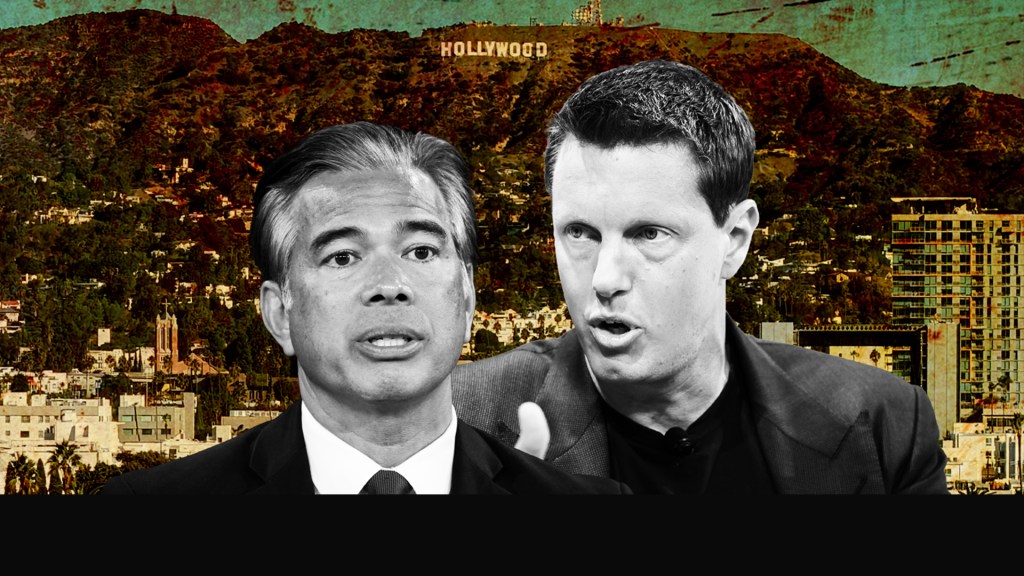
    The proposed merger between Paramount Global and Warner Bros. Discovery faces imminent legal action from multiple state Attorneys General following a June 2026 Los Angeles County report projecting catastrophic job losses. The newly dubbed “ParaBros” consolidation could eliminate up to 22,000 entertainment and administrative jobs across Southern California. State regulators, including California Attorney General Rob Bonta and New York Attorney General Letitia James, are now preparing coordinated antitrust lawsuits to block the $65 billion union, citing severe economic harm to local labor markets.

    The era of unchecked studio consolidation has hit a regulatory wall. For decades, Hollywood mega-mergers sailed through federal oversight with minimal friction. Disney absorbed 20th Century Fox. Discovery swallowed WarnerMedia. But the landscape of 2026 is fundamentally different. The entertainment industry has contracted sharply following the dual strikes of 2023 and the streaming market correction of 2024. Now, local governments are calculating the exact cost of corporate synergy. What looks like a balance sheet maneuver in New York is being treated as an economic disaster in Los Angeles.

    The story does not begin in a courtroom. It begins in the accounting departments of Burbank and Melrose Avenue. The numbers have finally been dragged into the public light.

    The Catalyst: The June 2026 L.A. County Report

    On June 18, 2026, the Los Angeles County Economic Development Corporation released a comprehensive 400-page assessment of the proposed Paramount and Warner Bros. Discovery merger. The findings were stark. The report projected the elimination of between 15,000 and 22,000 jobs in Southern California alone. These are not merely executive redundancies. The cuts target the core of the physical production ecosystem.

    The report details a devastating ripple effect. When two major studios combine, they do not need two separate physical production departments. They do not need duplicate post-production sound facilities. They do not need parallel marketing teams, legal departments, or distribution hubs. The LAEDC estimates that for every direct studio job eliminated, 2.4 auxiliary jobs will vanish from the surrounding Los Angeles economy. This includes caterers, lumber yards, prop houses, and transportation vendors.

    Specific municipalities face existential economic threats. Burbank, the historic home of Warner Bros., stands to lose an estimated $85 million in annual local tax revenue. Culver City and Hollywood face similar deficits. The report outlines how the consolidation of soundstages will lead to mass real estate sell-offs, further depressing the commercial property market in Los Angeles County. The data provided an undeniable quantitative baseline. It gave state regulators exactly what they needed to act.

    The State Attorneys General Mobilize

    Federal oversight under the Federal Trade Commission has been aggressive but slow. State regulators are no longer waiting for Washington. California Attorney General Rob Bonta and New York Attorney General Letitia James have launched a coordinated state-level offensive against the ParaBros merger. Their strategy relies on state antitrust statutes, specifically California’s Cartwright Act and New York’s Donnelly Act, which grant broad powers to block corporate actions that harm local economies.

    Bonta’s involvement is politically and economically calculated. California cannot afford another mass exodus of entertainment jobs. The state has already seen production flee to tax-friendly jurisdictions like Georgia, the United Kingdom, and Eastern Europe. Allowing two of the remaining legacy studios to merge and slash their California workforces would devastate the state’s tax base. Bonta has publicly stated that the merger represents a clear and present danger to the working class of Los Angeles.

    James brings the financial hammer from New York. Both Paramount Global and Warner Bros. Discovery maintain massive corporate footprints in Manhattan. The New York Attorney General’s office is focusing heavily on the consolidation of the news and sports divisions. Combining CBS News with CNN, and CBS Sports with TNT Sports, presents massive antitrust red flags. James is preparing injunctions to halt the integration of these specific divisions before the broader merger can even close.

    The Anatomy of the “ParaBros” Mega-Merger

    The financial architecture of this merger was born out of desperation. Paramount Global spent the entirety of 2024 and 2025 searching for a lifeline. Shari Redstone, the controlling shareholder through National Amusements, entertained offers from private equity firms, tech giants, and rival studios. The debt load of Paramount Plus had become unsustainable. The legacy cable networks, including MTV and Nickelodeon, were hemorrhaging carriage fees.

    Warner Bros. Discovery CEO David Zaslav saw an opportunity for ultimate scale. After spending three years ruthlessly cutting costs at WBD, shelving completed films, gutting the HBO Max library, and laying off thousands, Zaslav engineered a stock-and-debt maneuver to absorb Paramount. The combined enterprise value hovers around $65 billion. The pitch to Wall Street was simple: combining the two libraries creates a streaming behemoth capable of rivaling Netflix and Disney.

    But Wall Street synergy requires Main Street casualties. Zaslav promised investors $4 billion in annualized cost savings within the first two years of the merger. In the entertainment industry, “cost savings” is a euphemism for payroll reduction. The L.A. County report simply took Zaslav’s $4 billion promise and translated it into human capital. The math equates to empty desks and dark soundstages.

    The Real Estate Sell-Off Threat

    One of the most contentious aspects of the merger is the fate of the physical studio lots. Paramount Pictures operates the last major legacy studio lot actually located within the city limits of Hollywood on Melrose Avenue. Warner Bros. operates its massive facility in Burbank. The merged entity does not need both.

    Real estate analysts project that the ParaBros leadership will attempt to sell the 65-acre Paramount lot to commercial developers. The land alone is valued at over $2.5 billion. This potential sale has triggered panic among historic preservationists and local labor unions. Selling the lot would mean the permanent loss of 30 active soundstages in central Los Angeles. It would force remaining productions to relocate to cheaper facilities outside the state.

    The L.A. County Board of Supervisors has preemptively drafted zoning restrictions to prevent the Paramount lot from being converted into luxury condominiums or tech office parks. However, zoning laws cannot force a studio to produce movies. If the merged company locks the gates on Melrose Avenue, the local economy surrounding the lot will collapse regardless of the zoning.

    The Below-The-Line Bloodbath

    The human cost of the merger falls disproportionately on “below-the-line” workers. These are the grips, gaffers, set decorators, makeup artists, and drivers who physically build the entertainment industry. They do not receive golden parachutes. They do not get stock options.

    The 2023 strikes severely depleted the savings of these workers. The slow production recovery of 2024 and 2025 left many hanging on by a thread. The ParaBros merger threatens to sever that thread entirely. With two major studios combining their slates, the total volume of television shows and theatrical films greenlit annually is expected to drop by 30 percent. Fewer shows mean fewer shifts. Fewer shifts mean lost health insurance.

    • IATSE Local 80: Grips and crafts workers face a projected 25 percent reduction in available union hours.
    • Teamsters Local 399: Transportation drivers will see a massive drop in fleet requirements as duplicate studio transportation departments are liquidated.
    • Local 700: Post-production editors and sound mixers face severe contraction as the combined company consolidates its post-production facilities into a single hub.

    The Union Response and Mass Litigation

    Labor is not waiting for the state Attorneys General to save them. A coalition of entertainment unions, led by IATSE and the Teamsters, is preparing a wave of mass litigation against both Paramount and Warner Bros. Discovery. The legal strategy centers on breach of contract and violations of the Worker Adjustment and Retraining Notification (WARN) Act.

    Union lawyers argue that the studios negotiated their 2024 collective bargaining agreements in bad faith, knowing a merger of this scale was imminent. By agreeing to certain staffing minimums while simultaneously planning to eliminate 20,000 jobs, the studios may have violated federal labor laws. Class action lawsuits are currently being drafted on behalf of thousands of non-union administrative workers who face the loss of severance packages in the bankruptcy-like restructuring of the merger.

    The Writers Guild of America (WGA) and the Screen Actors Guild (SAG-AFTRA) have also filed formal objections with the Department of Justice. They argue that reducing the number of major buyers in the market from five to four constitutes a monopsony, a market condition where there is only one dominant buyer. A monopsony artificially depresses wages for writers and actors, as they have fewer studios to bid on their projects.

    The Ripple Effect Across Hollywood Agencies

    The contraction at the studio level is sending shockwaves through the representation business. Talent agencies like CAA, WME, and UTA rely on a high volume of greenlit projects to generate packaging fees and client commissions. The ParaBros merger threatens to wipe out dozens of development slates overnight.

    When Warner Bros. and Paramount combine, they will immediately kill overlapping projects. If both studios have a submarine thriller in development, one gets canceled. If both have a high-budget sci-fi series in pre-production, one gets axed. This immediate culling of the development herd will cost agencies millions in lost commissions. In response, several mid-tier management companies have already announced their own preemptive layoffs, anticipating a barren marketplace in 2027.

    Washington Watches Closely

    While the state Attorneys General take the immediate spotlight, Washington D.C. looms in the background. Federal Trade Commission Chair Lina Khan has made a career out of challenging corporate monopolies. The FTC is currently conducting a deep-dive antitrust review of the ParaBros merger. However, federal antitrust cases often take years to litigate.

    The state-level actions by Bonta and James are designed to act as a rapid-deployment force. By securing preliminary injunctions in state courts, they can freeze the merger’s integration process, bleeding the studios of the very capital they hoped to save. The studios must now fight a multi-front legal war: the FTC in Washington, the Attorneys General in Sacramento and Albany, and the labor unions in Los Angeles.

    The Historical Precedent of Studio Consolidation

    History offers a grim preview of what happens when studios merge. When the Walt Disney Company acquired 21st Century Fox in 2019, thousands of jobs were eliminated. The Fox 2000 label was shuttered. Entire marketing and distribution teams were dismissed. The promised synergies resulted in a drastically reduced theatrical slate and a homogenized corporate culture.

    The ParaBros merger is attempting to execute the Disney-Fox playbook in a much harsher economic climate. In 2019, streaming was still viewed as a limitless growth engine. In 2026, streaming is a mature, saturated market defined by churn and subscriber fatigue. Paramount and Warner Bros. are not merging from a position of strength. They are merging for survival. And survival requires amputation.

    The Timeline of the Inevitable

    The legal maneuvering will dominate the remainder of 2026. The state Attorneys General are expected to file their formal antitrust complaints by August. The studios will immediately file motions to dismiss, arguing that the merger is necessary to compete with tech giants like Apple and Amazon. The labor unions will launch their class-action suits shortly after.

    If the courts grant the state injunctions, the merger could be delayed into late 2027. If the studios win, the layoffs will begin almost immediately. The LAEDC report will transition from a projection to a post-mortem. The 22,000 jobs will vanish, absorbed into the $4 billion synergy target promised to Wall Street.

    The outcome remains tied up in litigation. But the reality on the ground has already shifted. Productions are stalling. Greenlights are paused. The industry is holding its breath, waiting for the gavel to fall.

    Lawyers drafted the briefs. Politicians held the press conferences. Executives locked the gates. Contraction.

  • Democratic Senators Urge FCC to Halt Paramount-WBD Merger Over Foreign Ownership

    Democratic Senators Urge FCC to Halt Paramount-WBD Merger Over Foreign Ownership

    KEY TAKEAWAYS

    • On June 18, 2026, Democratic senators formally requested the FCC halt the Paramount-Warner Bros. Discovery merger.
    • Lawmakers cited Section 310(b)(4) of the Communications Act, which restricts foreign ownership of U.S. broadcast licenses to 25 percent.
    • The merger would consolidate control of the CBS broadcast network, CNN, HBO, and dozens of local television stations under one corporate umbrella.
    • Senators argue the infusion of foreign capital required to finance the megadeal poses a national security risk to American news broadcasting.
    • The FCC review operates independently of the ongoing antitrust investigations by the Department of Justice and the Federal Trade Commission.

    On June 18, 2026, a coalition of Democratic senators formally petitioned the Federal Communications Commission to halt the pending merger between Paramount Global and Warner Bros. Discovery until a comprehensive review of foreign ownership stakes is completed. The lawmakers argued that the complex financial structuring of the deal introduces unacceptable levels of foreign capital into the American broadcast ecosystem. The letter demands an immediate pause on all regulatory approvals. The demand strikes at the heart of the largest media consolidation effort of the decade.

    The proposed merger seeks to unite two of the oldest and most powerful studios in Hollywood. It also seeks to combine their massive television assets. Warner Bros. Discovery controls CNN, HBO, and a vast portfolio of cable networks. Paramount Global controls the CBS broadcast network, Paramount Pictures, and dozens of local television stations across the United States. Combining them requires massive capital. That capital has drawn the attention of Washington.

    The story of this merger is no longer just about Hollywood scale. It is about federal law. It is about the Communications Act of 1934. And it is about who exactly gets to own the airwaves that transmit the evening news to the American public.

    The Washington Blockade

    Capitol Hill is heavily scrutinizing the mechanics of media consolidation. The letter delivered to the FCC was signed by several prominent Democratic senators known for their aggressive antitrust stances. They directed their concerns to FCC leadership, demanding a strict interpretation of existing broadcast laws.

    The primary weapon in the senators’ arsenal is Section 310(b)(4) of the Communications Act. This specific federal statute dictates that foreign entities cannot own more than 25 percent of a U.S. broadcast license without a special public interest waiver. The rule was designed nearly a century ago. Its purpose was to prevent foreign governments from controlling American radio stations during times of war. Today, it applies to modern television networks.

    Paramount Global holds the licenses for the CBS Television Network. It also holds the licenses for 28 local television stations across major markets like New York, Los Angeles, and Chicago. Because these stations broadcast over public airwaves, they fall directly under the jurisdiction of the FCC. Warner Bros. Discovery does not own a traditional broadcast network, but acquiring Paramount means acquiring CBS. That triggers the FCC review process.

    The senators argue that Warner Bros. Discovery’s financing model relies heavily on sovereign wealth funds and foreign private equity. They claim this indirect foreign investment crosses the 25 percent threshold. If true, the FCC has the authority to block the transfer of the CBS broadcast licenses. Without those licenses, the merger collapses.

    The Foreign Capital Complication

    Megamergers require billions of dollars in liquid capital. Warner Bros. Discovery, led by CEO David Zaslav, already carries a massive debt load from its previous merger in 2022. When Discovery acquired WarnerMedia from AT&T, the new company inherited roughly $40 billion in debt. To finance the acquisition of Paramount Global and buy out Shari Redstone’s National Amusements, Warner Bros. Discovery had to look outside traditional American banking structures.

    Financial disclosures from early 2026 indicate that Warner Bros. Discovery secured backing from a consortium of international investors. This consortium includes entities based in the Middle East and Asia. While these investors are taking passive, non-voting stakes in the combined company, the sheer volume of their capital contribution triggered the alarms in Washington.

    The FCC must now determine how to calculate this foreign ownership. The agency uses a complex formula to trace investment through holding companies and shell corporations. The senators’ letter urges the FCC to look past the corporate structuring and focus on the raw percentage of foreign money funding the deal.

    If the FCC determines the foreign investment exceeds 25 percent, Warner Bros. Discovery must file a petition for a declaratory ruling. They must prove that allowing the foreign ownership serves the public interest. In the political climate of 2026, proving that foreign investment in American news networks serves the public interest is a monumental task.

    The Assets at Stake: CBS and CNN

    The combination of Paramount and Warner Bros. Discovery creates an unprecedented concentration of news media. This is the core of the political anxiety. The merger would place CNN and CBS News under the same corporate roof.

    CBS News is a legacy broadcast institution. It reaches millions of American homes every evening over free, over-the-air television. CNN is a foundational cable news network with massive global reach. Lawmakers on both sides of the aisle have expressed concern about a single chief executive controlling both editorial operations.

    The Democratic senators focused heavily on this dynamic in their FCC petition. They argued that foreign investors, even those with passive stakes, could exert soft power over the newsrooms. They warned of a chilling effect on international reporting. If a foreign sovereign wealth fund holds billions of dollars in Warner Bros. Discovery debt, the senators argue, CNN and CBS News might hesitate to aggressively report on that specific foreign government.

    Corporate representatives for both Paramount and Warner Bros. Discovery have forcefully denied these claims. They issued statements guaranteeing the absolute editorial independence of their news divisions. They pointed to the establishment of independent editorial boards. Washington remains unconvinced.

    David Zaslav and the Push for Scale

    For Warner Bros. Discovery CEO David Zaslav, acquiring Paramount is a matter of survival. The media landscape of 2026 is dominated by massive technology companies. Apple, Amazon, and Alphabet possess market capitalizations in the trillions. They have effectively unlimited resources to spend on live sports and premium entertainment.

    Legacy media companies are fighting a war of attrition. The traditional cable television bundle continues to decline. Streaming services like Max and Paramount+ struggle to achieve the profit margins once generated by cable carriage fees. Zaslav’s strategy is simple. Scale is the only defense.

    By combining the Warner Bros. film library with the Paramount Pictures catalog, the new company would control an unmatched volume of intellectual property. By combining the sports broadcasting rights of TNT and CBS, the company could negotiate aggressively with major sports leagues. But this scale comes at the cost of intense regulatory friction.

    Zaslav has spent much of early 2026 walking the halls of Congress. He has attempted to frame the merger as a necessary step to protect American cultural exports from being entirely dominated by Silicon Valley tech giants. The senators’ letter indicates his lobbying efforts have not pacified his critics.

    The Regulatory Clock in 2026

    The FCC review is only one hurdle. The Paramount-Warner Bros. Discovery merger is also facing a grueling antitrust review. The Department of Justice and the Federal Trade Commission are simultaneously investigating the deal. However, the FCC process is unique.

    Antitrust regulators look at market concentration. They look at consumer pricing and monopoly power. The FCC looks at the “public interest.” The agency has broad, discretionary power to block the transfer of broadcast licenses if they believe the transfer harms the American public. This gives the FCC a veto power that operates entirely outside the standard antitrust framework.

    The timeline is critical. The companies initially projected the deal would close by the fourth quarter of 2026. The senators’ demand for a comprehensive foreign ownership review threatens to delay that timeline indefinitely. A foreign ownership review involves coordination with the “Team Telecom” interagency committee. Team Telecom includes representatives from the Department of Defense, the Department of Homeland Security, and the Department of Justice. Their national security reviews can take months, sometimes years, to complete.

    If the review drags into 2027, the financial markets may lose patience. The debt financing secured by Warner Bros. Discovery has expiration dates. Delay is often a weapon in regulatory battles. The senators know this.

    The Precedent of Past Media Megadeals

    History provides a roadmap for this conflict. The media industry has spent the last three decades consolidating. Each major deal faced its own regulatory crisis.

    When AOL merged with Time Warner in 2000, regulators forced massive concessions regarding internet access. When Comcast acquired NBCUniversal in 2011, the FCC imposed strict conditions on how the company handled competing cable networks. When AT&T attempted to buy Time Warner in 2016, the Department of Justice sued to block the deal entirely, though the government ultimately lost in court.

    The Paramount-Warner Bros. Discovery deal is different. The AT&T deal was a vertical merger, combining a distributor (AT&T) with a content creator (Time Warner). The Paramount-WBD deal is a horizontal merger. It combines two direct competitors. It removes a major studio from the market. It removes a major streaming service from the market.

    This horizontal nature makes the deal inherently vulnerable to regulatory attacks. The introduction of foreign capital simply provides lawmakers with a highly effective lever to pull. By invoking the Communications Act of 1934, the senators have bypassed the complex economic arguments of antitrust law and landed squarely on the emotional and political ground of national security.

    The Election Year Dynamic

    The calendar cannot be ignored. It is the summer of 2026. The midterm elections are approaching. Politicians are highly motivated to demonstrate their commitment to protecting American interests from foreign influence.

    Media consolidation is a rare issue that generates bipartisan skepticism. While Democratic senators authored the June 18 letter, populist Republicans have also expressed deep concern about the power of centralized media corporations. The idea of foreign entities holding sway over CBS and CNN is politically toxic. No regulator wants to be accused of rubber-stamping a deal that compromises American news broadcasting during an election cycle.

    The FCC operates as an independent agency, but its commissioners are appointed by the President and confirmed by the Senate. They are acutely aware of the political winds. The letter from the Democratic senators is not just a legal petition. It is a political warning shot.

    The future of the Paramount-Warner Bros. Discovery merger now rests in the hands of federal bureaucrats reviewing capital structures and holding companies. The Hollywood executives who orchestrated the deal must wait for Washington to process the paperwork. The grand vision of a unified media empire is paused, trapped in the regulatory machinery of the federal government.

    Lawmakers drafted their letters. Regulators opened their files. The executives waited. Washington.