
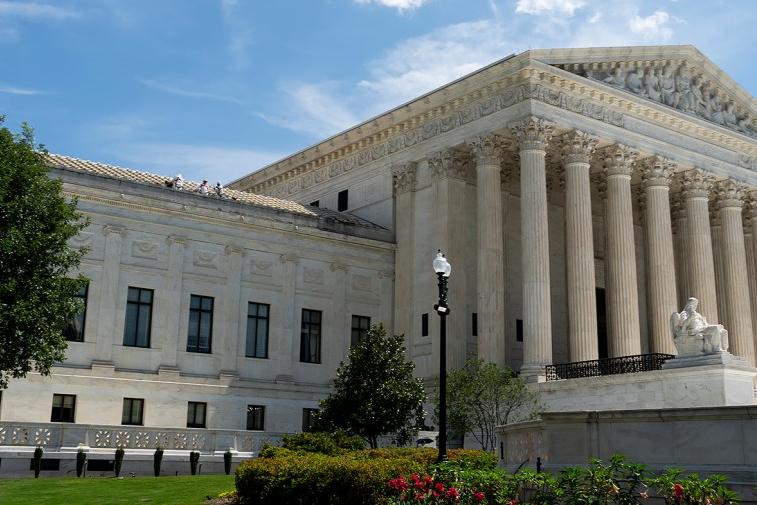
The October Term 2026 Commences
The Supreme Court of the United States will begin its October Term 2026 on October 5, 2026. This term is expected to be a significant period for American jurisprudence. The Court has already agreed to hear 25 cases, with 14 cases specifically scheduled for argument.
A panel will convene on September 28, 2026, in Washington, D.C., to offer a preview of the upcoming term. This event will highlight the key legal battles and constitutional questions the nine justices will confront. The composition of the Court remains consistent, with Chief Justice John G. Roberts, Jr., presiding over eight Associate Justices.
Key Areas of Focus for the Term
The cases accepted for the October Term 2026 span a wide array of legal and societal issues. These include matters related to climate regulation, the scope of gun rights, and the funding or support for parochial schools. Each of these areas carries substantial implications for federal and state policies, as well as for individual liberties.
The Court’s decisions in these areas could redefine the boundaries of governmental power and individual rights. Legal scholars and advocacy groups are closely monitoring the docket. The outcomes will likely influence legislative efforts and future legal challenges for years to come.
The Court’s Current Composition and Influence
The Supreme Court is composed of nine justices. Chief Justice John G. Roberts, Jr., leads the bench. The Associate Justices are Clarence Thomas, Samuel A. Alito, Jr., Sonia Sotomayor, Elena Kagan, Neil M. Gorsuch, Brett M. Kavanaugh, Amy Coney Barrett, and Ketanji Brown Jackson. This current configuration has demonstrated a willingness to tackle complex and often contentious legal questions.
The ideological balance of the Court often plays a critical role in the outcomes of closely watched cases. Each justice brings a distinct interpretive philosophy to the bench. These philosophies shape the Court’s approach to constitutional law and statutory interpretation. More information on the Supreme Court’s current members can be found on its official website.
Anticipated Impact on National Policy
Decisions rendered during the October Term 2026 will have far-reaching effects. For instance, rulings on climate cases could impact environmental regulations and energy policy. Gun rights cases may further clarify the Second Amendment’s application in modern society. Cases involving parochial schools could alter the landscape of educational funding and religious freedom.
The Court’s role as the final arbiter of legal disputes means its judgments carry immense weight. These decisions establish precedents that lower courts must follow. They also often prompt responses from legislative bodies and executive agencies. The Hill News has provided initial commentary on the anticipated impact of this term.
Related: Dale Caldwell Resigns as New Jersey Lt. Governor Amid Sexual Harassment Probe
The Process of Supreme Court Review
The Supreme Court receives thousands of petitions for certiorari each year. Only a small fraction of these are granted review. The Court typically selects cases that present significant legal questions, resolve conflicts among lower courts, or address issues of national importance.
Once a case is accepted, parties submit written briefs. Oral arguments then take place, allowing attorneys to present their cases and answer questions from the justices. Following arguments, the justices deliberate and cast their votes. Opinions are then drafted and released, often months after oral arguments.
Looking Ahead: Beyond the October Term
The cases heard in the October Term 2026 will contribute to the ongoing evolution of American law. The Court’s decisions reflect and shape the nation’s legal and social fabric. Each term builds upon the last, creating a continuous narrative of constitutional interpretation.
The impact of these rulings will extend beyond the immediate legal outcomes. They will influence public discourse, political campaigns, and the daily lives of citizens. The Supreme Court remains a central institution in the American system of government.
Sources
Sponsored · Put your business in front of ByteSize Network's readers, with every click measured. See advertising packages · Advertise on ByteSize Network