Tag: Supreme Court

  • Christopher Krebs: No Evidence of 2020 Election Tampering

    Christopher Krebs: No Evidence of 2020 Election Tampering

    Christopher Krebs, the former Director of the Cybersecurity and Infrastructure Security Agency (CISA), has publicly stated that there was no evidence of widespread voter fraud or tampering that would have altered the outcome of the 2020 presidential election. Krebs, who was terminated from his position by then-President Donald Trump on November 17, 2020, has consistently maintained this position. His affirmation aligns with the findings of numerous state and federal investigations, audits, and recounts conducted in the wake of the election. Krebs’ testimony contributes to the body of evidence supporting the integrity and security of the 2020 electoral process.

    The 2020 Presidential Election and Its Aftermath

    The 2020 presidential election concluded on November 3, 2020. Joseph R. Biden Jr. emerged as the winner, defeating then-President Donald Trump. Following the election, allegations of widespread voter fraud and irregularities surfaced from various sources, primarily from the Trump campaign and its allies.

    These allegations spurred significant legal challenges and calls for investigations across several states. Recounts were conducted in key battleground jurisdictions, including Georgia and Arizona. Audits were initiated to examine voting machines, ballots, and election procedures in detail.

    The period following the election was characterized by intense public debate and political polarization. Election officials nationwide faced unprecedented scrutiny and pressure regarding the administration of the vote. Many officials, including Christopher Krebs, became central figures in the discourse surrounding election integrity and security.

    Christopher Krebs’ Role at CISA

    Christopher Krebs was appointed as the first director of CISA in November 2018. CISA operates within the Department of Homeland Security. Its mission is to protect the nation’s critical infrastructure from physical and cyber threats. This includes safeguarding election infrastructure.

    Under Krebs’ leadership, CISA played a crucial role in securing the 2020 election. The agency worked with state and local election officials to identify and mitigate cyber threats. CISA also provided information to the public to counter misinformation about election processes.

    On November 12, 2020, CISA released a joint statement with the Election Infrastructure Government Coordinating Council (EIS-GCC) and the Election Infrastructure Sector Coordinating Council (EIS-SCC). This statement famously declared the 2020 election to be “the most secure in American history.” It asserted there was “no evidence that any voting system deleted or lost votes, changed votes, or was in any way compromised.”

    Official Investigations and Findings

    Numerous governmental bodies and independent organizations investigated the claims of election fraud. Their findings consistently supported the integrity of the 2020 election.

    Department of Justice Investigations

    Attorney General William Barr, serving under then-President Trump, stated on December 1, 2020, that the Justice Department had not found evidence of widespread fraud that would change the outcome of the election. This declaration came after the department had pursued and investigated various allegations across multiple states.

    Barr’s statement was a significant blow to the efforts to overturn the election results. He elaborated that the Department of Justice had looked into claims of voting machine manipulation and other forms of fraud. These investigations did not yield evidence of systemic issues.

    State-Level Audits and Recounts

    Individual states conducted their own extensive audits and recounts. These processes were often mandated by law or initiated in response to specific challenges.

    • Georgia: A statewide hand recount of nearly 5 million ballots confirmed Biden’s victory. A subsequent machine recount also upheld these results. Secretary of State Brad Raffensperger, a Republican, publicly defended the integrity of Georgia’s election.
    • Arizona: Maricopa County, Arizona’s largest county, conducted a comprehensive audit following the election. This audit, often referred to as the “forensic audit,” was led by a private firm. It ultimately affirmed the accuracy of the county’s election results and found no evidence of widespread fraud.
    • Wisconsin: Recounts in Milwaukee and Dane counties, requested by the Trump campaign, confirmed Biden’s victory with only minor changes in vote totals.
    • Michigan: State election officials and a bipartisan state Senate committee investigated claims of fraud. They found no evidence of widespread irregularities that would have impacted the outcome.

    Legal Challenges and Court Rulings

    The Trump campaign and its allies filed more than 60 lawsuits challenging the election results in various state and federal courts. These lawsuits alleged a range of issues, from procedural irregularities to outright fraud. The vast majority of these cases were unsuccessful.

    Judicial Dismissals

    Judges, including many appointed by then-President Trump, repeatedly dismissed these cases. They cited a lack of compelling and credible evidence to support the claims of fraud or significant irregularities. In many instances, the courts found that the plaintiffs failed to demonstrate any actual harm or widespread fraud that would warrant overturning election results.

    For example, in Donald J. Trump for President, Inc. v. Boockvar, a federal judge dismissed a lawsuit seeking to block certification of Pennsylvania’s results. The judge stated that the campaign presented “strained legal arguments without merit and speculative accusations.”

    Supreme Court’s Stance

    The Supreme Court of the United States declined to hear several high-profile cases challenging the election results. This included a lawsuit filed by the state of Texas against Pennsylvania, Georgia, Michigan, and Wisconsin. The Court’s refusal to intervene effectively ended the legal avenues for challenging the election outcome at the highest level.

    The Role and Pressure on Election Officials

    Election officials at all levels played a critical role in the 2020 election. They were responsible for administering the vote, ensuring accuracy, and addressing any issues that arose. Many of these officials, both Republican and Democrat, publicly defended the integrity of the election process.

    Pressure and Threats Faced by Officials

    These officials often faced significant pressure, harassment, and even threats for upholding election laws and certifying results. Figures like Georgia Secretary of State Brad Raffensperger and Arizona Secretary of State Katie Hobbs received national attention for their steadfast defense of election procedures.

    Christopher Krebs’ termination from CISA exemplifies the professional repercussions faced by some officials. His adherence to established procedures and commitment to accurate vote counts were central to the democratic process. His continued public statements reinforce the findings of his agency and other investigative bodies.

    Consequences for Christopher Krebs

    President Trump announced Krebs’ termination via Twitter on November 17, 2020. This occurred shortly after CISA issued its statement on election security. Trump cited Krebs’ statement as “highly inaccurate.” Krebs, however, stood by his agency’s assessment. He stated he was “honored to serve” and to “defend the 2020 election from attack.”

    Since his termination, Krebs has continued to be an outspoken advocate for election integrity and security. He co-founded a consulting firm, Krebs Stamos Group, focused on cybersecurity. He has also testified before Congress and appeared in media to reiterate his findings regarding the 2020 election. His consistent message has been that the 2020 election was secure, and its results were accurate.

    The Broader Impact on Election Integrity Discourse

    The discussions surrounding the 2020 election have had a lasting impact on the discourse regarding election integrity. Public confidence in electoral processes became a significant point of contention. Efforts to reform election laws and procedures have continued into 2026, with states implementing various changes.

    These changes range from new voting machine requirements to updated voter registration protocols. They often aim to address perceived vulnerabilities or enhance public trust. However, the fundamental findings regarding the 2020 election’s security have remained consistent across official reviews and expert analysis.

    The continued affirmation by election professionals, including those who faced personal and professional consequences like Christopher Krebs, reinforces the official narrative. Their consistent testimonies underline the resilience of the American electoral system against unsubstantiated claims of widespread malfeasance. The focus now shifts to future elections and the ongoing efforts to ensure their security and public confidence.

    Election integrity remains a priority. Transparency in voting processes is paramount. Trust in institutions is essential. The consistent message from election officials, including Christopher Krebs, has been clear. The 2020 election was secure. The results were accurate. The system withstood the pressure. Democracy prevailed.


  • Supreme Court Blocks Lawsuits Over Chemical Risks – A Blow to Consumer Protection

    Supreme Court Blocks Lawsuits Over Chemical Risks – A Blow to Consumer Protection

    The Supreme Court’s Decision on Chemical Risks

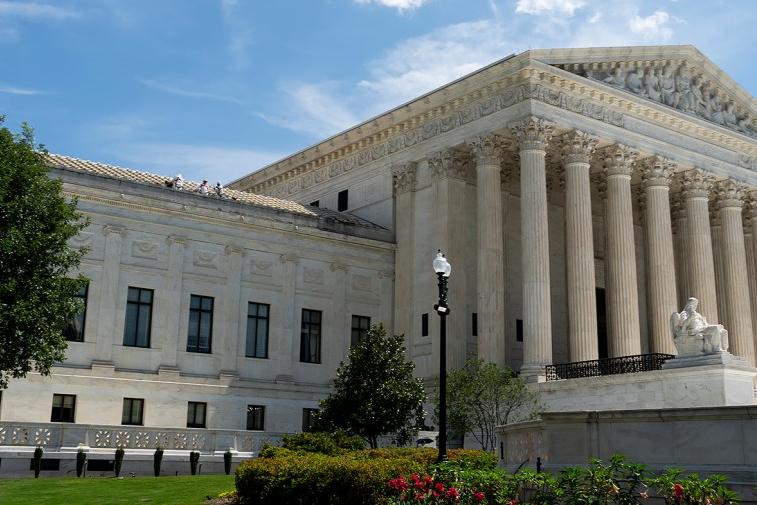
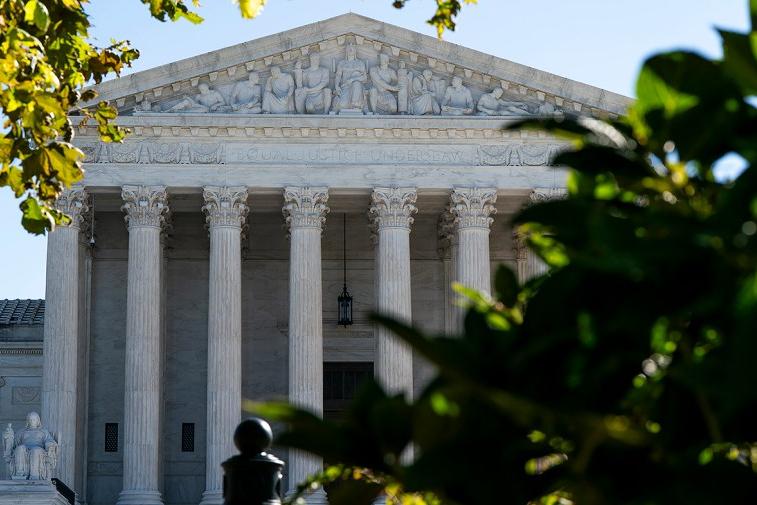
    On June 25, 2026, the U.S. Supreme Court issued a ruling that effectively blocked lawsuits related to chemical risks. This decision carries significant implications for both corporate accountability and consumer protection, potentially narrowing the pathways for individuals to seek legal redress for harm caused by exposure to hazardous chemicals.

    The ruling stems from a complex legal landscape involving federal statutes, state tort laws, and the principle of preemption. This concept dictates when federal law overrides state law, often at the heart of disputes between industry and public interest groups.

    Background of the Case

    The case, which originated in lower federal courts, involved multiple plaintiffs who alleged various health complications due to prolonged exposure to specific industrial chemicals. These chemicals were widely used in manufacturing processes and consumer products across several states.

    The plaintiffs contended that manufacturers failed to adequately warn consumers about the inherent dangers of their products. They sought compensation for medical expenses, lost wages, and pain and suffering, relying on state-level product liability laws.

    Industry defendants argued that their products complied with federal regulations established by agencies such as the Environmental Protection Agency (EPA) and the Food and Drug Administration (FDA). They asserted that these federal standards should preempt, or override, state-level claims, thereby shielding them from additional liability.

    The Legal Arguments Presented

    Arguments before the Supreme Court focused heavily on the interpretation of federal statutes like the Toxic Substances Control Act (TSCA) and the Federal Insecticide, Fungicide, and Rodenticide Act (FIFRA). These acts grant federal agencies the authority to regulate chemical substances and their labeling.

    Attorneys for the chemical manufacturers argued that Congress intended these federal laws to establish a comprehensive regulatory framework. This framework, they maintained, should preclude states from imposing different or more stringent requirements through litigation.

    Conversely, counsel for the plaintiffs argued that federal regulations set a floor, not a ceiling, for safety standards. They contended that state common law claims serve as a crucial complementary mechanism for protecting citizens and ensuring corporate responsibility, especially when federal oversight might be insufficient.

    Amicus curiae briefs were filed by a wide array of organizations. These included industry trade groups like the American Chemistry Council, advocating for preemption, and consumer advocacy groups such as Public Citizen, arguing against it.

    The Court’s Majority Opinion

    The majority opinion, delivered by Justice Alito, emphasized the principle of federal uniformity in regulating complex industries. The Court found that certain federal statutes, particularly those governing chemical safety, were intended by Congress to be sufficiently comprehensive to preempt state-level tort claims.

    The opinion highlighted the potential for a patchwork of state laws to create undue burdens on interstate commerce and undermine the consistent application of federal policy. It suggested that allowing state lawsuits in these specific circumstances would intrude upon the regulatory authority delegated to federal agencies.

    The Court’s reasoning centered on the idea that federal agencies possess the scientific expertise and resources to balance economic benefits with public health risks. This balance, the majority concluded, should not be subject to re-evaluation by individual state juries.

    This interpretation marks a significant shift in the balance of power between federal regulatory authority and state common law remedies in the context of environmental and product liability.

    Dissenting Views and Concerns

    Justice Sotomayor authored a vigorous dissent, joined by Justices Kagan and Jackson. The dissent argued that the majority’s interpretation of federal preemption was overly broad and would leave injured individuals without adequate recourse.

    The dissenting justices emphasized the historical role of state tort law in holding corporations accountable for harm. They argued that federal regulations often represent minimum standards, and that state lawsuits provide an essential incentive for manufacturers to exceed those minimums.

    The dissent also raised concerns about the practical implications for public health. It suggested that blocking these lawsuits would reduce corporate incentives to invest in safer product designs and more transparent risk disclosures. This could lead to a decrease in overall product safety, potentially increasing public exposure to dangerous chemicals.

    Environmental justice advocates specifically noted that communities already disproportionately affected by pollution might bear an even greater burden. They warned that the ruling could exacerbate existing health disparities.

    Impact on Corporate Accountability

    The Supreme Court’s decision is expected to have a substantial impact on corporate accountability, particularly within the chemical manufacturing sector. Companies may face fewer lawsuits related to chemical exposure, potentially reducing their legal defense costs and liability payouts.

    This ruling could embolden manufacturers to rely more heavily on federal compliance as a shield against state-level claims. It may also influence how companies approach product development, risk assessment, and public disclosure of chemical hazards.

    Critics of the decision argue that it weakens the deterrent effect of litigation. They contend that the threat of lawsuits often compels companies to prioritize safety beyond what federal regulations explicitly mandate.

    Conversely, industry proponents argue that the decision provides much-needed regulatory certainty. This certainty, they claim, will foster innovation and investment in the chemical sector by reducing unpredictable legal risks.

    Implications for Consumer Protection

    For consumers, the ruling presents a more challenging landscape for seeking compensation for injuries caused by chemical exposure. The avenues for legal recourse may become significantly narrower, particularly in cases where federal regulations were met.

    Consumer protection advocates expressed deep concern that this decision could leave individuals vulnerable to harm without effective means of redress. They argue that it places a greater burden on federal agencies, which are often under-resourced, to police chemical safety effectively.

    The decision might also shift the focus of advocacy efforts. Instead of pursuing litigation, consumer groups may intensify their lobbying for stronger federal regulations and increased funding for agencies like the EPA and FDA.

    Individuals seeking compensation for harm may now need to demonstrate that a manufacturer violated specific federal standards, a higher bar than proving negligence under state common law.

    Future of Environmental Litigation

    The Supreme Court’s ruling on June 25, 2026, is poised to reshape the future of environmental litigation in the United States. It signals a judiciary increasingly inclined to favor federal preemption in areas involving complex industrial regulation.

    Legal scholars predict a potential decrease in the number of state-level product liability lawsuits against chemical companies. This shift could lead to a re-evaluation of litigation strategies by environmental law firms and public interest organizations.

    The decision may also spur new legislative efforts at both federal and state levels. Advocates for stronger environmental protections might push Congress to amend existing statutes to explicitly preserve state tort remedies.

    Conversely, industry groups may lobby for further preemption language in future legislation. The battle over the balance between federal and state authority in environmental matters is likely to continue in both the courts and legislative chambers.

    Reactions from Stakeholders

    Public health organizations, including the American Public Health Association, released statements expressing alarm. They highlighted the potential for increased public health risks and reduced corporate accountability.

    Environmental advocacy groups, such as the Sierra Club and the Environmental Working Group, condemned the ruling. They called it a significant setback for environmental protection and individual rights.

    Industry associations, including the National Association of Manufacturers, lauded the decision. They characterized it as a victory for regulatory clarity and economic competitiveness, reducing the burden of what they often describe as frivolous lawsuits.

    Legal experts across various universities offered mixed reactions. Some supported the Court’s emphasis on federal uniformity, while others criticized what they perceived as an erosion of state sovereignty and citizen protections.

    The Path Forward

    The implications of this Supreme Court decision will unfold over the coming months and years. It will influence legal strategies, corporate practices, and public policy debates.

    Individuals harmed by chemical exposure will need to explore new legal avenues or rely more heavily on federal regulatory enforcement. Legal challenges may now focus more intensely on proving violations of specific federal statutes rather than broader common law principles.

    Activists will likely intensify their efforts to influence legislative bodies, advocating for statutory changes that explicitly protect the right to sue for chemical-related injuries. The political arena may become the primary battleground for these issues.

    The regulatory agencies themselves, like the EPA and FDA, will face increased scrutiny and pressure to ensure their oversight effectively protects public health in the absence of robust state-level litigation.

    Citizens will continue to organize. Advocates will continue to educate. Legislators will continue to debate.

    The courts will continue to interpret.

    Chemicals.