The voice of Gene Wilder, iconic as Willy Wonka, has been digitally resurrected for a new Netflix series. This AI-generated vocal performance elicited a strong emotional response from Rusty Goffe, an actor who portrayed an Oompa-Loompa in the original 1971 film, “Willy Wonka & the Chocolate Factory.” Goffe described hearing the recreated voice as “lovely” and “magical,” a sentiment that highlights the complex interplay between nostalgia, technology, and artistic legacy.
The Netflix reality competition series, “Wonka’s The Golden Ticket,” premiered on September 23, 2026. It features the AI-recreated voice of Gene Wilder, who passed away in 2016. The project received authorization from Wilder’s estate, including his wife, Karen Boyer Wilder, addressing some of the ethical concerns surrounding such technological applications.
The Return of an Oompa-Loompa
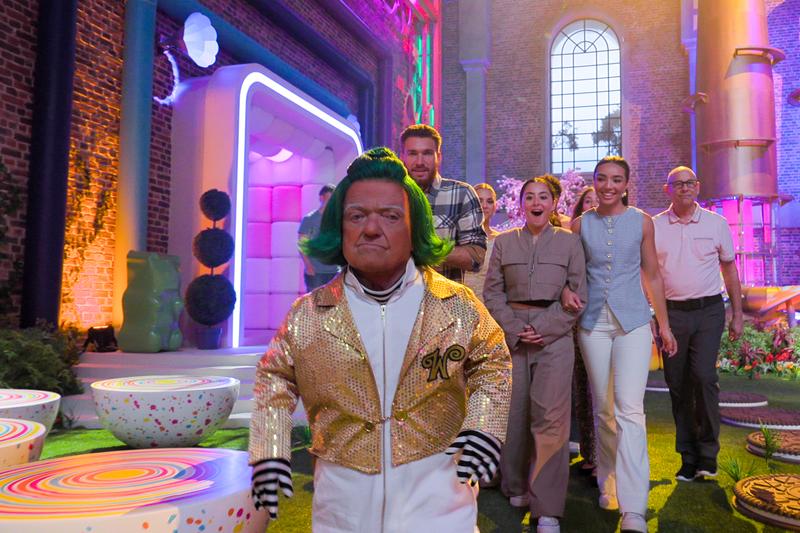
Rusty Goffe reprised his role as an Oompa-Loompa for “Wonka’s The Golden Ticket.” This return to the world of Willy Wonka brought him face-to-face with a digital echo of his former co-star. Goffe’s son also appears in the series, continuing the Oompa-Loompa legacy into a new generation.
Goffe’s emotional reaction to the AI voice underscores the power of Wilder’s original performance. His description of the voice as “perfect” and a moment that made him “shed a tear” speaks to the authenticity and quality of the AI recreation. This technological achievement allows new audiences to experience Wilder’s unique vocal delivery.
AI and Artistic Legacy
The use of artificial intelligence to recreate the voices of deceased actors presents both opportunities and challenges. On one hand, it allows for the continuation of beloved performances and the introduction of iconic voices to new productions. This can enrich storytelling and provide a sense of continuity for fans.
Conversely, the practice raises significant ethical questions. Concerns often center on consent, the potential for misuse, and the impact on living actors. The involvement of Gene Wilder‘s estate in granting permission for this project is a critical factor in its ethical standing. This precedent helps to navigate the complex landscape of digital immortality for performers.
Nostalgia and Controversy
The announcement and subsequent airing of “Wonka’s The Golden Ticket” generated a mix of nostalgia and controversy. Fans of the original film expressed excitement at the prospect of hearing Gene Wilder’s voice again. This sentiment is a testament to the enduring cultural impact of the 1971 movie, which remains a classic for many generations. More information on the film’s legacy can be found on its Wikipedia page.
However, some critics voiced concerns about the implications of AI voice recreation. Debates often focus on the authenticity of performance and the potential for AI to diminish the unique contributions of human artists. The discussion around this technology reflects broader societal anxieties about AI’s expanding role in creative industries.
The Future of Digital Performance
Rusty Goffe has retired from acting following his appearance in “Wonka’s The Golden Ticket.” His final role connects him to a significant moment in the evolution of digital performance. The series serves as a case study for how AI can be integrated into entertainment while respecting artistic legacies.
The success and reception of the AI-recreated Gene Wilder voice will likely influence future projects. As AI technology advances, the boundaries of what is possible in film and television continue to expand. The emotional resonance experienced by Goffe suggests that, when handled respectfully and with proper authorization, AI can evoke powerful and positive connections to the past. Details on the Netflix series can be found on Netflix’s official site.
Related: Bob Chapek’s Memoir Blames Bob Iger for Disney Ouster – Behind the Castle Walls
Frequently Asked Questions
What is “Wonka’s The Golden Ticket”?
“Wonka’s The Golden Ticket” is a new Netflix reality competition series that premiered on September 23, 2026. It features an AI-recreated voice of Gene Wilder as Willy Wonka, alongside original Oompa-Loompa actor Rusty Goffe.
Who is Rusty Goffe?
Rusty Goffe is an actor known for playing an Oompa-Loompa in the 1971 film “Willy Wonka & the Chocolate Factory.” He reprised his role for the Netflix series “Wonka’s The Golden Ticket” and has since retired from acting.
How was Gene Wilder’s voice recreated?
Gene Wilder’s voice was recreated using artificial intelligence for the Netflix series. This was done with the explicit permission of his estate, including his wife, Karen Boyer Wilder, ensuring ethical considerations were met.
What was Rusty Goffe’s reaction to the AI voice?
Rusty Goffe expressed deep emotion upon hearing the AI-recreated voice of Gene Wilder, describing it as “magical,” “perfect,” and causing him to “shed a tear.” His reaction highlights the powerful nostalgic impact of the technology.
What are the ethical implications of AI voice recreation?
The use of AI for voice recreation raises ethical questions regarding consent, artistic integrity, and potential misuse. Obtaining permission from the artist’s estate, as in Gene Wilder’s case, is a crucial step in addressing these concerns and respecting artistic legacies.
Sources
Brands that want to grow their audience can work with 1889 Advertising.