New York Governor Declares Measles Emergency
New York Governor Kathy Hochul declared a statewide disaster emergency on Monday, October 5, 2026, in response to a significant measles outbreak impacting rural communities. This executive order, effective from October 5, 2026, until November 4, 2026, aims to bolster public health measures against the spread of the highly contagious disease. The declaration expands the types of healthcare professionals authorized to administer measles vaccines, including paramedics, advanced EMS providers, pharmacists, and midwives. Additionally, nurses are now permitted to order measles testing. As of October 3, 2026, New York State has reported 108 measles cases this year, with 92 of those cases emerging since July 15 in under-immunized rural communities across 18 counties.
Official Actions and Public Health Directives
The emergency declaration mandates that all Measles, Mumps, and Rubella (MMR) vaccinations be reported to state or New York City immunization registries within 72 hours. This measure is designed to improve tracking and response capabilities during the outbreak. Dr. James McDonald, the current New York State Health Commissioner, emphasized the importance of these expanded authorities in controlling the spread of the virus. Neighboring Pennsylvania is also grappling with a substantial measles outbreak, reporting 1,004 cases and five deaths as of October 2, 2026, predominantly in rural counties bordering New York, according to the New York Post. The Centers for Disease Control and Prevention (CDC) has reported 3,887 confirmed measles cases in the U.S. so far in 2026, highlighting a broader national concern.
Background on Measles Outbreaks and Public Health Response
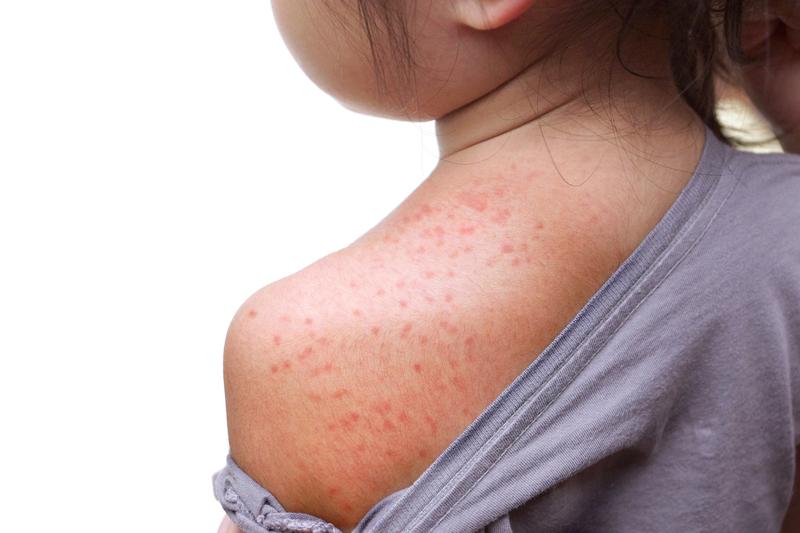
Measles is a highly contagious viral disease that can lead to serious complications, including pneumonia, encephalitis, and death. Before the widespread use of the measles vaccine, the disease was a common childhood illness. The MMR vaccine, introduced in 1971, significantly reduced measles incidence, leading to its elimination in the United States in 2000. However, outbreaks have recurred in recent years, often linked to unvaccinated populations. The current situation in New York and Pennsylvania shows the challenges public health officials face when vaccine coverage declines in certain communities. The expansion of healthcare professionals able to administer vaccines is a critical step in increasing access and vaccination rates, particularly in rural areas where healthcare access may be limited. Previous public health crises have also prompted similar emergency declarations to streamline response efforts and allocate resources effectively, as seen in various health-related events. The CDC provides extensive information on measles prevention and control on its official website. The rapid reporting requirement for MMR vaccinations mirrors strategies used in other public health initiatives to monitor disease progression and identify areas requiring targeted intervention. The focus on under-immunized rural communities reflects a pattern observed in other disease outbreaks, where geographical or social factors can contribute to lower vaccination rates and increased vulnerability.
Frequently asked questions
What is the purpose of New York's state disaster emergency declaration?
The declaration, issued by Governor Kathy Hochul, aims to combat a measles outbreak by expanding the types of healthcare professionals who can administer measles vaccines and requiring stricter reporting of MMR vaccinations to state or New York City immunization registries.
When was the state of emergency declared and for how long is it effective?
The state of emergency was declared on Monday, October 5, 2026, and is effective until November 4, 2026.
Related: Pennsylvania Measles Cases Exceed 1,000 Amid Outbreak
How many measles cases have been reported in New York State this year?
As of October 3, 2026, 108 measles cases have been reported in New York State residents this year, with 92 of those cases occurring since July 15.
Which healthcare professionals can now administer measles vaccines under the emergency order?
Under the executive order, paramedics, advanced EMS providers, pharmacists, and midwives are now authorized to administer measles vaccines. Nurses are also allowed to order testing.
What is the situation in neighboring Pennsylvania regarding measles?
Neighboring Pennsylvania is also experiencing a significant measles outbreak, with 1,004 cases and five deaths reported as of October 2, 2026, primarily in rural counties bordering New York.
Sponsored · Put your business in front of ByteSize Network's readers, with every click measured. See advertising packages · Advertise on ByteSize Network