Tag: Public Health

  • Australia Reports First Case of H5 Bird Flu in Mammal

    Australia Reports First Case of H5 Bird Flu in Mammal

    In a significant development, Australia has reported its first case of H5 bird flu in a mammal, a long-nosed fur seal in South Australia. This discovery comes amid ongoing concerns over the spread of the virus.

    Background

    H5 bird flu, also known as avian influenza subtype H5N1, is a highly pathogenic strain that can cause severe illness in both birds and humans. It typically spreads through contact with infected birds or their secretions.

    The Discovery

    The infected seal was found at Beachport, approximately 300 km south of Adelaide. Federal Agriculture Minister Julie Collins stated that this development, while concerning, was not unexpected given the high infection rates in wild birds.

    Risk Assessment

    As of today, there is no evidence of H5 bird flu in Australia’s poultry or agricultural production systems. The risk of H5 bird flu to human health in Australia remains low, and there have been no reported human infections of this strain in the country.

    Previous Outbreaks

    Australia has recorded 298 positive H5 bird flu events since the outbreak began, with 194 of those in South Australia. The H5 bird flu strain detected in Australia is the same strain that has caused mass mortality in poultry, wild birds, and sea mammals in other countries.

    FAQ

    • What is H5 bird flu? H5 bird flu is a highly pathogenic strain of avian influenza that can cause severe illness in both birds and humans.
    • How did the seal contract the virus? The infection is believed to have resulted from the seal’s exposure to infected wild birds or their shared environment.
    • Is there a risk to human health? The risk of H5 bird flu to human health in Australia remains low, and there have been no reported human infections of this strain in the country.
    • What steps are being taken to manage the situation? Authorities are closely monitoring the situation and implementing necessary precautions to prevent further spread.
    • Where can I get more information? For more detailed information, please refer to the official website of the Australian Government Department of Agriculture, Water and Environment.

    Frequently Asked Questions

    What is H5 bird flu?

    H5 bird flu is a highly pathogenic strain of avian influenza that can cause severe illness in both birds and humans.

    How did the seal contract the virus?

    The infection is believed to have resulted from the seal’s exposure to infected wild birds or their shared environment.

    Is there a risk to human health?

    The risk of H5 bird flu to human health in Australia remains low, and there have been no reported human infections of this strain in the country.

    What steps are being taken to manage the situation?

    Authorities are closely monitoring the situation and implementing necessary precautions to prevent further spread.

    Where can I get more information?

    For more detailed information, please refer to the official website of the Australian Government Department of Agriculture, Water and Environment.

    Support Independent Media & Early Access

    Read 100% ad-free and get early access to investigative documentaries and podcast episodes before they go public.

    Join for $7/mo →

  • Trump Executive Order Targets MMR Vaccine: Separation and Spaced Immunizations Mandated

    Trump Executive Order Targets MMR Vaccine: Separation and Spaced Immunizations Mandated

    TL;DR / KEY TAKEAWAYS BLOCK

    • President Donald Trump signed an executive order on August 10, 2026, targeting childhood vaccine recommendations.
    • The order directs the separation of the combined MMR vaccine into three individual shots once single-disease products are available in the U.S.
    • Currently, standalone single-strain measles, mumps, and rubella vaccines are not marketed or available in the United States.
    • The executive order also recommends administering routine childhood shots during separate medical visits.
    • The directive follows long-standing skepticism from figures like Robert F. Kennedy Jr. regarding combined MMR shots.

    OPENING HOOK

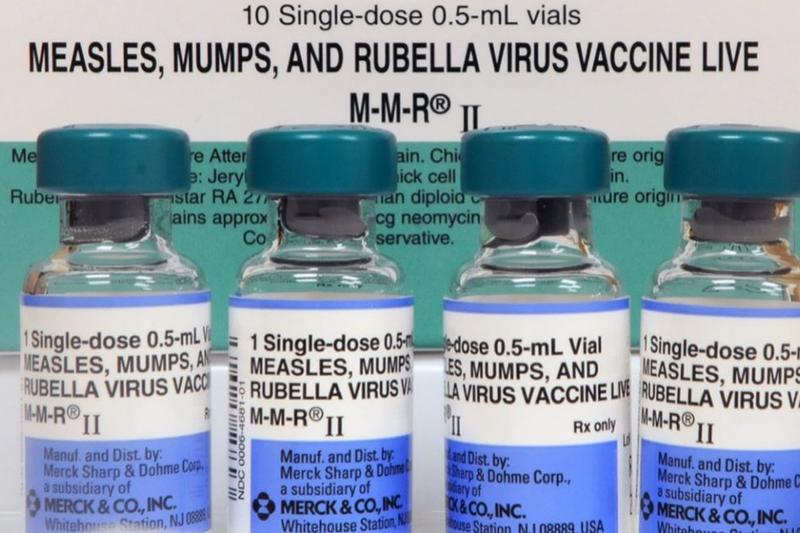
    President Donald Trump signed an executive order on August 10, 2026, directing a significant shift in childhood vaccine policy. The order mandates the separation of the combined measles, mumps, and rubella (MMR) vaccine into three individual shots, contingent upon the domestic availability of single-disease products. This action also recommends spacing out routine childhood immunizations across multiple medical visits.

    This directive arrives amid ongoing debates surrounding vaccine efficacy, safety, and public health policy. The administration’s move reflects a push to address concerns that have circulated for years regarding the current immunization schedule.

    What looks like a modern policy shift actually has roots in decades of public discussion and political tension. The executive order formalizes a position long advocated by certain public figures and groups.

    The Executive Order’s Directives

    The executive order, signed on Monday, August 10, 2026, outlines two primary changes to current childhood immunization practices. Its central tenet involves the measles, mumps, and rubella vaccine.

    The order directs that the combined MMR vaccine be separated into three individual shots. This separation is contingent upon the availability of single-disease products within the United States.

    A critical component of this directive is the current market reality. Standalone single-strain measles, mumps, and rubella vaccines for children are not presently marketed or available in the U.S. Manufacturers previously discontinued their production years ago.

    The executive order also addresses the scheduling of immunizations. It recommends that routine childhood shots be administered during separate medical visits. This contrasts with the current practice of combining multiple immunizations into single appointments.

    Historical Context of Vaccine Debates

    Discussions surrounding vaccine schedules and formulations are not new. For decades, various groups and individuals have expressed concerns about the combined MMR vaccine.

    Figures such as Robert F. Kennedy Jr. have historically advocated for single-dose variants of measles, mumps, and rubella vaccines. This advocacy aligns with the executive order’s aim to separate the combined shot.

    The administration’s deliberations in August 2026 included discussions about an executive order targeting vaccines and autism. This context highlights the persistent influence of vaccine hesitancy and misinformation on policy considerations.

    Health advisers have consistently warned against actions that could undermine established vaccination protocols. Concerns about vaccine hesitancy and potential outbreaks of preventable diseases have been central to these warnings.

    Public Health Implications and Scientific Consensus

    Medical professionals and public health advocates have consistently emphasized the scientific consensus on vaccine safety. Decades of robust scientific data show no link between vaccines and autism.

    The combined MMR vaccine has been a cornerstone of childhood immunization programs globally. Its effectiveness in preventing measles, mumps, and rubella outbreaks is well-documented.

    Public health bodies routinely push back against claims that target routine immunizations. They warn that such actions risk a resurgence of diseases that are otherwise preventable through widespread vaccination.

    The executive order introduces a tension between political directives and established scientific and medical guidelines. This tension has been a recurring theme in public health policy discussions.

    The Path Forward for Vaccine Availability

    The executive order’s implementation hinges on the domestic availability of single-strain measles, mumps, and rubella vaccines. Currently, these products are not manufactured or distributed in the U.S.

    The directive implies a potential shift in pharmaceutical manufacturing priorities. Companies would need to re-evaluate the production and marketing of these individual vaccine components.

    Any reintroduction of single-strain vaccines would require significant regulatory processes. These processes ensure the safety, efficacy, and quality of pharmaceutical products.

    The recommendation for separate medical visits for immunizations could also impact healthcare logistics. It might lead to increased appointment frequency for families and healthcare providers.

    CLOSING — THE TERMINAL DROP

    Policy shifts. Public health debates. Scientific consensus. Political directives. All converge on the future of childhood immunization in the United States.

    Vaccines.

    FAQ SECTION

    • Question: What is the main directive of President Trump’s executive order regarding vaccines?

      Answer: President Donald Trump’s executive order, signed on August 10, 2026, primarily directs the separation of the combined measles, mumps, and rubella (MMR) vaccine into three individual shots once single-disease products become domestically available. It also recommends administering routine childhood immunizations during separate medical visits.

    • Question: Are single-strain measles, mumps, and rubella vaccines currently available in the U.S.?

      Answer: No, standalone single-strain measles, mumps, and rubella vaccines for children are not currently marketed or available in the United States. Manufacturers discontinued their production years ago, meaning new production would be required to fulfill the executive order’s directive.

    • Question: What is the historical context behind the push to separate the MMR vaccine?

      Answer: The push to separate the MMR vaccine aligns with long-standing skepticism from figures like Robert F. Kennedy Jr., who have advocated for single-dose variants instead of the combined shot. This executive order reflects ongoing political and public debates surrounding vaccine schedules and perceived links to conditions like autism, despite scientific consensus refuting such links.

    • Question: What are the potential public health concerns raised by this executive order?

      Answer: Medical professionals and public health advocates express concerns that targeting routine immunizations, such as the MMR vaccine, could increase vaccine hesitancy and lead to outbreaks of preventable diseases. Decades of scientific data affirm the safety and efficacy of the combined MMR vaccine and show no link to autism.

  • Dr. Oz’s Influence: Successes in the Trump Administration

    Dr. Oz’s Influence: Successes in the Trump Administration

    Dr. Oz’s Role in the Trump Administration

    Dr. Mehmet Oz, widely recognized for his television career, played a significant role within the Trump administration, particularly in areas concerning health and wellness policy. His involvement was characterized by efforts to bridge medical insights with public communication strategies, addressing issues from opioid addiction to general public health education. This period saw Oz leverage his celebrity status to amplify governmental health initiatives.

    His tenure highlighted a unique intersection of media, medicine, and politics. Oz’s public persona allowed for direct engagement with broad audiences, a valuable asset for an administration seeking to disseminate health information effectively. His contributions were often lauded by administration officials as instrumental in their public health outreach.

    Early Engagement and Advisory Positions

    Dr. Oz’s engagement with the Trump administration began early in Donald Trump’s presidency. He was among several public figures who advised on various policy fronts. His initial involvement often centered on informal consultations regarding public health challenges facing the nation.

    These early discussions paved the way for more formalized roles. Oz’s background as a cardiothoracic surgeon and television host provided a distinctive perspective. He brought both clinical knowledge and mass communication experience to the table, making him a unique advisor within the political landscape.

    Focus on Opioid Crisis

    One of Dr. Oz’s most prominent areas of focus within the administration was the national opioid crisis. The opioid epidemic represented a critical public health emergency, and the administration sought diverse voices to tackle its complexities. Oz’s medical background made him a natural fit for contributing to these efforts.

    He participated in multiple White House meetings and task forces dedicated to combating opioid addiction. His advocacy often emphasized prevention, treatment access, and public awareness campaigns. Oz frequently spoke about the importance of reducing stigma associated with addiction, aligning with broader administration goals.

    Public Health Initiatives and Media Outreach

    Beyond the opioid crisis, Dr. Oz was instrumental in several other public health initiatives. He frequently appeared alongside administration officials to promote various health-related campaigns. His ability to distill complex medical information into accessible language proved valuable for public outreach.

    His media presence extended the reach of these messages far beyond traditional governmental channels. Oz’s television show and social media platforms became additional avenues for disseminating administration-backed health guidance. This symbiotic relationship allowed the administration to tap into a pre-existing, large audience.

    Promoting Health and Wellness

    Dr. Oz consistently championed general health and wellness during his time with the administration. He advocated for healthy lifestyles, preventative care, and informed decision-making regarding personal health. These efforts often aligned with broader public health goals to reduce chronic diseases and improve overall national well-being.

    His discussions frequently touched upon topics like nutrition, exercise, and mental health. Oz’s approach emphasized individual responsibility while also acknowledging systemic factors influencing public health. This dual focus allowed him to appeal to a wide array of perspectives within the public.

    Key Contributions and Policy Impact

    While often serving in an advisory capacity, Dr. Oz’s contributions translated into tangible policy discussions and public awareness campaigns. His input was valued in shaping the administration’s messaging on health. He provided a bridge between the medical community and the general public, facilitating clearer communication.

    His work on the opioid crisis, for instance, informed strategies for resource allocation and public education. Oz’s advocacy helped highlight the need for comprehensive approaches that included both law enforcement and public health interventions. This multi-faceted strategy was a hallmark of the administration’s response to the epidemic.

    Connecting with the Public

    Dr. Oz’s unique ability to connect with a mass audience was a significant asset. He could articulate the administration’s health priorities in a way that resonated with everyday Americans. This skill was particularly useful during periods requiring widespread public cooperation, such as during health awareness months or specific public health emergencies.

    His endorsements and appearances lent credibility to various governmental campaigns. The administration recognized the power of his platform to reach demographics that might not otherwise engage with official government communications. This made him a valuable conduit for public health information.

    Challenges and Criticisms

    Despite his successes, Dr. Oz’s involvement with the Trump administration was not without its challenges and criticisms. His dual role as a media personality and a government advisor sometimes blurred lines for the public. Critics often questioned the scientific rigor behind some of his health recommendations, a concern that predated his governmental role.

    Some medical professionals voiced concerns about the perceived politicization of health advice. These criticisms highlighted the delicate balance required when a public figure with a strong media presence enters the political arena. Oz, however, consistently defended his role as one focused on public service and health education.

    Navigating Political Waters

    Navigating the political landscape proved to be a learning experience for Oz. His public statements and endorsements were often scrutinized through a political lens, regardless of their medical basis. This scrutiny is common for any public figure aligning with a political administration.

    He maintained that his primary objective was to improve public health outcomes. Oz’s commitment to his advisory roles remained steadfast, even in the face of public debate. He continued to advocate for the issues he believed were critical for the nation’s health.

    Legacy and Continued Influence

    Dr. Oz’s time within the Trump administration solidified his position as a figure capable of influencing both public opinion and policy discussions. His legacy includes contributing to the national dialogue on opioid addiction and promoting broader health literacy. His approach emphasized prevention and accessible health information.

    Even after the Trump administration concluded its term on January 20, 2021, Oz’s influence in health and wellness discourse continued. His ability to blend medical expertise with media savvy positioned him as a unique voice in the public sphere. His work demonstrated the potential for non-traditional advisors to impact governmental policy.

    The administration’s embrace of figures like Dr. Oz underscored a strategy to engage the public through recognizable personalities. This approach aimed to cut through traditional media noise and deliver messages directly to citizens. Oz’s success in this capacity showcased the effectiveness of such a strategy.

    His efforts contributed to a greater awareness of critical health issues. He helped shape discussions. He amplified key messages. He brought a unique blend of medical authority and media accessibility to the White House.


  • Dr. Anthony Fauci Pleads Fifth Amendment at Senate COVID-19 Hearing

    Dr. Anthony Fauci Pleads Fifth Amendment at Senate COVID-19 Hearing

    Dr. Anthony Fauci invoked his Fifth Amendment right against self-incrimination today, July 29, 2026, during a Senate hearing in Washington D.C. This action occurred as the Senate committee scrutinized aspects of the federal government’s handling of the COVID-19 pandemic, with Fauci declining to answer questions posed by senators.

    The invocation of this constitutional right allows a witness to refuse to provide testimony that might be used against them in a criminal proceeding. It is a legal protection and does not automatically imply guilt, but it prevents forced self-incrimination.

    Fauci’s appearance was highly anticipated. He previously served as the Director of the National Institute of Allergy and Infectious Diseases (NIAID) for decades. He also held the role of Chief Medical Advisor to the President during the initial phases of the COVID-19 pandemic.

    The Senate’s Ongoing Investigation

    The Senate committee conducting this hearing has been engaged in a multi-month investigation. Its mandate includes examining various facets of the COVID-19 response. This encompasses the origins of the SARS-CoV-2 virus, the accelerated development of vaccines, the implementation of public health mandates, and the allocation of federal funding.

    Witnesses have been called to provide testimony on these critical matters. The committee’s work aims to establish a comprehensive record of decisions made and actions taken during the public health crisis.

    Today’s session was expected to be a pivotal moment. Public interest in Fauci’s testimony had been substantial leading up to the hearing.

    Scope of the Inquiry

    The investigation has cast a wide net. Senators have pursued questions regarding the scientific basis for certain public health recommendations. They have also examined the processes behind vaccine approval and distribution.

    Federal funding for research, both domestic and international, has also been a key area of focus. The committee seeks to understand the oversight mechanisms in place for these expenditures.

    The role of various federal agencies, including the National Institutes of Health (NIH) and the Centers for Disease Control and Prevention (CDC), has been under review. The committee aims to identify strengths and weaknesses in the national response framework.

    Understanding the Fifth Amendment

    The Fifth Amendment to the United States Constitution provides several fundamental protections for individuals. These protections are designed to safeguard liberty and ensure due process.

    One of the most recognized provisions is the right against self-incrimination. This right is enshrined in the clause stating that no person shall be “compelled in any criminal case to be a witness against himself.”

    This protection extends beyond criminal trials to various legal proceedings, including congressional hearings. A witness can invoke the Fifth Amendment if they reasonably believe their testimony could furnish evidence that might lead to their prosecution.

    Legal Implications of Invocation

    Invoking the Fifth Amendment is a legal right. It is not an admission of guilt, nor does it create a presumption of guilt in a court of law. The Supreme Court has affirmed that a person’s silence cannot be used as evidence of guilt in a criminal trial.

    However, in civil proceedings or congressional hearings, the invocation can carry different implications. While not proof of guilt, it can sometimes be interpreted by the public as an indication that the witness has something to hide.

    Legal scholars often emphasize that the right is a crucial safeguard. It prevents the government from coercing individuals into providing testimony that could be used to convict them.

    Fauci’s Role in the Pandemic Response

    Dr. Anthony Fauci became a prominent figure during the COVID-19 pandemic. As the Director of NIAID, a position he held from 1984 until his retirement in 2022, he was a key scientific voice.

    He also served as Chief Medical Advisor to the President for a period. In this capacity, he advised on public health strategies and communicated scientific information to the public.

    His public appearances and briefings were frequent. He often explained complex scientific concepts and public health measures to a broad audience.

    Key Areas of Influence

    Fauci’s influence extended across several critical areas. He played a significant role in advising on vaccine development and deployment. His input was sought on strategies for mitigating virus transmission, such as masking and social distancing.

    He also contributed to discussions around the origins of the virus. This included debates about natural emergence versus laboratory leak theories.

    His career at NIAID spanned multiple public health crises, including HIV/AIDS, Ebola, and Zika. This extensive experience positioned him as a leading authority during the COVID-19 outbreak.

    Public and Political Reactions

    News of Fauci’s invocation of the Fifth Amendment quickly circulated. Bloomberg Television was among the first outlets to report the development.

    The event immediately sparked significant public and political reactions. Social media platforms showed a rapid increase in discussion surrounding the hearing.

    Members of the Senate committee expressed various sentiments. Some senators indicated that the invocation complicated their investigative efforts. Others underscored the constitutional right of any witness to decline to testify.

    The Broader Context of Scrutiny

    The hearing is part of a larger, ongoing scrutiny of the pandemic response. This scrutiny comes from various sectors. It includes governmental bodies, scientific organizations, and the general public.

    Questions about decision-making processes, the effectiveness of interventions, and the economic impact of policies continue to be debated. The long-term consequences of the pandemic are still being assessed.

    Fauci’s testimony was anticipated as a moment to gain further insight. His decision to invoke the Fifth Amendment has altered the immediate trajectory of this particular line of inquiry.

    Developing Story: Limited Details

    This is a developing story. Initial reports confirm the invocation of the Fifth Amendment by Dr. Anthony Fauci. However, many specific details remain undisclosed.

    The exact questions posed by senators that led to the invocation have not been fully released. The committee’s immediate response and any subsequent procedural actions are also pending further information.

    Additional details are expected to emerge in the coming hours and days. These details will likely include official statements from the committee and further reporting from news organizations.

    Anticipated Next Steps

    The Senate committee will likely continue its investigation. They may pursue other avenues of inquiry or call additional witnesses.

    The legal implications for Fauci are not yet clear. The invocation protects against self-incrimination in criminal proceedings. However, the committee could explore other legal options, though specifics are not currently available.

    Public interest in the proceedings remains exceptionally high. The event marks a significant turn in the ongoing public and political discourse surrounding the pandemic response.

    A Senate committee convened. Witnesses were called. Questions were asked. The Fifth Amendment was invoked.

    Washington D.C.


  • Trump Threatens Tariffs on Mexico Over Contaminated Lettuce Concerns

    Trump Threatens Tariffs on Mexico Over Contaminated Lettuce Concerns

    President Trump Considers Tariffs on Mexico Over Lettuce Contamination

    President Donald Trump has publicly threatened to impose tariffs on imports from Mexico, specifically citing concerns about lettuce originating from the country causing diarrhea among consumers. This declaration, reported on July 27, 2026, from a Bloomberg Television feed, signals a potential escalation in trade relations between the two nations, driven by public health and food safety issues.

    The threat of tariffs represents a significant policy tool. It can alter economic dynamics between trading partners. For Mexico, a major agricultural exporter to the United States, such tariffs could have substantial economic repercussions.

    The Nexus of Food Safety and Trade Policy

    Food safety remains a critical public health issue. Contamination in produce, particularly leafy greens, has been a recurring concern for health authorities in the United States. Bacterial outbreaks linked to imported foods can lead to widespread illness and significant economic losses for affected industries.

    President Trump’s administration has previously utilized tariffs as a key component of its trade strategy. These measures are often employed to exert pressure on other nations to comply with specific demands or to address perceived economic imbalances. The current threat against Mexico over lettuce contamination follows this established pattern.

    Previous Food Safety Incidents and Their Impact

    Concerns about foodborne illnesses linked to produce are not new. In recent years, several outbreaks of E. coli and Salmonella have been traced to various types of fresh produce, including romaine lettuce. These incidents have prompted increased scrutiny of agricultural practices and supply chain management, both domestically and internationally.

    For example, in 2018, a widespread E. coli outbreak linked to romaine lettuce grown in Yuma, Arizona, sickened over 200 people across 36 states and resulted in five deaths. This event led to significant recalls and public health advisories. Such incidents underscore the gravity of food safety concerns and the potential for severe public health consequences.

    The Food and Drug Administration (FDA) and the Centers for Disease Control and Prevention (CDC) are primary federal agencies responsible for monitoring and responding to foodborne illness outbreaks. Their investigations often involve tracing contaminated products back to their source farms or processing facilities, a process that can be complex and time-consuming, especially with international supply chains.

    Agricultural Imports from Mexico: A Significant Volume

    Mexico is a leading supplier of fresh produce to the United States. A wide variety of fruits and vegetables, including tomatoes, avocados, and leafy greens, are imported across the southern border daily. This trade relationship is vital for both economies, supporting agricultural industries and providing consumers with diverse food options.

    In 2025, agricultural imports from Mexico to the United States exceeded tens of billions of dollars. Leafy greens, such as lettuce, constitute a significant portion of these imports. Any disruption to this trade, such as the imposition of tariffs, could affect consumer prices and the availability of certain produce items in American supermarkets.

    Economic Implications of Tariffs

    The imposition of tariffs on Mexican agricultural products, particularly lettuce, would have multifaceted economic consequences. For Mexican farmers and exporters, it would mean increased costs and reduced competitiveness in the U.S. market, potentially leading to financial hardship and job losses.

    In the United States, consumers might face higher prices for fresh produce. Retailers and food service providers would also need to adjust their sourcing strategies, potentially seeking alternative suppliers or absorbing increased costs. The economic ripple effects could extend throughout the agricultural supply chain.

    Economists often debate the effectiveness of tariffs as a policy tool. While proponents argue they can protect domestic industries or compel foreign governments to change policies, critics point to potential negative impacts on consumers, international relations, and global trade stability. The current threat from President Trump reignites these debates.

    The Role of International Regulations and Standards

    International trade agreements often include provisions related to food safety and phytosanitary standards. These agreements aim to ensure that imported foods meet the health and safety requirements of the importing country while facilitating trade. Disputes over these standards can become contentious issues in bilateral and multilateral relations.

    The United States and Mexico are parties to the United States-Mexico-Canada Agreement (USMCA), which replaced NAFTA in 2020. USMCA includes chapters on sanitary and phytosanitary measures, outlining principles for food safety regulations and dispute resolution mechanisms. Any tariff action based on food safety concerns would likely be scrutinized under the terms of this agreement.

    Stakeholder Reactions and Future Steps

    Various stakeholders are monitoring this situation closely. Agricultural industry groups in both the United States and Mexico would likely express concerns over potential tariffs, advocating for solutions that do not disrupt trade flows. Consumer advocacy groups, on the other hand, might emphasize the importance of robust food safety measures.

    Government agencies, including the Department of Agriculture (USDA) and the Office of the U.S. Trade Representative (USTR), would be involved in assessing the feasibility and implications of such tariffs. Their analyses would consider economic data, trade agreements, and public health objectives.

    The precise nature and scope of any potential tariffs remain to be seen. President Trump’s statements often serve as negotiating tactics, indicating a strong stance that may or may not culminate in immediate action. However, the explicit mention of lettuce and diarrhea points to a specific and pressing concern for the administration.

    The Broader Context of U.S.-Mexico Relations

    Trade relations between the United States and Mexico have been a consistent theme throughout President Trump’s presidency. Issues such as border security, immigration, and manufacturing have frequently shaped the bilateral agenda. Food safety now adds another layer to this complex relationship.

    The interdependence of the two economies means that actions taken by one nation often have direct consequences for the other. This latest development underscores the interconnectedness of their agricultural sectors and the shared interest in ensuring safe and efficient cross-border trade.

    Ultimately, the resolution of this issue will likely involve diplomatic negotiations, scientific assessments of food safety protocols, and economic considerations. The threat of tariffs serves as a powerful signal, intended to prompt action and attention to the stated concerns.

    Addressing Food Safety in Global Supply Chains

    Ensuring food safety in global supply chains is a complex challenge. It requires collaboration between governments, industry, and international organizations. Harmonizing standards, improving traceability, and investing in advanced testing technologies are all crucial components of a robust food safety system.

    The current discussion about Mexican lettuce highlights the need for continuous vigilance. It also emphasizes the importance of clear communication channels between regulatory bodies in different countries. These channels are essential for quickly identifying and mitigating risks.

    Agricultural practices, from farm to fork, play a pivotal role. Adherence to Good Agricultural Practices (GAPs) and Good Manufacturing Practices (GMPs) helps minimize contamination risks. These practices are often voluntary but are increasingly becoming standard expectations for producers supplying international markets.

    Consumer Confidence and Public Health

    Public confidence in the safety of the food supply is paramount. When outbreaks occur, consumer trust can erode rapidly. This erosion can lead to decreased demand for certain products and significant losses for businesses. Therefore, governments and industries have a strong incentive to prevent foodborne illnesses.

    Educational campaigns for consumers about safe food handling and preparation are also important. While much of the responsibility lies with producers and regulators, informed consumers can further reduce risks in their own homes. This multi-pronged approach strengthens the overall food safety framework.

    The dialogue surrounding tariffs on Mexican lettuce underscores these broader themes. It brings to the forefront the challenges of managing a global food system. It also highlights the constant need to balance economic interests with public health imperatives.

    Looking Ahead: Potential Outcomes

    Several outcomes are possible regarding President Trump’s tariff threat. Mexico may implement stricter inspection protocols for its lettuce exports. The United States could increase its own inspection efforts at the border. Diplomatic discussions could lead to a mutual agreement on enhanced food safety cooperation.

    Alternatively, tariffs could be imposed, leading to trade disputes and economic disruptions. The situation remains fluid. It will require careful monitoring by all parties involved. The ultimate goal for both nations is to ensure the safety of food consumed by their populations while maintaining a productive trade relationship.

    Consumers watch. Industries watch. Governments watch.

    Washington.

    FAQ Section

    • What is President Trump’s reason for threatening tariffs on Mexico?

      President Trump has threatened tariffs on Mexico due to concerns about imported lettuce causing diarrhea. This indicates a focus on food safety within the broader context of trade relations.

    • How would tariffs on Mexican lettuce impact the U.S. economy?

      Tariffs on Mexican lettuce could lead to higher prices for consumers in the United States and may require retailers to seek alternative, potentially more expensive, suppliers. It could also disrupt established supply chains for fresh produce.

    • What government agencies are involved in addressing food safety concerns in imported produce?

      The Food and Drug Administration (FDA) and the Centers for Disease Control and Prevention (CDC) are key U.S. government agencies involved in monitoring foodborne illnesses and ensuring the safety of imported produce. The Department of Agriculture (USDA) also plays a role in agricultural trade and standards.

    • Has the U.S. previously imposed tariffs on Mexico for similar reasons?

      While President Trump’s administration has previously used tariffs as a trade tool against Mexico for various reasons, including immigration and economic leverage, this specific threat linked directly to food safety concerns about produce contamination is a distinct application of the policy.

    • What measures can be taken to ensure the safety of imported lettuce?

      Ensuring the safety of imported lettuce involves implementing stringent agricultural practices, enhancing inspection and testing protocols at various points in the supply chain, and fostering international cooperation on food safety standards between exporting and importing nations.


  • Taco Bell Removes Lettuce Amid Cyclosporiasis Scare – A Food Safety Deep Dive

    Taco Bell Removes Lettuce Amid Cyclosporiasis Scare – A Food Safety Deep Dive

    Taco Bell removed lettuce from an unspecified number of its restaurant locations in response to a developing cyclosporiasis scare. This proactive measure aims to mitigate potential public health risks associated with the foodborne illness. Cyclosporiasis is an intestinal infection caused by the microscopic parasite Cyclospora cayetanensis, often linked to contaminated fresh produce.

    The fast-food chain’s action aligns with standard food safety protocols. It prioritizes consumer health and safety over standard menu availability. This incident underscores the persistent challenges in maintaining food safety across large-scale food service operations.

    Understanding Cyclosporiasis: The Parasite and Its Effects

    Cyclosporiasis is an infection of the small intestine. It is caused by a single-celled parasite named Cyclospora cayetanensis. This parasite is microscopic, making it invisible to the naked eye.

    Humans become infected by ingesting food or water contaminated with the parasite. The parasite must first mature in the environment after being shed in the feces of an infected person or animal. This maturation process, called sporulation, typically takes days or weeks under favorable conditions.

    Once ingested, the parasite invades the cells lining the small intestine. It then multiplies and causes a range of gastrointestinal and systemic symptoms. The illness can be particularly severe and prolonged if left untreated.

    The incubation period for cyclosporiasis is usually about one week. However, it can range from two to eleven days after exposure. This variable incubation period can make tracing the exact source of an outbreak challenging.

    Common Symptoms of Cyclosporiasis

    Symptoms of cyclosporiasis can vary in intensity. They often include watery diarrhea, which can be frequent and explosive. Other common symptoms are loss of appetite and significant weight loss.

    Abdominal cramps, bloating, and increased gas production are also frequently reported. Patients may experience nausea, vomiting, and low-grade fever.

    Fatigue and general malaise are also characteristic of the infection. These symptoms can wax and wane for weeks or even months if the infection is not treated. Repeated relapses are possible.

    Individuals experiencing these symptoms, especially after consuming potentially contaminated food, should seek medical attention. Diagnosis is typically made through laboratory testing of stool samples.

    The Nature of the Scare: Why Lettuce?

    The specific details regarding the origin or full extent of the current cyclosporiasis scare remain limited. Neither Taco Bell nor public health authorities have released comprehensive information as of July 18, 2026. The removal of lettuce indicates a proactive step to mitigate potential risks to consumers.

    Lettuce and other leafy greens are frequently implicated in foodborne illness outbreaks. This is due to their growing conditions and how they are consumed. They are often eaten raw, without cooking that would kill pathogens.

    Contamination can occur at various stages of production. This includes irrigation with contaminated water, contact with animal feces in fields, or improper handling during harvesting and processing. The intricate surfaces of leafy greens can also make them difficult to clean thoroughly.

    The Cyclospora parasite is known to be endemic in certain regions globally. It can contaminate fresh produce, particularly items consumed raw. Washing produce is important, but it may not always eliminate Cyclospora. The parasite can be difficult to remove from produce surfaces, even with thorough washing.

    Outbreaks linked to fresh produce, particularly leafy greens, are not uncommon. These incidents often lead to widespread product recalls or removals as investigations proceed. The current situation with Taco Bell follows this pattern of immediate response to potential contamination threats.

    Taco Bell’s Corporate Response and Public Health

    Taco Bell’s decision to remove lettuce aligns with established food safety protocols. Companies often act swiftly to pull potentially compromised ingredients from their supply chains. This aims to protect customers and prevent further illness while investigations are underway.

    This is a developing story. Public health officials are actively working to identify the source of contamination. They are likely collaborating with Taco Bell’s internal food safety teams. Their collective efforts focus on assessing the full scope of any potential risk.

    Further updates are anticipated as more information becomes available. These updates will likely come from both Taco Bell and relevant health agencies. The Centers for Disease Control and Prevention (CDC) and local health departments often play key roles in such investigations.

    The swift action taken by Taco Bell demonstrates a commitment to consumer safety. It is a critical step in managing potential public health crises. Such actions help to limit the spread of illness and maintain public trust.

    Previous Cyclospora Outbreaks in the United States

    The United States has experienced multiple cyclosporiasis outbreaks linked to fresh produce. These incidents highlight the ongoing challenge of preventing such foodborne illnesses.

    In 2018, a large multistate outbreak of cyclosporiasis was linked to pre-packaged salads. These salads were sold at various retailers, including McDonald’s. The outbreak affected hundreds of individuals across several states.

    Another significant outbreak occurred in 2013, traced to a salad mix. This incident also impacted a large number of people across multiple states. It led to extensive investigations by public health authorities.

    These past events underscore the seriousness of cyclosporiasis outbreaks. They also demonstrate the necessity of rapid response from both food companies and public health organizations. Each outbreak provides valuable lessons for improving food safety practices.

    Impact on Operations and Consumer Information

    The removal of a staple ingredient like lettuce can significantly impact menu offerings at affected Taco Bell locations. Customers may find certain items temporarily unavailable. Other menu items may be modified to exclude lettuce.

    This operational adjustment prioritizes health and safety over standard menu availability. It reflects a difficult but necessary decision for a food service provider. The absence of a key ingredient can disrupt customer expectations and daily operations.

    Consumers are advised to stay informed through official announcements. These announcements will come from Taco Bell and relevant health agencies. This information will provide the most accurate and up-to-date guidance on the situation.

    Official channels are the most reliable sources for updates. Social media and unofficial reports may contain misinformation. Relying on verified information is crucial during public health concerns.

    Preventing Cyclosporiasis: What Consumers Can Do

    While food companies and health agencies work to ensure safety, consumers also have a role in preventing foodborne illnesses. Understanding how Cyclospora spreads is key.

    Illnesses caused by Cyclospora are not typically transmitted directly from person to person. They primarily occur through the ingestion of contaminated food or water. This means careful handling and preparation of food are important.

    Thoroughly washing all fresh produce under running water is a general recommendation. However, as noted, this may not always eliminate Cyclospora. The parasite can adhere stubbornly to produce surfaces.

    Cross-contamination is another concern. Using separate cutting boards and utensils for raw produce and raw meats can help prevent the spread of pathogens. Handwashing before and after handling food is also critical.

    When traveling to regions where Cyclospora is endemic, extra precautions may be advisable. Avoiding raw produce, unpasteurized dairy products, and untreated water can reduce risk.

    The Broader Implications for Food Supply Chains

    The Taco Bell lettuce scare highlights vulnerabilities within complex global food supply chains. Fresh produce often travels long distances. It passes through numerous hands and environments before reaching the consumer.

    Each step in this chain presents a potential point of contamination. From farming and harvesting to processing, packaging, and distribution, robust safety measures are required. A single lapse can lead to widespread illness.

    Traceability systems are crucial for quickly identifying the source of contamination during an outbreak. These systems allow investigators to track products back to their origin. This helps in isolating affected batches and preventing further illness.

    Continuous monitoring and regular testing of produce are also essential. These measures help to detect pathogens before they reach consumers. Investment in advanced food safety technologies and practices is ongoing.

    The incident reinforces the need for collaboration. Food producers, distributors, retailers, and public health agencies must work together. This collective effort is vital for safeguarding the food supply.

    Food safety regulations are continually evolving. They adapt to new scientific understanding and emerging threats. Compliance with these regulations is a fundamental responsibility for all entities involved in the food industry.

    Consumers rely on these systems to provide safe food. Incidents like the current cyclosporiasis scare erode consumer confidence. They also serve as powerful reminders of the constant vigilance required.

    Farmers gathered. Health officials gathered. Corporate executives gathered. The public waited.

    Safety.

  • Supreme Court Blocks Lawsuits Over Chemical Risks – A Blow to Consumer Protection

    Supreme Court Blocks Lawsuits Over Chemical Risks – A Blow to Consumer Protection

    The Supreme Court’s Decision on Chemical Risks

    On June 25, 2026, the U.S. Supreme Court issued a ruling that effectively blocked lawsuits related to chemical risks. This decision carries significant implications for both corporate accountability and consumer protection, potentially narrowing the pathways for individuals to seek legal redress for harm caused by exposure to hazardous chemicals.

    The ruling stems from a complex legal landscape involving federal statutes, state tort laws, and the principle of preemption. This concept dictates when federal law overrides state law, often at the heart of disputes between industry and public interest groups.

    Background of the Case

    The case, which originated in lower federal courts, involved multiple plaintiffs who alleged various health complications due to prolonged exposure to specific industrial chemicals. These chemicals were widely used in manufacturing processes and consumer products across several states.

    The plaintiffs contended that manufacturers failed to adequately warn consumers about the inherent dangers of their products. They sought compensation for medical expenses, lost wages, and pain and suffering, relying on state-level product liability laws.

    Industry defendants argued that their products complied with federal regulations established by agencies such as the Environmental Protection Agency (EPA) and the Food and Drug Administration (FDA). They asserted that these federal standards should preempt, or override, state-level claims, thereby shielding them from additional liability.

    The Legal Arguments Presented

    Arguments before the Supreme Court focused heavily on the interpretation of federal statutes like the Toxic Substances Control Act (TSCA) and the Federal Insecticide, Fungicide, and Rodenticide Act (FIFRA). These acts grant federal agencies the authority to regulate chemical substances and their labeling.

    Attorneys for the chemical manufacturers argued that Congress intended these federal laws to establish a comprehensive regulatory framework. This framework, they maintained, should preclude states from imposing different or more stringent requirements through litigation.

    Conversely, counsel for the plaintiffs argued that federal regulations set a floor, not a ceiling, for safety standards. They contended that state common law claims serve as a crucial complementary mechanism for protecting citizens and ensuring corporate responsibility, especially when federal oversight might be insufficient.

    Amicus curiae briefs were filed by a wide array of organizations. These included industry trade groups like the American Chemistry Council, advocating for preemption, and consumer advocacy groups such as Public Citizen, arguing against it.

    The Court’s Majority Opinion

    The majority opinion, delivered by Justice Alito, emphasized the principle of federal uniformity in regulating complex industries. The Court found that certain federal statutes, particularly those governing chemical safety, were intended by Congress to be sufficiently comprehensive to preempt state-level tort claims.

    The opinion highlighted the potential for a patchwork of state laws to create undue burdens on interstate commerce and undermine the consistent application of federal policy. It suggested that allowing state lawsuits in these specific circumstances would intrude upon the regulatory authority delegated to federal agencies.

    The Court’s reasoning centered on the idea that federal agencies possess the scientific expertise and resources to balance economic benefits with public health risks. This balance, the majority concluded, should not be subject to re-evaluation by individual state juries.

    This interpretation marks a significant shift in the balance of power between federal regulatory authority and state common law remedies in the context of environmental and product liability.

    Dissenting Views and Concerns

    Justice Sotomayor authored a vigorous dissent, joined by Justices Kagan and Jackson. The dissent argued that the majority’s interpretation of federal preemption was overly broad and would leave injured individuals without adequate recourse.

    The dissenting justices emphasized the historical role of state tort law in holding corporations accountable for harm. They argued that federal regulations often represent minimum standards, and that state lawsuits provide an essential incentive for manufacturers to exceed those minimums.

    The dissent also raised concerns about the practical implications for public health. It suggested that blocking these lawsuits would reduce corporate incentives to invest in safer product designs and more transparent risk disclosures. This could lead to a decrease in overall product safety, potentially increasing public exposure to dangerous chemicals.

    Environmental justice advocates specifically noted that communities already disproportionately affected by pollution might bear an even greater burden. They warned that the ruling could exacerbate existing health disparities.

    Impact on Corporate Accountability

    The Supreme Court’s decision is expected to have a substantial impact on corporate accountability, particularly within the chemical manufacturing sector. Companies may face fewer lawsuits related to chemical exposure, potentially reducing their legal defense costs and liability payouts.

    This ruling could embolden manufacturers to rely more heavily on federal compliance as a shield against state-level claims. It may also influence how companies approach product development, risk assessment, and public disclosure of chemical hazards.

    Critics of the decision argue that it weakens the deterrent effect of litigation. They contend that the threat of lawsuits often compels companies to prioritize safety beyond what federal regulations explicitly mandate.

    Conversely, industry proponents argue that the decision provides much-needed regulatory certainty. This certainty, they claim, will foster innovation and investment in the chemical sector by reducing unpredictable legal risks.

    Implications for Consumer Protection

    For consumers, the ruling presents a more challenging landscape for seeking compensation for injuries caused by chemical exposure. The avenues for legal recourse may become significantly narrower, particularly in cases where federal regulations were met.

    Consumer protection advocates expressed deep concern that this decision could leave individuals vulnerable to harm without effective means of redress. They argue that it places a greater burden on federal agencies, which are often under-resourced, to police chemical safety effectively.

    The decision might also shift the focus of advocacy efforts. Instead of pursuing litigation, consumer groups may intensify their lobbying for stronger federal regulations and increased funding for agencies like the EPA and FDA.

    Individuals seeking compensation for harm may now need to demonstrate that a manufacturer violated specific federal standards, a higher bar than proving negligence under state common law.

    Future of Environmental Litigation

    The Supreme Court’s ruling on June 25, 2026, is poised to reshape the future of environmental litigation in the United States. It signals a judiciary increasingly inclined to favor federal preemption in areas involving complex industrial regulation.

    Legal scholars predict a potential decrease in the number of state-level product liability lawsuits against chemical companies. This shift could lead to a re-evaluation of litigation strategies by environmental law firms and public interest organizations.

    The decision may also spur new legislative efforts at both federal and state levels. Advocates for stronger environmental protections might push Congress to amend existing statutes to explicitly preserve state tort remedies.

    Conversely, industry groups may lobby for further preemption language in future legislation. The battle over the balance between federal and state authority in environmental matters is likely to continue in both the courts and legislative chambers.

    Reactions from Stakeholders

    Public health organizations, including the American Public Health Association, released statements expressing alarm. They highlighted the potential for increased public health risks and reduced corporate accountability.

    Environmental advocacy groups, such as the Sierra Club and the Environmental Working Group, condemned the ruling. They called it a significant setback for environmental protection and individual rights.

    Industry associations, including the National Association of Manufacturers, lauded the decision. They characterized it as a victory for regulatory clarity and economic competitiveness, reducing the burden of what they often describe as frivolous lawsuits.

    Legal experts across various universities offered mixed reactions. Some supported the Court’s emphasis on federal uniformity, while others criticized what they perceived as an erosion of state sovereignty and citizen protections.

    The Path Forward

    The implications of this Supreme Court decision will unfold over the coming months and years. It will influence legal strategies, corporate practices, and public policy debates.

    Individuals harmed by chemical exposure will need to explore new legal avenues or rely more heavily on federal regulatory enforcement. Legal challenges may now focus more intensely on proving violations of specific federal statutes rather than broader common law principles.

    Activists will likely intensify their efforts to influence legislative bodies, advocating for statutory changes that explicitly protect the right to sue for chemical-related injuries. The political arena may become the primary battleground for these issues.

    The regulatory agencies themselves, like the EPA and FDA, will face increased scrutiny and pressure to ensure their oversight effectively protects public health in the absence of robust state-level litigation.

    Citizens will continue to organize. Advocates will continue to educate. Legislators will continue to debate.

    The courts will continue to interpret.

    Chemicals.