
Presented by Oriam AI. Our newsroom reported this story independently; Oriam AI sponsors its publication.
The M-Vave FM-1, a portable FM synthesizer, has emerged as a significant platform for open-source development in the realm of musical instruments. Unveiled in mid-June 2026, this compact device has garnered attention for its capabilities and its community-driven evolution.
What looks like a simple gadget actually started a few months ago as an affordable entry into digital music creation. The FM-1 combines a powerful synthesis engine with a highly portable form factor, making it accessible to a wide range of users, from hobbyists to professional musicians. Its impact extends beyond its initial specifications, fostering a vibrant ecosystem of custom firmware and software tools.
Initial Release and Core Features
The M-Vave FM-1 was introduced to the market in mid-June 2026. It immediately stood out for its compact size and comprehensive feature set at an accessible price point. The device is currently available for purchase from various online retailers, including AliExpress and Walmart, with prices typically around €74 or $60.
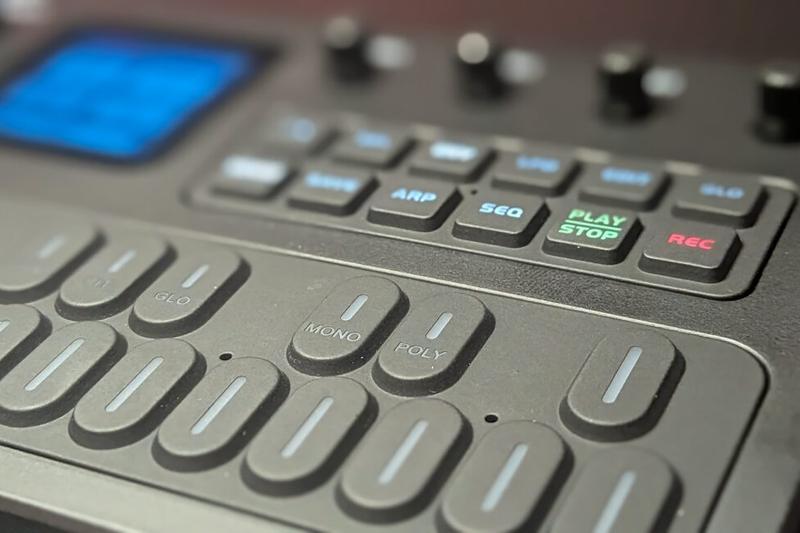
At its core, the FM-1 features a 6-operator FM synthesis engine. This engine supports 32 distinct algorithms, providing a broad palette for sound design. Users can access 128 factory presets, offering immediate creative possibilities. A 16-step sequencer is integrated for pattern creation and arrangement. The unit also includes built-in effects, enhancing its standalone capabilities as a music production tool.
Official Firmware Evolution
M-Vave has actively supported the FM-1 with official firmware updates. These updates have significantly expanded the device’s functionality and performance. Version V15 and V16, for instance, introduced crucial enhancements.
These updates included expanded polyphony, allowing for more complex musical arrangements. Multitimbral operation was also added, enabling the FM-1 to play multiple sounds simultaneously. The sequencer received improvements, making it more intuitive and powerful for users. These official developments laid the groundwork for further community engagement.
The Rise of Open-Source Development
A pivotal moment for the M-Vave FM-1 arrived with the introduction of FM1 Open. This initiative represents an official open-source firmware project for the device. FM1 Open includes several key components designed to empower developers and users alike.
The project provides an open firmware, allowing for transparency and modification of the device’s core operating system. A browser-based workbench offers a user-friendly interface for interacting with the FM-1 and its firmware. Additionally, a software development kit (SDK) is available, providing the necessary tools for creating custom applications and modifications. This commitment to open-source principles has transformed the FM-1 into a popular development platform, attracting a dedicated community of third-party developers who create alternate firmware and expand its capabilities beyond the factory specifications.
Community-Driven Innovation
The M-Vave FM-1’s open-source nature has fostered a dynamic community. This community actively contributes to the device’s evolution, creating custom firmware and software tools. These third-party developments often introduce features not found in the official releases, pushing the boundaries of what the compact synthesizer can achieve.
Related: AI Translates Plant Signals: The Rise of Botanical Communication Tech
The collaborative environment allows users to share patches, sequences, and workflow tips. Forums and online groups dedicated to the FM-1 serve as hubs for knowledge exchange and problem-solving. This collective effort ensures the FM-1 remains a relevant and evolving tool in the portable music production landscape. The device exemplifies how hardware can become a canvas for software innovation when supported by an open development model.
Impact on Portable Music Production
The M-Vave FM-1’s journey from an impulse purchase to a pocket studio highlights its significant impact on portable music production. Its affordability makes advanced synthesis accessible to a broader audience. The combination of powerful hardware and an active open-source community provides a continuously evolving platform.
This model of development, where official support meets community innovation, sets a precedent for future musical instruments. It demonstrates the potential for devices to grow and adapt long after their initial release, driven by the creativity of their users. The FM-1 is not just a synthesizer; it is a testament to the power of open collaboration in technology.
Musicians gathered. Developers gathered. Enthusiasts gathered.
Innovation.
Sources
Sponsored · Want AI without handing over client files? Oriam AI installs private, on-premise AI for CPA firms, law firms, and insurance and title agencies. oriamai.online · Advertise on ByteSize Network