Presented by Oriam AI. Our newsroom reported this story independently; Oriam AI sponsors its publication.
- Electric Plant, co-founded by Justin Mast and Lee von Kraus, developed the Bombadil AI to interpret plant electrical signals.
- The Bombadil AI model can interpret signals from approximately 125 plant species.
- Electric Plant has secured $11.2 million in seed funding to commercialize its sensor and AI technology.
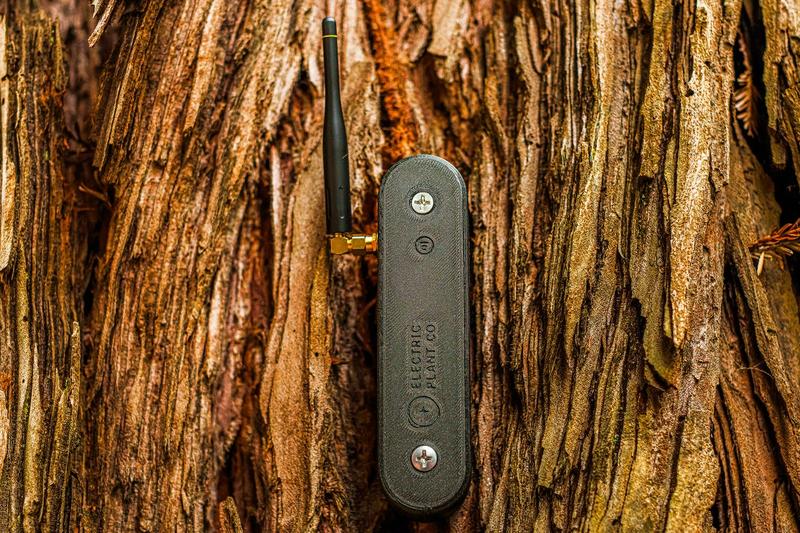
- The Bud sensor is a lightweight, handheld device that attaches to plants to detect and interpret these electrical signals.
- Other innovations include Spelman College’s PlantGPT for personalized care and PlantWave, which translates plant signals into music.
The concept of communicating with plants, once relegated to science fiction or spiritual practices, is now entering the realm of technological possibility. Artificial intelligence is at the forefront of this shift, enabling devices to interpret the complex biological processes of plants. This emerging field promises to revolutionize agriculture, botany, and even personal gardening.
What looks modern actually started with a fundamental question: Can plants communicate in ways we can understand? The answer, according to recent advancements, appears to be yes, through the language of electricity.
The Dawn of Botanical AI Interpretation
Electric Plant, a startup co-founded by Justin Mast and neuroscientist Lee von Kraus, stands at the vanguard of this botanical revolution. The company has developed an AI model named Bombadil, specifically designed to interpret the electrical signals generated by plants. This technology moves beyond simple data collection, aiming to translate these signals into actionable insights for human understanding.
The Bombadil AI model demonstrates a remarkable capacity, capable of interpreting signals from approximately 125 different plant species. This broad applicability suggests a universal language within the plant kingdom, accessible through advanced computational analysis. The implications for understanding plant health, stress, and growth patterns are substantial.
To bring this innovative technology to market, Electric Plant has successfully raised $11.2 million in seed funding. This investment underscores the growing interest and confidence in the potential of AI-driven plant communication. The capital will support the further development and commercialization of their proprietary sensors and AI model.
The Bud Sensor: A Gateway to Plant Dialogue
Central to Electric Plant’s offering is its sensor device, aptly named Bud. This lightweight, handheld gadget is designed for ease of use, attaching to plants via two small probes. These probes are crucial for detecting the subtle electrical variations that the Bombadil AI then processes and interprets.
The Bud sensor acts as a direct interface, allowing users to tap into the hidden world of plant physiology. By translating these electrical signals, the device aims to provide real-time information about a plant’s needs, potentially indicating thirst, nutrient deficiencies, or environmental stress before visible symptoms appear. More information on Electric Plant’s technology can be found on their official website.
Related: Anthropic’s Claude Accessed Georgia Voter Data, AI and Election Integrity Questions
Expanding the AI-Plant Ecosystem
Electric Plant is not alone in exploring the intersection of AI and botany. Other initiatives are also pushing the boundaries of human-plant interaction. Spelman College students, for instance, are developing an AI tool called PlantGPT. This project aims to create a conversational interface, allowing users to
Sources
Frequently asked questions
What is Electric Plant's Bombadil AI?
Electric Plant's Bombadil AI is an artificial intelligence model co-developed by Justin Mast and Lee von Kraus. It is designed to interpret the electrical signals emitted by plants, providing insights into their health and needs. The AI can analyze signals from approximately 125 plant species.
How does the Bud sensor work?
The Bud sensor is a lightweight, handheld device created by Electric Plant. It attaches to plants using two probes that detect electrical variations. These signals are then fed into the Bombadil AI model for interpretation, translating complex plant data into understandable information for users.
What other AI tools are being developed for plant communication?
Beyond Electric Plant, Spelman College students are working on PlantGPT, an AI tool to help users 'talk' to their plants by monitoring health data and offering personalized care instructions. Another device, PlantWave, translates plant electrical variations into musical pitches, offering a 'sonic window' into plant life.
What is the purpose of AI in plant communication?
The primary purpose of AI in plant communication is to bridge the gap between human understanding and plant biological processes. By interpreting electrical signals, AI can provide early warnings of stress, optimize growing conditions, and offer personalized care advice, leading to healthier plants and more efficient agriculture.
Sponsored · Want AI without handing over client files? Oriam AI installs private, on-premise AI for CPA firms, law firms, and insurance and title agencies. oriamai.online · Advertise on ByteSize Network