
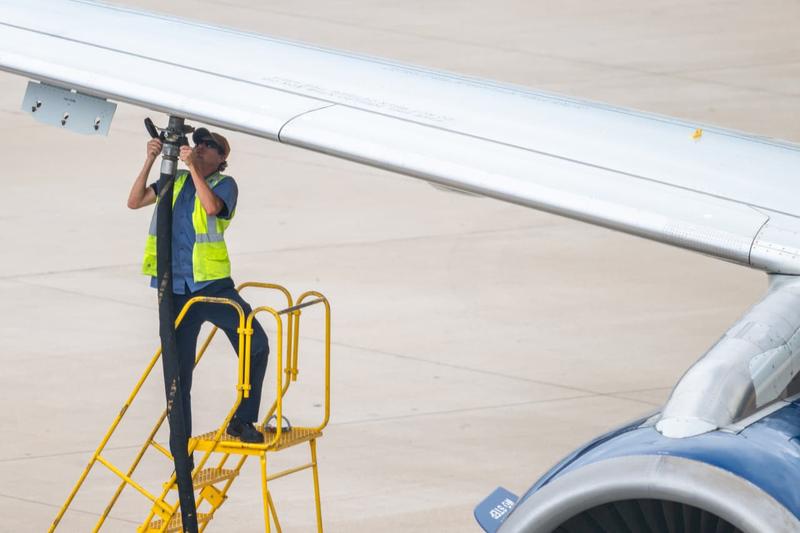
- Jet fuel prices are at their highest since the U.S.-Iran war began, driven by the Strait of Hormuz blockade.
- Iran initiated the blockade of the Strait of Hormuz on February 28, 2026, following US-Israeli attacks.
- Brent crude oil prices surpassed $100 per barrel in March 2026, peaking at $126 per barrel due to the disruption.
- Global airline fuel costs are projected to reach $350 billion in 2026, with jet fuel averaging $152 per barrel.
- The crisis highlights fragilities in refining capacity and the urgent need for alternative energy sources.
The global aviation sector faces an unprecedented challenge as jet fuel prices escalate dramatically. This surge is directly linked to the prolonged blockade of the Strait of Hormuz, a vital maritime passage for a significant portion of the world’s oil supply. The disruption, which began in late February 2026, has created a severe supply shock, pushing fuel costs to levels not seen since the initial stages of the U.S.-Iran conflict.
Airlines worldwide are grappling with the economic fallout. Increased operational costs are leading to trimmed flight schedules and higher airfares for consumers. The ripple effects extend beyond the aviation industry, contributing to broader economic anxieties and concerns about global stability.
The Strait of Hormuz Blockade and Its Immediate Impact
The Strait of Hormuz, a narrow waterway connecting the Persian Gulf to the open ocean, became largely blocked by Iran on February 28, 2026. This action followed a series of US-Israeli attacks on Iranian targets, escalating geopolitical tensions in the region. The blockade immediately disrupted the flow of crude oil and refined petroleum products, including jet fuel, to international markets.
The closure of this critical chokepoint had an almost instantaneous effect on global energy markets. Brent crude oil prices, a key benchmark, surged past $100 per barrel in March 2026. They subsequently peaked at $126 per barrel, reflecting the severe supply constraints and market uncertainty. This price volatility directly translated into higher costs for refiners and, ultimately, for consumers of petroleum products.
Airlines Face Unprecedented Fuel Bills
The aviation industry is particularly vulnerable to fluctuations in fuel prices, as fuel represents one of its largest operating expenses. The International Air Transport Association (IATA) reported a staggering 121% year-on-year increase in global jet fuel prices between April 2025 and their April 2026 peak. This dramatic rise has forced airlines to re-evaluate their operational strategies.
The global airline fuel bill is now forecast to reach an estimated $350 billion in 2026. Jet fuel is expected to average $152 per barrel for the year. These figures represent a significant financial burden for carriers, many of whom are still recovering from the economic impact of previous global crises. The increased costs are being passed on to passengers through higher ticket prices, affecting travel demand and consumer spending.
Economic Fallout and Consumer Impact
The disruption in the Strait of Hormuz has led to significant economic losses for consumers worldwide. Beyond increased airfares, the broader fuel crisis contributes to inflationary pressures across various sectors. Supply chains dependent on air freight face higher shipping costs, which can translate into more expensive goods for end-users.
Airlines have responded by trimming schedules and adjusting capacity to mitigate the financial strain. This reduction in available flights can lead to fewer travel options and potentially longer transit times for passengers. The long-term economic consequences of sustained high fuel prices could include reduced tourism, slower economic growth, and increased operational costs for businesses reliant on air transportation.
Structural Fragilities and the Push for Alternative Energies
The current crisis has exposed underlying structural fragilities within the global refining capacity. The ability to process crude oil into various products, including jet fuel, has not kept pace with demand or geopolitical risks. This bottleneck exacerbates the impact of supply disruptions, making markets more susceptible to price shocks.
The situation also underscores the urgent need for alternative energy sources and more resilient supply chains. Investments in sustainable aviation fuels (SAFs) and other decarbonization efforts are gaining renewed urgency. While these solutions offer long-term promise, the immediate challenge remains managing the current fuel crisis and its economic repercussions. The jet fuel market, valued at $216.59 billion in 2026, is projected to expand to $354.41 billion by 2031, indicating continued growth and the necessity for sustainable solutions.
Related: DoorDash to Pay $131.5 Million in NYC Worker Settlement
Airlines adjust. Consumers pay more. Global markets react. The Strait of Hormuz remains a flashpoint. The cost of flight continues to rise. The world watches.
Energy.
- What caused the recent surge in jet fuel prices?
The recent surge in jet fuel prices is primarily caused by the blockade of the Strait of Hormuz by Iran, which began on February 28, 2026, following US-Israeli attacks. This action significantly disrupted global oil supplies, leading to a sharp increase in crude oil and refined product prices.
- How high have oil prices gone due to the Hormuz blockade?
Due to the Hormuz blockade, Brent crude oil prices surpassed $100 per barrel in March 2026 and peaked at $126 per barrel. This reflects the severe impact of the supply disruption on global energy markets.
- What is the financial impact on airlines from these high fuel prices?
The financial impact on airlines is substantial, with the global airline fuel bill forecast to reach $350 billion in 2026. Jet fuel is expected to average $152 per barrel, leading to increased operational costs, trimmed flight schedules, and higher airfares for passengers.
- When did the Strait of Hormuz blockade begin?
The Strait of Hormuz blockade began on February 28, 2026, when Iran largely blocked the waterway. This action was a direct response to US-Israeli attacks on Iran.
Sources
Buying, selling or investing in property? JL Group works with owners and investors in Springfield, Missouri and beyond.