Tag: Oil Prices

  • Houthi Attack on Saudi Tankers, Oil Prices Jump After Red Sea Incident

    Houthi Attack on Saudi Tankers, Oil Prices Jump After Red Sea Incident

    On July 23, 2026, Houthi forces launched an attack on two Saudi oil tankers in the Red Sea, an event that immediately caused global oil prices to surge and intensified concerns regarding maritime security and the stability of global energy supplies.

    The incident marks a significant escalation in the ongoing conflict in Yemen and its spillover effects on regional and international commerce. The Red Sea, a vital conduit for crude oil and refined petroleum products, remains a flashpoint for such disruptions.

    The Attack Unfolds

    The assault occurred in the southern Red Sea, a strategic waterway connecting the Indian Ocean to the Mediterranean Sea via the Suez Canal. Specific details regarding the type of vessels, the extent of damage, or potential casualties were not immediately released.

    Initial reports from Bloomberg Television’s ‘Horizons Middle East & Africa’ feed confirmed the attack. This news quickly reverberated through international financial markets.

    The targeted tankers were reportedly en route through the Bab el-Mandeb strait, a narrow passage less than 20 miles wide. This chokepoint is critical for a substantial portion of the world’s seaborne oil trade.

    Houthi military spokespersons have not yet issued a formal statement claiming responsibility or detailing their operational objectives for this specific incident. However, previous Houthi actions have often targeted Saudi and Emirati interests in response to the ongoing Saudi-led intervention in Yemen.

    Global Oil Markets React

    Following news of the attack, crude oil futures experienced a sharp upward trajectory. Brent crude, the international benchmark, saw its price per barrel climb significantly within hours of the announcement.

    West Texas Intermediate (WTI), the U.S. benchmark, also registered a notable increase. This immediate market reaction reflects the sensitivity of global oil supplies to disruptions in the Red Sea.

    Analysts from major financial institutions began reassessing risk premiums for oil shipments through the region. The cost of marine insurance for vessels transiting the Red Sea is expected to rise, further impacting shipping expenses.

    Energy economists cited the attack as a stark reminder of the geopolitical risks embedded in the global oil supply chain. The incident highlights the vulnerability of critical maritime routes to regional conflicts.

    Impact on Supply Lines

    The Red Sea is one of the world’s busiest shipping lanes. An estimated 12% of global trade, including a substantial volume of oil and liquefied natural gas (LNG), passes through the Bab el-Mandeb strait annually.

    Any sustained threat to navigation in this area can force shippers to reroute vessels. The alternative route around the Cape of Good Hope adds weeks to transit times and significantly increases fuel costs.

    Such rerouting would not only impact oil deliveries but also a wide array of consumer goods. This would create ripple effects throughout global supply chains.

    The incident could prompt oil companies to explore alternative sourcing strategies or increase their reliance on strategic petroleum reserves. These measures are designed to mitigate immediate supply shocks.

    A History of Tensions in the Red Sea

    The Red Sea has been a focal point of geopolitical tensions for several years. The conflict in Yemen, which began in 2014, has frequently spilled over into maritime activities.

    Houthi forces have previously targeted Saudi and Emirati vessels, as well as commercial shipping, using missiles and remote-controlled explosive boats. These actions have consistently raised international alarms.

    In 2018, Saudi Arabia temporarily suspended oil shipments through the Bab el-Mandeb strait after similar Houthi attacks on two of its oil tankers. That suspension lasted for several weeks, demonstrating the economic impact of such security threats.

    Naval patrols by international forces, including those from the United States and its allies, operate in the region to safeguard maritime commerce. Despite these efforts, the vastness of the sea and the nature of asymmetric threats pose persistent challenges.

    Regional Actors and Interests

    Saudi Arabia, a major oil producer and exporter, relies heavily on the secure passage of its oil through the Red Sea to European and North American markets. Disruptions directly threaten its economic interests.

    Yemen’s Houthi movement, backed by Iran, views these attacks as part of its broader resistance against the Saudi-led coalition. The Houthis seek to exert pressure on the coalition to end its military campaign in Yemen.

    Iran, while denying direct involvement in Houthi attacks, benefits from any instability that raises oil prices. Such instability also challenges the strategic interests of its regional rivals.

    Egypt, which controls the Suez Canal, also has a significant stake in Red Sea security. Any prolonged disruption to shipping could reduce canal revenues, a crucial source of foreign currency for the nation.

    International Response and Diplomatic Efforts

    The international community typically condemns such acts of aggression against commercial shipping. Calls for de-escalation and adherence to international maritime law are common following such incidents.

    The United Nations has repeatedly urged all parties in the Yemen conflict to respect international humanitarian law and cease attacks on civilian infrastructure and commercial shipping.

    Diplomatic efforts to resolve the Yemen conflict have been ongoing but have yielded limited success. The latest attack underscores the urgent need for a political solution to the protracted war.

    The United States, a key ally of Saudi Arabia, has a vested interest in maintaining freedom of navigation in the Red Sea. Its naval presence in the region is a deterrent to further aggression.

    Economic Repercussions Beyond Oil

    Beyond the immediate impact on oil prices, the incident has broader economic implications. Increased shipping costs and insurance premiums affect all goods transiting the Red Sea.

    Global inflation could see additional upward pressure if energy prices remain elevated. This would affect consumer purchasing power in economies worldwide.

    Businesses reliant on just-in-time supply chains may face delays and increased operational costs. This can lead to higher prices for a range of imported goods.

    Investor confidence in regional stability may also be eroded. This could deter foreign direct investment in countries bordering the Red Sea.

    The Future of Red Sea Security

    The Red Sea remains a critical artery for global trade and energy supply. Ensuring its security is a priority for maritime nations and international organizations.

    Technological advancements in maritime surveillance and defense systems are continuously being deployed. These aim to counter evolving threats from non-state actors.

    Enhanced international cooperation and intelligence sharing are essential. These measures help to identify and neutralize threats before they materialize.

    Ultimately, a lasting resolution to the conflict in Yemen is paramount. This would remove the underlying causes of many of the maritime security challenges in the Red Sea.

    Governments convened. Shipping companies convened. Energy traders convened. Prices rose.

  • Brent Oil Surges Past $90 Amid Escalating US-Iran Hostilities

    Brent Oil Surges Past $90 Amid Escalating US-Iran Hostilities

    Oil Prices Climb Amid Middle East Tensions

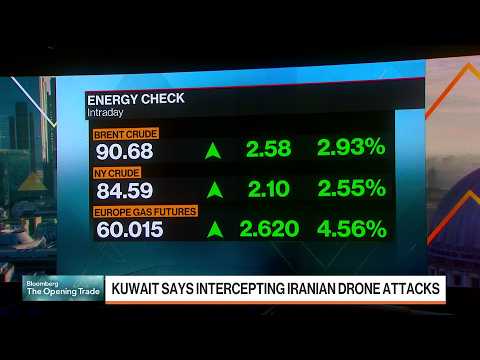
    Brent crude oil prices have surged past the $90 per barrel mark as of July 21, 2026, a direct consequence of the escalating military actions and retaliatory attacks between the United States and Iran. This significant price hike reflects heightened geopolitical risks in the Middle East, a region critical to global energy supplies, and signals potential disruptions to the international oil market.

    The market reaction underscores deep concerns about the stability of oil production and transit routes in the Persian Gulf. Investors and analysts are closely monitoring the situation, anticipating broader economic ramifications globally.

    The Escalation of US-Iran Confrontation

    The current spike in oil prices is firmly rooted in a series of intensifying confrontations between the United States and Iran. These actions have moved beyond diplomatic friction, involving direct military engagements and reciprocal strikes that have destabilized the region.

    Initial reports of skirmishes in the Strait of Hormuz in late 2025 were followed by more significant incidents. Naval patrols increased, leading to several close encounters. By early 2026, these had escalated into direct exchanges of fire.

    The United States has cited the protection of international shipping lanes and its regional allies as justification for its increased military presence. Iran, conversely, views the American presence as an infringement on its sovereignty and a threat to its national security interests.

    Key Incidents Fueling the Rise

    Several specific events have contributed to the current climate of apprehension. In May 2026, an Iranian Revolutionary Guard Corps (IRGC) vessel was reportedly struck in the Persian Gulf, an incident attributed by Tehran to American forces. Washington maintained it was an act of self-defense following aggressive maneuvers.

    A retaliatory drone strike, claimed by Iran, targeted a US-allied oil tanker navigating near the coast of Oman in June 2026. While no casualties were reported, the incident highlighted the vulnerability of commercial shipping.

    More recently, in early July 2026, a US military installation in a neighboring country came under missile attack. While the specific perpetrators were not immediately identified, US intelligence pointed towards Iranian-backed militias, further hardening Washington’s stance.

    Economic Repercussions and Market Volatility

    The immediate impact of these escalations is evident in the global oil markets. Brent crude, a key international benchmark, traded below $89, reaching around $88.43 to $88.87 on July 21, 2026.

    This sustained high price contrasts sharply with previous periods of relative stability. Analysts at major financial institutions, including Goldman Sachs and JPMorgan Chase, have revised their oil price forecasts upwards for the remainder of 2026.

    The cost of crude oil directly influences gasoline prices, transportation costs, and manufacturing expenses. Consumers are likely to face higher costs at the pump and for various goods and services, contributing to inflationary pressures already present in the global economy.

    The Role of Supply and Demand Dynamics

    Beyond geopolitical risk, underlying supply and demand dynamics also play a role. Global oil demand has shown resilience, particularly from emerging economies. Production levels, while recovering from past disruptions, have not kept pace with this demand growth, creating a tighter market.

    OPEC+ nations, a coalition of major oil producers, have maintained a cautious approach to increasing output. Their decisions are influenced by a desire to stabilize prices, but also by internal production capacities and geopolitical considerations.

    The threat of supply disruptions from the Middle East, a region that collectively accounts for a significant portion of global oil exports, amplifies the impact of any geopolitical friction. The Strait of Hormuz, a narrow chokepoint through which a substantial percentage of the world’s seaborne oil passes, remains a critical flashpoint.

    Global Economic Stability at Risk

    The trajectory of oil prices has direct implications for global economic stability. Sustained high energy costs can stifle economic growth by increasing operational expenses for businesses and reducing consumer purchasing power.

    Central banks worldwide, including the Federal Reserve and the European Central Bank, are monitoring the situation closely. Higher oil prices could complicate their efforts to manage inflation and maintain economic equilibrium, potentially leading to difficult policy decisions.

    Developing nations, often more reliant on imported oil, face particularly acute challenges. The increased cost of energy can exacerbate balance of payments issues and hinder development efforts, potentially sparking social unrest.

    International Response and Diplomatic Efforts

    International bodies and individual nations are attempting to de-escalate the situation. The United Nations Security Council convened an emergency session in mid-July 2026 to discuss the rising tensions, though no concrete resolutions emerged immediately.

    European Union leaders have called for restraint from both Washington and Tehran, emphasizing the need for diplomatic solutions. China and Russia, while maintaining their own complex relationships with both parties, have also urged dialogue to prevent further escalation.

    However, direct diplomatic channels between the United States and Iran remain largely strained. Decades of mistrust and differing strategic objectives complicate any immediate breakthroughs, making the current situation particularly intractable.

    The Geopolitical Landscape of the Middle East

    The current US-Iran standoff is set against a complex backdrop of regional rivalries and alliances. The broader Middle East remains a mosaic of competing interests, proxy conflicts, and fragile peace agreements.

    Saudi Arabia, a major oil producer and regional rival of Iran, is closely watching the developments. Any significant disruption to oil supplies could have ripple effects across the entire Gulf Cooperation Council (GCC) bloc.

    Israel, another key US ally, views Iran’s nuclear program and regional influence as a direct threat. Its security concerns often intersect with American policy in the region, adding another layer of complexity to the geopolitical equation.

    Impact on US Domestic Policy

    Domestically, in the United States, the rising oil prices are becoming a significant political issue. President Trump’s administration faces pressure to address the economic fallout, particularly ahead of the upcoming midterm elections in November 2026.

    The administration has reiterated its commitment to protecting American interests and ensuring global energy security. However, options for immediate intervention in the oil market are limited, beyond strategic petroleum reserve releases, which offer only temporary relief.

    Discussions are underway in Congress regarding potential legislative responses, including measures to encourage domestic oil production or provide relief to consumers. However, these are long-term solutions and offer little solace in the immediate crisis.

    Looking Ahead: Potential Scenarios

    The future trajectory of Brent oil prices and US-Iran relations is uncertain, with several potential scenarios emerging. A rapid de-escalation through diplomatic breakthroughs could see prices stabilize or even decline.

    Conversely, a further intensification of military actions, particularly those directly impacting oil infrastructure or major shipping routes, could push prices significantly higher, potentially towards $100 or even $120 per barrel. Such a scenario would trigger a global economic recession.

    A prolonged stalemate, characterized by continued low-level hostilities and high tensions, would likely keep oil prices elevated, maintaining economic uncertainty and inflationary pressures for an extended period.

    The global energy market remains on edge. Political leaders deliberate. Economists forecast. Consumers brace. The world watches.

    Oil.


  • US and Iran Escalate Attacks: Fears of Full War Return in 2026

    US and Iran Escalate Attacks: Fears of Full War Return in 2026

    Tensions between the United States and Iran have escalated significantly in July 2026, leading to widespread fears of a return to a full-scale war. Recent reports indicate an increase in military engagements and hostile rhetoric, marking a dangerous shift in the long-standing geopolitical rivalry. This current escalation is rooted in decades of complex relations, marked by sanctions, proxy conflicts, and strategic competition for influence in the Middle East.

    But the story doesn’t begin there. The current climate of apprehension is a culmination of historical grievances and recent provocations that have pushed both nations closer to direct confrontation.

    Historical Context of US-Iran Relations

    The relationship between the United States and Iran has been fraught with tension for decades. The 1979 Iranian Revolution marked a pivotal turning point, transforming a key US ally into an adversary. The subsequent hostage crisis at the US Embassy in Tehran solidified this animosity.

    Throughout the 1980s and 1990s, relations remained strained. Iran’s pursuit of nuclear technology became a central point of contention in the early 21st century. The international community, led by the United States, imposed stringent sanctions aimed at curbing Iran’s nuclear program.

    The Joint Comprehensive Plan of Action (JCPOA), signed in 2015, offered a temporary reprieve. This agreement, involving Iran, the P5+1 nations (China, France, Germany, Russia, the United Kingdom, and the United States), and the European Union, aimed to limit Iran’s nuclear activities in exchange for sanctions relief.

    However, the United States withdrew from the JCPOA in May 2018 under the Trump administration. This withdrawal reimposed and expanded sanctions, leading to a renewed period of heightened tension and economic pressure on Iran. Iran responded by gradually reducing its compliance with the nuclear deal’s terms.

    Recent Escalation of Attacks in 2026

    The current escalation in July 2026 follows a series of incidents that began earlier in the year. Specific details of the recent attacks remain sensitive, but reports from Bloomberg Television and other international news outlets confirm an uptick in military actions.

    These actions include:

    • Reported drone strikes targeting infrastructure in the region.
    • Naval confrontations in the Persian Gulf and the Strait of Hormuz.
    • Cyberattacks attributed to both sides, disrupting critical systems.
    • Increased military deployments by both the United States and Iran in strategic areas.

    The nature of these attacks suggests a move beyond proxy warfare towards more direct engagements. This shift raises alarms among international observers and allied nations.

    The Strait of Hormuz: A Critical Flashpoint

    The Strait of Hormuz, a narrow waterway connecting the Persian Gulf to the open ocean, remains a critical flashpoint. Approximately 20% of the world’s petroleum and other liquids consumption passes through this strait daily.

    Any disruption to shipping in the Strait of Hormuz has immediate and significant global economic consequences. Both the United States and Iran have historically demonstrated their capacity to project power in this vital maritime corridor. Recent naval maneuvers and reported incidents near the Strait underscore its strategic importance in the ongoing tensions.

    Geopolitical Implications and International Response

    The escalating conflict carries significant geopolitical implications for the entire Middle East and beyond. Regional allies of the United States, such as Saudi Arabia and the United Arab Emirates, are closely monitoring the situation. These nations have their own complex relationships with Iran and stand to be directly impacted by a full-scale war.

    International bodies, including the United Nations, have issued strong calls for de-escalation. UN Secretary-General António Guterres urged both parties to exercise maximum restraint and engage in diplomatic dialogue. European Union leaders have also expressed deep concern, advocating for a return to negotiations and the revival of the JCPOA.

    The Role of Allied Nations

    Key US allies in Europe and Asia are navigating a delicate balance. While expressing solidarity with the United States, many also advocate for diplomatic solutions to avoid a protracted and costly conflict. The economic fallout from a war in the Middle East, particularly its impact on global energy markets, is a major concern for these nations.

    Conversely, some regional actors may view the escalation as an opportunity to further their own agendas. The involvement of non-state actors and proxy groups adds another layer of complexity to the conflict dynamics.

    Economic Impact of Renewed Hostilities

    A full-scale war between the United States and Iran would have severe global economic repercussions. The immediate impact would be felt in oil markets, with crude oil prices likely to surge. This would lead to higher energy costs for consumers and businesses worldwide, potentially triggering a global economic downturn.

    Beyond energy, supply chains already strained by other global events would face further disruption. International trade routes, particularly those reliant on the Suez Canal and the Strait of Hormuz, would be at risk. Investment confidence would decline, leading to market volatility and uncertainty.

    Humanitarian Concerns

    The human cost of conflict is always paramount. A war in the region would inevitably lead to a humanitarian crisis, displacing populations and increasing the need for international aid. Civilian casualties, infrastructure damage, and long-term instability are direct consequences.

    Organizations like the International Committee of the Red Cross (ICRC) and Doctors Without Borders are already preparing for potential worst-case scenarios. The focus remains on protecting civilian lives and ensuring access to essential services.

    Diplomatic Pathways and Future Prospects

    Despite the current escalation, diplomatic pathways remain a crucial, albeit challenging, avenue for de-escalation. Efforts to revive the JCPOA or initiate new talks are ongoing, though progress has been slow.

    Mediators from various countries and international organizations continue to engage with both Washington D.C. and Tehran. These efforts aim to establish channels for communication and identify common ground for reducing tensions.

    Statements from Key Leaders

    President Trump has consistently maintained a firm stance on Iran, emphasizing national security interests and the need to counter Iranian influence. His administration has reiterated its commitment to protecting US personnel and assets in the region.

    Iranian leadership, including Supreme Leader Ali Khamenei and President Masoud Pezeshkian, has denounced US actions as provocative and asserted Iran’s right to defend its sovereignty. They have called for the removal of sanctions as a precondition for meaningful dialogue.

    The path forward is uncertain. Diplomacy requires trust and a willingness to compromise, both of which are in short supply. The international community watches, hopes, and prepares.

    The Stakes for Global Security

    The current situation carries immense stakes for global security. A war between the United States and Iran would not only destabilize the Middle East but also have ripple effects across the globe. It could draw in other regional powers, leading to a wider conflict with unpredictable outcomes.

    Nuclear proliferation concerns would also intensify, as both sides might feel compelled to enhance their strategic capabilities. The global non-proliferation regime could be severely tested.

    The world waits. Leaders deliberate. Diplomats engage.

    Fear.

  • Stocks Rally on US-Iran Deal Hopes as SpaceX Prepares Orbital Debut

    Stocks Rally on US-Iran Deal Hopes as SpaceX Prepares Orbital Debut

    On June 12, 2026, global equities surged as backchannel negotiations for a new United States-Iran diplomatic framework gained sudden traction on Wall Street. The prospect of easing tensions in the Middle East, heavily influenced by a proposed transactional framework originating from Donald Trump’s political orbit, triggered an immediate repricing of geopolitical risk. Brent crude prices dropped sharply, sending the S&P 500 significantly higher. Simultaneously, the technology sector found secondary momentum as SpaceX initiated final fueling procedures for a highly anticipated orbital debut at Starbase in Boca Chica, Texas. What began as a standard trading session transformed into a collision of geopolitical realignment and commercial space milestones.

    Markets require certainty. When certainty is unavailable, they settle for the illusion of stability. The Bloomberg Television briefing on the morning of June 12 provided exactly that. Traders moved capital aggressively away from defensive commodities and into growth equities.

    The twin narratives of the day, diplomatic maneuvering in Vienna and aerospace engineering in Texas, dominated the algorithms. Both events signaled a potential reduction in global friction. Both events promised a return to forward-looking capital allocation.

    The Washington-Tehran Backchannel

    The relationship between Washington and Tehran has operated on a knife’s edge since the United States withdrew from the Joint Comprehensive Plan of Action (JCPOA) in May 2018. Subsequent years saw a steady escalation of uranium enrichment by the Islamic Republic. By early 2026, the International Atomic Energy Agency (IAEA) reported that Iranian stockpiles of uranium enriched to 60 percent purity had reached unprecedented levels. The threat of regional conflict loomed over energy markets.

    The June 12 rally was catalyzed by leaks detailing a novel diplomatic approach. This framework did not resemble the Obama-era JCPOA. Instead, it carried the hallmarks of a transactional, bilateral agreement closely associated with foreign policy advisors in Donald Trump’s immediate circle. The proposed architecture focused on immediate, verifiable freezes on nuclear escalation in exchange for highly specific, heavily monitored unfreezing of Iranian assets held in international accounts.

    The Trump connection provided a unique market signal. Investors perceived this backchannel not as a traditional, slow-moving treaty process, but as a pragmatic, business-oriented negotiation. The market calculated that a transactional framework had a higher probability of bypassing congressional gridlock in Washington.

    • The Enrichment Cap: Iran would reportedly freeze enrichment at 60 percent, dismantling advanced centrifuges at the Fordow facility.
    • The Sanctions Relief: The US would authorize the release of approximately $12 billion in frozen assets, strictly earmarked for humanitarian and food imports.
    • The Enforcement Mechanism: Immediate snapback sanctions triggered by IAEA director Rafael Grossi’s inspection reports.

    Diplomats in Vienna refused to confirm the specifics. The market did not wait for confirmation. High-frequency trading firms digested the Bloomberg Brief and initiated massive block trades within milliseconds.

    Wall Street Prices in Geopolitical Relief

    The immediate casualty of the peace rumor was the energy sector. Brent crude, the international benchmark, tumbled 3.4 percent, breaking below the psychological floor of $80 a barrel. West Texas Intermediate (WTI) followed suit, settling near $75. Traders rapidly unwound the risk premium associated with a potential blockade of the Strait of Hormuz, a critical maritime chokepoint that handles roughly 20 percent of global oil consumption.

    Lower oil prices act as a direct tax cut for the global economy. As crude fell, inflation expectations cooled. The yield on the 10-year US Treasury note dipped by five basis points. This shift in the bond market provided the exact macroeconomic conditions required for an equity rally.

    “The market is pricing in a geopolitical de-escalation dividend. If the Strait of Hormuz remains open and oil stays below $85, the Federal Reserve has a clear runway to maintain their current rate trajectory without importing inflation from the energy sector.”

    The S&P 500 Index closed up 1.6 percent, pushing past the 5,400 level. The tech-heavy Nasdaq Composite outperformed, rising 2.1 percent. Aviation stocks, heavily dependent on jet fuel costs, saw their best single-day performance in eight months. Delta Air Lines and United Airlines both posted gains exceeding 4 percent.

    Conversely, the defense sector faced headwinds. Lockheed Martin and Northrop Grumman traded lower as the prospect of a stabilized Middle East reduced the immediate forecast for foreign military sales. The capital rotation was swift, ruthless, and entirely logical.

    The Boca Chica Countdown

    While diplomats and traders focused on the Persian Gulf, the aerospace industry directed its attention to the southern tip of Texas. SpaceX, the cornerstone of the American commercial space architecture, prepared for a landmark debut. The launch pad at Starbase in Boca Chica was active.

    Elon Musk’s aerospace company had spent the previous two years refining the Starship architecture. The June 12 mission was not a routine Starlink deployment. It was billed as the debut of a next-generation payload deployment system, capable of placing heavy-class commercial and national security assets into low Earth orbit at a fraction of legacy costs.

    SpaceX had secured the final launch license from the Federal Aviation Administration (FAA) just 48 hours prior. The regulatory clearance removed the final barrier to flight. Engineers loaded sub-cooled liquid methane and liquid oxygen into the massive booster.

    The timing of the launch coincided perfectly with the broader market rally. Although SpaceX remains a privately held company, its valuation, estimated at over $200 billion in secondary markets, casts a massive shadow over the publicly traded technology and defense sectors. A successful Starship deployment fundamentally alters the economics of space access.

    The Commercial Space Sector Reacts

    The ripple effects of the SpaceX debut were visible across the Nasdaq. Publicly traded space companies, satellite operators, and advanced materials manufacturers caught the tailwind of the launch countdown. AST SpaceMobile, Rocket Lab, and Planet Labs all saw elevated trading volumes.

    The logic is structural. If SpaceX successfully demonstrates a reliable, fully reusable heavy-lift capability, the cost per kilogram to orbit plummets. This cost reduction unlocks new business models in orbital manufacturing, global broadband deployment, and space-based solar power. The market bought the rumor of peace in the Middle East, and it bought the reality of technological dominance in Texas.

    National security implications were also heavily weighed. The Pentagon closely monitors Starship’s development. A vehicle capable of delivering 150 metric tons to orbit offers the Department of Defense unprecedented rapid logistics capabilities. The irony was not lost on institutional investors: as geopolitical risk in Iran seemingly decreased, the United States was simultaneously demonstrating a generational leap in dual-use aerospace technology.

    A Convergence of Risk and Reward

    June 12, 2026, served as a masterclass in market mechanics. Capital is inherently agnostic. It does not possess a moral compass. It simply seeks the path of least resistance and highest return. On this particular Wednesday, the path of least resistance was paved by the prospect of diplomacy and the promise of engineering.

    The Trump-linked backchannel framework remains fragile. Middle Eastern diplomacy is notoriously vulnerable to sudden reversals. A single statement from Tehran or Washington could shatter the transactional framework, sending crude oil spiking back toward $90 a barrel. The market knows this. The rally was a calculation of probabilities, not a declaration of certainty.

    Similarly, aerospace engineering is an unforgiving discipline. The SpaceX debut carries inherent risks. A failure on the launch pad at Boca Chica would instantly reset the timeline for the commercial space industry, delaying satellite deployments and military contracts by months, if not years.

    Yet, for one trading session, the dual narratives aligned perfectly. The geopolitical risk premium evaporated just as the technological optimism peaked. The macroeconomic environment, anchored by stabilizing interest rates and falling inflation, provided the necessary foundation for the surge. Traders bought the dip in risk and sold the peak in fear.

    The closing bell rang in New York. The algorithms tallied the day’s movement. Billions of dollars in market capitalization had been created on the back of a leaked diplomatic framework and a fueled rocket. The physical world and the digital markets had synchronized.

    Diplomats drafted memos. Engineers monitored telemetry. Traders booked profits. Tomorrow.