The U.S. Bureau of Labor Statistics Report
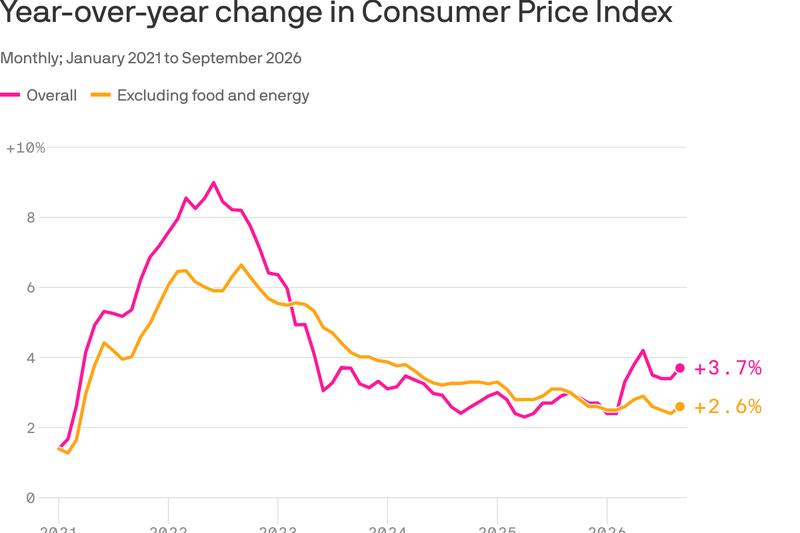
The U.S. Bureau of Labor Statistics released consumer price index data showing that annual inflation accelerated to 3.7% in September 2026. According to the U.S. Bureau of Labor Statistics, the uptick broke months of relative stabilization and immediately reverberated across financial markets. Analysts across Wall Street adjusted their forecasts as the data confirmed persistent cost-of-living pressures facing American households.
Gasoline prices emerged as the primary catalyst for the monthly jump. Prices at the pump surged 9.1% in September alone. That single commodity accounted for more than half of the overall monthly increase in the consumer price index.
Energy Disruptions and Core Figures
The sudden acceleration in inflation was largely tied to ongoing energy market disruptions and oil supply shocks. Observers point to the compounding effects of the ongoing conflict involving Iran and global shipping bottlenecks. As crude oil futures climbed throughout late summer, the downstream impact hit refineries and retail stations nationwide.
Meanwhile, core inflation told a slightly more contained story. Core prices, which strip out the volatile food and energy sectors, climbed to 2.6% annually in September. Economists watch the core index closely to gauge underlying price trends separate from commodity shocks. Yet the relief in core figures offered little comfort to drivers facing spiking fuel costs.
Political Fallout Ahead of Midterms
The timing of the inflation report guarantees intense political debate. The consumer price data dropped just weeks ahead of the November 2026 U.S. midterm elections. Affordability and the cost of living instantly returned as central campaign themes for both parties.
Incumbents faced immediate pressure from opponents highlighting the renewed climb in household expenses. Policy debates turned toward domestic energy production, federal spending, and regulatory responses to global oil shocks. Independent policy groups, such as the Brookings Institution, noted that voter sentiment on the economy remains heavily anchored to daily retail prices like gasoline and groceries.
Markets and the Federal Reserve Response
Financial institutions reacted swiftly to the September inflation data. Bond yields shifted as traders recalibrated expectations for upcoming Federal Reserve interest rate decisions. Central bankers face a delicate balancing act between cooling persistent price pressures and supporting broader economic growth.
Energy traders continue to monitor geopolitical developments in the Middle East. Supply chains remain vulnerable to sudden disruptions. Consumers absorb the fluctuations at checkout counters and fuel pumps.
Markets reacted. Voters watched. Candidates spoke.
Related: Saudi National Arrested After Hiding Recording Device in OpenAI Office
Inflation.
Sources
Frequently asked questions
What was the U.S. inflation rate in September 2026?
The annual U.S. inflation rate rose to 3.7% in September 2026, according to data released by the Bureau of Labor Statistics.
What caused the spike in September 2026 inflation?
The acceleration was largely driven by a 9.1% single-month surge in gasoline prices, which resulted from ongoing energy market disruptions and oil supply shocks linked to the war with Iran.
How did core inflation perform in September 2026?
Core inflation, which excludes volatile food and energy components, climbed to 2.6% annually in September 2026.
How will the September 2026 inflation report impact politics?
Because the consumer price data was released just weeks before the November 2026 U.S. midterm elections, it elevated economic affordability as a central political battleground.
Sponsored · Put your business in front of ByteSize Network's readers, with every click measured. See advertising packages · Advertise on ByteSize Network