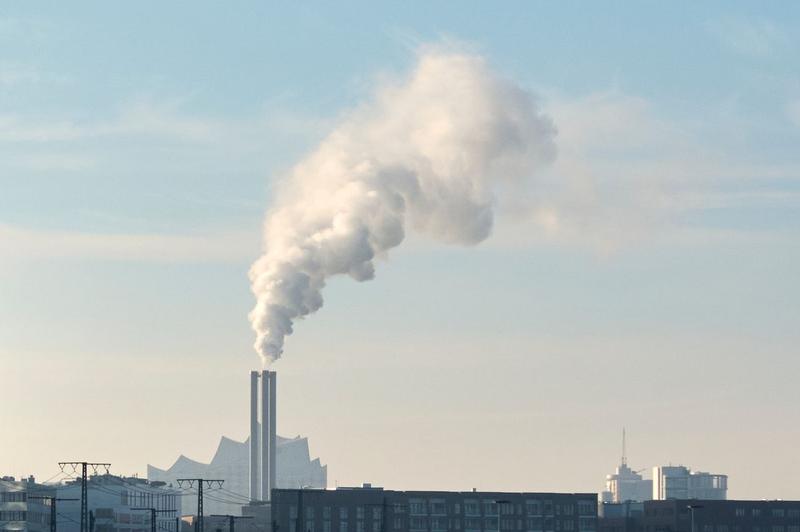
Industrial Upcycling Meets Heavy Metal
Industrial manufacturing has long treated blast furnace emissions as an expensive burden. Helix Carbon seeks to rewrite that operational reality by upcycling industrial waste directly into usable material. By tackling the carbon-heavy output of traditional mills, the firm targets the core economics of steel and iron production.
Traditional mills spend millions managing exhaust gases and meeting environmental compliance standards. Helix Carbon leverages chemical conversion techniques detailed on TechCrunch to turn liabilities into feedstocks. The approach challenges standard assumptions about the unavoidable cost of green transitions in heavy industry.
The Economics of Blast Furnace Emissions
Making iron requires massive amounts of metallurgical coal to strip oxygen from iron ore. This chemical reduction inevitably produces millions of tons of carbon dioxide and carbon monoxide. Helix Carbon intercepts these gas streams before they escape into the atmosphere.
By rerouting waste gases back into the reduction cycle, the company reduces the need for virgin carbon inputs. Industrial analysts note that reducing raw material dependency directly impacts profit margins. Independent financial analysis published by Reuters suggests that scaling such technologies could shave double-digit percentages off primary metal production costs over the next decade.
How the Upcycling Process Operates
- Capturing high-temperature exhaust directly from active blast furnaces.
- Catalytic conversion of carbon-rich gases into usable reducing agents.
- Injecting the recycled compounds back into the smelting vessel.
This closed-loop mindset eliminates the energy penalty typically associated with carbon capture. Instead of storing gas underground, the system immediately reinvests the carbon into the metallurgical process.
Scaling Up at TechCrunch Disrupt
The company chose the stage at TechCrunch Disrupt in October 2026 to reveal pilot plant metrics. Industry leaders and venture capitalists crowded the exhibition floor to examine the engineering data. Transforming waste into profit attracts capital in ways standard compliance measures never could.
Related: Cerebras CEO Predicts Personal AI Assistants in Every Home
Investors recognize that regulatory pressures on heavy industry will only intensify. Technologies that improve the bottom line while simultaneously lowering emissions occupy the rarest tier of industrial innovation. Mills across the Rust Belt and European manufacturing hubs are already inquiring about pilot installations.
Frequently asked questions
What does Helix Carbon do?
Helix Carbon captures and upcycles blast furnace pollution, converting industrial exhaust gases back into usable reducing agents for iron and steel manufacturing.
How does this technology make iron cheaper?
By reusing carbon-rich waste gases directly inside the smelting process, the technology reduces the need for expensive virgin metallurgical coal and raw inputs.
Where was Helix Carbon's process unveiled?
The company showcased its breakthrough technology and pilot metrics at TechCrunch Disrupt in October 2026.
Sponsored · Want AI without handing over client files? Oriam AI installs private, on-premise AI for CPA firms, law firms, and insurance and title agencies. oriamai.online · Advertise on ByteSize Network