France‘s Spreading Student Unrest
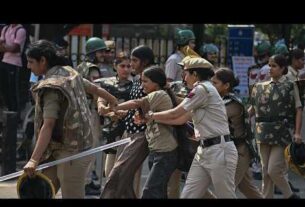
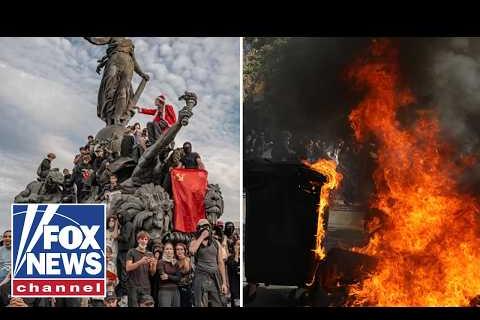
Student protests have intensified across France since mid-September 2026. The demonstrations originated in a high school within the Paris region. They have since expanded, encompassing educational institutions nationwide and drawing broader societal attention. These actions highlight growing discontent with government policies and their impact on daily life.
The protests are not isolated incidents. They are part of a larger pattern of public expression against perceived governmental shortcomings. The French government, led by President Emmanuel Macron, faces increasing pressure to address the underlying causes of this widespread unrest. The situation reflects a complex interplay of educational concerns, economic anxieties, and calls for greater social equity.
The Role of Education Minister Édouard Geffray
Édouard Geffray serves as the current Minister of National Education of France. His ministry is at the forefront of addressing the student grievances. The specific demands of the protesting students often relate to educational reforms, funding, and access to resources. The government’s response to these demands will be critical in determining the future trajectory of the protests.
Minister Geffray has engaged in discussions with student representatives and union leaders. These dialogues aim to find common ground and de-escalate tensions. However, the scale of the protests suggests that a swift resolution may be challenging. The students’ resolve remains strong, indicating a deep-seated dissatisfaction with current conditions.
National Day of Action and Broader Economic Concerns
A national day of action in support of the students is scheduled for Tuesday, October 13. This event, called by various unions, is expected to draw significant participation. It signals a broadening of the protest movement beyond student circles, incorporating wider labor and social concerns. The collective action aims to amplify the students’ voices and exert greater pressure on the government.
Beyond the student-specific issues, France is also grappling with a significant cost of living crisis. Rising fuel prices have particularly impacted households and businesses. Another major demonstration addressing these economic concerns is planned for October 17, 2026. This confluence of protests underscores a period of considerable social and political turbulence for the nation. President Emmanuel Macron’s administration must navigate these dual challenges.
Government Response and Future Outlook
The government’s strategy involves a combination of dialogue and, where necessary, maintaining public order. Prime Minister Sébastien Lecornu has reiterated the government’s commitment to addressing the concerns of its citizens. However, the ongoing nature of the protests suggests that current measures have not fully appeased the demonstrators. The situation remains fluid, with potential for further escalation or de-escalation depending on governmental actions and public sentiment.
Related: Arrest Made in Threats Against Polish Prime Minister Donald Tusk
The unrest in France is being closely watched internationally. It reflects broader global trends of public dissatisfaction with economic conditions and governmental policies. The outcome of these protests could have lasting implications for French politics and society. The ability of the Macron government to restore stability and address the root causes of discontent will be a defining factor in the coming weeks and months. Prime Minister Sébastien Lecornu faces a critical test of leadership.
The Cultural Defense Angle
The protests can be framed through the lens of cultural defense. Concerns about societal stability and traditional values often emerge during periods of significant social upheaval. The student movement, while focused on specific grievances, also touches upon broader questions of national identity and the direction of French society. This perspective suggests that the unrest is not merely about policy but also about the soul of the nation.
The defense of certain cultural norms or societal structures can become a rallying cry during such times. Whether explicitly stated or implicitly understood, the protests reflect a desire among some segments of the population to protect what they perceive as essential elements of French culture and social order. This adds another layer of complexity to the ongoing demonstrations.
A Nation in Flux
Students gathered. Unions mobilized. Citizens voiced concerns. France.
Sources
Sponsored · Put your business in front of ByteSize Network's readers, with every click measured. See advertising packages · Advertise on ByteSize Network