New Delhi Gripped by Protests and Crackdown
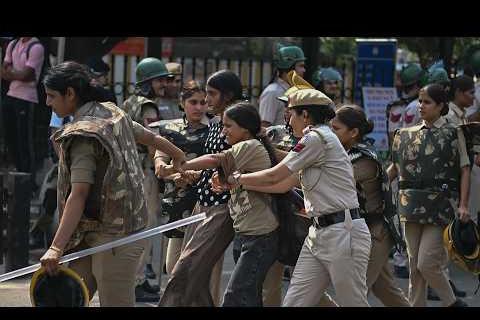
New Delhi is currently experiencing widespread protests, leading to a significant security crackdown by Indian authorities. The demonstrations, spearheaded by the youth-led “Cockroach” movement and supported by various student groups and opposition parties, call for the resignation of Chief Election Commissioner Gyanesh Kumar. This unrest has resulted in mass detentions and severe restrictions on public services across the capital.
What looks like a modern confrontation actually reflects a long history of public dissent in India. The current wave of protests, however, is notable for its youth-led momentum and the swift, extensive government response.
The “Cockroach” Movement Demands Resignation
The “Cockroach” movement, a youth-led initiative, stands at the forefront of the demonstrations. Its primary demand is the resignation of Gyanesh Kumar, India’s Chief Election Commissioner. This demand has garnered support from various student organizations and opposition political parties, amplifying the movement’s reach and impact.
Leaders of the Cockroach Janta Party, Abhijeet Dipke, Saurav Das, and Ashutosh Ranka, were detained on Saturday, October 10, 2026. They were subsequently released on Sunday, October 11, 2026, highlighting the fluid nature of the situation and the authorities’ response to key figures within the movement.
Extensive Security Measures Implemented
A comprehensive security crackdown by Indian authorities commenced on Saturday, October 10, 2026. This operation involved the detention of thousands of protesters, including several opposition lawmakers. The scale of these detentions underscores the government’s resolve to manage the escalating unrest.
Beyond arrests, the crackdown included significant disruptions to public life. Train services were canceled, metro stations were closed, and mobile internet services were suspended in specific areas of New Delhi. These measures aimed to curb communication and movement among protesters, effectively limiting their ability to organize and gather. Bloomberg Television reported on the unfolding situation, detailing the extent of the government’s actions.
Prime Minister Modi’s Government Responds
Prime Minister Narendra Modi, leading the Bharatiya Janata Party, faces this wave of dissent. His administration has maintained a firm stance on law and order, deploying significant resources to manage the protests. The actions taken reflect a broader strategy to maintain stability in the capital.
The protests continue as of Sunday, October 11, 2026. The ongoing nature of the demonstrations, coupled with the government’s robust response, indicates a sustained period of tension in New Delhi. The situation remains dynamic, with both protesters and authorities adapting their strategies.
Supreme Court Intervenes on Public Services
In a significant development, the Supreme Court of India has intervened in the crisis. The court ruled that the government must restore internet services and reopen metro stations in the capital. This judicial directive aims to alleviate some of the restrictions imposed on the public and ensure essential services are accessible. NDTV provided coverage of the Supreme Court’s ruling, emphasizing its immediate impact on the daily lives of New Delhi residents.
The Supreme Court’s decision highlights the checks and balances within India’s democratic framework. It also provides a measure of relief for citizens affected by the communication and transportation shutdowns.
Future of the Protests and Political Landscape
The youth-led “Cockroach” movement continues to mobilize, despite the security crackdown. Their sustained efforts indicate a deep-seated dissatisfaction with the current political climate and specific government appointments. The outcome of these protests could have lasting implications for India’s political landscape.
Related: Senator Roger Marshall Settles Six-Year Bakery Debt After Public Accusation
The government’s handling of the situation, particularly in light of the Supreme Court’s intervention, will be closely watched. The balance between maintaining public order and upholding civil liberties remains a critical challenge for the administration.
Protesters gathered. Authorities responded. The Supreme Court ruled. New Delhi.
Sources
Frequently asked questions
What are the New Delhi protests about?
The New Delhi protests, led by the youth-led "Cockroach" movement, are demanding the resignation of Gyanesh Kumar, who currently serves as the Chief Election Commissioner of India. Various student groups and opposition parties support these demonstrations.
Who are the leaders of the "Cockroach" movement?
The leaders of the Cockroach Janta Party, Abhijeet Dipke, Saurav Das, and Ashutosh Ranka, have been prominent figures in organizing and leading the protests. They were briefly detained by authorities on October 10, 2026, and released the following day.
What security measures have been implemented in New Delhi?
Indian authorities initiated a security crackdown on October 10, 2026, involving the detention of thousands of protesters, including opposition lawmakers. Restrictions included canceled train services, closed metro stations, and suspended mobile internet in parts of New Delhi.
Has the Supreme Court intervened in the New Delhi protests?
Yes, the Supreme Court of India has ruled that the government must restore internet services and reopen metro stations in the capital. This intervention aims to mitigate the impact of the security crackdown on public services and communication.
Sponsored · Put your business in front of ByteSize Network's readers, with every click measured. See advertising packages · Advertise on ByteSize Network