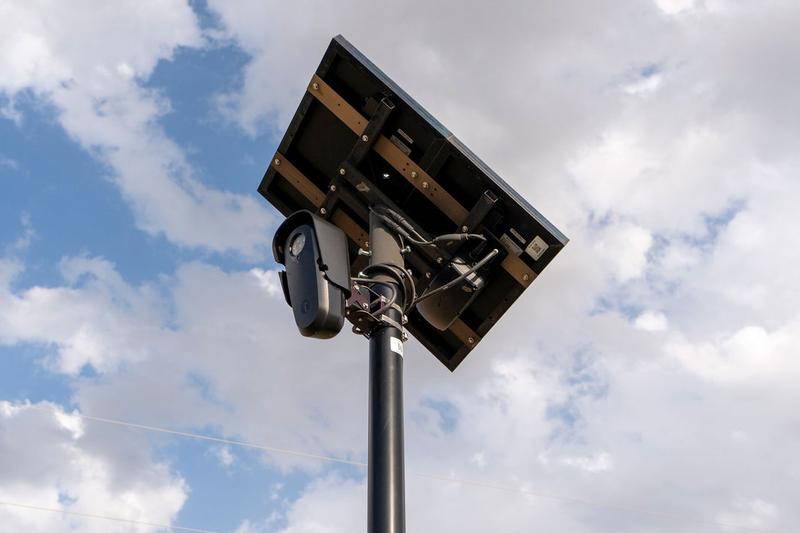
Flock Safety cameras, known as automated license plate readers (ALPRs), are facing intensified scrutiny. The debate surrounding these devices has shifted from isolated incidents of misuse to fundamental architectural concerns. Critics argue that the system’s design inherently creates a pervasive surveillance network, impacting civil liberties.
The company has implemented some changes in response to public pressure. These include reducing the default data retention period from one month to one week. An “Evidence Mode” was also introduced to allow for longer retention in specific, justified cases.
Misuse and Accountability Concerns
Reports of police officers misusing Flock cameras for personal tracking have become frequent. At least 100 police department employees have faced accusations of such misuse. These incidents highlight a significant challenge in ensuring accountability within the widespread surveillance system.
The ability of individual officers to access and utilize this data raises questions about oversight. The potential for abuse extends beyond official duties, impacting public trust in law enforcement technology. Fast Company has reported on these architectural problems, emphasizing that the issue is not solely about bad actors.
The Networked Surveillance Architecture
Despite Flock Safety’s adjustments, critics maintain that the core architecture of the system remains problematic. The cameras contribute to a nationwide, interconnected surveillance network. This design allows for the tracking of vehicles across vast geographical areas, creating a comprehensive digital trail.
This interconnectedness is central to the privacy debate. It transforms individual cameras into components of a much larger data collection and analysis apparatus. The scale of this network amplifies concerns about data security and potential for mass surveillance.
Community Pushback and Removals
Public opposition to Flock cameras has led to concrete actions in various municipalities. Cities and counties, including St. Paul, Minnesota, and St. Lucie County, Florida, have either removed the cameras or are actively considering their removal. These decisions often stem from concerns about data access, potential misuse, and the overall impact on community privacy.
Local governments are weighing the perceived benefits of crime fighting against the documented risks to civil liberties. The public discourse often centers on the balance between security and privacy in an increasingly monitored society.
Legal Challenges and Data Sharing
Flock Safety’s data-sharing practices are subject to ongoing legal challenges and investigations. In California, lawsuits allege illegal sharing of ALPR data with federal immigration authorities. These legal battles underscore the complexities of data governance in a networked surveillance environment.
The sharing of sensitive location data with various agencies raises questions about consent and legal authority. These cases could set precedents for how ALPR data is managed and shared in the future. The Electronic Frontier Foundation provides extensive information on the privacy implications of ALPRs.
Related: Electrification Challenges Examined by Ars Technica
Vulnerabilities and Security Risks
Hackers have demonstrated vulnerabilities within Flock camera systems. These demonstrations have shown access to live video feeds, raising significant concerns about the security of the technology. Such breaches could expose sensitive information and compromise the integrity of the surveillance network.
The security of these systems is paramount, given the nature of the data they collect. Any vulnerability could lead to unauthorized access, data manipulation, or further misuse, eroding public trust in the technology.
The Ongoing Debate
The debate surrounding Flock cameras encapsulates a fundamental tension. Law enforcement agencies advocate for the technology as a tool for crime fighting and public safety. Citizens and privacy advocates, however, express deep concerns about the potential for abuse and the erosion of individual privacy.
This ongoing discussion highlights the need for clear policies, robust oversight, and transparent practices. The future of ALPR technology will likely be shaped by these competing interests and the evolving legal and ethical frameworks surrounding surveillance.
Communities grapple. Lawmakers deliberate. Citizens demand answers. The cameras continue to watch.
Surveillance.
Sponsored · Want AI without handing over client files? Oriam AI installs private, on-premise AI for CPA firms, law firms, and insurance and title agencies. oriamai.online · Advertise on ByteSize Network