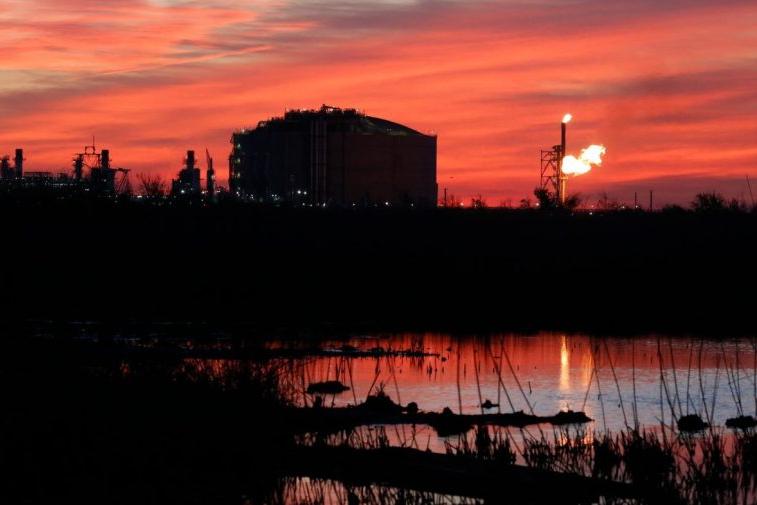
- The Federal Energy Regulatory Commission (FERC) proposed a new blanket authorization program on October 15, 2026, to streamline approvals for LNG facilities.
- FERC Chairman Laura Swett stated the changes aim to cut delays and provide regulatory certainty.
- A three-tier framework will allow some activities to proceed automatically, others with 60 days’ notice, and new construction with 90 days’ notice.
- The United States is projected to export over 120 million metric tons of LNG in 2026, following a record 100 million metric tons in 2025.
- Several major LNG export facilities are undergoing or have recently completed capacity expansions.
The Federal Energy Regulatory Commission (FERC) has initiated a significant shift in its approach to liquefied natural gas (LNG) export facility approvals. On October 15, 2026, FERC proposed a new blanket authorization program designed to streamline the regulatory process. This action directly impacts the U.S. energy sector, global energy markets, and the pace of infrastructure development.
This regulatory adjustment aims to reduce the time and complexity associated with expanding and constructing LNG export infrastructure. The move reflects a broader effort to enhance the efficiency of energy project development within the United States.
What looks like a technical regulatory change actually represents a strategic pivot in how the nation manages its growing role as a global energy supplier.
Streamlining the Approval Process
FERC’s new proposal introduces a three-tier framework for authorizing activities at LNG facilities. This system categorizes projects based on their scope and potential impact, allowing for differentiated approval pathways. The goal is to accelerate development without compromising essential oversight.
Under the proposed framework, certain minor activities at existing LNG facilities would be permitted to proceed automatically. This category includes routine maintenance or small-scale modifications that have minimal environmental or operational impact. The automatic approval mechanism is intended to reduce administrative burdens for operators.
A second tier would require a 60-day notice period for activities that are more substantial but still fall within predefined parameters. This allows FERC to review proposals efficiently while providing a window for public comment or additional information requests. This tier aims to balance speed with necessary regulatory scrutiny.
The third tier, reserved for new facility construction or significant expansions, would involve a 90-day notice period. This longer timeframe acknowledges the greater complexity and potential impact of such projects. Even with a 90-day notice, this represents a considerable acceleration compared to previous, often multi-year approval processes.
FERC Chairman Laura Swett emphasized the importance of these changes. She stated that streamlining National Environmental Policy Act (NEPA) reviews has been a top priority for the commission. Swett characterized the proposed changes as a defining step in cutting unnecessary delays and delivering regulatory certainty to the industry, according to reporting by The Hill News.
The United States as a Global LNG Exporter
The regulatory changes coincide with a period of significant growth in U.S. LNG exports. The United States has rapidly emerged as a leading global supplier of liquefied natural gas, a trend driven by abundant domestic natural gas reserves and increasing international demand.
Projections for 2026 indicate that the United States is expected to export over 120 million metric tons of LNG. This figure follows a record-setting year in 2025, during which the nation exported more than 100 million metric tons. These volumes underscore the strategic importance of efficient export infrastructure.
Several major LNG export facilities across the U.S. have recently undergone or are currently undergoing significant capacity expansions. Facilities such as Plaquemines LNG and Corpus Christi LNG are increasing their capabilities to meet rising global demand. These expansions are critical for maintaining the U.S. position in the international energy market.
New facilities are also coming online. Golden Pass LNG, a joint venture between QatarEnergy and ExxonMobil, began its export operations in April 2026. The second train of this facility is anticipated to be completed by late 2026, further boosting export capacity.
The industry anticipates further growth. Final investment decisions for five additional LNG export projects in North and Central America, primarily located in the U.S., could be made by the end of 2026. These potential projects highlight the ongoing investment and expansion within the sector. More information on global LNG trends can be found via the U.S. Energy Information Administration (EIA).
Impact on Energy Markets and Policy
The acceleration of LNG export approvals carries implications for both domestic and international energy policy. Domestically, it could lead to faster development of energy infrastructure, potentially creating jobs and stimulating economic activity in regions hosting these facilities.
Internationally, increased U.S. LNG exports contribute to global energy security, offering an alternative to other energy sources and suppliers. This is particularly relevant in a volatile geopolitical landscape where energy supply diversification is a key strategic objective for many nations.
Related: High Court Hears Celebrity’s Bid to Silence Sex Crime Allegations
Environmental considerations remain a part of the discussion. While the new framework aims for efficiency, FERC maintains its commitment to environmental review processes. The streamlined NEPA reviews are intended to be more efficient, not less thorough, in their assessment of potential impacts.
The regulatory certainty provided by the new program is a key benefit for energy companies. Predictable approval timelines allow for better long-term planning and investment decisions, which can attract more capital to the sector. This predictability is crucial for large-scale, capital-intensive projects like LNG facilities.
Regulators acted. Industry responded. Global markets shifted.
Energy.
Frequently asked questions
What is FERC's new proposal regarding LNG facilities?
The Federal Energy Regulatory Commission (FERC) proposed a new blanket authorization program on October 15, 2026, to streamline the approval process for various activities at liquefied natural gas (LNG) export facilities. This includes a three-tier framework for automatic, 60-day notice, and 90-day notice approvals.
Who is Laura Swett and what is her role in these changes?
Laura Swett is the current Chairman of FERC. She stated that streamlining NEPA reviews has been a top priority for the commission and that the proposed changes are a defining step in cutting unnecessary delays and delivering regulatory certainty to the energy industry.
How will the new three-tier framework work for LNG approvals?
The proposed three-tier framework will allow some minor activities to proceed automatically, others with a 60-day notice period, and new facility construction or significant expansions with a 90-day notice period. This system aims to accelerate approvals based on project scope.
What are the projections for U.S. LNG exports in 2026?
The United States is projected to export over 120 million metric tons of liquefied natural gas (LNG) in 2026. This follows a record of over 100 million metric tons exported in 2025, solidifying the U.S. position as a major global LNG supplier.
Which LNG facilities are expanding or starting operations?
Several LNG export facilities, including Plaquemines LNG and Corpus Christi LNG, are undergoing or have recently completed capacity expansions. Golden Pass LNG began exports in April 2026, with its second train expected to be completed in late 2026. Additionally, five more projects could reach final investment decisions by the end of 2026.
Sponsored · Put your business in front of ByteSize Network's readers, with every click measured. See advertising packages · Advertise on ByteSize Network