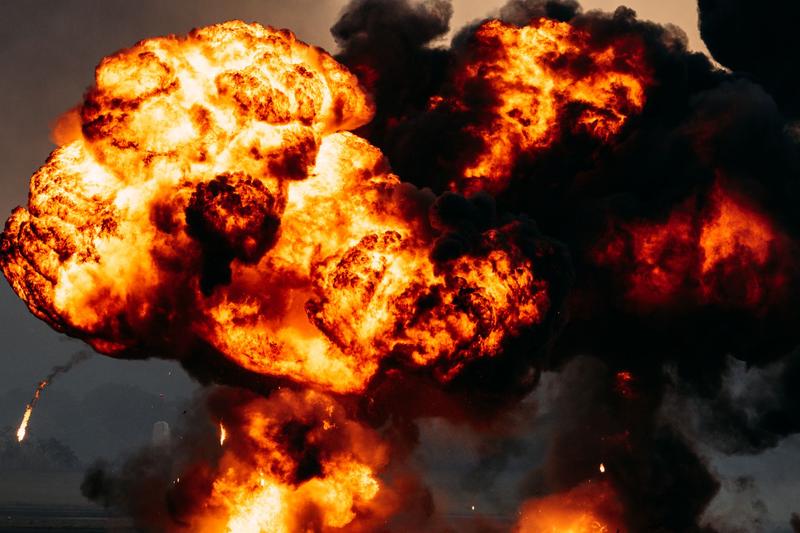
Chemical Tank Explodes in Toledo, OhioForcing Evacuations
A chemical tank exploded in Toledo, Ohio, on Tuesday night, October 20, 2026, at approximately 9:30 p.m. EDT, prompting immediate evacuations and shelter-in-place orders. The incident occurred at the MC Tank Terminal in North Toledo, involving a tank filled with glycidyl methacrylate, an industrial chemical used in plastics, paints, and coatings. The explosion led to significant concern among local authorities regarding the chemical’s volatility and the potential for further incidents. Emergency services responded swiftly, with a sheriff’s deputy sustaining injuries while responding to the blast, driving himself to a local hospital for treatment. The immediate area remains under strict safety protocols as officials assess the ongoing risks.
Official Statements and Verified Reaction
Toledo Mayor Wade Kapszukiewicz confirmed the explosion, addressing the public’s concerns about the chemical’s volatility and the possibility of a second explosion. Mayor Kapszukiewicz’s office issued directives for residents within a one-mile radius of the MC Tank Terminal to evacuate immediately. also, residents within a three-mile radius were advised to shelter in place, closing windows and doors and remaining indoors. Officials expressed concern about the continued emission of the chemical, noting its potential to remain explosive for up to 12 hours following the initial incident. Glycidyl methacrylate, when released as a gas, is known to cause irritation to the eyes, nose, mouth, and skin, prompting health advisories for affected areas. Further details on the incident were reported by ABC News.
Auto-Enriched Background Context
The MC Tank Terminal, located in North Toledo, is a facility that handles and stores various industrial chemicals. Such terminals are critical components of the supply chain for manufacturing and industrial sectors, facilitating the transport and storage of materials like glycidyl methacrylate. Glycidyl methacrylate (GMA) is an ester of methacrylic acid and glycidol, widely utilized in the production of polymers, resins, and coatings due to its unique reactive properties. Its epoxy and methacrylate groups allow it to participate in various polymerization reactions, making it valuable in automotive paints, adhesives, and specialty plastics. However, its industrial utility comes with inherent hazards, including flammability and potential for irritation upon exposure, necessitating stringent safety protocols in its handling and storage.
Chemical incidents, while relatively infrequent, pose significant risks to public safety and the environment. Past incidents, such as the Maryland lab owner’s conviction in a Medicare fraud schemehighlight the importance of regulatory oversight and adherence to safety standards in facilities dealing with hazardous materials. The response to such emergencies often involves multiple agencies, including local fire departments, hazardous materials teams, and environmental protection agencies, working in coordination to mitigate risks and ensure public welfare. Evacuation and shelter-in-place orders are standard procedures designed to protect residents from immediate harm during chemical releases. The long-term effects of exposure to chemicals like glycidyl methacrylate are also a subject of ongoing study and concern within industrial hygiene and environmental health. For more information on chemical safety and industrial standards, the U.S. Environmental Protection Agency (EPA) provides extensive resources.
Frequently asked questions
What happened in Toledo, Ohio?
A chemical tank exploded at the MC Tank Terminal in North Toledo, Ohio, on Tuesday night, October 20, 2026, at approximately 9:30 p.m. EDT.
What chemical was involved in the explosion?
The tank contained glycidyl methacrylate, an industrial chemical used in plastics, paints, and coatings.
Related: AI’s Hacking Prowess: New Research Shows Threat to Power and Water Systems
Were there any injuries?
A sheriff's deputy who responded to the blast was injured and drove himself to the hospital.
Were residents evacuated?
Yes, hundreds of residents within a one-mile radius of the explosion were evacuated, and those within a three-mile radius were advised to shelter in place.
What are the concerns regarding the chemical?
Officials are concerned about the chemical's volatility, the potential for a second explosion, and its irritating effects on eyes, nose, mouth, and skin when released as a gas.
Sponsored · Put your business in front of ByteSize Network's readers, with every click measured. See advertising packages · Advertise on ByteSize Network