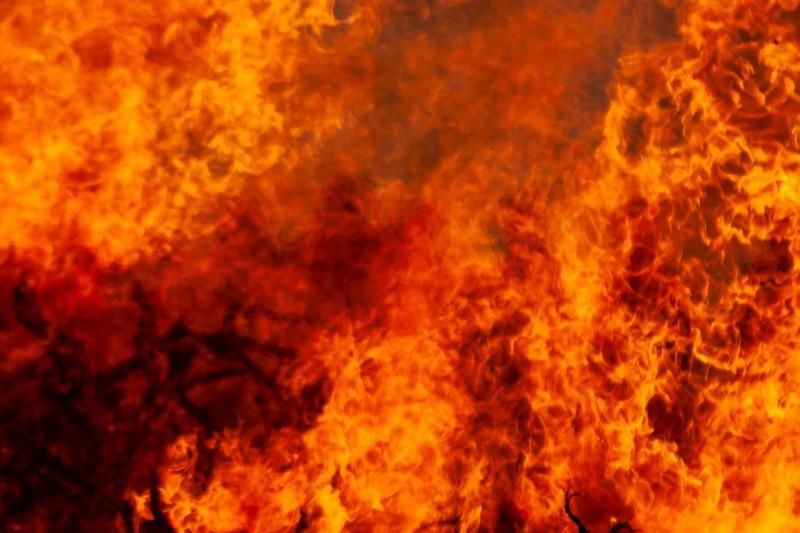
Thousands of residents in San Clemente and San Juan CapistranoCalifornia, were forced to evacuate their homes on Friday, October 16, 2026, as the rapidly spreading “Norte Fire” destroyed coastal properties and injured two firefighters. The blaze, fueled by intense Santa Ana winds, high heat, and critically low humidity, has prompted evacuation orders for approximately 16,000 individuals residing in 6,000 homes across the affected Orange County communities. At least six homes have been damaged or destroyed, and at least 465 acres have burned since the fire ignited.
Two firefighters sustained injuries described as “significant” but stable while actively combating the Norte Fire, according to official reports. The incident is part of a broader wildfire crisis gripping Southern California, with multiple active blazes challenging emergency services. Southern California Edison has initiated Public Safety Power Shutoffs, impacting tens of thousands of customers, as a preventative measure against new fire ignitions from utility equipment. Critical fire danger conditions are expected to persist through Saturday, October 17, 2026.
Official Statements and Verified Reaction
Orange County Fire Authority officials confirmed the extent of the Norte Fire’s impact, stating that the rapid spread necessitated immediate mandatory evacuations. “Our primary concern remains the safety of our residents and the brave firefighters on the front lines,” a spokesperson for the Orange County Fire Authority stated in a press briefing on Friday evening. The spokesperson urged all residents in evacuation zones to comply with orders promptly to ensure their safety and facilitate emergency operations. The Independent reported on the initial scale of the evacuations and property damage as the situation unfolded. Further updates on the Norte Fire and other regional blazes are being provided by local emergency services and news outlets.
Authorities have emphasized the extreme fire conditions, attributing the rapid growth of the Norte Fire and others to the prevailing Santa Ana winds. These winds, combined with dry vegetation and high temperatures, create an environment highly conducive to wildfire ignition and rapid spread. Residents are advised to stay informed through official channels and prepare for potential further advisories as weather conditions remain critical.
Auto-Enriched Background Context
California faces a perennial threat from wildfires, particularly during its dry seasons, which are often exacerbated by the Santa Ana winds. These strong, dry, downslope winds originate from high-pressure systems over the Great Basin and sweep through Southern California, increasing fire danger significantly. The current conditions, marked by gusty winds and high temperatures, are typical of the late wildfire season in the region. The state has invested heavily in fire suppression and prevention strategies, yet the scale and intensity of fires continue to pose substantial challenges.
The impact of wildfires extends beyond immediate property damage and evacuations. Smoke from these fires can travel hundreds of miles, affecting air quality across broad regions and posing health risks, particularly for vulnerable populations. The economic toll includes not only the cost of firefighting and property reconstruction but also losses in tourism, agriculture, and local businesses. Communities frequently grapple with long-term recovery efforts, including rebuilding infrastructure and addressing environmental damage.
In recent years, California has experienced some of its most destructive wildfire seasons on record. Factors contributing to this trend include prolonged droughts, which dry out vegetation, and the expansion of urban development into wildland-urban interface areas, increasing the number of homes at risk. The state’s fire agencies, such as Cal Fire and local fire departments like the Orange County Fire Authority, work collaboratively to manage these incidents. These efforts involve aerial firefighting assets, ground crews, and public awareness campaigns aimed at fire prevention. The ongoing threat shows the critical need for continued vigilance and preparedness among residents in fire-prone areas. For more information on how climate change impacts such events, ByteSize Network has covered various environmental shifts. Previous incidents involving large-scale evacuations due to natural disasters have also been reported by ByteSize Network, highlighting the recurring nature of these challenges in California.
Sources
Frequently asked questions
What is the Norte Fire?
The Norte Fire is a wildfire that started in Orange County, California, on Friday, October 16, 2026. It has forced thousands of evacuations in San Clemente and San Juan Capistrano, damaged or destroyed homes, and injured firefighters.
Related: Magnitude 4.8 Earthquake Strikes Near Melbourne, Aftershocks Continue
Which areas are under evacuation orders due to the Norte Fire?
Evacuation orders are in effect for approximately 16,000 residents across 4,600 homes in San Clemente and San Juan Capistrano, California.
What caused the Norte Fire to spread rapidly?
The Norte Fire's rapid spread is attributed to strong Santa Ana winds, high temperatures, and critically low humidity, which create extreme fire danger conditions.
Are there other active wildfires in Southern California?
Yes, other active fires include the Bryson Fire near Malibu and the Henderson Fire at Marine Corps Base Camp Pendleton, both of which have prompted evacuations and road closures.
What is Southern California Edison doing to prevent more fires?
Southern California Edison has implemented Public Safety Power Shutoffs, affecting tens of thousands of customers, to prevent new blazes from sparking due to utility equipment.
Sponsored · Put your business in front of ByteSize Network's readers, with every click measured. See advertising packages · Advertise on ByteSize Network