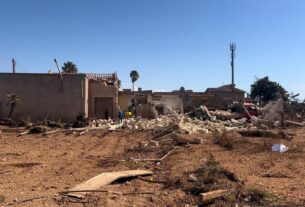

The Democratic Republic of the Congo (DRC) has reported 9,704 confirmed cases and 4,687 deaths in its ongoing Ebola outbreak as of October 21, 2026. The outbreak, caused by the Bundibugyo virus, began in May 2026 and has now seen cases confirmed in neighboring countries. Kenya reported nine confirmed cases and one death by October 22, with all cases linked to the first patient. Nigeria confirmed one Ebola patient on October 20, 2026, who had a travel history in Uganda.
Official Statements and Verified Reaction
The World Health Organization (WHO) declared the Ebola outbreak a Public Health Emergency of International Concern (PHEIC) on May 16, 2026. This designation signifies a serious public health risk requiring a coordinated international response. WHO officials have emphasized the need for robust surveillance, contact tracing, and rapid isolation measures to contain the spread of the virus. The organization continues to work with health ministries in affected countries to deploy resources and expertise. The current outbreak is being closely monitored by global health authorities, as reported by NPR Topics: News.
Auto-Enriched Background Context
The current Ebola outbreak in the Democratic Republic of the Congo began in May 2026 and is attributed to the Bundibugyo virus species. This strain is one of several known to cause Ebola virus disease, a severe, often fatal illness in humans. The DRC has a history of Ebola outbreaks, making it a region of particular concern for global health organizations. The country’s vast and sometimes remote geography, coupled with ongoing security challenges in certain areas, can complicate efforts to control disease spread.
Uganda recently concluded its own Ebola outbreak, with the last patient discharged on July 16, 2026, and the outbreak officially declared over on July 28, 2026. The successful containment in Uganda highlights the effectiveness of rapid response protocols, including vaccination campaigns and public health messaging. The current spread to Kenya and Nigeria shows the transboundary nature of infectious diseases and the importance of regional cooperation in public health. Kenya’s nine confirmed cases and one death, reported by October 22, are all epidemiologically linked, suggesting a contained transmission chain from an initial introduction. Nigeria’s single confirmed case, reported on October 20, involved a patient with recent travel history in Uganda, indicating potential cross-border transmission routes.
Ebola virus disease is characterized by sudden onset of fever, intense weakness, muscle pain, headache, and sore throat, followed by vomiting, diarrhea, rash, symptoms of impaired kidney and liver function, and in some cases, both internal and external bleeding. The virus is transmitted to people from wild animals and spreads in the human population through direct contact with the blood, secretions, organs or other bodily fluids of infected people, and with surfaces and materials contaminated with these fluids. The declaration of a PHEIC by the WHO on May 16, 2026, mobilizes international resources and attention to the crisis, aiming to prevent further widespread transmission and mitigate its impact. Efforts are underway to support affected nations in their response, including the deployment of medical personnel, supplies, and public health experts.
Sources
Frequently asked questions
What is the current status of the Ebola outbreak in the Democratic Republic of the Congo?
As of October 21, 2026, the Democratic Republic of the Congo has reported 9,704 confirmed cases and 4,687 deaths in its ongoing Ebola outbreak, which began in May 2026.
Related: Alexander Brothers Face Sentencing in Federal Sex Trafficking Case
Which countries outside the DRC have reported Ebola cases in this outbreak?
Kenya reported nine confirmed cases and one death by October 22, 2026. Nigeria reported one Ebola patient on October 20, 2026, who had traveled in Uganda.
What type of Ebola virus is causing this outbreak?
The current Ebola outbreak in the Democratic Republic of the Congo is caused by the Bundibugyo virus.
When did the World Health Organization declare this a public health emergency?
The World Health Organization (WHO) declared the Ebola outbreak a Public Health Emergency of International Concern (PHEIC) on May 16, 2026.
Sponsored · Put your business in front of ByteSize Network's readers, with every click measured. See advertising packages · Advertise on ByteSize Network