The Mississippi Attorney General‘s office announced on Monday, October 19, 2026, that the police shooting that resulted in the death of 1-year-old Kohen Wiley in June 14, 2026 was deemed “justified.” This determination, made by Attorney General Lynn Fitch’s office, follows an investigation into the incident that occurred in Senatobia, Mississippi.
The shooting took place when law enforcement officers were responding to a shoplifting call at a Walmart. Kohen Wiley was in a vehicle with his mother, Vellesiya Wiley, and a friend who was driving at the time of the fatal event.
The Incident in Senatobia
The sequence of events began with a report of shoplifting at a Walmart store in Senatobia. Police officers were dispatched to the scene to address the complaint. Details surrounding the confrontation between law enforcement and the occupants of the vehicle remain central to the investigation’s findings.
The vehicle, occupied by Vellesiya Wiley, her son Kohen, and the driver, became involved in the police response. It was during this interaction that shots were fired by officers, leading to the death of the infant, Kohen Wiley. The specific actions that led to the use of lethal force have been under scrutiny since June 14, 2026.
Attorney General Lynn Fitch‘s Determination
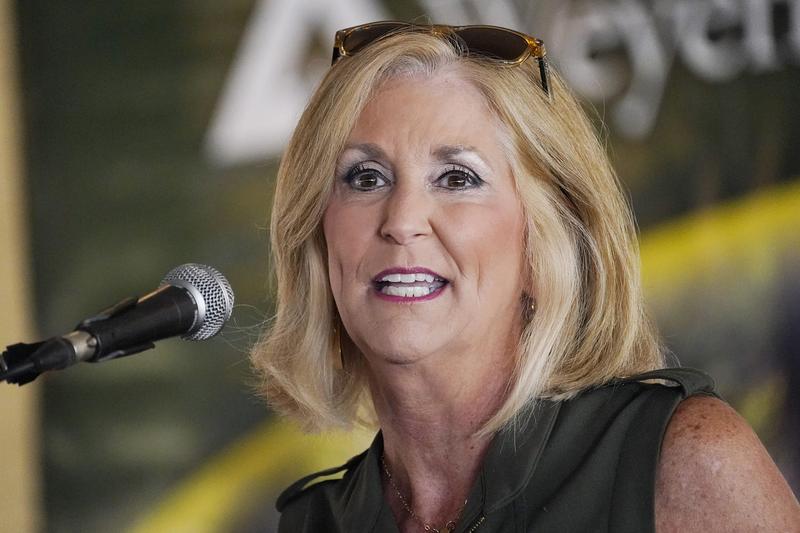
Mississippi Attorney General Lynn Fitch, who made history as the state’s first woman attorney general in 2020 and was reelected in 2023, oversees the office responsible for reviewing such incidents. Her office’s announcement on October 19, 2026, concluded that the officers’ actions were justified under the circumstances they faced. This decision implies that the use of force met legal standards for self-defense or defense of others, as determined by the state’s legal framework.
The justification of a police shooting, particularly one involving the death of a child, often ignites public debate regarding police training, de-escalation tactics, and accountability. The Attorney General’s findings are typically based on evidence collected from the scene, witness statements, and officer accounts. Further details on the specific evidence supporting the justification have not been fully released to the public.
Community Reaction and Broader Implications
The ruling by the Attorney General’s office is expected to elicit strong reactions from the community and advocacy groups. Incidents involving police use of force, especially those resulting in civilian fatalities, frequently lead to calls for transparency and reform in law enforcement practices. The death of Kohen Wiley adds to a national conversation about police accountability and the tragic consequences that can arise during routine police responses.
The case highlights the complexities faced by law enforcement in high-stress situations and the profound impact these events have on families and communities. The justification ruling, while a legal determination, does not diminish the profound loss experienced by Kohen Wiley’s family. For more information on the role of the Mississippi Attorney General, visit the official Mississippi Attorney General’s website.
The Aftermath and Ongoing Questions
Despite the official ruling, questions often persist in such cases. Families of victims and community members frequently seek further clarity on the decisions made by officers and the investigative processes that lead to justification rulings. The specific details of the shoplifting incident and the subsequent police pursuit or confrontation remain critical to understanding the full context of the shooting.
The incident in Senatobia will likely be cited in future discussions about police reform and the use of force policies. Organizations like the NAACP often advocate for systemic changes to prevent similar tragedies. The legal justification does not always align with public perception of justice, leading to continued dialogue and demands for change.
Related: Joe Manchin’s Independent Stance, Defying Schumer and Backing a Republican
A child’s life ended. A family grieves. A legal finding is rendered. The community watches. Senatobia.
Sources
Frequently asked questions
What was the outcome of the investigation into the police shooting that killed Kohen Wiley?
The Mississippi Attorney General's office, led by Lynn Fitch, announced on Monday, October 19, 2026, that the police shooting that killed 1-year-old Kohen Wiley in June 14, 2026 was deemed "justified."
Where did the police shooting involving Kohen Wiley occur?
The shooting occurred in Senatobia, Mississippi. Officers were responding to a shoplifting call at a Walmart when the incident took place.
Who is Lynn Fitch?
Lynn Fitch is the current Attorney General of Mississippi. She was first elected in 2019 as Mississippi's first woman attorney general and was reelected in 2023.
Who was in the car with Kohen Wiley when he was killed?
Kohen Wiley was in a car with his mother, Vellesiya Wiley, and a friend who was driving the vehicle at the time of the fatal police shooting.
Sponsored · Put your business in front of ByteSize Network's readers, with every click measured. See advertising packages · Advertise on ByteSize Network