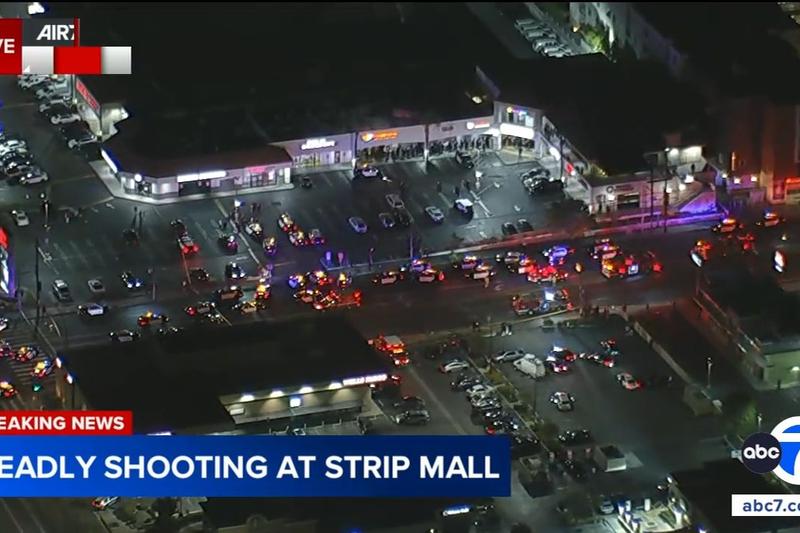
A shooting incident in downtown Seattle on Sunday, July 26, 2026, resulted in the confirmed deaths of at least two individuals and left five others injured. The event, which unfolded in a commercial block near Pike Street, prompted a major emergency response from the Seattle Police Department (SPD) and Seattle Fire Department (SFD), leading to an ongoing investigation into the motive and perpetrators.
The rapid succession of events led to immediate panic and a swift lockdown of several nearby businesses. This area is typically frequented by both residents and tourists, making the incident particularly impactful on the community.
The Downtown Incident Unfolds
The shooting occurred shortly after 1:00 PM Pacific Time on Sunday, July 26, 2026. Witnesses reported hearing multiple gunshots emanating from a commercial block in Seattle’s central business district. While the precise address has not been publicly disclosed by authorities, police activity was concentrated around the vicinity of Pike Street.
Pike Street is one of Seattle’s most iconic thoroughfares, known for its vibrant commercial activity, including the Pike Place Market, numerous shops, restaurants, and hotels. Its central location ensures a constant flow of pedestrian traffic, especially on a Sunday afternoon, amplifying the public safety concerns associated with such an event.
Initial reports to the Seattle Police Department indicated a critical incident requiring immediate attention. Law enforcement units, including patrol officers and specialized tactical teams, were dispatched to the scene without delay. The rapid response aimed to contain the situation, secure the area, and provide assistance to those affected.
Immediate Aftermath and Witness Accounts
Upon arrival, first responders encountered a chaotic scene. Individuals were seen fleeing the area, seeking shelter in nearby establishments, or attempting to assist the wounded. The sound of gunshots created widespread alarm, leading to a spontaneous evacuation of parts of the commercial district.
Witnesses provided initial accounts to responding officers, describing a sudden outbreak of gunfire. These early testimonies are crucial for investigators as they work to piece together the sequence of events leading to the fatalities and injuries. The SPD has appealed to the public for any additional information or video footage that might aid their inquiry.
The identities of the deceased and injured individuals have not yet been publicly released by authorities. This standard procedure allows for the notification of next of kin before public disclosure, respecting the privacy and grief of the families involved. The Seattle community awaits further updates as the investigation progresses.
Emergency Response and Scene Management
The coordinated response by Seattle’s emergency services was swift and comprehensive. Seattle Police Department units, including SWAT personnel, converged on the scene within minutes of the first reports. Their immediate priorities included establishing a secure perimeter, preventing further harm, and facilitating access for medical personnel.
The perimeter effectively directed pedestrian and vehicle traffic away from the immediate vicinity of the shooting. This measure was critical for both public safety and to preserve the integrity of the crime scene. Officers systematically cleared buildings and streets within the cordoned-off area to ensure no additional threats were present.
The Seattle Fire Department deployed multiple aid cars and ambulances to the scene. Paramedics provided immediate medical attention to the wounded, stabilizing their conditions before transport. The swift action of these first responders is often critical in improving outcomes for victims of traumatic injuries.
Harborview Medical Center Response
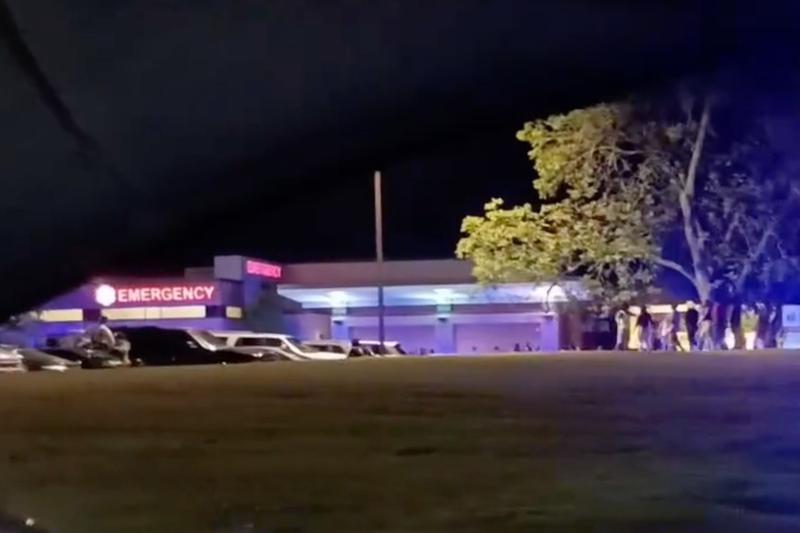
All injured individuals were transported to Harborview Medical Center. Harborview is the only Level I adult and pediatric trauma and burn center in Washington State, serving a four-state region. Its specialized capabilities make it the primary destination for patients with severe injuries.
Hospital officials confirmed receiving multiple patients from the incident. Preliminary statements indicated that the conditions of the injured ranged from stable to critical. The medical teams at Harborview are highly experienced in managing mass casualty incidents, and their preparedness was evident in the coordinated care provided upon the arrival of the victims.
The collaboration between law enforcement and medical teams was crucial in managing the immediate aftermath. This inter-agency coordination ensured that victims received timely care while simultaneously allowing police to secure the scene and begin their investigative work. Such incidents test the readiness of urban emergency response systems, and Seattle’s protocols were activated effectively.
Active Investigation Underway
The Seattle Police Department has launched a comprehensive and active investigation into the shooting. Detectives from the Homicide and Assault Unit are leading the effort, utilizing their specialized training and resources to uncover the facts.
The primary objectives of the investigation include identifying any suspects involved, determining the motive behind the violence, and meticulously reconstructing the sequence of events. This process is often complex, involving multiple lines of inquiry and the analysis of various forms of evidence.
Evidence Collection and Analysis
Investigators are systematically reviewing surveillance footage from nearby businesses and public cameras. Downtown Seattle, like many major urban centers, is equipped with an extensive network of security cameras. This footage can provide critical visual evidence, potentially identifying perpetrators, vehicles, and the exact timing of the incident.
Interviewing potential witnesses is another cornerstone of the investigation. Individuals who were in the downtown area at the time of the shooting may possess crucial information, even if they did not directly observe the event. Their accounts of sounds, movements, or suspicious activities can contribute significantly to the evidentiary picture.
Forensic teams are also processing the crime scene, collecting physical evidence such as shell casings, projectiles, and any other items that could provide clues. This evidence will be analyzed in laboratories to determine the type of weapon used, the number of firearms involved, and potentially link evidence to specific individuals.
As of Monday, July 27, 2026, information regarding the type of weapon used or the number of perpetrators has not yet been publicly disclosed. Authorities are maintaining a cautious approach to information release to avoid compromising the ongoing investigation and to ensure the accuracy of any details shared with the public.
Public Safety and Community Concern
Mayor Katie Wilson issued a statement condemning the violence and reaffirming the city’s commitment to public safety. In her statement, Mayor Wilson urged residents to remain vigilant and to report any suspicious activity to law enforcement. Such calls for community participation are common in the aftermath of significant public safety incidents, emphasizing shared responsibility.
Incidents of this nature have a profound impact on the local community. They often foster a sense of fear, uncertainty, and vulnerability among residents and visitors alike. The psychological and emotional toll can be significant, extending beyond those directly involved in the event.
Community leaders are expected to address these broader impacts in the coming days. Discussions will likely focus on providing support services for those affected, offering resources for trauma counseling, and fostering a sense of collective healing. The city’s response will extend beyond law enforcement to include social and psychological support systems.
Broader Context of Gun Violence
The Seattle shooting on July 26, 2026, occurs within a national context of ongoing debates and concerns regarding gun violence. While local incidents are unique in their specifics, they often contribute to broader discussions about gun control legislation, mental health resources, and community-based violence prevention programs.
Major cities across the United States have grappled with spikes in violent crime, particularly gun-related incidents, in recent years. This trend has led to increased scrutiny of policing strategies, judicial reforms, and the effectiveness of various intervention methods. Seattle, like other urban centers, has seen its share of public safety challenges.
For instance, in 2025, Seattle experienced a decrease in non-fatal shootings compared to previous years, prompting the Seattle City Council to allocate additional funding for violence intervention programs. These programs often focus on addressing the root causes of violence, such as poverty, lack of opportunity, and gang involvement, in addition to law enforcement efforts.
The downtown core, as a hub of economic and social activity, presents unique challenges for public safety. High population density, transient populations, and the presence of both commercial and residential zones require multifaceted approaches to security and crime prevention. The incident near Pike Street will undoubtedly prompt further review of these strategies.
Looking Ahead: Information and Support
Local officials are expected to provide further briefings as confirmed details become available. The dynamic nature of an active investigation means that information is often released incrementally, once verified and deemed appropriate for public consumption. The focus remains on securing the area and aiding those impacted by the violence.
The Seattle Police Department will continue its meticulous work to identify and apprehend those responsible for the shooting. This includes following up on leads, conducting additional interviews, and analyzing all collected evidence. The goal is to bring justice to the victims and ensure accountability for the perpetrators.
The community’s resilience will be tested in the wake of this tragedy. Residents are encouraged to support one another, remain informed through official channels, and participate in efforts to enhance public safety. The long-term recovery will involve both individual healing and collective action.
Emergency personnel continue their work. Investigators continue their work. The downtown community awaits answers.
Seattle.