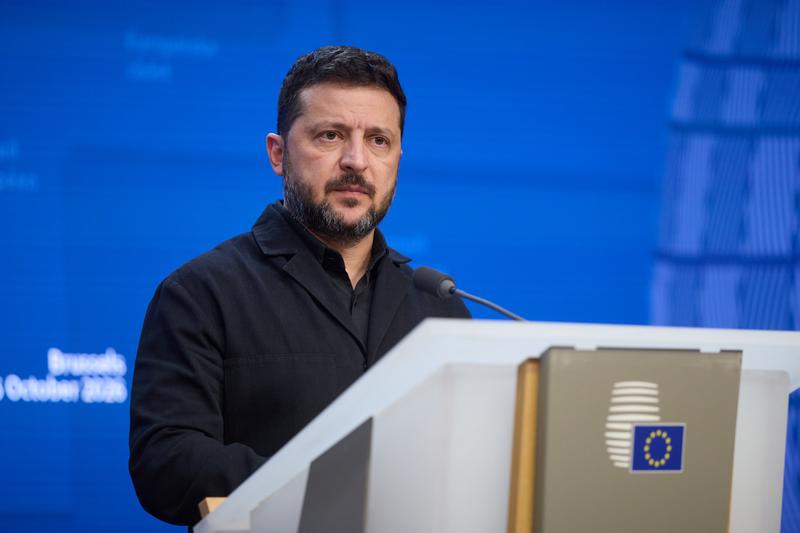
Zelenskyy Confirms US Intelligence Sharing Restored
Ukrainian President Volodymyr Zelenskyy announced on October 18, 2026, that the United States has resumed intelligence sharing with Ukraine. This confirmation came during an interview on NBC’s “Meet the Press.” The resumption follows a period of suspended intelligence cooperation, which had reportedly left Ukraine without crucial information regarding Russian attacks. The New York Post reported on the development, highlighting the critical nature of this intelligence for Ukraine’s defense efforts. The previous suspension had created significant challenges for Ukrainian forces in monitoring and responding to Russian military movements and aggressions.
Official Statements and Verified Reactions
President Zelenskyy stated during his interview that the restoration of intelligence sharing is a vital step for Ukraine’s security. He indicated that the suspension had created a “blackout” in critical information, hindering Ukraine’s ability to anticipate and counter Russian actions. Zelenskyy also expressed his hope for bilateral talks with Washington this week. These discussions aim to address existing missile tracking gaps and to strengthen broader security coordination between Ukraine and the United States. Earlier, on October 13, former US President Donald Trump had publicly stated that the United States was still sharing intelligence with Ukraine, despite reports of a suspension. The discrepancy in statements underscored the fluid nature of the situation prior to Zelenskyy’s definitive announcement.
Background and Context of US-Ukraine Intelligence Cooperation
Volodymyr Zelenskyy has served as the President of Ukraine since 2019, leading the nation through a period of intense conflict and geopolitical challenges. His administration has consistently sought to strengthen ties with Western allies, particularly the United States, for military and intelligence support. The suspension of intelligence sharing between the US and Ukraine had its roots in tensions that emerged following Ukrainian deep strikes against Russian oil refineries. US officials had reportedly issued warnings regarding these actions, leading to a temporary halt in intelligence cooperation. The Trump administration had previously suspended intelligence sharing with Ukraine in March 2025, a decision that drew scrutiny and concern from international observers and within Ukraine. This earlier suspension, and the more recent one, highlight the complex dynamics and sometimes divergent strategic interests that can influence international alliances. The importance of intelligence sharing for Ukraine’s defense capabilities cannot be overstated, as it provides crucial insights into enemy movements, intentions, and capabilities. Without such intelligence, Ukraine faces significant disadvantages in its ongoing conflict. The resumption of this cooperation is expected to bolster Ukraine’s defensive posture and enhance its ability to respond to threats. The broader context of US foreign policy in Eastern Europe and its support for Ukraine has been a consistent theme throughout recent administrations. For more information on the ongoing conflict and international relations, readers can refer to official government sources such as the U.S. Department of State. The challenges of maintaining robust intelligence flows in a dynamic conflict zone are significant, as evidenced by past incidents such as Orchestrator and Vision Engine Failures Due to Service Name Misconfigurationwhich, while technical, illustrate the complexities of information systems during critical operations. The current development is a positive indicator for the future of US-Ukraine strategic partnership.
Sponsored · Put your business in front of ByteSize Network's readers, with every click measured. See advertising packages · Advertise on ByteSize Network