
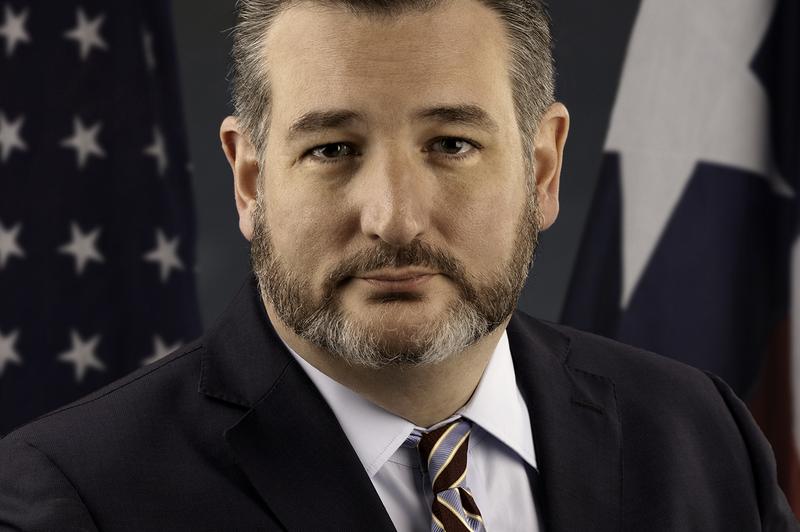
U.S. Senator Ted Cruz (R-TX) has characterized the Democratic Party as undergoing a “hostile takeover” by communist and Islamist factions. This assertion was made during his address at the Republican Midterm Convention in September 2026. Cruz’s statements highlight a specific interpretation of current political dynamics within the United States.
The Senator’s remarks suggest a significant ideological shift within one of the nation’s two major political parties. Such claims often resonate with a segment of the electorate concerned about perceived radicalization in political discourse.
Cruz’s Statement at the Republican Midterm Convention
Senator Ted Cruz delivered his remarks at the Republican Midterm Convention, an event held in September 2026. During his speech, he directly addressed the perceived ideological evolution of the Democratic Party. His language described this evolution as a “hostile takeover.”
Cruz, who has served as a U.S. Senator for Texas since 2013, is known for his conservative viewpoints. His current term extends until January 3, 2031, following his re-election in November 2024. As Chairman of the Senate Committee on Commerce, Science, and Transportation for the 119th Congress, his statements carry weight within Republican circles.
Historical Context of Political Rhetoric
The use of terms like “communist” and “Islamist” in American political discourse has a history. These terms have been employed at various times to describe perceived threats to national values or security. The current application by Senator Cruz reflects a contemporary iteration of this rhetorical tradition.
Such strong characterizations often serve to galvanize a political base. They frame political opponents not merely as holding different views, but as embodying fundamentally opposing ideologies. This can intensify partisan divisions.
The “Hostile Takeover” Claim Examined
Cruz’s claim of a “hostile takeover” implies an external or subversive influence on the Democratic Party. This framing suggests that the party’s current direction is not an organic evolution but rather the result of infiltration by specific ideological groups. The specific mention of “communists and Islamists” points to distinct concerns.
The term “communist” typically refers to ideologies advocating for a classless society with common ownership of the means of production. “Islamist” generally refers to political ideologies derived from particular interpretations of Islamic teachings. The combination of these two distinct ideologies in Cruz’s statement suggests a broad critique of perceived radical elements.
“We’re witnessing a hostile takeover of the Democrat Party by communists and Islamists.” – Senator Ted Cruz, September 2026.
This statement, as reported by Breitbart News, indicates a specific concern about the Democratic Party’s platform and its proponents. Breitbart News is a conservative news and opinion website founded in 2007. It is known for its right-wing political commentary.
Reactions and Implications
Statements of this nature often elicit strong reactions across the political spectrum. Supporters of Senator Cruz may view his comments as a truthful assessment of political realities. Opponents, however, might dismiss them as inflammatory rhetoric or political hyperbole.
The implications of such claims extend beyond immediate political debate. They can influence public perception of political parties and contribute to the broader narrative of cultural and ideological conflict in the nation. For further information on Senator Cruz’s political career and positions, his official Senate website provides detailed records.
Related: Amber Guyger Released on Parole, Former Officer Exits Prison After Seven Years
The ongoing discourse surrounding the ideological direction of American political parties continues to shape the national conversation. Claims of radicalization or external influence are a recurring feature of this dialogue. These claims contribute to the polarized environment in which contemporary politics operates.
Politicians speak. Audiences listen. Ideologies clash.
The nation observes.
Sources
Frequently asked questions
What did Senator Ted Cruz say about the Democratic Party?
Senator Ted Cruz stated that the Democratic Party is experiencing a "hostile takeover" by what he described as communist and Islamist elements. He made these remarks at the Republican Midterm Convention in September 2026.
When did Ted Cruz make these statements?
Ted Cruz made these statements in September 2026, during his address at the Republican Midterm Convention. This event was part of the lead-up to the midterm elections.
What is Ted Cruz's current role?
Ted Cruz is currently a U.S. Senator for Texas, a position he has held since 2013. He is also the Chairman of the Senate Committee on Commerce, Science, and Transportation for the 119th Congress. His current term ends in January 2031.
What is the significance of Cruz's "hostile takeover" claim?
The "hostile takeover" claim by Senator Cruz suggests that the Democratic Party's current ideological direction is not an organic development but rather an infiltration by specific, radical groups. This rhetoric aims to frame political opponents as fundamentally opposed to traditional American values.
Sponsored · Put your business in front of ByteSize Network's readers, with every click measured. See advertising packages · Advertise on ByteSize Network