Tag: Bloomberg

  • Dr. Anthony Fauci Pleads Fifth Amendment at Senate COVID-19 Hearing

    Dr. Anthony Fauci Pleads Fifth Amendment at Senate COVID-19 Hearing

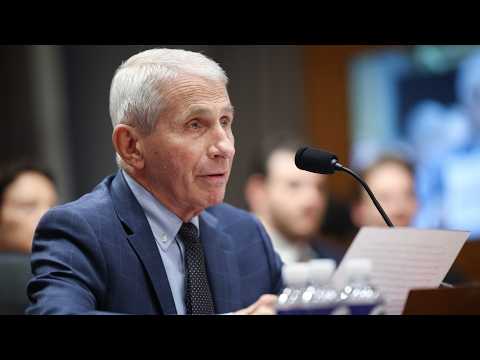
    Dr. Anthony Fauci invoked his Fifth Amendment right against self-incrimination today, July 29, 2026, during a Senate hearing in Washington D.C. This action occurred as the Senate committee scrutinized aspects of the federal government’s handling of the COVID-19 pandemic, with Fauci declining to answer questions posed by senators.

    The invocation of this constitutional right allows a witness to refuse to provide testimony that might be used against them in a criminal proceeding. It is a legal protection and does not automatically imply guilt, but it prevents forced self-incrimination.

    Fauci’s appearance was highly anticipated. He previously served as the Director of the National Institute of Allergy and Infectious Diseases (NIAID) for decades. He also held the role of Chief Medical Advisor to the President during the initial phases of the COVID-19 pandemic.

    The Senate’s Ongoing Investigation

    The Senate committee conducting this hearing has been engaged in a multi-month investigation. Its mandate includes examining various facets of the COVID-19 response. This encompasses the origins of the SARS-CoV-2 virus, the accelerated development of vaccines, the implementation of public health mandates, and the allocation of federal funding.

    Witnesses have been called to provide testimony on these critical matters. The committee’s work aims to establish a comprehensive record of decisions made and actions taken during the public health crisis.

    Today’s session was expected to be a pivotal moment. Public interest in Fauci’s testimony had been substantial leading up to the hearing.

    Scope of the Inquiry

    The investigation has cast a wide net. Senators have pursued questions regarding the scientific basis for certain public health recommendations. They have also examined the processes behind vaccine approval and distribution.

    Federal funding for research, both domestic and international, has also been a key area of focus. The committee seeks to understand the oversight mechanisms in place for these expenditures.

    The role of various federal agencies, including the National Institutes of Health (NIH) and the Centers for Disease Control and Prevention (CDC), has been under review. The committee aims to identify strengths and weaknesses in the national response framework.

    Understanding the Fifth Amendment

    The Fifth Amendment to the United States Constitution provides several fundamental protections for individuals. These protections are designed to safeguard liberty and ensure due process.

    One of the most recognized provisions is the right against self-incrimination. This right is enshrined in the clause stating that no person shall be “compelled in any criminal case to be a witness against himself.”

    This protection extends beyond criminal trials to various legal proceedings, including congressional hearings. A witness can invoke the Fifth Amendment if they reasonably believe their testimony could furnish evidence that might lead to their prosecution.

    Legal Implications of Invocation

    Invoking the Fifth Amendment is a legal right. It is not an admission of guilt, nor does it create a presumption of guilt in a court of law. The Supreme Court has affirmed that a person’s silence cannot be used as evidence of guilt in a criminal trial.

    However, in civil proceedings or congressional hearings, the invocation can carry different implications. While not proof of guilt, it can sometimes be interpreted by the public as an indication that the witness has something to hide.

    Legal scholars often emphasize that the right is a crucial safeguard. It prevents the government from coercing individuals into providing testimony that could be used to convict them.

    Fauci’s Role in the Pandemic Response

    Dr. Anthony Fauci became a prominent figure during the COVID-19 pandemic. As the Director of NIAID, a position he held from 1984 until his retirement in 2022, he was a key scientific voice.

    He also served as Chief Medical Advisor to the President for a period. In this capacity, he advised on public health strategies and communicated scientific information to the public.

    His public appearances and briefings were frequent. He often explained complex scientific concepts and public health measures to a broad audience.

    Key Areas of Influence

    Fauci’s influence extended across several critical areas. He played a significant role in advising on vaccine development and deployment. His input was sought on strategies for mitigating virus transmission, such as masking and social distancing.

    He also contributed to discussions around the origins of the virus. This included debates about natural emergence versus laboratory leak theories.

    His career at NIAID spanned multiple public health crises, including HIV/AIDS, Ebola, and Zika. This extensive experience positioned him as a leading authority during the COVID-19 outbreak.

    Public and Political Reactions

    News of Fauci’s invocation of the Fifth Amendment quickly circulated. Bloomberg Television was among the first outlets to report the development.

    The event immediately sparked significant public and political reactions. Social media platforms showed a rapid increase in discussion surrounding the hearing.

    Members of the Senate committee expressed various sentiments. Some senators indicated that the invocation complicated their investigative efforts. Others underscored the constitutional right of any witness to decline to testify.

    The Broader Context of Scrutiny

    The hearing is part of a larger, ongoing scrutiny of the pandemic response. This scrutiny comes from various sectors. It includes governmental bodies, scientific organizations, and the general public.

    Questions about decision-making processes, the effectiveness of interventions, and the economic impact of policies continue to be debated. The long-term consequences of the pandemic are still being assessed.

    Fauci’s testimony was anticipated as a moment to gain further insight. His decision to invoke the Fifth Amendment has altered the immediate trajectory of this particular line of inquiry.

    Developing Story: Limited Details

    This is a developing story. Initial reports confirm the invocation of the Fifth Amendment by Dr. Anthony Fauci. However, many specific details remain undisclosed.

    The exact questions posed by senators that led to the invocation have not been fully released. The committee’s immediate response and any subsequent procedural actions are also pending further information.

    Additional details are expected to emerge in the coming hours and days. These details will likely include official statements from the committee and further reporting from news organizations.

    Anticipated Next Steps

    The Senate committee will likely continue its investigation. They may pursue other avenues of inquiry or call additional witnesses.

    The legal implications for Fauci are not yet clear. The invocation protects against self-incrimination in criminal proceedings. However, the committee could explore other legal options, though specifics are not currently available.

    Public interest in the proceedings remains exceptionally high. The event marks a significant turn in the ongoing public and political discourse surrounding the pandemic response.

    A Senate committee convened. Witnesses were called. Questions were asked. The Fifth Amendment was invoked.

    Washington D.C.

  • President Trump’s Iran ‘Ammo’ Statement – Implications for National Defense

    President Trump’s Iran ‘Ammo’ Statement – Implications for National Defense

    On July 27, 2026, President Donald Trump publicly declared that the United States possesses “plenty of ammo left” for a potential conflict with Iran. This assertion, delivered via Bloomberg Television, highlights the administration’s continued strong stance on national security and its approach to geopolitical rivals in the Middle East. The statement serves to reinforce perceptions of American military readiness and resolve.

    The President’s remarks arrive amidst ongoing regional tensions. Geopolitical analysts frequently monitor such statements for indications of future policy directions. These declarations can influence international diplomacy and defense strategies.

    The Context of President Trump’s Statement

    President Trump’s comment did not occur in isolation. It emerged within a broader landscape of US-Iran relations. These relations have been marked by periods of heightened tension and strategic maneuvering for decades.

    The United States has maintained a significant military presence in the Middle East. This presence is often cited as a deterrent against regional aggression. It also supports various allied nations.

    The statement itself, “plenty of ammo left,” is a colloquial expression. It conveys a message of substantial military capability. It suggests a readiness to engage if deemed necessary.

    Historical Precedents in US-Iran Relations

    US-Iran relations have a complex history. Key events include the 1979 Iranian Revolution. There was also the Iran hostage crisis.

    Sanctions have been a consistent tool in US policy towards Iran. These economic measures aim to pressure Iran on its nuclear program and regional activities. Various administrations have employed different levels of sanctions.

    Military confrontations, while not direct wars, have occurred. Incidents in the Persian Gulf, for example, have involved naval forces. These encounters underscore the volatile nature of the relationship.

    Previous administrations have also issued strong warnings to Iran. These warnings often involve rhetoric regarding military capacity. Such statements are part of a long-standing diplomatic and strategic playbook.

    Implications for National Defense and Geopolitics

    The President’s statement carries multiple implications. Domestically, it can bolster confidence in the nation’s defense posture. It also signals resolve to allies and adversaries.

    Internationally, the message is received by various actors. Iran, regional powers like Saudi Arabia and Israel, and global players like Russia and China all interpret such statements. Each interprets them through their own strategic lenses.

    Military Readiness and Strategic Deterrence

    The phrase “plenty of ammo left” directly addresses military readiness. It suggests sufficient resources for sustained engagement. This includes munitions, personnel, and logistical support.

    Strategic deterrence relies on a credible threat of force. President Trump’s statement contributes to this deterrence. It aims to dissuade potential adversaries from aggressive actions.

    The Pentagon continuously assesses and maintains military stockpiles. These assessments inform national defense strategies. They ensure the US military can meet various operational demands.

    The US defense budget reflects these priorities. Substantial investments are made in advanced weaponry and training. This ensures the military remains a formidable global force.

    Regional Stability and Alliances

    The statement can impact regional stability in the Middle East. It may reassure US allies who feel threatened by Iran. These allies include Gulf states and Israel.

    Alliances are critical to US foreign policy. Declarations of strength can reinforce these partnerships. They signal a commitment to collective security.

    Conversely, such statements can also escalate tensions. They might provoke counter-rhetoric or actions from Iran. This creates a delicate balance for diplomats.

    International organizations, such as the United Nations, often monitor these exchanges. They advocate for de-escalation and peaceful resolutions. Diplomacy remains a key component.

    Economic and Political Ramifications

    Statements of military readiness can have economic effects. Global oil markets, for instance, are sensitive to Middle East tensions. Prices can fluctuate based on perceived instability.

    Defense industries also react to such pronouncements. Stock prices of defense contractors may see movement. Government contracts for military hardware are significant economic drivers.

    Domestic Political Landscape

    Domestically, President Trump’s statement resonates with specific political demographics. Supporters often view strong national defense as a core tenet. They appreciate assertive leadership on the global stage.

    Opponents may criticize such rhetoric. They might argue it increases the risk of conflict. They may also question the economic costs of potential military action.

    The statement can also serve to rally a political base. It reinforces a particular narrative about American strength. This is especially relevant in an election cycle, though the next presidential election is not until November 2028.

    Public opinion on foreign policy is diverse. Polls often reflect differing views on military intervention. These views are shaped by historical context and current events.

    International Relations and Diplomacy

    Diplomatic channels remain open, even amidst strong rhetoric. The US Department of State continues to engage with international partners. These engagements aim to manage and resolve conflicts.

    The G7 and other multilateral forums discuss regional security. These discussions involve major global powers. They seek consensus on complex geopolitical issues.

    The statement could be interpreted as a bargaining chip. It might be a way to exert pressure in ongoing negotiations. This is a common tactic in high-stakes international diplomacy.

    However, it could also harden positions. It might make diplomatic breakthroughs more challenging. The precise impact depends on subsequent actions and reactions.

    The Role of Media in Disseminating Such Statements

    Bloomberg Television served as the platform for President Trump’s statement. Major news outlets play a crucial role in disseminating such high-profile remarks. They reach broad national and international audiences.

    The phrasing and context provided by media outlets can shape public perception. News analysis often accompanies these reports. This analysis helps interpret the implications of the statements.

    The Impact of Digital and Broadcast Media

    Broadcast media, like Bloomberg Television, offers immediate reach. Live reporting ensures timely delivery of information. This is critical for fast-moving geopolitical developments.

    Digital media and social platforms amplify these messages. Statements can go viral quickly. This leads to widespread discussion and debate.

    The speed of information dissemination means rapid responses are often required. Governments and international bodies must adapt to this pace. They must manage narratives effectively.

    The proliferation of information also presents challenges. Misinformation and disinformation can spread rapidly. This complicates efforts to maintain factual accuracy.

    Future Outlook and Potential Scenarios

    President Trump’s statement sets a tone for future interactions with Iran. It suggests a continued policy of strength. The coming months will reveal the practical implications of this stance.

    Potential scenarios range from continued diplomatic pressure to increased military exercises. The trajectory depends on numerous factors. These include Iranian responses and global events.

    Continued Diplomatic Efforts

    Despite strong rhetoric, diplomatic efforts are likely to persist. Various nations seek a peaceful resolution to tensions. They aim to prevent open conflict.

    Negotiations regarding Iran’s nuclear program remain a key area of focus. International inspectors monitor compliance. Discussions aim to limit proliferation.

    Regional dialogues involving multiple Middle Eastern countries are also important. These dialogues seek to build trust and address shared security concerns. They aim to foster long-term stability.

    The United States often engages in back-channel communications. These discreet exchanges can facilitate dialogue. They can also explore potential compromises.

    Escalation Risks and Preparedness

    The risk of escalation is always present in such volatile regions. Unintended incidents can quickly lead to broader conflicts. Military preparedness is therefore paramount.

    The US military maintains a high state of readiness. This includes intelligence gathering and rapid deployment capabilities. These measures are designed to respond to various threats.

    Contingency planning is a continuous process. Defense strategists develop plans for multiple scenarios. These plans aim to protect US interests and personnel.

    International observers will continue to monitor the situation closely. They will watch for signs of de-escalation or increased tension. The global community has a vested interest in peace.

    President Trump’s statement. A clear message. A declaration of resolve. A reminder of power. A signal to allies. A warning to adversaries. A moment in time.

    Geopolitical maneuvering. National defense. International relations. Global security.

    Washington.


  • Hakeem Jeffries Critiques Trump’s Iran Policy – The Search for an Exit Strategy

    Hakeem Jeffries Critiques Trump’s Iran Policy – The Search for an Exit Strategy

    The Core of the Critique: No Exit Strategy Identified

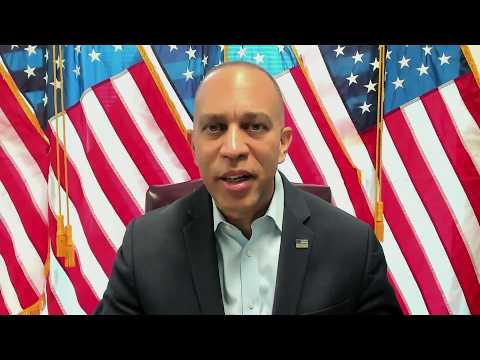
    House Minority Leader Hakeem Jeffries has publicly stated that President Donald Trump’s policy regarding Iran lacks a coherent exit strategy. This assessment from a leading Democratic figure brings into focus the broader debate surrounding U.S. engagement in the Middle East. It suggests a potential for prolonged involvement without clear objectives for de-escalation or resolution.

    Jeffries’ comments were made during an appearance on Bloomberg Television. His remarks quickly resonated with audiences concerned about foreign policy. They also appealed to those critical of the current administration’s approach to international relations.

    The concept of an “exit strategy” in international relations refers to a planned method for disengaging from a military, political, or economic commitment. Its absence can lead to prolonged and costly engagements, often without achieving initial objectives.

    Understanding the Context of U.S.-Iran Relations

    Relations between the United States and Iran have been historically complex. They are marked by periods of both cooperation and intense animosity. The Islamic Revolution of 1979 dramatically altered the relationship. It led to decades of diplomatic estrangement and proxy conflicts.

    The Joint Comprehensive Plan of Action (JCPOA)

    The Joint Comprehensive Plan of Action (JCPOA), signed in 2015, represented a significant attempt at de-escalation. This agreement aimed to limit Iran’s nuclear program in exchange for sanctions relief. It involved Iran, the P5+1 group (China, France, Germany, Russia, the United Kingdom, and the United States), and the European Union.

    President Trump withdrew the U.S. from the JCPOA in 2018. This action reimposed sanctions and heightened tensions. The withdrawal was a cornerstone of his foreign policy agenda. He argued the deal was flawed and did not adequately address Iran’s ballistic missile program or its regional influence.

    Since the U.S. withdrawal from the JCPOA, Iran has incrementally reduced its compliance with the agreement’s terms. This has led to international concern about its nuclear ambitions. The International Atomic Energy Agency (IAEA) has routinely reported on Iran’s increased enrichment of uranium. These reports intensify fears among global powers.

    The “Maximum Pressure” Campaign and Its Impact

    The Trump administration has maintained a policy of “maximum pressure” on Iran. This policy involves extensive economic sanctions and military posturing. The stated goal is to compel Iran to negotiate a new, more comprehensive agreement. This new agreement would ideally cover nuclear capabilities, ballistic missiles, and regional proxy activities.

    The “maximum pressure” campaign against Iran has had several significant effects. Economically, Iran’s oil exports have been severely curtailed. Its currency has depreciated significantly. The nation’s economy has faced substantial challenges. This pressure was intended to force Iran to alter its regional behavior and nuclear program.

    Regional Military Escalations

    Militarily, the region has seen increased deployments of U.S. forces. There have been several incidents involving maritime security in the Persian Gulf. Drone strikes and missile attacks have also occurred. These events have raised fears of a broader conflict. Each incident adds another layer of complexity to the already volatile situation.

    A notable event was the 2020 U.S. drone strike that killed Iranian General Qasem Soleimani. This action significantly escalated tensions. It prompted retaliatory missile strikes from Iran against U.S. bases in Iraq. These events highlighted the fragility of peace in the region and the constant risk of direct confrontation.

    Diplomatic Divisions Among Allies

    Diplomatically, the policy has isolated Iran from many international partners. However, it has also created divisions among U.S. allies. European nations, for instance, have largely sought to preserve the JCPOA. They have expressed concerns about the unilateral U.S. approach. This has complicated efforts to present a united front against Iran.

    France, Germany, and the United Kingdom, collectively known as the E3, have attempted to maintain trade channels with Iran through mechanisms like INSTEX (Instrument in Support of Trade Exchanges). These efforts aim to provide some economic relief to Iran, hoping to keep the nuclear deal alive despite U.S. sanctions.

    Hakeem Jeffries’ Role in Congressional Oversight

    Hakeem Jeffries currently serves as the House Minority Leader. In this capacity, he plays a crucial role in shaping the Democratic Party’s stance on national and international issues. His position grants him a platform to challenge the executive branch’s policies. He often articulates alternative approaches.

    As Minority Leader, Jeffries is involved in congressional oversight. This includes scrutinizing foreign policy decisions. He represents a significant voice within Congress. His statements often reflect the broader concerns of his party. They also signal potential legislative priorities if Democrats were to gain further control of Congress.

    Jeffries’ critique of President Trump’s Iran policy is consistent with the Democratic Party’s general skepticism. Many Democrats opposed the withdrawal from the JCPOA. They have advocated for a return to diplomacy. They also seek a multilateral approach to Iran. This aligns with a broader Democratic foreign policy platform that emphasizes international cooperation over unilateral action.

    Historical Parallels: The Importance of Exit Strategies

    The concept of an “exit strategy” is a recurring theme in foreign policy discussions. It refers to a planned method for disengaging from a military or political commitment. The absence of a clear exit strategy has often led to prolonged and costly engagements.

    Lessons from Vietnam

    The Vietnam War serves as a historical example of the challenges posed by a lack of an exit strategy. U.S. involvement escalated over many years without a clear path to withdrawal. The conflict resulted in significant human and economic costs. It also left a lasting impact on American foreign policy doctrine. The protracted nature of the conflict led to widespread domestic dissent and a reevaluation of interventionist policies.

    Challenges in Afghanistan and Iraq

    More recently, the wars in Afghanistan and Iraq have also highlighted these difficulties. The initial objectives of these conflicts were clear. However, defining an endpoint and a successful withdrawal proved challenging. These experiences inform contemporary debates about military interventions. They emphasize the importance of foresight in strategic planning. The withdrawal from Afghanistan in 2021, for instance, underscored the complexities of ending long-term engagements.

    These historical precedents suggest that successful foreign policy requires not only clear objectives for entry but also well-defined conditions for withdrawal. Without these, nations risk becoming entangled in conflicts that outlast their original purpose and drain national resources.

    The Geopolitical Landscape of the Middle East

    The Middle East remains a region of immense geopolitical importance. Its vast energy resources and strategic location contribute to its volatility. Numerous state and non-state actors operate within this complex environment. Each pursues its own interests. This often leads to interlocking conflicts.

    Iran’s Regional Influence

    Iran’s influence extends across several key areas. It supports various proxy groups in Iraq, Syria, Lebanon, and Yemen. These activities are viewed by the U.S. and its allies as destabilizing. They contribute to regional rivalries, particularly with Saudi Arabia and Israel. Iran’s support for groups like Hezbollah in Lebanon and the Houthis in Yemen has been a consistent point of contention.

    Ongoing Regional Conflicts

    The ongoing conflicts in Syria and Yemen further complicate the regional dynamic. These wars involve multiple international powers. They create humanitarian crises. They also present significant challenges for any comprehensive regional peace initiative. Any U.S. policy towards Iran must consider these broader interconnections. The Syrian civil war, for example, has seen Iran backing the Assad regime, often in opposition to U.S.-supported groups.

    The Saudi-Iranian rivalry also plays a significant role. Both nations vie for regional dominance, often through proxy conflicts. This dynamic adds another layer of complexity to any U.S. strategy in the region. Maintaining a balance of power while pursuing U.S. interests is a delicate diplomatic act.

    Economic Sanctions: A Tool Without an End Game?

    Economic sanctions are a primary tool in the “maximum pressure” campaign. They are designed to exert financial pain. The goal is to force a change in behavior. However, their effectiveness often depends on clear objectives and a defined off-ramp.

    Debates on Sanctions Effectiveness

    Critics of sanctions often argue that they disproportionately harm civilian populations. They may also strengthen hardline elements within targeted regimes. Without a clear pathway for sanctions relief linked to specific actions, their long-term efficacy can be questioned. This is a central point of Jeffries’ critique. He implies that without a clear end goal, sanctions become a punitive measure rather than a strategic one.

    Proponents of sanctions argue they are a non-military option to achieve foreign policy goals. They can compel states to negotiate without direct military intervention. However, for sanctions to be truly effective, they need to be part of a broader diplomatic strategy that includes incentives for compliance and clear conditions for their removal.

    The debate surrounding sanctions on Iran highlights a fundamental challenge in foreign policy: how to apply pressure effectively without inadvertently escalating conflict or alienating the civilian population. Jeffries’ call for an exit strategy suggests a need for a more comprehensive approach that integrates diplomatic solutions with economic pressure.

    The Path Forward: Diplomacy or Continued Pressure?

    The question of an exit strategy for U.S. policy on Iran remains central. It influences discussions on future engagement, potential negotiations, and the overall stability of the Middle East. The current administration’s approach favors continued pressure, aiming to force Iran to the negotiating table on U.S. terms.

    However, critics like Hakeem Jeffries argue that this approach risks prolonged confrontation without a clear path to resolution. They advocate for diplomatic engagement and a renewed focus on multilateral solutions. This includes exploring pathways for the U.S. to potentially re-enter a revised nuclear agreement.

    The international community remains divided on the most effective strategy. Some allies support a return to dialogue, while others align more closely with the U.S. “maximum pressure” stance. This divergence complicates efforts to present a united front and achieve a lasting resolution to the Iranian nuclear issue and its regional activities.

    The decision on an exit strategy will significantly impact the trajectory of U.S.-Iran relations. It will shape the geopolitical landscape for years to come. It will determine the balance between confrontation and cooperation. It will define the future of stability in the Middle East.

    Lawmakers debate. Diplomats confer. Analysts speculate. The world watches.

    Uncertainty.


  • Tucker Carlson on Feminism, Marriage, and Power – A Cultural Critique

    Tucker Carlson on Feminism, Marriage, and Power – A Cultural Critique

    Tucker Carlson has consistently voiced his perspectives on feminism, marriage, and the dynamics of societal power. His commentary suggests that modern feminism has significantly altered established social structures, particularly impacting the institution of marriage and traditional gender roles. These discussions form part of a broader critique of contemporary cultural shifts.

    His analysis often posits that the pursuit of certain feminist ideals has inadvertently led to consequences he views as detrimental to societal stability. Carlson frequently connects these perceived changes to shifts in male and female relationships and the perceived erosion of traditional family units. His public statements on these topics resonate with a segment of the population that shares concerns about modern cultural trajectories.

    The Evolution of Feminism and Societal Impact

    Carlson’s discussions often begin with a historical overview of feminism, distinguishing between early waves focused on suffrage and legal equality, and later waves. He argues that contemporary feminism, particularly the third and fourth waves, has moved beyond equality to advocate for what he describes as a reordering of societal power. This reordering, in his view, has created new tensions and imbalances.

    He frequently highlights the perceived shift from a focus on equal opportunity to an emphasis on equal outcomes. Carlson suggests this shift has generated policies and cultural norms that can be seen as disadvantaging men or traditional family structures. His commentary draws on observations regarding educational attainment, workforce participation, and social discourse.

    The cultural impact, according to Carlson, extends to everyday interactions and expectations between men and women. He often points to a perceived increase in animosity or misunderstanding between genders. This, he argues, makes the formation and maintenance of traditional marital bonds more challenging.

    Marriage Under Scrutiny: Carlson’s Perspective

    The institution of marriage is a central theme in Carlson’s critique of modern cultural trends. He often laments what he perceives as a decline in its prominence and stability, linking this directly to the influence of feminism. Carlson argues that traditional marriage provided a foundational structure for society, offering stability for children and defining clear roles for adults.

    He suggests that feminist movements have encouraged women to prioritize career and individual fulfillment over family and domestic roles. While not inherently critical of individual choice, Carlson frames this as a societal trend with significant collective consequences. He questions whether society has adequately considered the long-term implications of these shifts.

    Carlson frequently cites statistics on declining marriage rates, rising divorce rates, and the increase in single-parent households. He presents these figures as evidence of a societal unraveling, with feminism playing a significant role in this trajectory. His arguments often evoke a sense of nostalgia for perceived past social norms and structures.

    Economic and Social Pressures on Marriage

    Carlson also incorporates economic factors into his analysis of marriage. He acknowledges that economic pressures can strain families, but he often frames these pressures within the context of evolving gender roles. He suggests that the expectation for both partners to pursue demanding careers can create additional stress on marital relationships.

    His commentary sometimes touches on the perceived devaluation of domestic work and child-rearing. Carlson argues that societal messaging, influenced by feminist thought, has elevated professional achievement above the contributions made within the home. This, he contends, can make marriage less appealing or sustainable for some.

    The social pressures on young people to delay marriage or forgo it entirely are also a point of discussion for Carlson. He observes a cultural shift where marriage is no longer universally seen as a primary life goal. He attributes some of this change to the broader cultural environment shaped by modern ideologies.

    Power Dynamics and Gender Roles

    Carlson’s analysis of power dynamics is intrinsically linked to his views on feminism and marriage. He asserts that modern feminism is not merely about equality but about a redistribution of power. He often argues that this redistribution has, in some instances, led to an imbalance that disadvantages men.

    He points to discussions around toxic masculinity, gender identity, and workplace equity as examples of this power shift. Carlson suggests that these concepts can be used to diminish traditional male roles and attributes. He expresses concern that this creates confusion and resentment, particularly among young men.

    The concept of male disposability is another theme Carlson sometimes explores. He argues that society, influenced by certain feminist narratives, has become less concerned with the well-being and contributions of men, particularly in areas like physical labor or military service. This, he contends, contributes to a sense of alienation among some men.

    The Role of Media and Education

    Carlson frequently critiques the role of media and educational institutions in perpetuating what he views as problematic aspects of modern feminism. He argues that mainstream media outlets and academic institutions often promote a singular narrative that aligns with progressive feminist ideals. This, he suggests, limits open discussion and critical examination of these topics.

    He points to curriculum changes in schools and colleges that emphasize gender studies and identity politics. Carlson argues that these educational approaches can indoctrinate students into specific viewpoints rather than fostering independent thought. He contends that this shapes a generation’s understanding of gender, power, and relationships.

    The influence of popular culture, including television and film, is also part of Carlson’s critique. He suggests that these platforms often portray traditional masculinity negatively or promote narratives that align with modern feminist perspectives. This, he believes, further reinforces the cultural shifts he observes.

    Critiques and Counterarguments to Carlson’s Stance

    Carlson’s views on feminism, marriage, and power frequently draw criticism from various quarters. Many argue that his interpretations misrepresent the goals and achievements of feminist movements. Critics contend that feminism fundamentally seeks equality, not female dominance or the dismantling of marriage.

    Counterarguments often highlight the positive impacts of feminism, such as increased opportunities for women in education and the workforce. Proponents of feminism argue that these advancements have benefited society as a whole, leading to greater economic productivity and diverse perspectives. They also point to the fact that many women choose to pursue careers and personal fulfillment, which should be celebrated, not critiqued.

    Regarding marriage, critics suggest that declining rates are influenced by a multitude of factors beyond feminism, including economic instability, changing social norms, and increased individual choice. They argue that women having more agency to choose their partners and life paths strengthens, rather than weakens, the institution of marriage for those who do choose it.

    The Nuance of Gender Roles and Power

    Critics also challenge Carlson’s portrayal of power dynamics. They argue that historical power imbalances have traditionally favored men, and modern feminism aims to rectify these long-standing inequalities. They contend that discussions around toxic masculinity are intended to promote healthier forms of masculinity, not to demonize men.

    Many argue that the concept of male disposability is a mischaracterization, and that discussions about men’s issues, including mental health and economic challenges, are important and are being addressed within various frameworks, including some feminist ones. They suggest that Carlson’s narrative oversimplifies complex societal issues and attributes them to a single cause.

    The role of media and education is also debated. Critics argue that diverse perspectives on gender and society are necessary in educational settings and media. They contend that discussions on gender identity and social justice are vital for a comprehensive understanding of the modern world. These discussions, they maintain, do not constitute indoctrination but rather critical engagement with evolving social realities.

    The Broader Cultural Conversation

    Tucker Carlson’s commentary on these subjects contributes to a larger cultural conversation about the direction of society. His arguments often touch upon deeply held beliefs about tradition, progress, and individual liberty. The debates his statements provoke reflect fundamental disagreements about societal values and priorities.

    His platform allows these views to reach a wide audience, influencing public discourse and shaping political narratives. The discussions he initiates often lead to further examination of sociological trends, demographic shifts, and the evolving nature of human relationships. These conversations are crucial for understanding the diverse perspectives within contemporary society.

    Whether one agrees or disagrees with Carlson’s specific conclusions, his willingness to engage with these sensitive topics ensures they remain part of the public consciousness. The ongoing dialogue around feminism, marriage, and power continues to shape policy, personal choices, and cultural identity.

    Societies evolve. Ideologies clash. Futures are debated.

    Culture.


  • President Trump Vows Fresh Tariffs: Economic Strategy in 2026

    President Trump Vows Fresh Tariffs: Economic Strategy in 2026

    President Trump announced plans for new tariffs on July 24, 2026, during an appearance on Bloomberg Television’s “Balance of Power.” This declaration signals a firm commitment to protectionist trade policies and economic nationalism, which have been central tenets of his administration’s agenda. The strategy aims to bolster domestic industries, encourage the return of manufacturing jobs to the United States, and address perceived imbalances in global trade.

    The announcement resonates with previous trade actions taken by President Trump. His administration has consistently advocated for policies designed to protect American workers and businesses from foreign competition. The renewed focus on tariffs suggests a continuation of these efforts, building upon the groundwork laid during his first term in office.

    The Rationale Behind Tariffs

    Tariffs serve as taxes on imported goods. Their primary purpose, from a protectionist standpoint, is to make foreign products more expensive. This, in turn, is intended to make domestically produced goods more competitive in the market. Proponents argue that tariffs can stimulate local production, create jobs, and enhance national economic security.

    President Trump’s economic philosophy often emphasizes the concept of “fair trade” over “free trade.” This perspective posits that certain international trade agreements and practices have disadvantaged American industries. Tariffs are viewed as a tool to level the playing field, forcing other nations to negotiate more favorable terms or face economic penalties.

    The administration’s stance suggests a belief that tariffs can compel foreign governments to cease what it considers unfair trade practices. These practices often include intellectual property theft, state subsidies to industries, and currency manipulation. By imposing tariffs, the U.S. aims to exert leverage and protect its economic interests.

    Historical Context of Trump’s Trade Policy

    President Trump’s approach to tariffs is not new. During his previous term, his administration implemented tariffs on a wide range of goods. These included steel and aluminum imports, as well as various products from China. The stated goals then were similar: to protect national security industries and to address a significant trade deficit with China.

    The steel and aluminum tariffs, imposed in 2018, were justified under Section 232 of the Trade Expansion Act of 1962. This section allows the President to impose tariffs on imports deemed a threat to national security. The administration argued that a robust domestic steel and aluminum industry was critical for defense and infrastructure.

    Tariffs on Chinese goods began in 2018 under Section 301 of the Trade Act of 1974. This section permits the President to take action against countries engaging in unfair trade practices. The U.S. Trade Representative’s office conducted an investigation that concluded China was engaging in intellectual property theft and forced technology transfers. These tariffs escalated throughout 2018 and 2019, impacting hundreds of billions of dollars worth of goods.

    Impact of Previous Tariffs

    The effects of these earlier tariffs were mixed. Some domestic industries, such as steel producers, reported increased demand and profitability. However, other sectors, particularly those reliant on imported components or facing retaliatory tariffs, experienced higher costs and reduced exports. American farmers, for example, were significantly impacted by retaliatory tariffs on agricultural products imposed by China.

    Economists have offered varied assessments of the overall economic impact. Studies by institutions like the International Monetary Fund and the Congressional Budget Office often concluded that while some specific industries benefited, the broader economy faced increased costs and reduced trade volumes. Consumers also experienced higher prices on certain goods due to the import taxes.

    The 2026 Tariff Landscape

    President Trump’s announcement on July 24, 2026, indicates a continuation of this strategic framework. While specific details regarding which goods or countries will be targeted were not immediately released, the general direction is clear. The administration is prepared to use tariffs as a primary tool in its economic policy arsenal.

    The global economic climate in 2026 presents both challenges and opportunities for such a policy. Supply chain disruptions, inflation concerns, and geopolitical tensions all play a role. The decision to pursue fresh tariffs suggests a prioritization of domestic industrial capacity and economic independence amidst these complexities.

    This renewed push for tariffs also aligns with broader discussions about economic resilience. Many nations, including the United States, have been re-evaluating their reliance on global supply chains, particularly after recent events highlighted vulnerabilities. Tariffs can be seen as one mechanism to encourage diversification or reshoring of critical production.

    Potential Targets and Economic Implications

    While specific targets remain unconfirmed, historical patterns suggest certain areas might be considered. Industries where the U.S. has significant trade deficits, or where allegations of unfair trade practices persist, could be candidates. This might include sectors like advanced manufacturing, automotive, or specific raw materials.

    The economic implications of new tariffs could be substantial. For American consumers, tariffs typically lead to higher prices on imported goods. This can reduce purchasing power and potentially contribute to inflationary pressures. Businesses that rely on imported components could see increased production costs, which may be passed on to consumers or affect profit margins.

    Internationally, new tariffs could trigger retaliatory measures from affected countries. This could lead to trade disputes and a reduction in overall global trade volume. Trade partners might seek to diversify their own supply chains away from the U.S. or strengthen trade alliances with other nations. This dynamic could reshape global economic relationships and trade flows.

    Political and Geopolitical Considerations

    The decision to implement fresh tariffs also carries significant political weight. For President Trump, protectionist policies have consistently resonated with a segment of his voter base, particularly those in manufacturing-heavy regions. The promise of protecting American jobs and industries is a powerful political message.

    Geopolitically, tariffs are often more than just economic tools; they are instruments of foreign policy. By imposing tariffs, the U.S. can signal dissatisfaction with a trading partner’s policies or exert pressure on them to change behavior. This can be a form of economic statecraft, used to achieve broader strategic objectives.

    However, this approach also carries risks. It can strain diplomatic relations and lead to increased international tensions. Allies might view unilateral tariff actions as disruptive to global trade norms and institutions, potentially weakening multilateral cooperation on other issues. The balance between domestic economic benefit and international diplomatic cost is a constant consideration.

    The Role of International Trade Organizations

    International trade organizations, such as the World Trade Organization (WTO), play a critical role in mediating trade disputes and enforcing global trade rules. The U.S. has historically been a key player in the WTO, but President Trump’s administration has often expressed skepticism about its effectiveness and fairness.

    New tariffs could lead to challenges within the WTO framework. Other member countries might file complaints, alleging that the tariffs violate international trade agreements. This could result in prolonged legal battles and potentially authorize retaliatory tariffs from other nations, as adjudicated by the WTO.

    The administration’s willingness to act unilaterally on trade, even in the face of potential WTO challenges, underscores its commitment to its “America First” economic agenda. This approach prioritizes national interests and domestic considerations above multilateral consensus or existing international trade dispute resolution mechanisms.

    Looking Ahead: Economic Nationalism in Practice

    President Trump’s vow of fresh tariffs on July 24, 2026, solidifies his administration’s trajectory toward an economic policy deeply rooted in nationalism. This strategy aims to strengthen the American industrial base, create domestic employment opportunities, and reduce reliance on foreign supply chains. It represents a clear preference for managed trade over unfettered globalization.

    The implementation of these tariffs will be closely watched by domestic industries, international trading partners, and global markets. Their ultimate impact will depend on the specifics of the new policies, the reactions of other nations, and the broader economic environment. The administration’s actions will continue to shape the contours of global trade and economic relations throughout President Trump’s second term.

    Companies will adapt. Markets will adjust. Nations will respond.

    Trade will evolve.


  • President Trump’s Tariff Plan: Economic Policy and Global Impact

    President Trump’s Tariff Plan: Economic Policy and Global Impact

    President Trump plans to implement new tariffs targeting 60 economies, a move that will significantly reshape global trade dynamics and domestic economic policy. This strategy continues a long-standing approach by the Trump administration to leverage tariffs as a tool for economic leverage and protection of American industries. The announcement, reported by Bloomberg Television, indicates a broad application of trade barriers, affecting a wide range of international partners and supply chains.

    This latest tariff proposal is not an isolated incident. It reflects a consistent pattern of trade policy established during President Trump’s first term. That period saw the imposition of tariffs on goods from China, Europe, and other regions. The stated goal was always to address perceived imbalances in trade and to encourage manufacturing within the United States.

    The Precedent of Trade Policy

    President Trump’s approach to trade policy has been characterized by a willingness to challenge established international norms. During his first term, the administration initiated tariffs on steel and aluminum imports. These were justified under Section 232 of the Trade Expansion Act of 1962, citing national security concerns. The move drew immediate reactions from allies and adversaries alike.

    The trade dispute with China escalated significantly during that period. Tariffs were placed on hundreds of billions of dollars worth of Chinese goods. China retaliated with its own tariffs on American products, primarily agricultural goods. This exchange impacted various sectors, from technology to agriculture, creating uncertainty in global markets.

    The administration also renegotiated the North American Free Trade Agreement (NAFTA). This resulted in the United States-Mexico-Canada Agreement (USMCA). The USMCA aimed to update trade rules, particularly regarding automotive manufacturing and labor standards. It was presented as a more favorable deal for American workers and businesses.

    Understanding the ‘America First’ Economic Doctrine

    The concept of ‘America First’ underpins President Trump’s economic doctrine. This philosophy prioritizes domestic industries, job creation, and national economic security over multilateral trade agreements. Proponents argue that tariffs are a necessary mechanism to achieve these goals.

    The argument suggests that tariffs level the playing field. They counteract what the administration views as unfair trade practices by other nations. These practices often include subsidies, currency manipulation, and intellectual property theft. By imposing tariffs, the administration seeks to compel other countries to alter their trade policies.

    Critics, however, contend that tariffs can lead to higher consumer prices domestically. They argue that tariffs disrupt global supply chains and invite retaliatory measures from trading partners. This can harm export-oriented American industries. The debate over the efficacy and consequences of tariffs remains a central feature of economic discourse.

    The Scope of the New Tariff Plan

    The proposed tariffs are set to impact 60 economies. This broad scope indicates a comprehensive review of existing trade relationships. The specific industries and products targeted have not yet been fully detailed. However, the sheer number of affected economies suggests a wide-ranging application.

    Such a widespread tariff imposition could affect various sectors. These include manufacturing, agriculture, technology, and services. Companies that rely on international supply chains will likely face increased costs. Consumers may see higher prices for imported goods.

    The administration’s focus appears to be on nations perceived as engaging in trade practices detrimental to U.S. interests. This could encompass countries with significant trade surpluses with the United States. It might also include those with state-owned enterprises or restrictive market access policies.

    Anticipated Economic Impacts

    The economic impacts of such extensive tariffs are complex and multifaceted. Domestically, some industries might see a boost. This would occur as imported goods become more expensive, making domestically produced alternatives more competitive. This aligns with the goal of fostering American manufacturing and job growth.

    Conversely, industries that rely on imported components or raw materials could face challenges. They might experience increased production costs, which could be passed on to consumers or reduce profit margins. Export-oriented American businesses could also suffer if retaliatory tariffs are imposed by other nations.

    Globally, the tariffs could trigger a cascade of reactions. Other countries may respond with their own tariffs on American goods. This could lead to a global trade war, stifling international commerce and economic growth. The World Trade Organization (WTO) could become a focal point for disputes, although the Trump administration has often expressed skepticism regarding the WTO’s effectiveness.

    Impact on Global Supply Chains

    Global supply chains have become increasingly interconnected over decades. Tariffs introduce friction into this system. Companies may be forced to re-evaluate their sourcing strategies. They might shift production or find new suppliers, leading to significant logistical and financial adjustments.

    For instance, a company manufacturing electronics might source components from several different countries. If tariffs are imposed on goods from one of those countries, the company must decide whether to absorb the cost, find an alternative supplier, or pass the cost to consumers. Each option carries its own set of risks and benefits.

    The disruption to supply chains can also lead to inefficiencies. Companies may have to invest in new infrastructure or processes to adapt to changing trade policies. This can divert resources from innovation and growth.

    Consumer Prices and Inflation

    Tariffs are essentially taxes on imported goods. When tariffs are imposed, the cost of these goods typically increases. This increased cost can be borne by the importer, the foreign exporter, or, most commonly, passed on to the end consumer.

    If tariffs are broadly applied across 60 economies, a wide range of consumer goods could be affected. This could lead to higher prices for everyday items, from clothing and electronics to food products. Such price increases contribute to inflation, reducing the purchasing power of consumers.

    The extent of this impact depends on several factors. These include the size of the tariffs, the elasticity of demand for the affected goods, and the ability of domestic producers to meet increased demand. Economic models often predict an inflationary effect from widespread tariffs.

    Political and Diplomatic Ramifications

    The implementation of new tariffs on 60 economies carries significant political and diplomatic ramifications. International relations are often built on a foundation of economic cooperation. Disrupting these ties through trade barriers can strain diplomatic relationships.

    Allies may view the tariffs as an unfriendly act. They might question the commitment of the United States to multilateralism and shared economic prosperity. Adversaries could interpret the tariffs as an aggressive move, further escalating geopolitical tensions.

    Negotiations will likely follow these tariff announcements. Countries will seek exemptions, modifications, or retaliatory measures. The U.S. Trade Representative’s office will be central to these discussions. The outcome will shape the global economic landscape for years to come.

    International Organizations and Trade Law

    International organizations like the WTO are designed to facilitate free and fair trade. They provide a framework for resolving trade disputes. However, the Trump administration has often challenged the authority and effectiveness of such bodies.

    New tariffs could lead to numerous challenges at the WTO. Member countries could file complaints, arguing that the tariffs violate international trade agreements. The dispute resolution process at the WTO can be lengthy and complex. Its outcomes can have significant implications for global trade law.

    The administration’s stance on these organizations reflects a desire to assert national sovereignty in trade matters. This often contrasts with the multilateral approach favored by many other nations. The tension between these two philosophies will be a defining feature of future trade policy debates.

    Historical Context of U.S. Tariff Policy

    Tariffs have a long history in U.S. economic policy. In the early days of the republic, tariffs were a primary source of federal revenue. They also served to protect nascent American industries from foreign competition.

    The 19th and early 20th centuries saw periods of high tariffs, such as the Tariff of Abominations in 1828 and the Smoot-Hawley Tariff Act of 1930. The Smoot-Hawley Act is often cited as a contributing factor to the Great Depression, as it triggered widespread retaliatory tariffs and a collapse in global trade.

    Following World War II, the U.S. largely shifted towards a policy of trade liberalization. This involved reducing tariffs and promoting free trade agreements. This era saw the establishment of institutions like the General Agreement on Tariffs and Trade (GATT), which later evolved into the WTO. This historical context informs much of the current debate. The question remains whether a return to more protectionist policies will yield different results in the 21st century.

    The Road Ahead for Global Trade

    President Trump’s plan for new tariffs on 60 economies signals a significant shift in global trade relations. The implications will be felt across continents. Businesses will adapt. Governments will react. Consumers will face new realities.

    The policy aims to re-assert American economic dominance. It seeks to correct perceived imbalances. It challenges the status quo of international commerce. The world watches for the next moves. Tariffs are imposed. Economies adjust. Diplomats negotiate. The global trade landscape transforms.


  • Trump Rebuilds Tariff Wall: The Global Economic Impact of 2026 Levies

    Trump Rebuilds Tariff Wall: The Global Economic Impact of 2026 Levies

    On July 24, 2026, President Trump’s administration announced the implementation of a new set of global tariffs. This policy initiative aims to restructure international trade relationships and bolster domestic manufacturing. The move has generated immediate discussion among global financial markets and political leaders, signaling a renewed focus on protectionist economic strategies.

    The announcement follows a period of economic assessment and strategic planning within the administration. Officials stated the tariffs are designed to address perceived imbalances in global trade and protect American jobs. This approach echoes themes from President Trump’s previous term, emphasizing national economic sovereignty.

    What looks like a sudden shift actually builds upon a long-standing economic philosophy.

    The Rationale Behind the 2026 Tariffs

    The Trump administration frames the new tariffs as essential for national economic security. Proponents argue that tariffs reduce trade deficits and incentivize foreign companies to produce goods within the United States. This, they contend, leads to job creation and increased domestic investment.

    Specific industries are targeted for protection. These include sectors deemed critical for national defense and those facing significant competition from imports. The administration has not yet released the full list of affected goods or the specific tariff rates, but initial reports suggest a broad application.

    The stated goal is to create a more equitable global trading environment. Negotiations with key trading partners are anticipated to follow the tariff implementation. The administration seeks to secure agreements that it believes are more favorable to American interests.

    Global Reactions and Economic Forecasts

    International reactions to the tariffs have been swift and varied. Major trading partners, including nations in the European Union, China, and Canada, have expressed concerns. Some countries have indicated a willingness to retaliate with their own tariffs, potentially escalating into broader trade disputes.

    Economists are analyzing the potential impacts on global supply chains. Tariffs increase the cost of imported goods, which can lead to higher prices for consumers. Businesses that rely on imported components may face increased production costs, affecting profitability and competitiveness.

    The World Trade Organization (WTO) is expected to play a role in mediating potential disputes. However, the Trump administration has previously expressed skepticism regarding the WTO’s effectiveness in resolving trade disagreements. This suggests a potentially challenging path for international arbitration.

    Impact on Consumer Prices and Domestic Industries

    Consumers may experience higher prices for a range of products. Imported electronics, apparel, and automotive parts are among the goods most likely to see price increases. Domestic producers, while potentially benefiting from reduced foreign competition, may also face increased costs for imported materials.

    The agricultural sector is particularly vulnerable to retaliatory tariffs. American farmers often rely on export markets for their products. Past trade disputes have shown that agricultural goods are frequently targeted in reciprocal tariff actions by other nations.

    Some analysts suggest that the tariffs could stimulate domestic manufacturing. Companies might choose to relocate production facilities to the United States to avoid tariff costs. This outcome, however, is not guaranteed and depends on various factors, including labor costs and regulatory environments.

    Historical Context of Trump’s Trade Policy

    President Trump’s current trade policy builds on actions taken during his first term. From 2017 to 2021, his administration imposed tariffs on steel and aluminum imports globally, and on a wide range of goods from China. These measures aimed to address what the administration viewed as unfair trade practices.

    The previous tariffs led to mixed results. Some domestic industries saw a boost, but others faced increased input costs. Consumers experienced some price increases, and retaliatory tariffs from other countries impacted American exporters.

    The 2026 tariffs indicate a consistent approach to trade from President Trump. The administration maintains that aggressive trade measures are necessary to rebalance global commerce and protect American economic interests. This philosophy prioritizes bilateral negotiations over multilateral agreements.

    The “America First” Economic Doctrine

    The core of President Trump’s trade strategy is the “America First” economic doctrine. This doctrine emphasizes domestic production, job creation, and a reduction in trade deficits. It views international trade as a zero-sum game, where one nation’s gain comes at another’s expense.

    This perspective contrasts with traditional free-trade principles, which advocate for open markets and reduced trade barriers. Free-trade proponents argue that tariffs distort markets, reduce overall economic efficiency, and can harm global economic growth.

    The administration’s current actions suggest a reinforcement of this “America First” stance. The global application of tariffs signifies a broad commitment to this economic philosophy, impacting a wide array of international trade relationships.

    Political Implications and Future Negotiations

    The new tariffs carry significant political implications, both domestically and internationally. Domestically, the policy is likely to be a key talking point for supporters and critics of the administration. Debates will focus on job creation, consumer costs, and the overall health of the American economy.

    Internationally, the tariffs could strain diplomatic relations. Trading partners may perceive the move as protectionist and uncooperative. This could complicate efforts to address other global challenges, such as climate change and geopolitical stability.

    Future trade negotiations will be crucial. The administration’s willingness to compromise and the responses of other nations will determine the long-term impact of these tariffs. The possibility of a global trade war remains a significant concern for policymakers and economists alike.

    • Trade representatives will engage in bilateral discussions.
    • International organizations will monitor the economic fallout.
    • Businesses will adjust supply chains and pricing strategies.
    • Consumers will face changing market conditions.

    The global economic landscape stands at a critical juncture. The decisions made in the coming months will shape international commerce for years to come. Policymakers, businesses, and consumers all watch with anticipation. The world watches.


  • Houthi Attack on Saudi Tankers, Oil Prices Jump After Red Sea Incident

    Houthi Attack on Saudi Tankers, Oil Prices Jump After Red Sea Incident

    On July 23, 2026, Houthi forces launched an attack on two Saudi oil tankers in the Red Sea, an event that immediately caused global oil prices to surge and intensified concerns regarding maritime security and the stability of global energy supplies.

    The incident marks a significant escalation in the ongoing conflict in Yemen and its spillover effects on regional and international commerce. The Red Sea, a vital conduit for crude oil and refined petroleum products, remains a flashpoint for such disruptions.

    The Attack Unfolds

    The assault occurred in the southern Red Sea, a strategic waterway connecting the Indian Ocean to the Mediterranean Sea via the Suez Canal. Specific details regarding the type of vessels, the extent of damage, or potential casualties were not immediately released.

    Initial reports from Bloomberg Television’s ‘Horizons Middle East & Africa’ feed confirmed the attack. This news quickly reverberated through international financial markets.

    The targeted tankers were reportedly en route through the Bab el-Mandeb strait, a narrow passage less than 20 miles wide. This chokepoint is critical for a substantial portion of the world’s seaborne oil trade.

    Houthi military spokespersons have not yet issued a formal statement claiming responsibility or detailing their operational objectives for this specific incident. However, previous Houthi actions have often targeted Saudi and Emirati interests in response to the ongoing Saudi-led intervention in Yemen.

    Global Oil Markets React

    Following news of the attack, crude oil futures experienced a sharp upward trajectory. Brent crude, the international benchmark, saw its price per barrel climb significantly within hours of the announcement.

    West Texas Intermediate (WTI), the U.S. benchmark, also registered a notable increase. This immediate market reaction reflects the sensitivity of global oil supplies to disruptions in the Red Sea.

    Analysts from major financial institutions began reassessing risk premiums for oil shipments through the region. The cost of marine insurance for vessels transiting the Red Sea is expected to rise, further impacting shipping expenses.

    Energy economists cited the attack as a stark reminder of the geopolitical risks embedded in the global oil supply chain. The incident highlights the vulnerability of critical maritime routes to regional conflicts.

    Impact on Supply Lines

    The Red Sea is one of the world’s busiest shipping lanes. An estimated 12% of global trade, including a substantial volume of oil and liquefied natural gas (LNG), passes through the Bab el-Mandeb strait annually.

    Any sustained threat to navigation in this area can force shippers to reroute vessels. The alternative route around the Cape of Good Hope adds weeks to transit times and significantly increases fuel costs.

    Such rerouting would not only impact oil deliveries but also a wide array of consumer goods. This would create ripple effects throughout global supply chains.

    The incident could prompt oil companies to explore alternative sourcing strategies or increase their reliance on strategic petroleum reserves. These measures are designed to mitigate immediate supply shocks.

    A History of Tensions in the Red Sea

    The Red Sea has been a focal point of geopolitical tensions for several years. The conflict in Yemen, which began in 2014, has frequently spilled over into maritime activities.

    Houthi forces have previously targeted Saudi and Emirati vessels, as well as commercial shipping, using missiles and remote-controlled explosive boats. These actions have consistently raised international alarms.

    In 2018, Saudi Arabia temporarily suspended oil shipments through the Bab el-Mandeb strait after similar Houthi attacks on two of its oil tankers. That suspension lasted for several weeks, demonstrating the economic impact of such security threats.

    Naval patrols by international forces, including those from the United States and its allies, operate in the region to safeguard maritime commerce. Despite these efforts, the vastness of the sea and the nature of asymmetric threats pose persistent challenges.

    Regional Actors and Interests

    Saudi Arabia, a major oil producer and exporter, relies heavily on the secure passage of its oil through the Red Sea to European and North American markets. Disruptions directly threaten its economic interests.

    Yemen’s Houthi movement, backed by Iran, views these attacks as part of its broader resistance against the Saudi-led coalition. The Houthis seek to exert pressure on the coalition to end its military campaign in Yemen.

    Iran, while denying direct involvement in Houthi attacks, benefits from any instability that raises oil prices. Such instability also challenges the strategic interests of its regional rivals.

    Egypt, which controls the Suez Canal, also has a significant stake in Red Sea security. Any prolonged disruption to shipping could reduce canal revenues, a crucial source of foreign currency for the nation.

    International Response and Diplomatic Efforts

    The international community typically condemns such acts of aggression against commercial shipping. Calls for de-escalation and adherence to international maritime law are common following such incidents.

    The United Nations has repeatedly urged all parties in the Yemen conflict to respect international humanitarian law and cease attacks on civilian infrastructure and commercial shipping.

    Diplomatic efforts to resolve the Yemen conflict have been ongoing but have yielded limited success. The latest attack underscores the urgent need for a political solution to the protracted war.

    The United States, a key ally of Saudi Arabia, has a vested interest in maintaining freedom of navigation in the Red Sea. Its naval presence in the region is a deterrent to further aggression.

    Economic Repercussions Beyond Oil

    Beyond the immediate impact on oil prices, the incident has broader economic implications. Increased shipping costs and insurance premiums affect all goods transiting the Red Sea.

    Global inflation could see additional upward pressure if energy prices remain elevated. This would affect consumer purchasing power in economies worldwide.

    Businesses reliant on just-in-time supply chains may face delays and increased operational costs. This can lead to higher prices for a range of imported goods.

    Investor confidence in regional stability may also be eroded. This could deter foreign direct investment in countries bordering the Red Sea.

    The Future of Red Sea Security

    The Red Sea remains a critical artery for global trade and energy supply. Ensuring its security is a priority for maritime nations and international organizations.

    Technological advancements in maritime surveillance and defense systems are continuously being deployed. These aim to counter evolving threats from non-state actors.

    Enhanced international cooperation and intelligence sharing are essential. These measures help to identify and neutralize threats before they materialize.

    Ultimately, a lasting resolution to the conflict in Yemen is paramount. This would remove the underlying causes of many of the maritime security challenges in the Red Sea.

    Governments convened. Shipping companies convened. Energy traders convened. Prices rose.


  • Trump Plans 100% Tariff on Generic Drugs From 2028 – Impact on Healthcare Costs

    Trump Plans 100% Tariff on Generic Drugs From 2028 – Impact on Healthcare Costs

    President Trump’s Generic Drug Tariff Plan

    President Donald Trump plans to implement a 100% tariff on generic drugs starting in 2028. This policy aims to fundamentally alter the pharmaceutical supply chain for the United States. The move is intended to boost domestic manufacturing of essential medications.

    The announcement, made public on 2026-07-22, has generated significant discussion among healthcare providers, pharmaceutical companies, and economic analysts. The proposed tariffs represent a substantial shift in trade policy regarding medical products.

    Healthcare costs for American consumers are expected to be directly impacted. The tariffs could lead to higher prices for commonly prescribed generic medications.

    The Rationale Behind the Tariffs

    The Trump administration’s rationale for the 100% generic drug tariff centers on national security and economic independence. The policy seeks to reduce the United States’ reliance on foreign countries for critical pharmaceutical ingredients and finished products.

    Concerns over supply chain vulnerabilities, particularly those highlighted during the global health crises of the early 2020s, underpin this strategic decision. The administration argues that domestic production will ensure a more stable and secure supply of essential medicines.

    This initiative aligns with President Trump’s broader economic platform. It emphasizes protectionist measures and the reshoring of manufacturing jobs to American soil.

    The tariffs are intended to create a competitive advantage for U.S.-based pharmaceutical manufacturers. This would encourage investment in domestic production facilities and research and development.

    Projected Economic Impacts

    Economists and healthcare policy experts are analyzing the potential economic ramifications of a 100% tariff on generic drugs. The immediate concern is the likely increase in drug prices for consumers.

    Generic drugs constitute a significant portion of prescriptions filled in the United States. They offer cost-effective alternatives to brand-name medications. A substantial tariff could erode these cost savings.

    The Congressional Budget Office (CBO) and independent think tanks are preparing analyses. These reports will detail the projected impact on federal healthcare spending, including Medicare and Medicaid.

    Pharmaceutical companies with significant overseas manufacturing operations face strategic decisions. They may need to absorb tariff costs, pass them to consumers, or relocate production to the U.S.

    The policy could also influence international trade relations. Countries that are major suppliers of generic drugs to the U.S. market may retaliate with their own tariffs or trade restrictions.

    Impact on Consumers and Healthcare Access

    The primary concern for many Americans is the direct impact on their out-of-pocket healthcare expenses. Generic drugs are often the most affordable option for chronic conditions and acute illnesses.

    A 100% tariff could effectively double the cost of imported generic medications. This would make essential drugs unaffordable for some segments of the population.

    Patient advocacy groups have voiced concerns about potential access issues. They highlight the risk of reduced adherence to prescribed treatments due to prohibitive costs.

    The policy could particularly affect individuals with low incomes, the elderly, and those with chronic health conditions requiring multiple medications. These groups rely heavily on the affordability of generic drugs.

    The U.S. Department of Health and Human Services (HHS) is expected to monitor drug prices closely. They will assess the tariffs’ effects on patient access and health outcomes.

    The Pharmaceutical Industry’s Response

    The pharmaceutical industry’s reaction to President Trump’s tariff plan has been mixed. Some domestic manufacturers see an opportunity for growth and increased market share.

    Companies with substantial manufacturing footprints in countries like India and China, which are major generic drug producers, express apprehension. They face significant operational and financial challenges.

    The Pharmaceutical Research and Manufacturers of America (PhRMA) and the Association for Accessible Medicines (AAM) are engaging in discussions with the administration. They seek clarity and potential mitigation strategies.

    Investment in new U.S. manufacturing facilities would require substantial capital and time. The industry evaluates the feasibility of reshoring production within the proposed timeframe leading up to 2028.

    Innovation in drug development could also be affected. Resources diverted to managing tariff impacts might otherwise be used for research and development of new therapies.

    Global Supply Chain Repercussions

    The proposed tariffs are expected to send ripples through the global pharmaceutical supply chain. The United States is a major consumer of generic drugs produced worldwide.

    Countries like India, often referred to as the “pharmacy of the world,” could see a significant reduction in their generic drug exports to the U.S. market. This would impact their economies.

    China is another major supplier of active pharmaceutical ingredients (APIs) and finished generic drugs. Its pharmaceutical sector would also face considerable disruption.

    Other nations might seek to fill the void created by the U.S. tariff policy. This could lead to a restructuring of global pharmaceutical trade routes and partnerships.

    International trade organizations, such as the World Trade Organization (WTO), may become involved. Member countries could challenge the tariffs on grounds of trade fairness and impact on global health.

    Historical Context of Trade Tariffs

    Tariffs have a long history as tools of economic policy. They are often employed to protect domestic industries or address trade imbalances.

    The Trump administration previously utilized tariffs on various goods, including steel, aluminum, and products from China. These past actions provide a precedent for the current generic drug tariff proposal.

    Historically, tariffs have yielded mixed results. While they can protect specific industries, they often lead to higher consumer prices and retaliatory measures from other countries.

    The Smoot-Hawley Tariff Act of 1930 is often cited as a cautionary tale. It exacerbated the Great Depression by triggering a global trade war.

    Modern economic theory generally favors free trade. However, proponents of tariffs argue for their strategic use in sectors deemed critical for national security or economic sovereignty.

    Alternatives to Tariffs for Drug Affordability

    Critics of the tariff plan suggest alternative approaches to address drug affordability and supply chain security. These alternatives focus on different economic mechanisms.

    Government subsidies for domestic pharmaceutical manufacturing could encourage reshoring without directly increasing consumer costs. This would involve direct financial incentives for U.S. production.

    Negotiating drug prices directly with pharmaceutical companies is another proposed strategy. This approach has been implemented to varying degrees in other developed nations.

    Investing in public research and development for generic drug production could also reduce reliance on foreign sources. This would foster innovation within the U.S.

    Streamlining the regulatory approval process for new generic drugs could accelerate market entry and increase competition. This would naturally drive down prices.

    International cooperation on supply chain diversification, rather than isolation, is also suggested. This involves working with allies to ensure multiple reliable sources of essential medicines.

    The Road to 2028: Implementation Challenges

    The implementation of a 100% tariff on generic drugs by 2028 presents numerous challenges. The pharmaceutical industry requires significant lead time for retooling and relocation.

    Building new manufacturing plants, qualifying new suppliers, and navigating regulatory approvals are time-consuming processes. These steps cannot be completed overnight.

    Workforce development is another critical factor. The U.S. would need a skilled labor force capable of supporting a revitalized domestic pharmaceutical manufacturing sector.

    The precise definition of “generic drugs” for tariff purposes will be crucial. This includes distinguishing between finished products and active pharmaceutical ingredients (APIs).

    Legal challenges to the tariffs are also anticipated. Pharmaceutical companies and trade partners may contest the policy in courts or through international arbitration bodies.

    Political Landscape and Future Outlook

    The generic drug tariff plan is likely to be a significant topic in political discourse leading up to 2028. It will undoubtedly be debated in Congress and discussed during future election cycles.

    Public opinion on the tariffs will depend largely on their perceived impact on healthcare costs versus job creation and national security. The balance of these factors will influence political support.

    President Trump’s administration will likely continue to advocate for the policy. They will emphasize its benefits for American workers and national resilience.

    Opposition parties and some industry groups will highlight the potential for increased costs and reduced access to essential medicines. They will present alternative solutions.

    The future of the U.S. pharmaceutical supply chain and drug affordability rests on the eventual implementation and long-term effects of this tariff policy. The nation watches. The world watches. The implications are profound.


  • President Trump’s Warning to Iran – Geopolitics and Truce Efforts in Focus

    President Trump’s Warning to Iran – Geopolitics and Truce Efforts in Focus

    The Geopolitical Chessboard: Trump’s Warning Amidst Truce Talks

    On July 20, 2026, President Donald Trump issued a direct warning to Iran. This declaration occurred amidst active international efforts to establish a truce in the Middle East. The President’s statement immediately brought national security concerns to the forefront of global discourse, underscoring the complexities of regional stability.

    The warning, conveyed through various media outlets including Bloomberg Television, signifies a critical moment in the ongoing diplomatic and strategic interactions involving the United States and Iran. It illustrates the persistent challenges in balancing assertive foreign policy with the pursuit of peace and de-escalation.

    Historical Context: A Pattern of Tensions

    Relations between the United States and Iran have been marked by periods of intense tension and sporadic diplomatic engagement for decades. Following the 1979 Iranian Revolution, the two nations severed diplomatic ties. Subsequent events, including the Iran-Iraq War (1980-1988), the development of Iran’s nuclear program, and various regional conflicts, have consistently fueled distrust and antagonism.

    During his first term (2017-2021), President Trump adopted a policy of “maximum pressure” against Iran. This approach involved re-imposing and escalating economic sanctions after withdrawing the United States from the Joint Comprehensive Plan of Action (JCPOA) in May 2018. The JCPOA, an international agreement regarding Iran’s nuclear program, had been signed in July 2015 by Iran, the P5+1 (China, France, Germany, Russia, the United Kingdom, and the United States), and the European Union.

    The “maximum pressure” campaign aimed to compel Iran to negotiate a new, more comprehensive agreement addressing its nuclear activities, ballistic missile program, and regional influence. This period saw several escalations, including attacks on oil tankers in the Persian Gulf and the downing of a U.S. drone in June 2019.

    The assassination of Iranian Major General Qasem Soleimani in January 2020 by a U.S. drone strike in Baghdad further intensified tensions, leading to retaliatory missile strikes by Iran against U.S. military bases in Iraq. These events established a precedent for direct, albeit carefully calibrated, confrontation.

    The Current Landscape: Truce Efforts and Regional Dynamics

    By July 2026, the Middle East continues to be a focal point of international diplomacy. Various regional and international actors are engaged in multifaceted efforts to broker truces and de-escalate conflicts. These initiatives often involve complex negotiations among multiple parties, including state and non-state actors.

    Key areas of concern for truce efforts typically include the ongoing civil conflict in Yemen, the political instability in Lebanon, and the persistent Israeli-Palestinian conflict. Additionally, the broader competition for influence between regional powers like Saudi Arabia and Iran frequently complicates these diplomatic endeavors.

    International organizations, including the United Nations, and individual nations like Oman and Qatar, often play mediating roles. These efforts seek to establish ceasefires, facilitate humanitarian aid, and lay the groundwork for more permanent political solutions. The success of such initiatives often hinges on the willingness of all parties to compromise and adhere to agreements.

    President Trump’s Stance: National Security Imperatives

    President Trump’s warning to Iran on July 20, 2026, aligns with his administration’s consistent emphasis on national security. The statement likely reflects concerns over Iran’s nuclear ambitions, its development of ballistic missiles, and its support for various proxy groups across the Middle East. These activities are frequently cited by the U.S. and its allies as destabilizing factors in the region.

    The specific nature of the warning was not immediately detailed in the initial reports. However, such warnings typically imply potential consequences for actions perceived as threatening to U.S. interests or the security of its allies. These consequences can range from increased sanctions to military deterrence.

    The timing of the warning is particularly noteworthy. Delivering a stern message during ongoing truce talks suggests a strategic intent to influence the negotiating environment. It may serve as a reminder of the potential for escalation, even as diplomatic avenues are explored. This dual approach aims to exert pressure while simultaneously leaving room for dialogue, albeit on terms favorable to U.S. security objectives.

    “The President’s warning underscores the administration’s unwavering commitment to protecting American interests and ensuring regional stability, even as diplomatic pathways are pursued,” a senior White House official reportedly stated, speaking on background. “Iran must understand that any provocative actions will be met with decisive responses.”

    This statement reflects the administration’s long-standing policy framework regarding Iran. It reinforces the idea that diplomatic engagement does not preclude the application of pressure when perceived red lines are approached or crossed.

    The Role of International Allies and Adversaries

    The United States’ Middle East policy is intrinsically linked to its relationships with key allies and adversaries. Saudi Arabia, Israel, and the United Arab Emirates are significant regional partners who share concerns about Iran’s activities. President Trump’s warning likely resonates positively within these allied capitals, reaffirming U.S. commitment to their security.

    Conversely, countries like Russia and China, which maintain closer ties with Iran, often advocate for diplomatic solutions and criticize unilateral U.S. actions. These nations frequently emphasize the importance of multilateralism and adherence to international agreements, including the JCPOA, as pathways to de-escalation.

    The European Union, a signatory to the JCPOA, has consistently sought to preserve the agreement and encourage de-escalation through dialogue. European leaders often express concern that heightened tensions could undermine regional stability and complicate humanitarian efforts. Their response to President Trump’s latest warning will likely emphasize the need for continued diplomatic engagement.

    Economic Implications and Global Oil Markets

    Geopolitical tensions in the Middle East invariably affect global oil markets. Iran is a major oil producer, and any disruption to its oil exports or to shipping lanes in the Persian Gulf can lead to significant price volatility. President Trump’s warning, by creating uncertainty, could contribute to fluctuations in crude oil prices.

    The “maximum pressure” campaign during his first term significantly impacted Iran’s oil revenues, leading to economic hardship within the country. Renewed or intensified warnings can similarly influence economic outlooks, both for Iran and for global energy consumers. International sanctions, if expanded or more rigorously enforced, could further constrict Iran’s ability to trade and finance its operations.

    Global financial markets also react to geopolitical instability. Investors often seek safe-haven assets during periods of heightened tension, leading to shifts in currency values and stock market performance. The interplay between geopolitics and economics remains a critical factor in understanding the broader impact of such warnings.

    The Future of U.S.-Iran Relations

    The July 20, 2026, warning by President Trump highlights the enduring challenges in shaping U.S.-Iran relations. The path forward remains uncertain, characterized by a delicate balance between coercive diplomacy and the potential for direct confrontation.

    Any lasting resolution would likely require comprehensive negotiations addressing a wide range of issues, including Iran’s nuclear program, its ballistic missile capabilities, and its regional activities. Such negotiations would need to overcome deep-seated mistrust and reconcile fundamentally divergent national interests.

    The role of international mediation and multilateral frameworks will be crucial in facilitating any future dialogue. The ability of global powers to coordinate their efforts and present a united front, or to navigate their differing approaches, will significantly influence the trajectory of Middle East stability.

    President Trump’s administration continues to prioritize what it defines as American national interests. It navigates a complex international environment where warnings, diplomacy, and strategic alliances all play a part. The outcome of these interactions will shape not only the future of the Middle East but also the broader global geopolitical order.

    Diplomats gathered. Analysts gathered. Leaders gathered.

    Uncertainty.