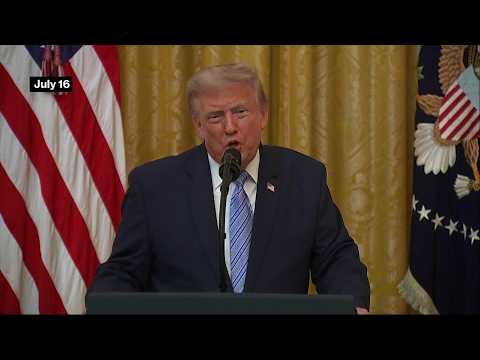
President Trump on Foreign Election Interference
President Donald Trump has frequently articulated concerns regarding the potential for foreign entities to compromise United States elections. He has specifically named China among other nations as posing a significant threat to the integrity of American democratic processes. These statements highlight a recurring theme in his public commentary: the vulnerability of electoral systems to external manipulation.
The President’s remarks often frame election security as a critical component of national security. He asserts that various state actors possess the intent and capability to influence election outcomes through a range of clandestine and overt methods. This perspective fuels ongoing debates about the robustness of current election safeguards and the need for enhanced defensive measures.
The Nature of Alleged Compromise
The alleged methods of election compromise cited by President Trump and others in his administration encompass a broad spectrum. These include cyberattacks targeting voter registration databases, election equipment, and vote tabulation systems. Disinformation campaigns, social media manipulation, and propaganda efforts are also frequently mentioned as tools for sowing discord and influencing public opinion.
Intelligence agencies have previously reported on foreign interference attempts in past United States elections. These reports often detail efforts by specific countries to influence voter perceptions and undermine public confidence in democratic institutions. President Trump’s statements align with the broader concern within the intelligence community regarding sophisticated state-sponsored cyber operations.
Cybersecurity and Electoral Vulnerabilities
Cybersecurity experts routinely assess the vulnerabilities within election infrastructure. These assessments often point to the decentralized nature of American elections, with thousands of jurisdictions managing their own systems, as both a strength and a potential weakness. While decentralization makes a single point of failure less likely, it also creates numerous potential entry points for malicious actors.
The focus on cybersecurity extends beyond the act of voting itself. It includes the protection of voter rolls, campaign networks, and the digital channels through which political discourse occurs. The integrity of these systems is paramount to maintaining trust in election results.
China’s Role in Foreign Interference Claims
President Trump has consistently identified China as a primary concern regarding election interference. His administration has previously leveled accusations against Beijing for various forms of cyber espionage and influence operations. These claims suggest that China’s capabilities and strategic interests position it as a significant actor in attempts to destabilize or influence democratic processes globally.
The specific evidence supporting these claims in the context of election compromise is often classified or presented in broad terms. However, the consistent naming of China underscores a belief within the executive branch that Beijing represents a persistent and evolving threat to American democratic integrity. This perception is rooted in broader geopolitical rivalries and concerns over China’s expanding global influence.
Historical Context of Foreign Influence
Foreign influence in elections is not a new phenomenon in global politics. Throughout history, nations have sought to influence the internal affairs of others through various means, ranging from diplomatic pressure to covert operations. The digital age, however, has introduced new dimensions to these efforts, particularly through cyber warfare and information operations.
The sophistication of state-sponsored cyber actors has grown significantly. These groups often possess advanced technical capabilities, extensive resources, and a willingness to operate in a gray zone of international law. Their activities can be difficult to detect, attribute, and counter effectively.
National Security Implications
The President’s claims about election compromise carry profound national security implications. An election perceived as compromised or illegitimate can undermine public trust in government, destabilize political systems, and weaken a nation’s standing on the global stage. Protecting the integrity of elections is therefore considered a fundamental aspect of national defense.
Efforts to counter foreign interference involve a multi-agency approach. This includes intelligence gathering by organizations like the Central Intelligence Agency (CIA) and the National Security Agency (NSA), law enforcement actions by the Federal Bureau of Investigation (FBI), and cybersecurity defenses coordinated by the Department of Homeland Security (DHS) and the Cybersecurity and Infrastructure Security Agency (CISA).
Legislative and Policy Responses
In response to concerns about foreign election interference, both legislative and executive branches have pursued various policy initiatives. These include increased funding for election security, the development of new cybersecurity standards for election equipment, and efforts to enhance information sharing between federal agencies and state and local election officials.
Debates continue regarding the most effective strategies for deterrence and defense. Some proposals focus on offensive cyber capabilities to deter potential adversaries, while others emphasize hardening domestic infrastructure and educating the public about disinformation tactics. The balance between these approaches remains a subject of ongoing policy discussion.
Public and Political Reactions
President Trump’s statements on election compromise often elicit strong reactions across the political spectrum. Supporters frequently view his warnings as necessary vigilance against genuine threats to national sovereignty. They emphasize the importance of robust defenses against any form of external interference in democratic processes.
Critics, however, sometimes express concern that repeated claims of potential election compromise could erode public confidence in the electoral system itself, regardless of the veracity of the specific allegations. They argue that such rhetoric, if not substantiated with clear evidence, could inadvertently serve the goals of foreign adversaries by fostering distrust and division. The political discourse surrounding these claims remains highly charged and central to contemporary American politics.
Media Coverage and Information Dissemination
Media outlets play a crucial role in disseminating information about election security and foreign interference. Reporting often covers both the allegations made by government officials and the assessments provided by intelligence and cybersecurity experts. The challenge for media is to provide balanced and accurate information while navigating complex and often sensitive national security issues.
The spread of information and misinformation through social media platforms also significantly shapes public perception. These platforms have become battlegrounds for narratives about election integrity, making the discernment of credible information increasingly difficult for the average citizen.
The Path Forward for Election Security
Ensuring the security and integrity of United States elections remains a paramount objective for policymakers and security professionals. This involves continuous adaptation to evolving threats, investment in advanced cybersecurity technologies, and fostering strong collaboration between federal, state, and local governments.
Public education on identifying and resisting foreign influence operations is also critical. Empowering citizens with the tools to critically evaluate information and understand the tactics of disinformation campaigns can strengthen the resilience of the democratic process from the ground up. The ongoing effort requires vigilance, resources, and a unified commitment to safeguarding democratic principles.
Governments gathered. Agencies gathered. Citizens gathered. Security.