Tag: Economic Stability

  • Brent Oil Surges Past $90 Amid Escalating US-Iran Hostilities

    Brent Oil Surges Past $90 Amid Escalating US-Iran Hostilities

    Oil Prices Climb Amid Middle East Tensions

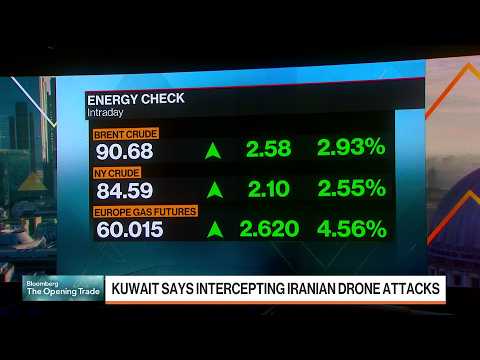
    Brent crude oil prices have surged past the $90 per barrel mark as of July 21, 2026, a direct consequence of the escalating military actions and retaliatory attacks between the United States and Iran. This significant price hike reflects heightened geopolitical risks in the Middle East, a region critical to global energy supplies, and signals potential disruptions to the international oil market.

    The market reaction underscores deep concerns about the stability of oil production and transit routes in the Persian Gulf. Investors and analysts are closely monitoring the situation, anticipating broader economic ramifications globally.

    The Escalation of US-Iran Confrontation

    The current spike in oil prices is firmly rooted in a series of intensifying confrontations between the United States and Iran. These actions have moved beyond diplomatic friction, involving direct military engagements and reciprocal strikes that have destabilized the region.

    Initial reports of skirmishes in the Strait of Hormuz in late 2025 were followed by more significant incidents. Naval patrols increased, leading to several close encounters. By early 2026, these had escalated into direct exchanges of fire.

    The United States has cited the protection of international shipping lanes and its regional allies as justification for its increased military presence. Iran, conversely, views the American presence as an infringement on its sovereignty and a threat to its national security interests.

    Key Incidents Fueling the Rise

    Several specific events have contributed to the current climate of apprehension. In May 2026, an Iranian Revolutionary Guard Corps (IRGC) vessel was reportedly struck in the Persian Gulf, an incident attributed by Tehran to American forces. Washington maintained it was an act of self-defense following aggressive maneuvers.

    A retaliatory drone strike, claimed by Iran, targeted a US-allied oil tanker navigating near the coast of Oman in June 2026. While no casualties were reported, the incident highlighted the vulnerability of commercial shipping.

    More recently, in early July 2026, a US military installation in a neighboring country came under missile attack. While the specific perpetrators were not immediately identified, US intelligence pointed towards Iranian-backed militias, further hardening Washington’s stance.

    Economic Repercussions and Market Volatility

    The immediate impact of these escalations is evident in the global oil markets. Brent crude, a key international benchmark, traded below $89, reaching around $88.43 to $88.87 on July 21, 2026.

    This sustained high price contrasts sharply with previous periods of relative stability. Analysts at major financial institutions, including Goldman Sachs and JPMorgan Chase, have revised their oil price forecasts upwards for the remainder of 2026.

    The cost of crude oil directly influences gasoline prices, transportation costs, and manufacturing expenses. Consumers are likely to face higher costs at the pump and for various goods and services, contributing to inflationary pressures already present in the global economy.

    The Role of Supply and Demand Dynamics

    Beyond geopolitical risk, underlying supply and demand dynamics also play a role. Global oil demand has shown resilience, particularly from emerging economies. Production levels, while recovering from past disruptions, have not kept pace with this demand growth, creating a tighter market.

    OPEC+ nations, a coalition of major oil producers, have maintained a cautious approach to increasing output. Their decisions are influenced by a desire to stabilize prices, but also by internal production capacities and geopolitical considerations.

    The threat of supply disruptions from the Middle East, a region that collectively accounts for a significant portion of global oil exports, amplifies the impact of any geopolitical friction. The Strait of Hormuz, a narrow chokepoint through which a substantial percentage of the world’s seaborne oil passes, remains a critical flashpoint.

    Global Economic Stability at Risk

    The trajectory of oil prices has direct implications for global economic stability. Sustained high energy costs can stifle economic growth by increasing operational expenses for businesses and reducing consumer purchasing power.

    Central banks worldwide, including the Federal Reserve and the European Central Bank, are monitoring the situation closely. Higher oil prices could complicate their efforts to manage inflation and maintain economic equilibrium, potentially leading to difficult policy decisions.

    Developing nations, often more reliant on imported oil, face particularly acute challenges. The increased cost of energy can exacerbate balance of payments issues and hinder development efforts, potentially sparking social unrest.

    International Response and Diplomatic Efforts

    International bodies and individual nations are attempting to de-escalate the situation. The United Nations Security Council convened an emergency session in mid-July 2026 to discuss the rising tensions, though no concrete resolutions emerged immediately.

    European Union leaders have called for restraint from both Washington and Tehran, emphasizing the need for diplomatic solutions. China and Russia, while maintaining their own complex relationships with both parties, have also urged dialogue to prevent further escalation.

    However, direct diplomatic channels between the United States and Iran remain largely strained. Decades of mistrust and differing strategic objectives complicate any immediate breakthroughs, making the current situation particularly intractable.

    The Geopolitical Landscape of the Middle East

    The current US-Iran standoff is set against a complex backdrop of regional rivalries and alliances. The broader Middle East remains a mosaic of competing interests, proxy conflicts, and fragile peace agreements.

    Saudi Arabia, a major oil producer and regional rival of Iran, is closely watching the developments. Any significant disruption to oil supplies could have ripple effects across the entire Gulf Cooperation Council (GCC) bloc.

    Israel, another key US ally, views Iran’s nuclear program and regional influence as a direct threat. Its security concerns often intersect with American policy in the region, adding another layer of complexity to the geopolitical equation.

    Impact on US Domestic Policy

    Domestically, in the United States, the rising oil prices are becoming a significant political issue. President Trump’s administration faces pressure to address the economic fallout, particularly ahead of the upcoming midterm elections in November 2026.

    The administration has reiterated its commitment to protecting American interests and ensuring global energy security. However, options for immediate intervention in the oil market are limited, beyond strategic petroleum reserve releases, which offer only temporary relief.

    Discussions are underway in Congress regarding potential legislative responses, including measures to encourage domestic oil production or provide relief to consumers. However, these are long-term solutions and offer little solace in the immediate crisis.

    Looking Ahead: Potential Scenarios

    The future trajectory of Brent oil prices and US-Iran relations is uncertain, with several potential scenarios emerging. A rapid de-escalation through diplomatic breakthroughs could see prices stabilize or even decline.

    Conversely, a further intensification of military actions, particularly those directly impacting oil infrastructure or major shipping routes, could push prices significantly higher, potentially towards $100 or even $120 per barrel. Such a scenario would trigger a global economic recession.

    A prolonged stalemate, characterized by continued low-level hostilities and high tensions, would likely keep oil prices elevated, maintaining economic uncertainty and inflationary pressures for an extended period.

    The global energy market remains on edge. Political leaders deliberate. Economists forecast. Consumers brace. The world watches.

    Oil.

  • Andy Burnham Becomes UK Prime Minister – Sixth Leader in a Decade

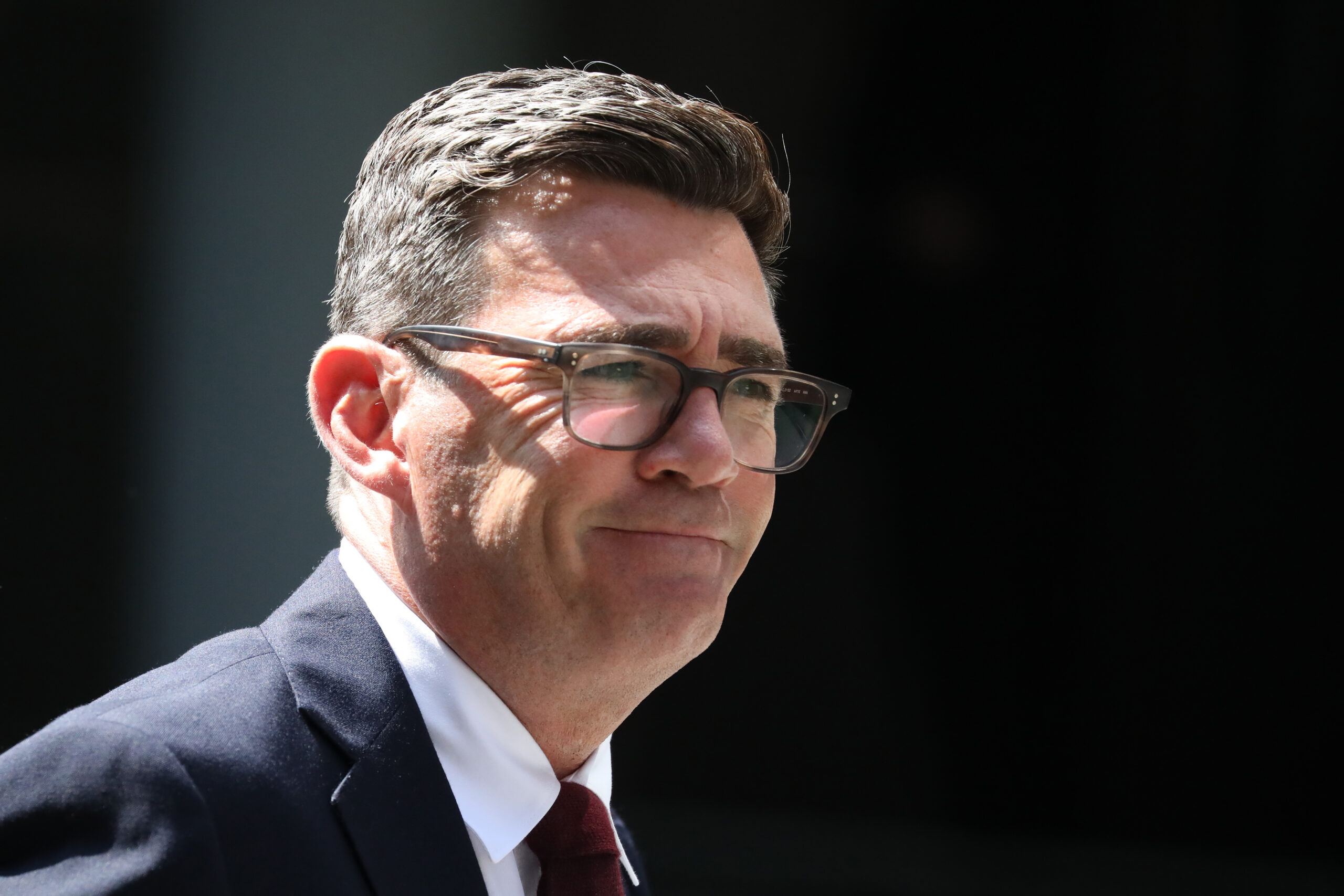
    Andy Burnham Becomes UK Prime Minister – Sixth Leader in a Decade

    Andy Burnham was confirmed as the new Prime Minister of the United Kingdom on Monday, July 20, 2026. This appointment positions him at the helm of the UK government, making him the sixth individual to hold the nation’s highest political office in the last ten years. His rise to power followed a rapid leadership contest within the Labour Party, initiated by the resignation of former Prime Minister Keir Starmer on July 20, 2026.

    Starmer’s departure, citing personal reasons and a desire for new party leadership, opened the door for a swift internal election. Burnham, a prominent figure in the Labour Party, emerged as the victor, securing the necessary support from Members of Parliament and party members. What looks like a sudden shift is part of a decade-long pattern of leadership changes.

    A Decade of Political Turnover

    The United Kingdom has experienced significant political volatility over the past decade. Since July 2016, the nation has seen a succession of Prime Ministers from both major parties. This period reflects a landscape shaped by Brexit, economic shifts, and evolving public demands.

    The frequent changes in leadership highlight the pressures facing modern British governance. Each new leader has inherited a complex array of domestic and international challenges, often leading to short tenures and renewed calls for stability. Burnham’s premiership begins under similar scrutiny.

    The succession of leaders underscores a turbulent era in British politics. Theresa May assumed office in July 2016 following the Brexit referendum. Her tenure, marked by intense negotiations and parliamentary deadlocks over Brexit, concluded in July 2019.

    Boris Johnson then took the reins in July 2019, promising to ‘Get Brexit Done’. His premiership, characterized by populist policies and controversies, ended in September 2022. He was succeeded by Liz Truss, whose economic policies led to significant market instability.

    Liz Truss’s time in office was the shortest in UK history, lasting only 49 days before her resignation in October 2022. Rishi Sunak then became Prime Minister in October 2022, aiming to restore economic stability and unity to the Conservative Party.

    Sunak’s leadership continued until a general election saw a change of government. Keir Starmer became Prime Minister in the subsequent election, leading the Labour Party to power. His resignation on July 20, 2026, after a period of leadership, paved the way for Andy Burnham.

    This rapid succession of leaders, from May to Johnson, Truss, Sunak, Starmer, and now Burnham, illustrates a pattern of political instability. The average tenure of a Prime Minister during this period has been approximately 18 months, a stark contrast to historical norms.

    Factors contributing to this instability include the lingering effects of the 2016 Brexit referendum, global economic headwinds, and significant social shifts. Each leader has grappled with the challenge of uniting a divided nation and addressing complex policy issues.

    Public trust in political institutions has also faced scrutiny during this period. The constant turnover at the top has led to questions about governmental effectiveness and the long-term direction of the country.

    Burnham inherits a political environment where expectations for stability and effective governance are high. His ability to navigate these turbulent waters will define his early days in office.

    From Manchester Mayor to Downing Street

    Before becoming Prime Minister, Andy Burnham served as the Mayor of Greater Manchester. He held this prominent position from May 2017 until his recent appointment. During his tenure as Mayor, Burnham gained a reputation for advocating for regional devolution and addressing local issues.

    His focus areas as Mayor included tackling homelessness, improving public transport, and promoting economic development across the Greater Manchester region. He was often seen as a champion for the North of England, pushing for greater investment and autonomy from Westminster.

    Early Political Career and Ministerial Roles

    Burnham’s political career also includes significant roles as a Member of Parliament for Leigh. He represented the constituency from 2001 to 2017, serving for 16 years in the House of Commons before stepping down to run for Mayor.

    During his time as an MP, Burnham held various ministerial positions in previous Labour governments. These roles provided him with extensive experience in national policymaking and governmental operations.

    His ministerial appointments included:

    • Chief Secretary to the Treasury: A key role in managing public expenditure and contributing to economic policy.
    • Secretary of State for Culture, Media and Sport: Overseeing government policy for the creative industries, tourism, and national heritage.
    • Secretary of State for Health: A critical position responsible for the National Health Service (NHS) and public health policy.

    This diverse experience across both local and national government is expected to inform his approach to leadership as Prime Minister. His background suggests a leader with a deep understanding of both central government mechanisms and the practicalities of local governance.

    Burnham’s consistent presence in public life, from a backbench MP to a cabinet minister and then a powerful regional mayor, has given him a broad perspective on the challenges facing the UK. His consistent advocacy for social justice and regional equality has been a hallmark of his career.

    His mayoral platform in Manchester often highlighted issues of inequality and the need for a more balanced economy across the UK. These themes are likely to feature prominently in his national agenda.

    The transition from a regional leadership role to the national stage presents unique challenges and opportunities. Burnham’s established track record in Manchester offers a preview of his potential policy priorities and leadership style.

    The Immediate Challenges Ahead

    As Prime Minister, Andy Burnham faces numerous immediate challenges. Economic stability remains a primary concern, with ongoing inflation and cost-of-living pressures impacting households across the UK. The Bank of England has been grappling with persistently high inflation rates, affecting everything from food prices to energy bills.

    Burnham is also expected to address issues related to public services, including the National Health Service (NHS). The NHS continues to face significant pressures, including long waiting lists, staff shortages, and funding challenges. Improving healthcare provision will likely be a top priority.

    Implementing policies aimed at social welfare improvement will also be critical. This includes addressing poverty, unemployment, and housing shortages, issues that have been exacerbated by recent economic downturns and the lasting impact of the COVID-19 pandemic.

    Forming a New Cabinet and Legislative Agenda

    Burnham’s initial days in office will likely focus on forming a new cabinet. The composition of his cabinet will signal his policy direction and his approach to uniting various factions within the Labour Party. Key appointments to departments such as the Treasury, Foreign Office, and Home Office will be closely watched.

    Following the cabinet formation, he will need to outline his government’s legislative agenda. This agenda will set out the key bills and policy initiatives his administration intends to pursue in the coming months and years. Expectations are high for swift action on pressing national issues.

    His leadership will be closely watched for signs of a distinct policy direction, particularly concerning the UK’s relationship with the European Union and its global standing. The ongoing implications of Brexit continue to shape trade, diplomacy, and economic policy.

    The public and international observers will monitor how he navigates these complex issues. Global partners will be keen to understand the UK’s foreign policy under Burnham, especially regarding alliances and international trade agreements.

    Domestically, the new government will need to articulate clear strategies for economic growth, investment in infrastructure, and addressing regional disparities. The ‘levelling up’ agenda, while initially a Conservative policy, has broader appeal and could be re-envisioned under a Labour government.

    Energy security and climate change also present significant long-term challenges. Burnham’s administration will need to advance policies that balance economic needs with environmental commitments, including investments in renewable energy and carbon reduction targets.

    The ongoing cost-of-living crisis demands immediate and tangible solutions. Measures to support vulnerable households, control inflation, and stimulate wage growth will be high on the agenda. Public confidence will hinge on the government’s ability to deliver visible improvements.

    Burnham’s experience in local government, particularly his focus on community-level issues in Greater Manchester, suggests he may adopt a more localized approach to national policy implementation. This could involve empowering local authorities and devolving more decision-making power.

    The Labour Party’s New Chapter

    Burnham’s election marks a new chapter for the Labour Party. After a period of internal reflection and leadership transitions, the party now aims to consolidate its position and implement its policy platform under Burnham’s guidance. This transition comes after Keir Starmer’s resignation, which prompted the swift leadership contest.

    His mandate will be to unite various factions within the party and present a cohesive vision for the country. The Labour Party has historically faced challenges in maintaining internal unity, and Burnham’s leadership will be tested in this regard.

    The political landscape remains fluid. Public expectations are high for effective governance and tangible improvements in everyday life. The electorate will be looking for clear policy statements and concrete actions that address their daily concerns.

    Burnham’s leadership style, forged in both local and national arenas, will be tested as he endeavors to steer the United Kingdom through its current challenges. His ability to communicate effectively with the public and build cross-party consensus will be crucial.

    The Labour Party’s success under Burnham will depend on its ability to present a credible and unified front. This includes demonstrating economic competence, a clear plan for public services, and a coherent foreign policy stance.

    The party will also need to re-engage with segments of the electorate that have felt disenfranchised by politics in recent years. Burnham’s background as a ‘man of the North’ may help in connecting with voters outside of London and the South East.

    The immediate task for Burnham and his team will be to project an image of stability and competence. This involves not only effective governance but also strong communication strategies to reassure both domestic and international audiences.

    The coming months will be critical in establishing the tone and direction of the new Labour government. Policy announcements, parliamentary debates, and public appearances will all contribute to shaping perceptions of Burnham’s leadership.

    Uncertainty. Transition. Leadership.


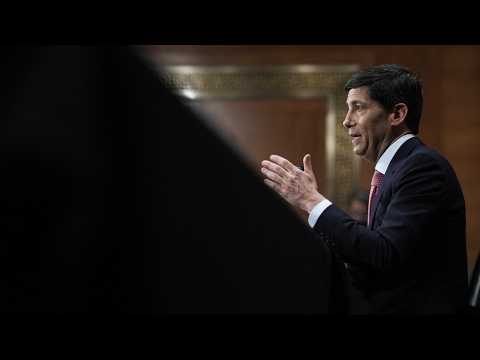
  • Kevin Warsh: President Trump Has Not Attempted to Influence Federal Reserve Policy

    Kevin Warsh: President Trump Has Not Attempted to Influence Federal Reserve Policy

    President Donald Trump has not attempted to influence the Federal Reserve’s policy decisions, according to Kevin Warsh, a former governor of the Federal Reserve System. This statement addresses ongoing public and economic speculation regarding the relationship between the executive branch and the nation’s central bank, a critical component of economic stability.

    Warsh’s remarks highlight the perceived independence of the Federal Reserve. This independence is a foundational element in maintaining confidence in monetary policy and financial markets. His insights come from a position of experience within the institution, offering a direct perspective on its operations and its interactions with political leadership.

    The Principle of Federal Reserve Independence

    The Federal Reserve’s independence is a long-standing principle designed to insulate monetary policy from short-term political pressures. This structure allows the Fed to make decisions based on economic data and its dual mandate of maximizing employment and maintaining price stability, rather than electoral cycles or partisan agendas.

    This independence is enshrined in its structure. The Board of Governors members are appointed for 14-year terms, staggered to ensure that no single president can appoint an entire board. The Chair and Vice Chair serve four-year terms, overlapping with presidential terms.

    The Federal Reserve Act of 1913 established the system. It created a decentralized central bank with a blend of public and private characteristics. This design intended to balance national economic needs with regional interests.

    Throughout its history, the Fed has navigated various political landscapes. Its ability to act decisively, even when its actions are unpopular with political leaders, is often cited as a strength.

    Kevin Warsh’s Background and Perspective

    Kevin Warsh served as a member of the Board of Governors of the Federal Reserve System from 2006 to 2011. He was appointed by President George W. Bush.

    During his tenure, he played a significant role in the Fed’s response to the 2008 financial crisis. His experience provides him with an intimate understanding of the Fed’s internal dynamics and its interactions with the executive branch.

    Warsh has also held positions in the private sector and academia. He is a distinguished visiting fellow at Stanford University’s Hoover Institution. His commentary often focuses on monetary policy, financial markets, and economic governance.

    His public statements on the Fed’s independence carry weight due to his direct involvement in its operations during a period of significant economic upheaval. His recent remarks were made during a Bloomberg Television interview, providing a public platform for his assessment.

    President Trump’s Stance on Economic Policy

    President Trump has consistently emphasized economic growth as a top priority for his administration. His policies have often focused on deregulation, tax cuts, and trade reform.

    While presidents often express views on economic conditions, direct intervention in Federal Reserve policy is considered a breach of traditional boundaries. Presidents typically respect the Fed’s operational independence.

    President Trump’s public commentary on economic matters has been frequent. However, Warsh’s statement indicates that these public remarks have not translated into direct attempts to dictate the Fed’s interest rate decisions or other policy tools.

    The administration’s approach, as described by Warsh, suggests a recognition of the institutional separation between fiscal and monetary authorities. This separation is crucial for market confidence and long-term economic planning.

    Historical Context of Presidential-Fed Relations

    The relationship between the President and the Federal Reserve has historically been complex. It often involves a delicate balance between public accountability and institutional autonomy.

    Instances of tension have occurred in the past. Presidents have, at times, publicly criticized Fed policies or expressed desires for specific outcomes, particularly regarding interest rates.

    For example, during the Nixon administration, there were concerns about political pressure influencing Fed decisions. Arthur Burns, then Fed Chair, faced scrutiny over the Fed’s actions leading up to the 1972 election.

    More recently, former President Joe Biden appointed Jerome Powell to a second term as Federal Reserve Chair in 2022. This decision underscored the continuity of leadership at the central bank, despite potential policy disagreements.

    The current assessment by Warsh suggests a period of maintained institutional boundaries. This contrasts with some historical periods where the lines appeared more blurred.

    The Importance of Central Bank Independence

    Central bank independence is a widely accepted principle among economists. It is believed to contribute to lower inflation rates and greater economic stability.

    When a central bank is free from political interference, it can make decisions that may be unpopular in the short term but are beneficial for the economy in the long run. This includes raising interest rates to combat inflation, even if it might slow economic growth temporarily.

    Loss of independence can lead to concerns about monetary policy being used to finance government spending or to boost economic activity artificially before elections. Such actions can result in inflationary spirals and financial instability.

    International financial markets also closely watch the independence of a nation’s central bank. A perceived lack of independence can lead to a loss of investor confidence and capital flight.

    Warsh’s confirmation reinforces the idea that, despite the political rhetoric that often surrounds economic issues, the fundamental structure and operational integrity of the Federal Reserve remain intact under the current administration.

    Market Reactions and Economic Implications

    Statements regarding the Fed’s independence can influence market sentiment. Investors and businesses rely on the predictability and stability of monetary policy.

    Assurances that the Fed is operating without undue political influence can help to reduce uncertainty. This can foster a more stable environment for investment and economic planning.

    Conversely, any credible suggestion of political meddling could trigger adverse reactions in financial markets. It could lead to higher volatility and a re-evaluation of economic forecasts.

    The Federal Reserve’s decisions on interest rates, quantitative easing, and other tools have far-reaching effects on borrowing costs, inflation, and economic growth across the United States and globally. Its autonomy is therefore of paramount concern to a wide array of stakeholders.

    The Role of Public Discourse

    The discussion around presidential influence on the Fed is a recurring theme in public discourse. Media outlets, economists, and political analysts frequently scrutinize the relationship.

    Such scrutiny serves an important function. It holds both the executive branch and the Federal Reserve accountable to the public. Transparency about these interactions helps to maintain trust in both institutions.

    Warsh’s comments contribute to this ongoing dialogue. They provide a data point that helps to inform public understanding of the current state of affairs.

    The ongoing debate underscores the importance of a clear separation of powers. It also highlights the unique role the Federal Reserve plays in the American economic system.

    Economists debated. Politicians debated. Journalists debated.

    Independence.