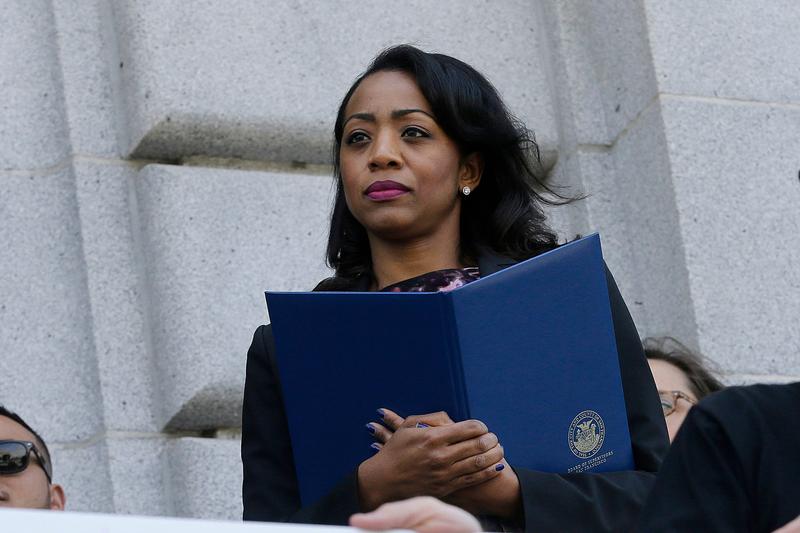
A lawsuit reported on October 8, 2026, accuses California‘s State Controller of using fake addresses to seize private fortunes through the state’s Unclaimed Property Program. The charge lands on the office that bills itself as a fiscal watchdog. It says the watchdog took what families still owned.
The program is not small. California holds one of the largest pools of unclaimed assets in the United States. Dormant bank accounts. Stock certificates. Insurance proceeds. Safe-deposit box contents. Payroll checks. The list runs for pages.
State law says those assets move after a dormancy period, often three years, once banks, insurers, and other holders file reports. The state is then supposed to try to find the owner. That attempt is the whole ballgame.
What looks like a clerical dispute is not. In many ways, it is a fight over due process, the General Fund, and whether a notice mailed to the wrong door is a notice at all.
What the Lawsuit Alleges
The complaint, described in an October 8, 2026 report, accuses California’s fiscal watchdog of using fake addresses as a method, not a mistake. The alleged sequence is blunt. Property is identified. A notice is generated. The address on that notice does not belong to the owner. The letter never finds a living person who can object. The clock runs out. The fortune moves.
That is the accusation. It has not been proven in a verdict. Lawsuits allege. Courts decide. The public account still put a name on a private fear that has followed this program for two decades.
California’s State Controller’s Office, led since January 2, 2023 by Controller Malia M. Cohen, administers the Unclaimed Property Program from Sacramento. The Controller is the state’s chief fiscal officer. The office audits. It disburses. It holds. Unclaimed property is one of the largest holding operations in American state government.
The suit’s core claim is about notice. Not about whether forgotten accounts exist. They do. Not about whether states may take custody of dormant property. They may. The claim is that a fake or false address turns custody into a silent seizure.
Owners who never receive a letter do not file a claim. Heirs who never see a newspaper notice do not know to search. A brokerage account that should have been a phone call becomes a line item in a state fund. The New York Post account framed that gap as the heart of the case.
How California’s Unclaimed Property Machine Works
Every U.S. state runs some version of unclaimed property, sometimes called escheat in its older legal form. The idea is older than California. Feudal law sent land without an owner back to the lord. Modern statutes replaced the lord with the state treasury.
California’s version sits in the Unclaimed Property Law, in the Code of Civil Procedure. Banks, credit unions, insurers, corporations, courts, and utilities are holders. If an account shows no owner activity for a set dormancy period, the holder must report it and remit it to Sacramento.
The dormancy period for many accounts is three years. Some property types differ. After the report, the Controller’s Office takes custody. Securities may be sold. Cash is pooled. The owner’s name is supposed to be preserved so a later claim can be paid.
The official pitch is consumer protection. Better the state than a bank that stops looking. Better a searchable database than a vanished account after a merger. That pitch is real. So is the incentive on the other side.
Custody is not the same as title
On paper, California says it holds unclaimed property in custody for the owner. Title is not supposed to vanish because a checking account went quiet. The owner, or an heir, can claim in later years. That promise is the moral cover for the whole statute.
Practice is harder. Stock that is sold is no longer stock. A safe-deposit box that is drilled is no longer a private box. Cash folded into state accounts is cash the state can use until a valid claim arrives. Custody, in a budget year, behaves like money.
A standard account of unclaimed property makes the dual role plain. The state is finder and beneficiary. It advertises returns. It also books the residual. That tension is not unique to Sacramento. It is sharper there because the pool is so large.
Why Notice Is the Whole Fight
American due process is not a mood. It is notice and an opportunity to be heard. For property, courts have said the state must take steps reasonably calculated to reach the owner.
A mailed notice to the last known address is the classic step. Publication in a newspaper is the backup. A public website search is the modern layer. California offers a searchable database. Names appear. People do recover funds. The office processes claims every year.
The lawsuit’s fake-address theory attacks the first layer. If the address is false, the classic step is theater. Publication is easy to miss. A website helps only the people who know to look.
The last-known-address problem
There is a quieter version of the same problem that does not require anyone to invent a street. People move. They die. They forget a dividend account opened in 1994. The last known address on a bank’s file can be stale without any fraud at all.
The bombshell in the 2026 case is the claim that staleness was not the whole story. The claim is that false addresses were used. That distinction is the difference between a clunky bureaucracy and an engineered taking.
Investigators, if the case proceeds, will hunt for patterns. Repeated use of the same dummy street. Notices sent to addresses the office had reason to know were vacant. Vendor contracts for mass mailing. Return-to-sender rates. Internal memos about match rates. The public file is still thin. The allegation is not.
A Program With a Long Paper Trail
This is not the first time California’s unclaimed property machine has been dragged into court. In the mid-2000s, owners sued then-Controller Steve Westly. The case, Taylor v. Westly, went through the U.S. Court of Appeals for the Ninth Circuit. Federal judges questioned whether California’s notice and liquidation practices met due process.
U.S. District Judge Morrison C. England Jr. in Sacramento issued orders that forced the state to change how it handled securities and owner alerts. One flash point was the sale of stock. An owner who later appeared could find that the state had already liquidated the shares and would pay only the cash proceeds, not the market recovery.
Controller John Chiang, who took office in 2007, inherited the wreckage and the reforms. Betty Yee followed in 2015. Malia M. Cohen followed on January 2, 2023. The letterhead changed. The statute remained.
The pattern repeated even as the names on the door changed. Audits found holders who failed to report. Owners found the state had sold their stock at the wrong moment. Budget analysts counted on transfers from the unclaimed property account when tax receipts wobbled.
Other states have the same temptation. Delaware built a business model on abandoned securities. New York’s program is huge. California’s is huge and visible because California is huge. The 2026 lawsuit is local in its caption and national in its theme.
Reform bills have come and gone in the Legislature in Sacramento. Dormancy periods get tweaked. Website search tools get rebuilt. Interest on claims gets debated. The structural fact remains. The state is both custodian and beneficiary. That dual role is the conflict.
What the Money Buys
Unclaimed property is not a tax. It is not voted on as a tax. It arrives as a transfer. In a tight budget year, that distinction is easy to lose.
Sacramento pays schools, health care, pensions, and debt service with a mix of sources. When unclaimed cash is available, it is available. Controllers from both parties have advertised big claim-return numbers while the residual balance still props up cash flow.
Related: Labor Department Marks Low-Layoffs Milestone — What It Means
None of that, standing alone, proves fake addresses. It proves motive. A program that returns every dollar the moment it arrives is a lost float. A program that cannot find the owner keeps the float. The lawsuit says the search was not designed to succeed.
The political heat is predictable. Property-rights groups call it a taking. Consumer advocates call it a rescue of forgotten funds. County clerks, banks, and life insurers sit in the middle as holders who must report or face penalties. The owner is often the last person in the room.
What Owners Can Still Do
The accusation does not freeze the claim process. People can still search. The California State Controller’s Unclaimed Property Division maintains a public database. A name and a city are often enough to start.
A match is not automatic payment. Claimants file, prove identity, and, for heirs, prove succession. The office can ask for death certificates, assignments, and old account numbers. The process is slow. It is still the lawful path.
Businesses have a parallel problem. Merger leftover funds, uncashed vendor checks, and forgotten shares of a company that changed its name all land in the same hopper. Corporate treasury staff already treat California reports as a compliance calendar item. The 2026 case will make that calendar hotter.
If the case survives early motions, discovery will be the tell. Address files. Printers and mail houses. Whether anyone inside the Unclaimed Property Division flagged a pattern and was ignored. Until a judge speaks, the legal status of any given seized account does not change because a headline did. The political status might.
Families searched. Lawyers filed. Controllers held the cash.
Unclaimed.
Frequently Asked Questions
What is California’s unclaimed property program?
It is the system, run by the California State Controller’s Office in Sacramento, that takes custody of dormant bank accounts, securities, insurance proceeds, and other assets after a waiting period. Holders such as banks and insurers must report the property. Owners and heirs can later file claims to get it back.
Did the California Controller use fake addresses to seize money?
A lawsuit reported on October 8, 2026, alleges that California’s fiscal watchdog used fake addresses so owners never received notice before fortunes were taken into the Unclaimed Property Program. That is an accusation, not a court finding. The case will turn on mailing records, address data, and whether notice was reasonably calculated to reach real owners.
How do I check if California is holding my money?
Search the State Controller’s public unclaimed property database by name and location, then file a claim with identity documents if there is a match. Heirs usually need extra papers, such as a death certificate and proof of the right to succeed. The office, led since 2023 by Controller Malia M. Cohen, processes those claims from Sacramento.
Can California keep unclaimed property forever?
California describes the program as custody, not a permanent taking of title, and owners may claim in later years. In practice the state may sell securities, spend the cash float through the General Fund, and pay a later claim from other money. The 2000s Taylor v. Westly litigation already showed how notice and liquidation can collide with due process.
Who is California’s State Controller in 2026?
Malia M. Cohen has been California’s State Controller since January 2, 2023. The Controller is the state’s chief fiscal officer and oversees the Unclaimed Property Program. The October 2026 lawsuit is aimed at that office’s practices during her tenure.
Frequently asked questions
What is California's unclaimed property program?
It is the system, run by the California State Controller's Office in Sacramento, that takes custody of dormant bank accounts, securities, insurance proceeds, and other assets after a waiting period. Holders such as banks and insurers must report the property under the Unclaimed Property Law. Owners and heirs can later file claims to recover it.
Did the California Controller use fake addresses to seize money?
A lawsuit reported on October 8, 2026, alleges that California's fiscal watchdog used fake addresses so owners never received notice before fortunes were taken into the Unclaimed Property Program. That is an accusation, not a court finding. The case will turn on mailing records and whether notice was reasonably calculated to reach real owners.
How do I check if California is holding my money?
Search the State Controller's public unclaimed property database by name and location, then file a claim with identity documents if there is a match. Heirs usually need extra papers, such as a death certificate. The office, led since 2023 by Controller Malia M. Cohen, processes those claims from Sacramento.
Can California keep unclaimed property forever?
California describes the program as custody, not a permanent taking of title, and owners may claim in later years. In practice the state may sell securities, use the cash float through the General Fund, and pay a later claim from other money. The 2000s Taylor v. Westly case already tested how notice and liquidation meet due process.
Who is California's State Controller in 2026?
Malia M. Cohen has been California's State Controller since January 2, 2023. The Controller is the state's chief fiscal officer and oversees the Unclaimed Property Program. The October 2026 lawsuit targets that office's practices during her tenure.
Sponsored · Put your business in front of ByteSize Network's readers, with every click measured. See advertising packages · Advertise on ByteSize Network