Global stability faces a dual challenge in October 2026. Iran has escalated its attacks on commercial shipping in the Strait of Hormuz, a vital waterway for international oil trade. Concurrently, the Bundibugyo Ebola Virus Disease has been confirmed in Kenya, marking a new phase in the regional health crisis originating in the Democratic Republic of Congo.
These developments underscore growing concerns regarding geopolitical tensions and the rapid spread of infectious diseases across borders.
Escalation in the Strait of Hormuz
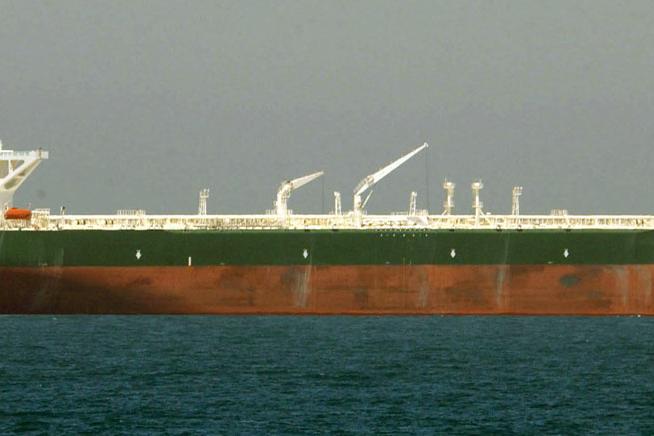
The Strait of Hormuz has witnessed a significant increase in maritime incidents. As of October 7, 2026, Iran has intensified its attacks on oil tankers navigating this strategic chokepoint. This escalation occurs even as global oil shipments through the strait approach pre-war levels, indicating a direct challenge to international maritime security.
The UK Maritime Trade Operations (UKMTO) reported nine separate attacks in the Strait of Hormuz during the first week of October 2026 alone. These incidents raise alarms for global energy markets and international shipping companies. The Strait of Hormuz is a narrow passage between the Persian Gulf and the Gulf of Oman, through which approximately one-fifth of the world’s total oil consumption passes daily.
Previous periods of heightened tension in the Strait have led to significant disruptions in oil supply and increased insurance premiums for vessels. The current wave of attacks suggests a deliberate strategy by Iran, potentially in response to broader geopolitical pressures or as a means to assert regional influence. International naval forces maintain a presence in the area, but the frequency of incidents complicates security efforts.
Ebola Reaches Kenya
A public health crisis is simultaneously unfolding in East Africa. Kenya confirmed its first imported case of the Bundibugyo Ebola Virus Disease (BDBV) on October 6, 2026. The patient, a Kenyan citizen, had recently resided in the Democratic Republic of Congo (DRC) before returning to Kenya. This individual tragically died on October 5, 2026, highlighting the severe virulence of the disease.
The Ebola outbreak in the Democratic Republic of Congo was initially declared in May 2026. Since its onset, the virus has spread to seven provinces within the DRC, posing significant challenges to local and international health organizations. The confirmation of a case in Kenya marks a critical expansion of the outbreak’s geographical reach, increasing the risk of further regional transmission.
Public health authorities in Kenya have initiated contact tracing and isolation protocols to prevent further spread. The Bundibugyo strain of Ebola is one of several known species of the virus, characterized by severe hemorrhagic fever. Its arrival in Kenya necessitates a robust public health response to contain the potential for a wider epidemic.
Global Repercussions and Interconnected Threats
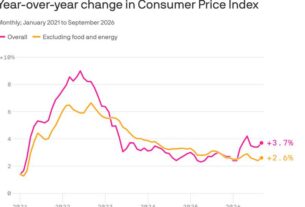
These two distinct crises, while geographically separate, underscore the interconnected nature of global challenges. The instability in the Strait of Hormuz directly impacts global energy prices and economic stability, affecting nations worldwide. Disruptions to oil supplies can trigger inflationary pressures and hinder economic growth.
Similarly, the spread of Ebola to Kenya represents a significant public health threat that transcends national borders. Infectious diseases can rapidly propagate through international travel and trade routes, demanding coordinated global responses. The World Health Organization (WHO) and other international bodies are likely to intensify their efforts to support affected countries and prevent a larger pandemic.
The simultaneous emergence of these crises places additional strain on international diplomacy and humanitarian aid efforts. Resources and attention may be divided between geopolitical security concerns and urgent public health interventions. The global community faces the task of addressing both immediate threats and their potential long-term consequences.
Related: Archdiocese of St. Louis Sues ICE Over Detainee Religious Service Restrictions
International Response and Outlook
Naval patrols are increasing in the Persian Gulf. Diplomatic efforts are underway to de-escalate tensions in the Middle East. Public health agencies are mobilizing resources for disease containment. International organizations are coordinating aid. The world watches.
Uncertainty.
Sources
Frequently asked questions
What is happening in the Strait of Hormuz as of October 2026?
As of October 7, 2026, Iran has significantly increased its attacks on oil tankers in the Strait of Hormuz. The UK Maritime Trade Operations reported nine attacks in the first week of October alone, despite oil shipments through the strait approaching pre-war levels.
Has Ebola spread to Kenya?
Yes, Kenya confirmed its first imported case of the Bundibugyo Ebola Virus Disease on October 6, 2026. The patient was a Kenyan citizen who had been living in the Democratic Republic of Congo and died on October 5, 2026.
Where did the Ebola outbreak in the Democratic Republic of Congo begin?
The current Ebola outbreak in the Democratic Republic of Congo was declared in May 2026. It has since spread to seven provinces within the country before an imported case was identified in Kenya.
Why is the Strait of Hormuz important?
The Strait of Hormuz is a critical maritime chokepoint connecting the Persian Gulf to the open ocean. Approximately one-fifth of the world's total oil consumption passes through this strait daily, making it vital for global energy supplies and international trade.
Sponsored · Put your business in front of ByteSize Network's readers, with every click measured. See advertising packages · Advertise on ByteSize Network