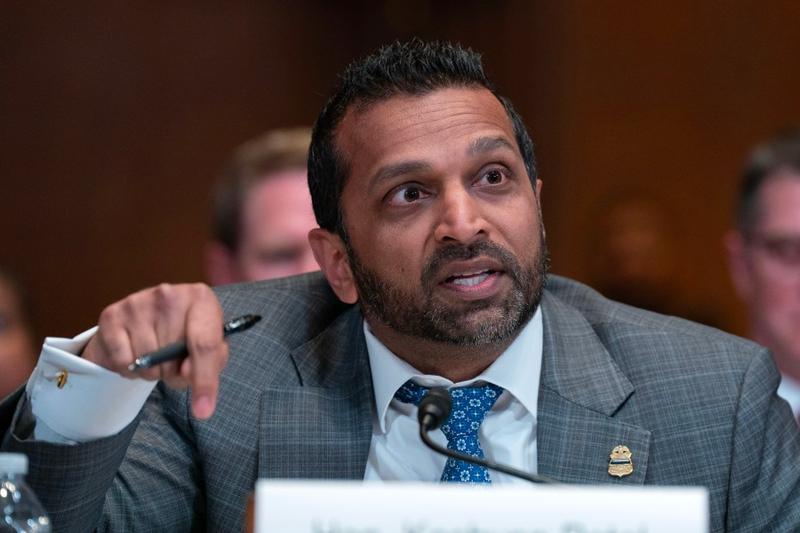
Congressional hearings serve as a fundamental mechanism for legislative bodies to gather information, conduct oversight of executive agencies, and investigate public policy matters. Historically, these proceedings provided a structured forum for detailed inquiry and deliberation, informing legislative policymaking and ensuring accountability within the government. However, their character has undergone a significant transformation in recent years.
What once functioned primarily as a fact-finding mission has increasingly become a public spectacle. This evolution has led to concerns about the efficacy of congressional oversight and its impact on the legislative process. The current political environment, particularly in 2026, plays a crucial role in shaping this dynamic.
The Shifting Purpose of Congressional Oversight
The core purpose of congressional hearings includes gathering information for new legislation, overseeing the implementation of existing laws by executive agencies, and confirming presidential nominations. These functions are vital for the balance of power within the U.S. government. Committees utilize these hearings to delve into complex issues, question officials, and solicit expert testimony.
In 2026, congressional investigations remain a significant tool for shaping public policy and influencing regulatory agendas. This holds true regardless of which political party controls Congress. The scope of these investigations has broadened, often examining systems, governance, and decision-making frameworks, especially where corporate activity intersects with national security, technology, workforce practices, and affordability concerns.
Polarization and the Rise of the Spectacle
The current political climate, marked by tight legislative margins, contributes to the increased frequency of investigations. With difficulty in passing legislation through traditional means, Congress often leverages investigations to demand information and highlight perceived problems. This approach allows legislative bodies to influence Executive Branch behavior without the friction of the full legislative process.
Committees have also become highly media-aware. They strategically time hearings, letters, social media posts, and reports to coincide with broader political debates. This calculated approach ensures maximum public exposure, often prioritizing narrative control over substantive policy discussion. The focus shifts from quiet deliberation to public performance, transforming hearings into a form of political theater.
Impact on Legislative Policymaking and Public Trust
When hearings become primarily about political messaging, their ability to gather unbiased information and inform sound legislative policymaking diminishes. The emphasis on partisan advantage can overshadow the pursuit of truth and effective governance. This trend can erode public trust in governmental institutions.
The public increasingly views these proceedings with skepticism, perceiving them as platforms for political posturing rather than genuine inquiry. This perception can lead to disengagement and a decreased belief in the government’s capacity to address critical issues. The effectiveness of oversight is compromised when the process is seen as a partisan battleground.
Related: Nigel Farage Faces Standards Ruling Over £5 Million Donation Amid Reform UK Success
The 2026 Midterm Elections and Future Oversight
The 2026 midterm elections are anticipated to significantly impact the trajectory of congressional oversight. A shift in control of either the Senate or the House of Representatives would lead to changes in committee leadership and subpoena authority. Such changes would inevitably redirect the focus and intensity of investigations.
If Democrats gain control of either chamber, oversight is likely to shift towards accountability, ethics, transparency, and the influence of corporate interests on Executive Branch decision-making. Conversely, if Republicans maintain or gain control, their oversight priorities would likely align with different areas of scrutiny. This constant flux underscores the political nature of modern congressional hearings. More information on congressional oversight can be found through official government resources like the Library of Congress.
Navigating a New Era of Congressional Scrutiny
Congressional investigations are expected to remain a powerful tool, regardless of party control. Their broad scope and aggressive execution are defining characteristics of the current era. The intersection of corporate activity with national security, technology, and workforce practices will continue to be areas of intense focus. This reflects a broader trend of government scrutiny extending into various sectors of society.
The challenge for policymakers and the public alike is to discern substantive inquiry from political spectacle. The integrity of the oversight process depends on a return to its foundational principles of fact-finding and accountability, rather than partisan performance. Understanding the evolving nature of these hearings is crucial for citizens to engage effectively with their government. Further details on the role of congressional committees can be found on the U.S. Senate Committee website.
Sources
Sponsored · Put your business in front of ByteSize Network's readers, with every click measured. See advertising packages · Advertise on ByteSize Network