
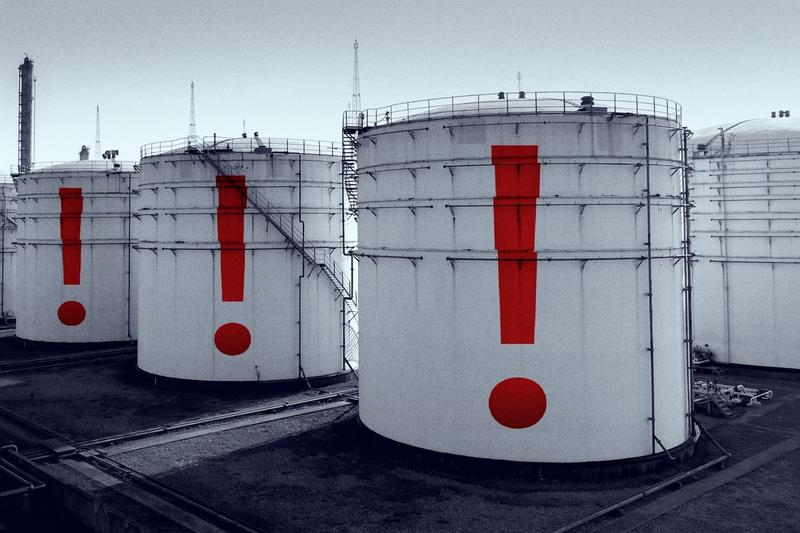
The national average for a gallon of diesel fuel reached a record $6.05 on Friday, September 10, 2026. This marks a more than 60% increase from prices recorded a year prior. In California, the cost was even higher, with diesel retailing at $7.98 per gallon.
These escalating fuel costs are directly contributing to a broader inflationary trend. The Department of Labor reported that over a third of the jump in goods prices for producers in August 2026 was attributable to a 24.1% rise in diesel expenses. This indicates a significant pass-through effect from fuel to consumer goods.
Global Factors Drive Diesel Price Surge
The current record diesel prices are largely attributed to international events. The ongoing conflict in Iran has significantly reduced the global oil supply. Concurrently, a global squeeze on refining capacity, particularly in the Middle East and Russia, has exacerbated the issue.
These geopolitical and logistical challenges limit the availability of refined diesel, pushing prices upward. The interconnectedness of global energy markets means that regional conflicts and production constraints have worldwide implications for fuel costs.
Impact on Food Prices and Supply Chains
Rising diesel prices have a direct and substantial impact on the food supply chain. Transportation is a critical component of food production and distribution, from farm to table. Higher fuel costs translate into increased expenses for farmers, processors, and retailers.
Global food prices have already reached a three-and-a-half-year high in July 2026. This surge is driven by a combination of factors, including summer heatwaves and ongoing conflicts in Ukraine and the Middle East, which have affected crop yields and distribution. The UN Food and Agriculture Organization (FAO) index of food commodity prices rose to 131.1 points in July 2026, up from 130.3 in June.
Food companies are responding to these pressures. Major corporations such as Conagra, Campbell’s, and Clorox have either announced or signaled impending price increases. These adjustments are a direct consequence of inflation, tariffs, and elevated input costs, with diesel being a primary driver.
Broader Transportation Cost Increases
The ripple effect of high diesel prices extends beyond food. The Consumer Price Index (CPI) for all transportation goods and services increased by 6.2% from August 2025 to August 2026. This comprehensive measure includes everything from freight shipping to public transportation and personal vehicle use.
Businesses relying on trucking for logistics face higher operational costs, which are often passed on to consumers. This contributes to a general increase in the cost of living and doing business. The economic strain is felt across various sectors dependent on efficient and affordable transportation.
Consumer Outlook and Economic Strain
The sustained increase in diesel prices and its subsequent impact on food and transportation costs presents a significant challenge for consumers. Household budgets are stretched as essential goods and services become more expensive. This inflationary environment reduces purchasing power and can lead to shifts in consumer spending habits.
Economists monitor these trends closely, as persistent inflation can slow economic growth and reduce consumer confidence. The interplay between global energy markets, geopolitical stability, and domestic economic indicators remains a critical area of focus for policymakers and the public alike.
Automate Your Business Operations
Productized 7-day fixed-rate multi-agent AI automation for Springfield and Ozarks businesses. Eliminate software bloat and streamline media & operations.