
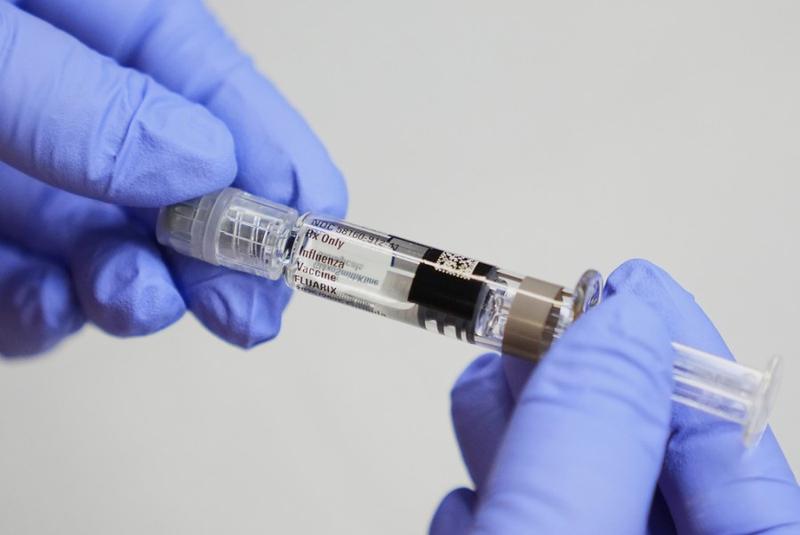
The Supreme Court of the United States declined to intervene in a New York religious vaccine exemption case on Tuesday, September 8, 2026. This decision leaves in place the lower court’s ruling, which denied a mother’s request for a religious exemption for her son.
The case centered on a New York woman, identified as “Jane Doe,” who sought an exemption for her son to attend kindergarten. Her request was based on her Catholic beliefs, which she stated precluded her son from receiving state-required vaccines.
The Court’s Decision and Dissenting Voices
The high court’s refusal to hear the case means the lower court’s decision stands. This action does not set a national precedent on the merits of religious vaccine exemptions but rather indicates the Court’s disinclination to take up this specific appeal at this time.
Justices Samuel A. Alito Jr. and Neil M. Gorsuch publicly noted their dissent. They indicated they would have granted the mother’s request, signaling a division within the Court on issues of religious freedom and public health mandates.
The Supreme Court consists of nine justices who hold their positions for life. Their decisions often reflect varying interpretations of constitutional law and societal issues.
Broader Implications for Vaccine Mandates
This ruling follows a related decision from September 5, 2026. In that instance, the Supreme Court also denied a bid to rehear a case, Doe v. Hochul, from New York healthcare workers. That case challenged the denial of religious exemptions to a COVID-19 vaccine mandate.
The consistent refusal to intervene in these New York cases suggests a pattern. The Court appears hesitant to overturn state-level decisions regarding vaccine mandates, at least for now.
However, the high court may examine similar issues in other cases during its new term. The Supreme Court’s new term is scheduled to begin in October, potentially bringing new challenges related to vaccine exemptions and religious freedom to the forefront.
Historical Context of Vaccine Mandates
Vaccine mandates have a long history in the United States, often upheld by courts as a legitimate exercise of state police power to protect public health. The landmark case of Jacobson v. Massachusetts in 1905 affirmed the state’s authority to enforce compulsory vaccination laws.
Religious exemptions have also been a point of contention, with states varying in their allowance and scope. The tension between individual religious freedom and collective public health remains a complex legal and ethical challenge. State vaccine requirements are often determined by individual state legislatures and health departments.
The current legal landscape reflects a balancing act. Courts weigh the sincerity of religious beliefs against the compelling state interest in preventing the spread of infectious diseases. The Supreme Court’s role is to interpret these constitutional questions.
The Path Forward for Similar Cases
The Supreme Court’s decision not to intervene in the New York case does not close the door on all future challenges. It indicates that the specific arguments presented in this particular appeal did not meet the criteria for the Court to grant certiorari.
Advocates for religious exemptions may continue to pursue legal challenges in other jurisdictions. These efforts could lead to different outcomes or present new legal questions that the Supreme Court may eventually choose to address.
The debate over vaccine mandates, religious freedom, and public health policy continues. State legislatures, public health officials, and courts across the nation grapple with these complex issues.
Parents sought. Healthcare workers sought. Justices considered.
New York.
Enterprise Data as a Service
Premium insights and data pipelines for businesses. Secure a competitive edge with high-fidelity market intelligence and automated data flows.