
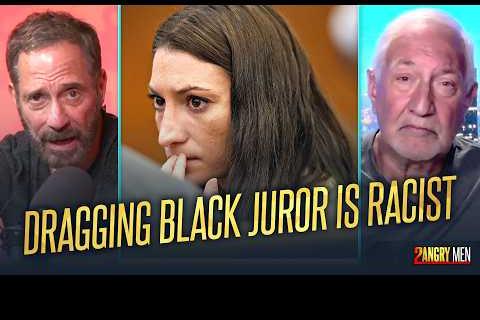
- The Lindsay Clancy murder trial resulted in a mistrial on September 4, 2026, due to a hung jury.
- Lindsay Clancy faces murder charges for the January 2023 deaths of her three children.
- Claims of racist backlash against Black jurors have emerged following the mistrial.
- Clancy’s defense cited postpartum psychosis and overmedication; prosecutors argued premeditation.
- A status hearing is set for September 29, 2026, where a motion to dismiss on double jeopardy grounds is expected.
The conclusion of the Lindsay Clancy murder trial on September 4, 2026, with a mistrial, has ignited a contentious public discourse. This outcome, stemming from a jury unable to reach a unanimous verdict, has been further complicated by allegations of racist backlash against Black jurors. The claims suggest that racial bias may be influencing public reaction to the legal process.
Lindsay Clancy remains in custody at Tewksbury Hospital, a forensic psychiatric facility. Her legal team prepares for a critical status hearing later this month. But the story doesn’t end with the legal proceedings; it extends into the broader societal implications of race and justice.
The Mistrial and Its Immediate Aftermath
The jury in the Lindsay Clancy trial deliberated for an extended period before declaring an impasse. This inability to achieve a unanimous decision led to the declaration of a mistrial by the presiding judge. The outcome left many observers surprised and divided.
Clancy was accused of the January 2023 murders of her three young children. Her defense argued that she was not criminally responsible, citing severe postpartum psychosis and the effects of overmedication. Prosecutors countered, asserting that Clancy had planned the murders and understood the gravity of her actions.
The legal community now watches for Plymouth County District Attorney Timothy Cruz‘s decision on whether to retry the case. This decision will significantly impact the future of the high-profile proceedings.
Allegations of Racist Backlash
Following the mistrial, reports and discussions have surfaced regarding alleged racist backlash directed at Black jurors. These claims suggest that some public reactions to the verdict, or lack thereof, have been racially motivated. The specific nature of these alleged attacks has not been fully detailed in all public reports, but the sentiment is clear: racial bias is perceived to be at play.
The emergence of these allegations adds a layer of complexity to the case. It shifts the focus from solely the legal arguments to the societal implications of race within the justice system. Such claims often provoke strong emotional responses and ignite debates about fairness and equity.
Legal Next Steps for Lindsay Clancy
Lindsay Clancy continues to be held at Tewksbury Hospital. Her legal team is preparing for a status hearing scheduled for September 29, 2026. During this hearing, Clancy’s lawyer intends to file a motion to dismiss the case. The basis for this motion will be double jeopardy grounds, arguing that a retrial would violate her constitutional rights.
The outcome of this motion will be crucial. If granted, it could potentially end the legal proceedings against Clancy. If denied, the District Attorney’s office would then need to decide whether to pursue a second trial.
The Broader Conversation on Race and Justice
The Lindsay Clancy case, particularly with the recent allegations of racist backlash, contributes to an ongoing national conversation about race and the justice system. Public perception of jury decisions, especially in high-stakes trials, can often be influenced by underlying societal biases. When race becomes a factor in the public’s reaction to jurors, it highlights persistent challenges in achieving truly impartial justice.
These discussions often involve examining how different communities perceive legal outcomes. They also question the role of media and social commentary in shaping public opinion. The Clancy case now serves as another example where the intersection of race, mental health, and criminal justice is under intense scrutiny.
Arguments were made. Evidence was presented. Jurors deliberated. A mistrial was declared. Claims of racial bias emerged. The legal system continues its slow turn. Justice awaits.
Plymouth.
-
What was the outcome of the Lindsay Clancy murder trial?
The Lindsay Clancy murder trial ended in a mistrial on September 4, 2026, because the jury was unable to reach a unanimous verdict on the charges against her. -
What are the current charges against Lindsay Clancy?
Lindsay Clancy is currently facing murder charges related to the deaths of her three children, which occurred in January 2023. -
What is the significance of the
JL GroupBuying, Selling, or Investing in the Ozarks?
JL Group specializes in direct property acquisitions, wealth transfer, and hassle-free real estate transactions across Springfield.
Sources