Lindsay Clancy Mistrial: Claims of Racist Backlash Against Black Jurors Emerge

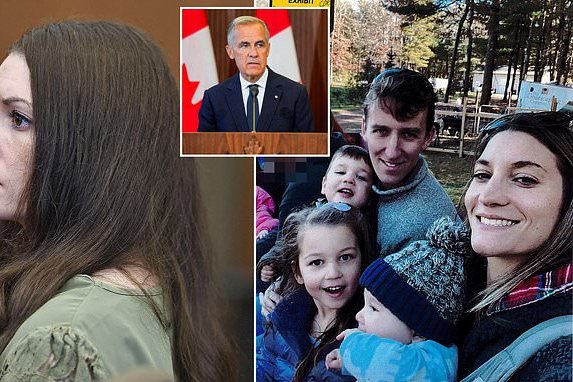
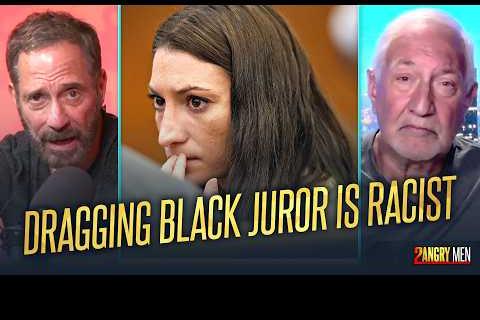
The highly publicized murder trial of Lindsay Clancy, accused of killing her three children, concluded with a mistrial on September 4, 2026. The jury was unable to reach a unanimous verdict, leaving the legal fate of Clancy uncertain. Following the mistrial, provocative claims have emerged, alleging racist backlash directed at Black jurors involved in the case. This development introduces a new dimension to the already emotionally charged proceedings, prompting discussions on racial justice within the legal system.

Continue Reading


Andrea Lyon Rejects Clancy Link in Corie Walsh Case – Defense Attorney Addresses Speculation

Andrea Lyon, a prominent defense attorney, is representing Corie Walsh, a Frankfort mother accused of murdering her 2-year-old son. Lyon has publicly rejected any suggestion that Walsh’s case is linked to the high-profile Lindsay Clancy murder trial, despite prosecutors’ claims that Walsh followed the Clancy proceedings closely. This stance highlights the defense’s strategy to isolate the current charges from external narratives.

Continue Reading

Amanda Hirsch Apologizes for Polymarket Lindsay Clancy Sponsored Content

Podcaster Amanda Hirsch, host of “Not Skinny But Not Fat,” issued a public apology in early September 2026 regarding sponsored content for Polymarket. The content involved a betting market on the outcome of the Lindsay Clancy trial, drawing significant criticism for its perceived insensitivity. Hirsch acknowledged her error, stating she “should have known better.”

Continue Reading

Canada’s Infanticide Law: Scrutiny After Lindsay Clancy Mistrial

The recent mistrial in the Lindsay Clancy case, involving the deaths of her three children in the United States, has reignited debate surrounding laws concerning maternal mental health and child homicides. This high-profile case brings Canada’s unique infanticide law into sharp focus, a statute that offers a maximum of five years imprisonment for mothers who cause the death of their child under one year of age while experiencing mental disturbance related to childbirth or lactation. Critics argue this law is overly lenient, while proponents point to its historical context and recognition of…

Continue Reading