
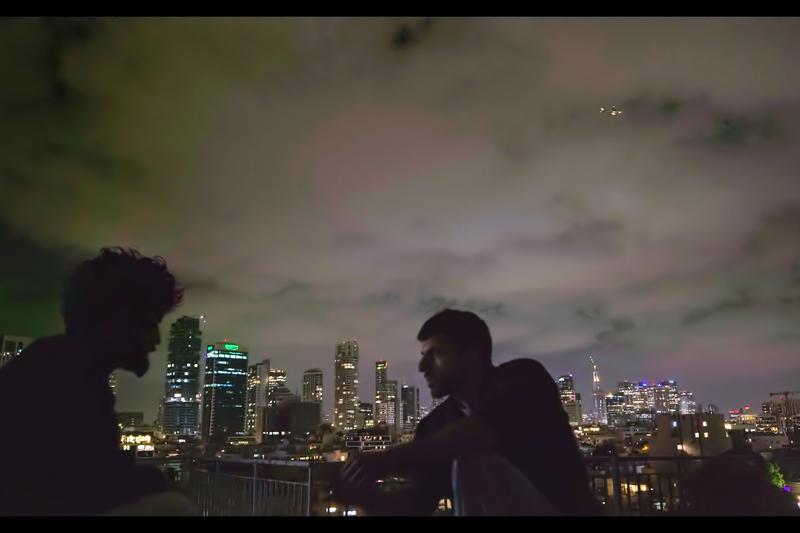
Former Israeli Prime Minister Naftali Bennett has publicly criticized the documentary film ‘NAZA.’ The film, co-directed by Israeli investigative journalists Yuval Abraham and Rachel Szor, focuses on the Israeli government’s involvement in the mass killing of Palestinian civilians during the ongoing Gaza war.
Bennett, currently the head of Bennett 2026, which is allied with Yesh Atid as part of an alliance called Together (Beyachad), and a leading candidate in upcoming elections, made his disapproval clear. His comments precede the film’s debut at the 83rd Venice International Film Festival.
The ‘NAZA‘ Documentary and Its Premise
‘NAZA’ is a 2026 documentary film. It was shot on location in Tel Aviv.
The film’s central theme explores the Israeli government’s actions. It specifically investigates the role of the government in the mass killing of Palestinian civilians.
Yuval Abraham and Rachel Szor are the co-directors. Both are recognized Israeli investigative journalists.
Szor also contributed as an editor, cinematographer, and activist to the project.
Venice International Film Festival Selection
The 83rd Venice International Film Festival selected ‘NAZA’ for its main competition. This places the documentary in contention for the Golden Lion award.
The festival is a significant international platform for cinema. Its selection indicates the film’s perceived artistic and thematic importance.
The festival is scheduled to take place from September 2 to September 12, 2026.
Naftali Bennett’s Stance
Naftali Bennett’s criticism highlights a political and cultural debate. His remarks reflect a broader tension surrounding the portrayal of the Gaza war.
Bennett served as Israel’s Prime Minister from 2021 to 2022. He remains an influential figure in Israeli politics.
His current role as B’Yachad party chairman positions him prominently in the political landscape. He is also a leading candidate in the upcoming elections.
The former Prime Minister’s public statements often carry significant weight. They can influence public opinion and political discourse both domestically and internationally.
Context of the Gaza War
The documentary’s subject matter is rooted in the ongoing Gaza war. This conflict has generated extensive international attention and debate.
Reports of civilian casualties have been a consistent feature of the conflict. These reports often fuel discussions about military conduct and international law.
The film’s focus on the Israeli government’s role is particularly sensitive. It touches upon issues of accountability and human rights.
Filming in Tel Aviv during the conflict provides a specific vantage point. It offers a perspective from within Israel during wartime.
Filmmakers’ Background and Intent
Yuval Abraham is known for his investigative journalism. His work often delves into complex socio-political issues within Israel and the Palestinian territories.
Rachel Szor also has a background in investigative journalism. Her involvement as an activist suggests a commitment to the film’s message beyond its artistic merit.
The co-directors’ intent appears to be to shed light on specific aspects of the conflict. They aim to present a narrative that challenges official accounts or dominant perspectives.
Their work contributes to the broader body of documentary filmmaking that addresses contemporary global conflicts. More information about Yuval Abraham’s work can be found on his official website.
Anticipation for the Venice Premiere
The film’s premiere at Venice is highly anticipated. It will likely generate further discussion and scrutiny.
Film festivals often serve as platforms for politically charged works. They provide a global stage for narratives that might otherwise struggle for visibility.
The Golden Lion competition adds another layer of prestige and attention. A win could significantly amplify the film’s reach and impact.
The debate initiated by Naftali Bennett underscores the film’s potential. It highlights its capacity to provoke strong reactions and engage with critical geopolitical issues. Details about the Venice International Film Festival are available on its official website.
The Intersection of Art and Politics
The controversy surrounding ‘NAZA’ exemplifies the intersection of art and politics. Documentary films frequently engage with real-world events and their political implications.
Such films can shape public perception. They can also influence policy discussions.
The criticism from a former head of state adds a significant political dimension. It elevates the film’s profile beyond typical cinematic discourse.
Filmmakers, politicians, and audiences will engage. They will debate the film’s message. They will debate its accuracy. They will debate its impact. The festival will be a focal point.
Buying, Selling, or Investing in the Ozarks?
JL Group specializes in direct property acquisitions, wealth transfer, and hassle-free real estate transactions across Springfield.