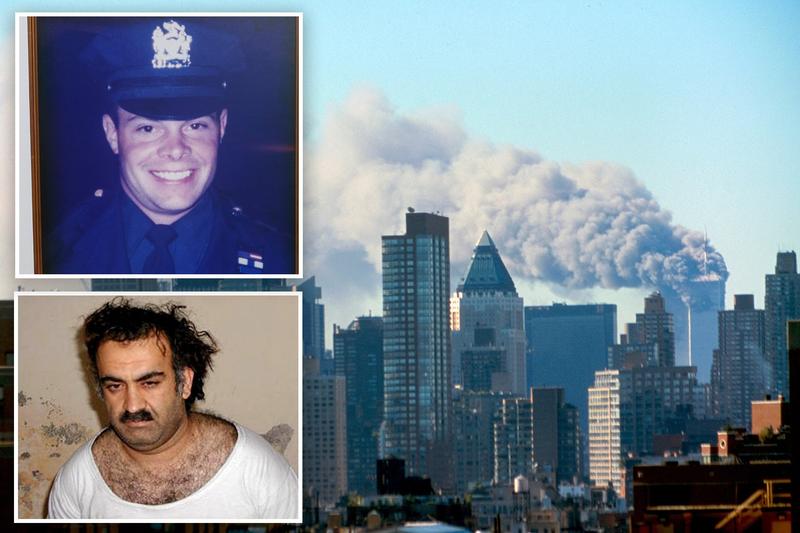
Twenty-five years will have elapsed since the September 11, 2001, terrorist attacks. The families of the nearly 3,000 victims continue their pursuit of justice. The alleged plotters, detained at Guantanamo Bay, have not yet faced a definitive trial.
This protracted legal process has generated significant frustration and calls for resolution from those directly impacted by the attacks.
The Lingering Legal Battle at Guantanamo Bay
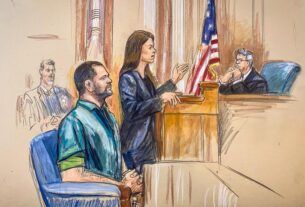
Khalid Sheikh Mohammed, identified as the alleged mastermind of the 9/11 attacks, remains in detention at Guantanamo Bay. He is awaiting trial for his role in the coordinated acts of terror that struck New York City, Washington D.C., and Shanksville, Pennsylvania.
Three other alleged co-conspirators, Walid bin Attash, Mustafa al-Hawsawi, and Ammar al-Baluchi, are also held at the facility. They face military trials for their alleged involvement in facilitating and executing the attacks.
Ramzi bin al-Shibh, another detainee, was ruled psychologically damaged and incompetent to stand trial in 2023. His case proceeds separately from the others.
“The delays are unconscionable. Twenty-five years is too long for families to wait for accountability.”
A trial date for Mohammed, bin Attash, al-Hawsawi, and al-Baluchi has been set for June 5, 2028. This date marks nearly 27 years after the attacks will have occurred.
Impact on 9/11 Families and Public Perception
The prolonged legal proceedings have deeply affected the families of 9/11 victims. Many express a profound sense of injustice and a desire for closure that remains elusive.
The delays raise questions about the efficacy and fairness of the military commission system established at Guantanamo Bay. Critics point to the complexity of the cases, the use of classified evidence, and legal challenges regarding interrogation techniques as contributing factors to the stagnation.
Public interest in the trials remains high. The 9/11 attacks represent a pivotal moment in modern history, shaping national security policies and international relations for decades.
Historical Context of the 9/11 Attacks
On September 11, 2001, al-Qaeda terrorists hijacked four commercial airplanes. Two planes struck the Twin Towers of the World Trade Center in New York City, causing both towers to collapse. One plane hit the Pentagon in Arlington, Virginia. The fourth plane, United Airlines Flight 93, crashed in a field in Shanksville, Pennsylvania, after passengers and crew fought back against the hijackers.
The attacks resulted in the deaths of 2,977 victims in New York City, Washington D.C., and Pennsylvania, along with the 19 hijackers. The event triggered the U.S. War on Terror and led to significant changes in global security measures.
The search for justice has been a central theme since the immediate aftermath of the attacks. The establishment of the Guantanamo Bay detention camp and the military commission system were direct responses to the need to prosecute alleged terrorists.
The Path Forward for the Trials
The June 5, 2028, trial date offers a potential timeline for resolution. However, previous trial dates have been set and subsequently postponed.
Legal experts anticipate further challenges and appeals. The unique legal framework of the military commissions, combined with the high-stakes nature of the cases, contributes to their slow progression.
The U.S. government maintains its commitment to bringing the alleged perpetrators to justice. The process continues to be scrutinized by international human rights organizations and legal observers.
Families gathered. Advocates gathered. Legal teams gathered. Guantanamo.
Position Your Brand Where Decision-Makers Read
High-impact advertising, brand positioning, and digital PR. Reach hundreds of thousands across the Midwest network.