
Iran’s New Maritime Declaration
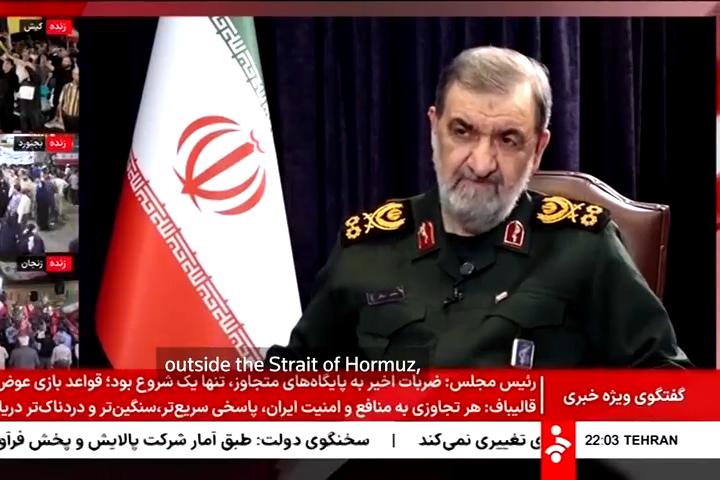
Iran plans to announce a new “restricted zone” near the Strait of Hormuz. This declaration is expected in the coming days. The zone will extend from the US Navy’s established blockade line into parts of the Persian Gulf.
Mohsen Rezaei, Secretary of Iran’s Supreme National Security Council, confirmed this development. He was appointed to this role on August 9, 2026. Rezaei stated that any ship entering this new zone with the intention of passing through the Strait of Hormuz will face Iranian sanctions.
Strategic Control of a Chokepoint
The Strait of Hormuz is a vital international waterway. Approximately one-fifth of the world’s oil supply passes through this narrow passage. Iran’s move aims to assert greater control over this critical chokepoint.
This new measure follows a period of heightened tensions. The Strait of Hormuz has been largely blocked by Iran since February 28, 2026. This blockade occurred after US and Israeli attacks on Iran.
International Reactions and Deployments
The United States military has responded to Iran’s actions. Over 20 warships have been deployed to support a blockade. This blockade targets Iranian ports.
The international community watches these developments closely. The potential for disruption to global shipping and energy markets remains significant. The new restricted zone adds another layer of complexity to an already volatile region.
Oman‘s Role in the Corridor Agreement
Iran and Oman are expected to sign an agreement soon. This agreement concerns a new international shipping corridor. The corridor will pass through the Strait of Hormuz.
The proposed corridor’s entry and exit points will be controlled by Iran. This arrangement suggests a coordinated effort to manage maritime traffic under new Iranian regulations. The details of this agreement are anticipated in the coming days.
Historical Context of Strait Tensions
The Strait of Hormuz has a history of geopolitical significance. Past incidents have involved naval confrontations and threats to shipping. The current situation represents a renewed effort by Iran to leverage its geographical position.
The establishment of a restricted zone marks a direct challenge to international maritime law and freedom of navigation. Global powers are monitoring the situation for potential escalations. The economic implications for oil prices and trade routes are substantial.
Enterprise Data as a Service
Premium insights and data pipelines for businesses. Secure a competitive edge with high-fidelity market intelligence and automated data flows.