PG&E Defers $2 Billion in Work Following Legislative Inaction
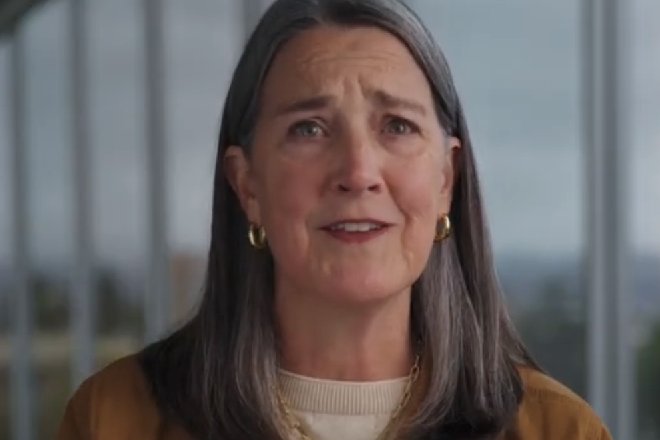
Patti Poppe, Chief Executive Officer of PG&E Corporation, publicly criticized California’s wildfire liability rules on September 2, 2026. The utility announced it would defer approximately $2 billion in planned work for 2027 following the California Assembly‘s failure to pass new wildfire legislation sought by Governor Newsom. This deferral impacts projects connecting new housing, interconnecting new renewable generation, technology upgrades, and large load projects. PG&E will still invest about $11.4 billion in California in 2027, but the company has also launched a strategic review of its businesses.
Official Statements and Corporate Response
Patti Poppe, in a statement reported by the New York Post, described the situation as “straight up extortion,” referring to the state’s current wildfire liability framework. Poppe stated that the lack of legislative action forced the utility to make difficult financial decisions impacting future infrastructure development. Governor Newsom’s office has not yet issued a formal response to Poppe’s comments or PG&E’s decision to defer work. The California Public Utilities Commission (CPUC) oversees utility operations and safety standards within the state, and any significant deferral of work by a major utility like PG&E typically falls under their purview for review and approval. The utility’s decision shows ongoing tensions between California’s energy providers and state lawmakers regarding wildfire prevention and financial responsibility.
Background on PG&E and California Wildfire Challenges
Pacific Gas and Electric Company (PG&E) is California’s largest utility, providing natural gas and electricity to approximately 16 million people across 70,000 square miles. The company has faced significant scrutiny and financial challenges related to its role in numerous devastating wildfires across California in recent years. In 2019, PG&E filed for bankruptcy protection due to liabilities from wildfires, including the 2018 Camp Fire, which was the deadliest and most destructive wildfire in California history. The company emerged from bankruptcy in 2020, committing to extensive safety upgrades and wildfire mitigation efforts. These efforts include hardening infrastructure, increasing vegetation management, and implementing Public Safety Power Shutoffs (PSPS) during high fire-risk conditions.
California’s unique legal framework, known as inverse condemnation, holds utilities strictly liable for damages caused by their equipment, even if they were not negligent. This rule has been a central point of contention for utilities, which argue it places an unsustainable financial burden on them, hindering investment in necessary infrastructure improvements. Governor Gavin Newsom has consistently pushed for legislative solutions to address wildfire risks and utility financial stability. His efforts have included proposals for a wildfire fund and reforms to the inverse condemnation doctrine, aiming to balance utility accountability with the need for reliable and affordable energy. The recent failure of the California Assembly to pass new wildfire legislation has exacerbated these tensions, leading directly to PG&E’s decision to defer critical work. This deferral could impact the state’s ability to connect new housing developments and integrate additional renewable energy sources into the grid, potentially slowing California’s progress towards its climate goals. For more information on related legislative efforts, see ByteSize Network’s coverage of Nick Saban’s advocacy for NCAA billswhich highlights how legislative actions can impact various sectors. The ongoing debate highlights the complex interplay between environmental policy, public safety, and corporate responsibility in a state highly vulnerable to climate change impacts. Further details on PG&E’s operations can be found on their official website.
Buying, Selling, or Investing in the Ozarks?
JL Group specializes in direct property acquisitions, wealth transfer, and hassle-free real estate transactions across Springfield.