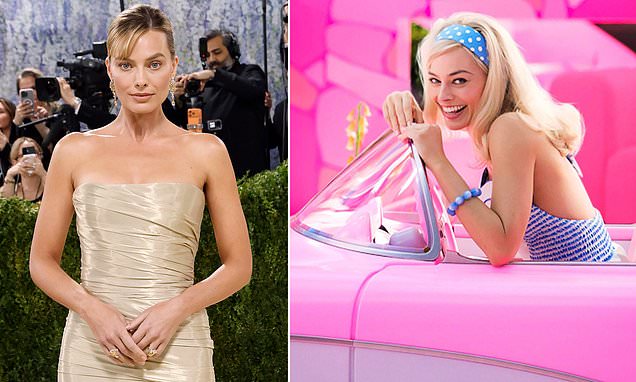
The Barbie sequel—once considered a greenlit certainty after the 2023 original earned $1.4 billion worldwide—now sits in development limbo.
The holdup isn’t creative. It’s financial.
Reports surfaced in late July 2026 that one of the film’s leads is seeking an eight-figure payday to return, a demand that has stalled negotiations with Warner Bros. and Mattel Films.
The Numbers Behind the Original
Barbie opened July 21, 2023. It became the highest-grossing film of the year. Domestic box office: $636 million. International: $783 million. Total: $1.446 billion.
Director Greta Gerwig became the first solo female director to break the billion-dollar mark. Margot Robbie, who starred and produced through her LuckyChap Entertainment banner, earned an estimated $12.5 million upfront plus backend participation that likely pushed her total compensation past $50 million.
Ryan Gosling, who played Ken, signed on for a reported $5 million base with performance-based bonuses tied to box office milestones. His backend share remains undisclosed, but industry analysts estimate his total take landed between $15 million and $25 million.
Warner Bros. greenlit sequel development in August 2023. Mattel CEO Ynon Kreiz told investors the company planned a “Barbie Cinematic Universe” with multiple films, spinoffs, and streaming content. Gerwig and co-writer Noah Baumbach were reportedly in early talks to return.
Then the momentum stalled.
What Changed
As of August 2, 2026, Warner Bros. has not announced a director, a release date, or confirmed casting for the sequel. Industry trades cite “ongoing negotiations” as the cause.
Sources speaking to Daily Mail and Variety indicate that one of the film’s principal stars—unnamed in initial reports but widely speculated to be either Robbie or Gosling—has requested a payday in the “low eight figures” to return. That translates to a base salary between $10 million and $20 million, before backend points.
For Robbie, who already commanded $12.5 million on the first film, the jump to $15 million or $18 million would track with her elevated post-Barbie market value. She is now a producer on multiple Warner Bros. projects and commands A-list quote across studios.
For Gosling, the leap would be steeper. His original $5 million deal reflected his supporting role. An eight-figure ask would position Ken as a co-lead—a reasonable pitch given the character’s breakout cultural impact and the viral success of “I’m Just Ken.”
Warner Bros. insiders, speaking anonymously, say the studio is willing to raise both actors’ salaries but balks at setting a precedent that could inflate costs across the broader DC and Mattel franchise slate.
The Post-Strike Landscape
The standoff unfolds in a transformed Hollywood. The 2023 SAG-AFTRA and WGA strikes reset actor leverage. Streaming residuals, backend transparency, and AI protections became non-negotiable.
Stars who delivered billion-dollar hits—like Robbie—now enter negotiations with unprecedented bargaining power. Agents cite Barbie’s profitability (production budget: $145 million; marketing spend: approximately $150 million; total cost before participation payouts: under $300 million) as proof that actors deserve larger shares of runaway successes.
Warner Bros., meanwhile, operates under new leadership. CEO David Zaslav has publicly committed to franchise discipline and cost control. The studio cancelled Batgirl, shelved completed projects, and restructured its release slate to prioritize “event” films with manageable budgets.
A Barbie sequel checks the event-film box. But if star salaries push production costs toward $200 million—before marketing—the studio’s margin shrinks.
What Happens Next
Mattel remains publicly optimistic. In an earnings call on July 25, 2026, CEO Kreiz said the company is “actively developing” multiple Barbie-related projects but declined to comment on casting timelines.
Gerwig has not publicly committed to directing the sequel. In interviews promoting her next film—an adaptation of C.S. Lewis’s The Chronicles of Narnia for Netflix—she described Barbie as a “complete story” and said any sequel would need to justify its existence creatively, not financially.
Baumbach, her partner and co-writer, echoed the sentiment. He told The Hollywood Reporter in June 2026 that he and Gerwig had “ideas” but no script.
Without a locked script, a committed director, or confirmed stars, Warner Bros. cannot lock a release date. Analysts now project the earliest the sequel could hit theaters is summer 2028—five years after the original.
The Bigger Picture
The Barbie salary standoff is not unique. Tom Cruise restructured his Mission: Impossible deals to take smaller upfront fees in exchange for greater backend control. Dwayne Johnson negotiated profit participation on Black Adam that reportedly earned him more than his $22.5 million salary despite the film’s modest box office.
Scarlett Johansson sued Disney in 2021 over Black Widow’s simultaneous streaming release, arguing it violated her contract and cost her millions in backend revenue. The case settled privately, but it set a precedent: stars now demand contractual protection against release-strategy shifts that erode box office performance.
Robbie and Gosling—both SAG-AFTRA members who walked picket lines in 2023—are negotiating in that environment. They saw how studios prioritized cost-cutting over talent partnership during the strikes. They saw how streaming ate into traditional backend models.
Now they are leveraging the one asset studios cannot replicate: proven box office appeal.
The Risk
If Warner Bros. refuses the demands, the sequel may not happen. Recasting Barbie and Ken would alienate the fanbase that turned the 2023 film into a cultural event. The IP has value, but the IP without Robbie and Gerwig loses its lightning-in-a-bottle appeal.
If Warner Bros. meets the demands, every star with a billion-dollar hit will cite Barbie as precedent. Budgets inflate. Profit margins shrink. Franchise economics shift.
The studio is stuck.
Robbie is not.
Gosling is not.
Barbie sits on a shelf.
Frequently Asked Questions
Why is the Barbie sequel delayed?
The Barbie sequel is reportedly delayed due to salary negotiations. One of the film’s stars is seeking an eight-figure payday to return, a demand that has stalled talks with Warner Bros. and Mattel Films. As of August 2026, the studio has not announced a director, release date, or confirmed casting.
How much did Margot Robbie make from the first Barbie movie?
Margot Robbie earned approximately $12.5 million upfront for starring in and producing Barbie (2023). With backend participation tied to the film’s $1.446 billion global box office, industry estimates place her total compensation above $50 million.
How much did Ryan Gosling get paid for Barbie?
Ryan Gosling’s base salary for Barbie was reported at $5 million, with performance bonuses tied to box office milestones. Industry analysts estimate his total compensation, including backend points, landed between $15 million and $25 million.
Will Greta Gerwig direct the Barbie sequel?
Greta Gerwig has not publicly committed to directing the Barbie sequel as of August 2026. In recent interviews, she described the original film as a “complete story” and said any sequel would need strong creative justification beyond financial success.
When will the Barbie sequel be released?
Warner Bros. has not announced a release date for the Barbie sequel. Without a locked script, confirmed director, or finalized casting, industry analysts project the earliest possible theatrical release is summer 2028—five years after the 2023 original.
Leave a Reply