
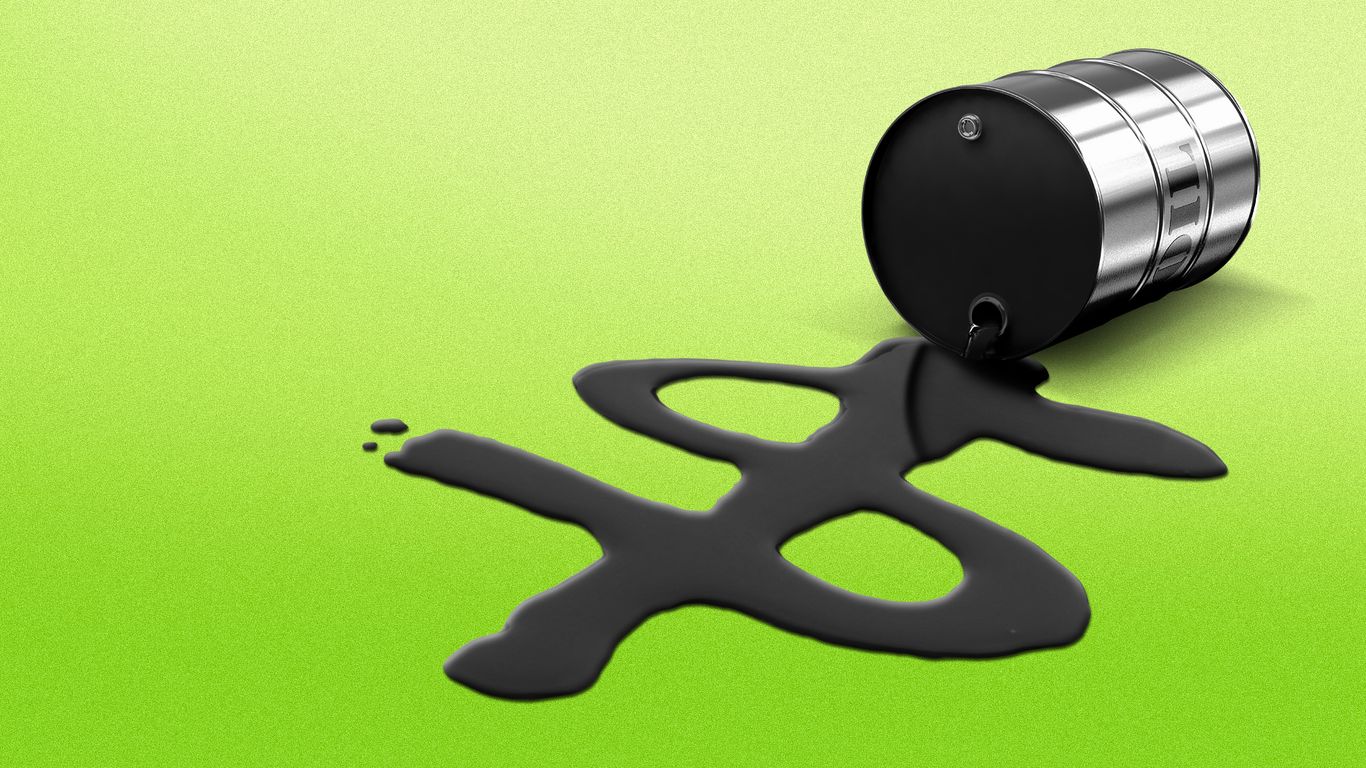
The Energy Department finds itself in the crosshairs this August. Conservative critics say the agency is slow-walking oil deal approvals with Venezuela. The pace, they argue, is bureaucratic stalling dressed up as process.
At issue are potential agreements that could bring Venezuelan crude back into U.S. energy markets. The deals remain in administrative limbo. Weeks have turned into months.
The frustration is audible in congressional hallways and energy sector boardrooms alike.
The Venezuelan Oil Question Returns
Venezuela sits atop some of the world’s largest proven oil reserves. The Orinoco Belt alone holds an estimated 1.4 trillion barrels. For years, U.S. sanctions kept that crude largely off American shores.
Sanctions tightened dramatically under the Trump administration starting in January 2019. The Biden administration maintained most restrictions through its term. Now, in 2026, the conversation has shifted.
Energy market volatility has renewed interest in diversifying supply chains. Venezuela represents potential relief. But potential requires paperwork. Paperwork requires approval. Approval requires the Energy Department.
That’s where the process has stalled.
Conservative Scrutiny Intensifies
Republican lawmakers on the House Energy and Commerce Committee issued statements in late July 2026. They accused the Energy Department of unnecessary delays. Some used the phrase “administrative sabotage.”
The criticism centers on what conservatives view as political hesitation. Engaging with Nicolás Maduro’s government remains contentious. Human rights organizations document ongoing repression in Venezuela. Democratic socialists control the National Assembly. Oil revenues could prop up a regime many in Washington consider illegitimate.
But energy hawks argue national interest outweighs diplomatic discomfort. They point to rising gasoline prices in key swing states. They cite supply chain vulnerabilities exposed during the 2025 Gulf Coast hurricane season. They want the oil flowing.
The Energy Department, they say, is dragging its feet for political reasons rather than technical ones.
What the Energy Department Says
Energy Department officials defend the pace as prudent. Spokesman Michael Torres told reporters on July 29, 2026, that “due diligence on complex international energy agreements takes time.” He emphasized compliance reviews, environmental impact assessments, and coordination with the State Department and Treasury.
Torres noted that Venezuelan state oil company PDVSA remains under multiple U.S. sanctions. Any deal requires careful legal structuring. Payment mechanisms must avoid sanctions violations. Crude quality varies across Venezuelan fields. Refinery compatibility requires technical vetting.
The department also points to ongoing negotiations. Venezuela has proposed various partnership structures. Some involve direct crude sales. Others propose joint ventures with American energy firms. Each structure carries different legal, financial, and diplomatic implications.
Choosing the wrong framework, officials argue, could backfire spectacularly.
The Political Tightrope
The current administration faces pressure from multiple directions. Energy sector lobbyists want market access. National security advisors want leverage over Maduro. Environmental groups oppose any expansion of fossil fuel partnerships. Progressive Democrats in Congress view engagement with Venezuela’s government as morally problematic.
Energy Secretary Jennifer Callahan testified before the Senate Energy and Natural Resources Committee on July 22, 2026. She acknowledged the “challenging political environment” surrounding Venezuelan oil. She defended the department’s approach as “methodical rather than reckless.”
Senator Mike Lee, Republican of Utah, pressed Callahan on specific timelines. “How many more months?” he asked. Callahan declined to commit to a date. “We’re working as expeditiously as possible,” she said.
That answer satisfied no one.
Industry Voices
Energy companies with potential stakes in Venezuelan deals are mostly silent publicly. Executives speak off the record. They describe a “frustrating” process. One executive at a major independent refiner told industry publication Petroleum Intelligence Weekly that “we’ve submitted every document they’ve asked for, twice.”
Another executive, speaking anonymously to Reuters on July 31, 2026, said the Energy Department keeps requesting additional analyses. “It feels like they’re hoping we’ll just give up,” the executive said.
Trade groups are more vocal. The American Petroleum Institute issued a statement on August 1 calling for “transparent timelines and clear criteria” for Venezuelan oil deal approvals. The Independent Petroleum Association of America echoed the sentiment.
Both groups stopped short of accusing the Energy Department of bad faith. But the implication hung in the air.
The Venezuela Factor
Venezuela’s government watches closely. Maduro referenced the U.S. negotiations in a televised address on July 28, 2026. He accused Washington of “playing games” and “disrespecting Venezuelan sovereignty.” He threatened to redirect oil exports exclusively to China and India if U.S. deals don’t materialize soon.
Whether that’s a credible threat remains debatable. Venezuela’s oil infrastructure has deteriorated significantly. Production peaked above 3 million barrels per day in the late 1990s. Current output hovers around 800,000 barrels per day. The industry needs foreign investment and technical expertise. American companies offer both.
But patience in Caracas is wearing thin. So is patience in Washington.
Energy Markets and Election Year Math
Gasoline prices in the United States averaged $3.89 per gallon as of August 1, 2026, according to AAA. That’s up 12 cents from a month earlier. It’s up 34 cents from a year earlier.
Voters notice. Politicians notice voters noticing. With midterm elections three months away, energy prices are a recurring theme in campaign ads. Republican challengers in competitive districts hammer Democrats on energy policy.
Some Democratic strategists quietly argue that approving Venezuelan oil deals could provide political cover. Lower prices at the pump before November 3, 2026, could shift the electoral calculus. But progressives in the party oppose the optics of partnering with Maduro.
The Energy Department sits in the middle of this calculation. Every week of delay is a week closer to Election Day. Every week of delay is another week of Republican attack ads.
What Comes Next
Energy Department officials say they’re “nearing completion” of the review process. They’ve offered no specific date. Industry sources expect a decision by late August or early September 2026 at the earliest. Some think it could stretch into October.
Conservative critics say that timeline is conveniently timed to avoid pre-election controversy. If deals are announced after November 3, they argue, the administration avoids blowback from progressives before voters go to the polls.
The Energy Department denies any electoral motivation. Torres reiterated on August 2 that “our timeline is driven by technical and legal requirements, not the political calendar.”
Meanwhile, the frustration simmers. Congressional oversight hearings are scheduled for mid-August. House Republicans promise tough questions. Energy sector executives prepare for more waiting.
And the Venezuelan oil sits in the ground. Untapped. Untouched. The subject of Washington process rather than global markets.
The Terminal Question
The Energy Department moves slowly. Conservatives grow louder. Industry waits. Venezuela watches. November approaches.
Bureaucracy.
Frequently Asked Questions
Why is the U.S. Energy Department facing criticism over Venezuelan oil deals?
The Energy Department is under fire from conservative lawmakers and energy sector advocates for what they characterize as slow, bureaucratic processing of potential oil agreements with Venezuela. Critics argue the delays are politically motivated rather than driven by necessary technical or legal review, and that faster approvals could help ease energy market pressures and lower gasoline prices.
What are the main concerns delaying Venezuelan oil deals?
Energy Department officials cite several factors: complex sanctions compliance involving Venezuelan state oil company PDVSA, legal structuring of payment mechanisms, environmental impact assessments, crude quality and refinery compatibility reviews, and coordination with the State Department and Treasury. Political sensitivities around engaging with the Maduro government also complicate decision-making.
How much oil does Venezuela have?
Venezuela sits atop some of the world’s largest proven oil reserves, with the Orinoco Belt alone holding an estimated 1.4 trillion barrels. However, current production has fallen dramatically to around 800,000 barrels per day in 2026, down from over 3 million barrels per day in the late 1990s, due to infrastructure deterioration and lack of investment.
When might the Energy Department approve Venezuelan oil deals?
Energy Department officials say they are “nearing completion” of reviews but have not committed to a specific date. Industry sources expect a decision by late August or early September 2026 at the earliest, though some predict it could stretch into October. Critics suggest the timing may be influenced by the November 2026 midterm elections.
What impact could Venezuelan oil have on U.S. gasoline prices?
Proponents of Venezuelan oil deals argue that increased supply could help ease energy market pressures and potentially lower gasoline prices, which averaged $3.89 per gallon as of August 1, 2026, up 34 cents from a year earlier. However, the actual market impact would depend on the volume of oil imported, refinery capacity to process Venezuelan crude, and broader global energy market conditions.

Leave a Reply