
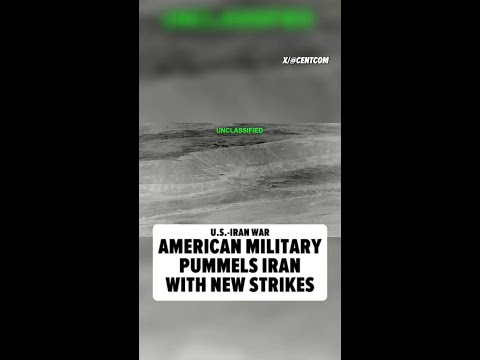
US Conducts Ten Strikes on Iran Amidst Ceasefire Concerns
The United States executed ten strikes targeting locations within Iran on June 28, 2026. This military action has placed significant strain on the existing ceasefire in the Middle East, which observers characterize as highly precarious. The strikes represent a critical juncture in the complex geopolitical landscape of the region.
International bodies and diplomatic channels are actively engaged in assessing the immediate and long-term consequences of these actions. The incident has prompted widespread calls for de-escalation from various global leaders.
The Context of the Ceasefire
The ceasefire, established several months prior to the June 28, 2026, strikes, aimed to halt a period of sustained conflict. It involved multiple regional actors and was brokered through extensive international mediation efforts. The terms of this ceasefire were delicate, relying on mutual restraint and adherence to specific agreements.
Analysts have consistently described the ceasefire as fragile. Its stability depended heavily on the avoidance of provocative actions by any involved party. The recent US strikes introduce a new and significant challenge to this already unstable arrangement.
Previous violations and skirmishes had tested the ceasefire’s resilience. However, the scale and direct nature of the June 28, 2026, strikes represent an escalation distinct from earlier incidents. This raises fundamental questions about the future viability of the peace agreement.
Specifics of the Strikes
Details regarding the precise locations and nature of the ten strikes remain under active investigation by international observers. Initial reports indicate that the targets were geographically dispersed within Iran. The US Department of Defense has not yet released comprehensive information regarding the objectives or outcomes of these operations.
Sources within intelligence communities suggest the strikes were highly coordinated. They were reportedly executed with precision, aiming to minimize collateral damage. However, independent verification of these claims is ongoing.
The Iranian government has condemned the strikes as a violation of its sovereignty. Official statements from Tehran have indicated a readiness to respond, though the form of any potential retaliation has not been specified as of June 28, 2026.
International Reactions and Diplomatic Fallout
Global reactions to the US strikes have been swift and varied. The United Nations Security Council convened an emergency session to discuss the developments. Secretary-General António Guterres issued a statement expressing deep concern over the escalation of tensions.
Several European Union member states have called for immediate de-escalation and a return to diplomatic dialogue. China and Russia, both permanent members of the UN Security Council, have urged all parties to exercise restraint. They have emphasized the importance of upholding international law and preserving regional stability.
Regional allies of the United States have largely maintained silence or issued cautious statements. This reflects the delicate balance of power and the intricate network of alliances in the Middle East. The incident places these nations in a challenging diplomatic position.
Historical Precedents and Regional Instability
The Middle East has a long history of geopolitical tension and conflict. Previous military interventions and regional proxy wars have often led to prolonged periods of instability. The current situation echoes past crises, where single events triggered broader regional confrontations.
The relationship between the United States and Iran has been characterized by periods of intense rivalry and confrontation for decades. Key historical moments include the 1979 Iranian Revolution, the Iran-Iraq War of the 1980s, and ongoing disputes over Iran’s nuclear program and regional influence.
These historical precedents underscore the potential for rapid escalation. The current ceasefire was an attempt to break this cycle of conflict. The recent strikes threaten to unravel years of painstaking diplomatic efforts.
The Role of International Law and Sovereignty
The principle of national sovereignty is a cornerstone of international law. Military actions taken by one nation within the borders of another without explicit consent or UN authorization often draw widespread condemnation. The US strikes on Iranian territory fall under this scrutiny.
Questions are being raised regarding the legal justification for the strikes. The United States has not yet publicly articulated a detailed legal basis for its actions. This lack of clarity contributes to the international outcry and complicates diplomatic responses.
International legal experts are analyzing the situation in light of various treaties and conventions. The outcomes of these analyses will significantly influence global perceptions and future diplomatic engagements concerning the incident.
Economic and Humanitarian Impact
The immediate economic impact of the strikes is already being felt. Global oil prices have seen an upward spike, reflecting market anxieties about potential disruptions to energy supplies from the Middle East. Shipping routes in vital waterways, such as the Strait of Hormuz, are under increased surveillance.
Humanitarian organizations have voiced concerns about the potential for a renewed humanitarian crisis. A breakdown of the ceasefire could lead to further displacement of populations and increased suffering in areas already devastated by conflict. Aid agencies are preparing contingency plans for a worsening situation.
The long-term economic repercussions could be substantial. Sustained instability in the region impacts global trade, investment, and supply chains. The international community faces the challenge of mitigating these potential economic and humanitarian costs.
The Path Forward: Diplomacy or Escalation?
The immediate future hinges on the responses of the involved parties. Diplomatic efforts are underway to de-escalate the situation and salvage the ceasefire. Calls for dialogue and negotiation are emanating from multiple international capitals.
However, the potential for further escalation remains high. Retaliatory actions from Iran could trigger a cycle of violence, drawing in other regional and international actors. The stability of the entire Middle East hangs in a precarious balance.
The international community faces a critical test. The ability to prevent a wider conflict will depend on the effectiveness of diplomatic pressure, the adherence to international norms, and the willingness of all parties to prioritize peace over confrontation. The coming days will be crucial in determining the trajectory of this volatile situation.
Leaders convene. Diplomats negotiate. Populations wait.
Uncertainty.