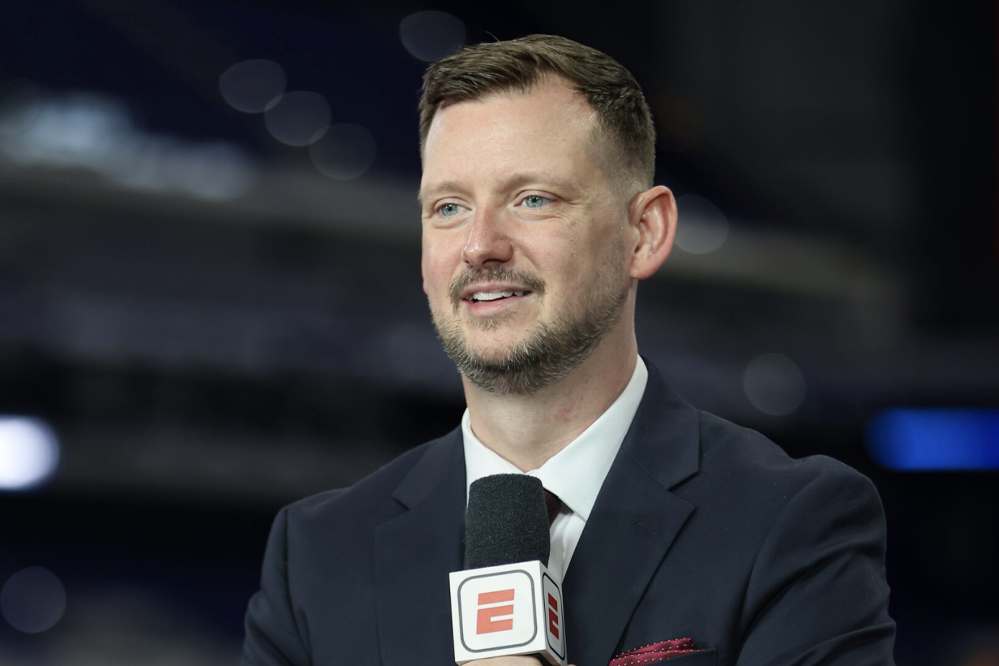
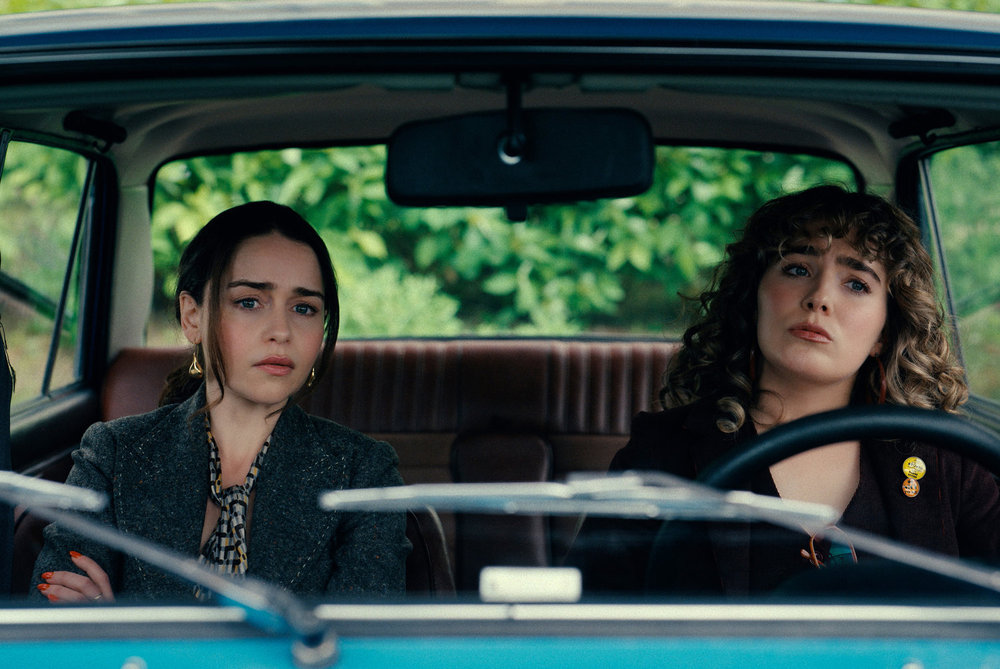
David Iserson, co-creator of the animated series Ponies, has publicly addressed the show’s cancellation, delivering a message of “goodbye for now” to its characters, Bea and Twila. His statement, released on June 27, 2026, conveyed a hopeful tone regarding the series’ potential future return. This sentiment is common among creators facing the discontinuation of their projects, often reflecting both personal attachment and the desire to reassure a dedicated fanbase.
The announcement from Iserson follows the news of Ponies’ termination, marking another instance of a television series concluding its run. Such events frequently prompt discussions within the entertainment industry and among viewers about the factors influencing content decisions. These factors include viewership numbers, production costs, and strategic shifts by networks or streaming platforms.
The Creator’s Perspective on Cancellation
Iserson’s message was brief but poignant. He stated, “I hope we all get to visit them again,” referring to the characters Bea and Twila. This phrase suggests an openness to revisiting the series in a different format or on another platform at a later date. It is a common refrain from creators who believe their stories have more to tell, even when current circumstances dictate a pause.
The creative process for an animated series like Ponies involves years of development, writing, voice acting, and animation. For creators, the cancellation of a show represents the end of a significant professional and personal investment. Public statements often balance professional courtesy with genuine emotional connection to the work.
Navigating Industry Decisions
Television and streaming services make cancellation decisions based on complex algorithms and business models. These models evaluate metrics such as subscriber engagement, advertising revenue, and critical reception. The landscape is constantly shifting, with new platforms emerging and established ones refining their content strategies.
Industry trends in 2026 continue to emphasize original content production. However, they also prioritize cost-effectiveness and audience retention. Shows that do not meet specific performance benchmarks are often subject to cancellation, regardless of their critical acclaim or niche following. This commercial reality shapes the careers of many writers, directors, and animators.
Fan Reaction and Community Impact
The cancellation of a beloved series like Ponies often elicits strong reactions from its dedicated fanbase. Social media platforms become immediate venues for expressing disappointment, petitioning for renewals, and sharing fond memories of the show. These fan communities can exert pressure on networks and studios, though success in reversing cancellation decisions remains rare.
Online campaigns, often using specific hashtags, aim to demonstrate audience demand. While these efforts occasionally lead to a series being picked up by another platform, they more frequently serve as a collective grieving process for the show’s ending. The passion of these communities underscores the cultural impact that television series can have.
The Role of Streaming Services
Streaming services have significantly altered the television industry’s dynamics. They have introduced new models for content consumption and production. While they offer more opportunities for diverse storytelling, they also operate with distinct financial pressures. Subscriber growth and churn rates are paramount, influencing decisions about which shows to renew or cancel.
The competitive nature of the streaming market means that platforms are constantly evaluating their content libraries. They seek shows that can attract new subscribers and retain existing ones. This intense competition can lead to shorter lifespans for series that might have had longer runs on traditional broadcast television.
Previous Cases of Show Cancellations and Revivals
The history of television is replete with examples of shows that ended prematurely, only to find new life years later. Series like Arrested Development and Futurama were famously revived by new platforms or networks after initial cancellations. These instances offer a glimmer of hope for creators like David Iserson and fans of Ponies.
These revivals often occur when a new platform sees an opportunity to capitalize on an existing fanbase and intellectual property. The gap between cancellation and revival can span several years, allowing for changes in audience tastes, technological advancements, and shifts in the media landscape. The potential for a future return remains a possibility, albeit often a distant one.
Creator Statements and Future Prospects
David Iserson’s statement is strategically worded to keep that possibility open. By saying “goodbye for now,” he avoids a definitive closure, maintaining a connection to the project and its characters. This approach is not uncommon in the industry, as creators often hope to leverage past successes or popular intellectual property for future endeavors.
The entertainment industry often sees talent move between projects and platforms. Iserson, as a co-creator, will likely pursue new ventures. However, the legacy of Ponies and the potential for its return will remain a part of his professional narrative. This dynamic interplay between past projects and future opportunities is a constant in creative careers.
The Business of Animation
Producing animated series is an expensive and time-consuming undertaking. The costs associated with voice talent, animators, writers, and post-production can be substantial. Networks and streamers must weigh these costs against projected viewership and potential returns on investment.
The animation industry has seen significant growth in recent years, fueled by demand from streaming services for family-friendly and adult animation. However, this growth also brings increased competition and scrutiny over budgets. Decisions about series renewals are often made with these financial realities at the forefront.
Impact on Creative Teams
A show’s cancellation affects not only the creators but also the entire production team. Animators, writers, voice actors, and production staff face job displacement. The stability of employment in the entertainment industry is often contingent on the success and longevity of individual projects.
For many, working on a series like Ponies represents a significant portion of their professional lives. The end of such a project requires them to seek new opportunities, often in a highly competitive market. This human element of cancellations is a constant underlying factor in the industry.
Looking Ahead for ‘Ponies’ and Its Creators
David Iserson’s statement leaves the door ajar for future possibilities. While Ponies may have concluded its initial run, the sentiment expressed by its co-creator suggests an enduring hope for its world and characters. The animation industry is dynamic, with new platforms and production models continually emerging.
The future of Ponies, like many canceled series, will depend on a confluence of factors: sustained fan interest, the availability of funding, and the strategic interests of potential new distributors. For now, Bea and Twila remain in a state of suspended animation.
Creators reflect. Fans mourn. Platforms decide.
The cycle continues.
Hope persists.
For now.