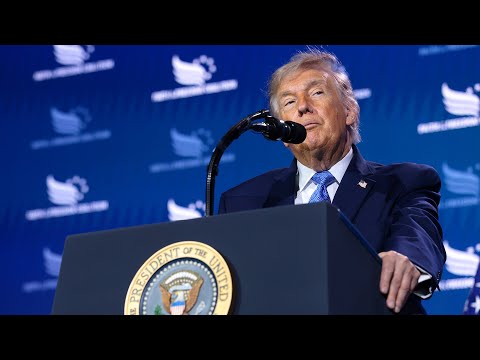
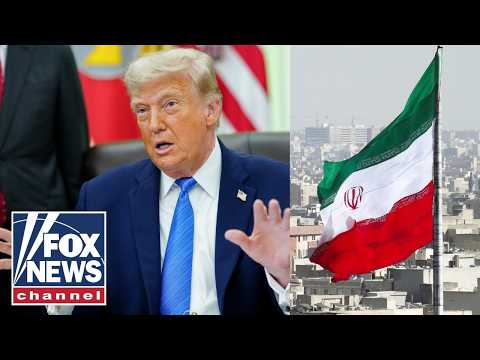
Former President Donald Trump issued a stark declaration on June 28, 2026. He stated that Iran “will no longer exist” if ceasefire violations continue. This direct warning was broadcast across major news networks, including Fox News and CNN.
Trump’s statement specifically cited recent aggressions in the Gulf of Oman, where commercial shipping lanes have experienced increased targeting. He also referenced Iran’s continued support for various proxy militias operating in Syria, which have been linked to breaches of existing de-escalation agreements.
The Immediate Context of Trump’s Warning
The former President’s remarks came during a rally in Phoenix, Arizona. He detailed what he described as a pattern of unprovoked actions. These actions, according to Trump, undermine regional stability and international agreements.
Aggressions in the Gulf of Oman
Recent reports from international maritime security agencies have documented multiple incidents in the Gulf of Oman. These include drone attacks and attempts to board commercial vessels. While no definitive attribution was made in all cases, intelligence assessments have frequently pointed towards Iranian-backed elements.
Proxy Activities in Syria
In Syria, ceasefire agreements brokered by various international parties have been routinely challenged. Iranian-backed militias have been accused of violating these terms. These violations often involve cross-border shelling and expansion into demilitarized zones.
International Reactions and Geopolitical Implications
Trump’s statement immediately drew attention from global leaders and diplomatic bodies. The severity of the language used suggests a potential shift in policy, should he return to office.
Statements from World Leaders
The United Nations Security Council convened an emergency session to discuss the escalating rhetoric. Secretary-General António Guterres urged de-escalation from all parties. European Union officials expressed concern over the potential for wider conflict in the Middle East.
Iranian Response
Iranian Foreign Minister Hossein Amir-Abdollahian condemned Trump’s remarks as “provocative and baseless.” He reiterated Iran’s stance on regional security, asserting its right to defend its interests. The Iranian Revolutionary Guard Corps (IRGC) also issued a statement, vowing a “crushing response” to any aggression.
Historical Precedent and Ongoing Tensions
Relations between the United States and Iran have been fraught for decades. Multiple administrations have grappled with Iran’s nuclear program and its regional influence. Former President Trump’s previous term saw the withdrawal from the Joint Comprehensive Plan of Action (JCPOA) and the imposition of stringent sanctions.
The JCPOA and Sanctions
The 2015 nuclear deal, known as the JCPOA, aimed to limit Iran’s nuclear capabilities in exchange for sanctions relief. The Trump administration withdrew from this agreement in 2018. This action reimposed and expanded sanctions, severely impacting Iran’s economy.
Regional Power Dynamics
The Middle East remains a complex geopolitical landscape. Iran’s relationships with neighboring countries, its support for groups like Hezbollah and the Houthis, and its rivalry with Saudi Arabia contribute to persistent instability. Ceasefire agreements are frequently tested within this intricate web of alliances and conflicts.
The current declaration by Donald Trump adds another layer of complexity. It underscores the fragility of existing de-escalation efforts. It also highlights the deep-seated distrust that characterizes U.S.-Iran relations.