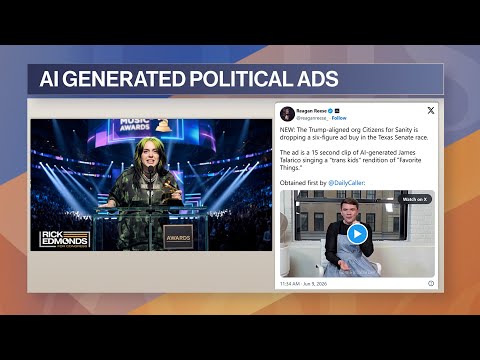

James Carville’s Direct Message to the Democratic Party
Veteran Democratic strategist James Carville recently delivered a ‘stark warning’ to the Democratic Party. His message centered on the party’s engagement with contemporary cultural issues. Carville asserted that certain progressive stances on these topics risk alienating a significant portion of the American electorate. He used the phrase ‘a bridge too far’ to describe these specific positions.
Carville’s commentary, which circulated widely across political news outlets in 2026, highlighted a persistent strategic tension within the Democratic coalition. This tension involves balancing the pursuit of progressive ideals with the necessity of achieving broader electoral appeal. His intervention reignited discussions about the party’s messaging and its perceived distance from the concerns of everyday voters.
The Context of Carville’s Warning
James Carville has a long history of advising Democratic leaders. He is known for his direct communication style and his focus on electoral pragmatism. His career includes a prominent role in Bill Clinton’s 1992 presidential campaign. Carville has often advocated for a more centrist approach to win elections.
His 2026 warning was not an isolated incident. Carville has previously voiced concerns about the Democratic Party’s messaging on various issues. These concerns frequently revolve around the party’s ability to connect with working-class voters and those outside of urban progressive enclaves. His consistent message urges a focus on economic issues over what he perceives as niche cultural debates.
Defining ‘A Bridge Too Far’
Carville’s specific examples of ‘a bridge too far’ were not explicitly detailed in all initial reports. However, his past critiques and the general tenor of political discourse in 2026 suggest certain areas. These likely include debates surrounding identity politics, specific language used in discussions of gender, and certain proposals related to social justice that are perceived as extreme by moderate voters.
The term itself, ‘a bridge too far,’ originates from a military context. It signifies an objective that, while desirable, is strategically unattainable or comes with an unacceptable cost. In Carville’s political lexicon, this means pursuing policies or rhetoric that, despite appealing to a progressive base, severely hinder the party’s ability to win national or statewide elections.
The Democratic Party’s Internal Debate
Carville’s warning reflects a broader, ongoing debate within the Democratic Party. This debate pits the party’s progressive wing against its more moderate, pragmatic faction. The progressive wing often prioritizes advancing social justice causes and enacting transformative policy changes. The moderate wing typically emphasizes economic populism and broad-based appeals to a diverse electorate.
This internal tension is not new. It has characterized the Democratic Party for decades, particularly since the 1960s. Figures like Carville often represent the faction that believes electoral success requires compromises on certain cultural fronts. They argue that focusing too heavily on issues that divide rather than unite can lead to electoral losses, as seen in various elections over the past decade.
Electoral Implications of Cultural Messaging
The strategic implication of Carville’s warning is electoral. He suggests that missteps in cultural messaging can cost Democrats votes, particularly in crucial swing states and districts. These are often areas where voters prioritize economic stability, healthcare access, and education over what they perceive as abstract cultural arguments.
Polls and election results from recent cycles, including the 2024 general election, have sometimes indicated a disconnect between Democratic messaging and the concerns of some key demographic groups. Carville’s intervention seeks to rectify this by urging a recalibration of priorities. He advocates for a return to kitchen-table issues that resonate across a wider spectrum of the American populace.
Historical Precedents and Similar Warnings
Carville is not the first prominent Democrat to issue such a warning. Many strategists and former elected officials have, at various points, cautioned the party against perceived ideological overreach. This pattern often emerges after significant electoral defeats or during periods of internal party reflection.
For example, after the 2004 presidential election, there was significant debate within the Democratic Party about its appeal to religious voters and rural communities. Similar discussions occurred after the 2016 election, focusing on the party’s connection with the white working class. Carville’s 2026 warning fits into this historical tradition of self-critique and strategic re-evaluation.
The Role of Media in Amplifying Carville’s Message
Carville’s warning gained significant traction through various media channels. News organizations, including Fox News, widely reported on his comments. This amplification meant his message reached a broad audience, including both Democratic and Republican voters, as well as independent observers.
The nature of modern media, with its emphasis on political commentary and debate, ensures that such ‘stark warnings’ receive considerable attention. This can sometimes lead to a heightened sense of internal party division, even if the underlying strategic concerns are shared by many within the party.
Potential Receptivity Within the Democratic Party
The Democratic Party’s receptivity to Carville’s warning is varied. Some within the party, particularly those in competitive electoral districts, may find his message resonant. They often face the challenge of appealing to a diverse voter base that includes both staunch progressives and more conservative-leaning independents.
Others within the party, especially those focused on mobilizing the progressive base, may view Carville’s comments as an attempt to dilute core values. They might argue that abandoning progressive stances would demoralize activists and fail to address systemic inequalities. This internal tension is a defining characteristic of the contemporary Democratic Party.
Looking Ahead: The 2026 Midterm Elections and Beyond
Carville’s warning carries particular weight in the lead-up to the 2026 midterm elections. These elections will be critical in determining control of the U.S. Congress and various state-level offices. How the Democratic Party navigates cultural issues and frames its message will likely impact its electoral performance.
The strategist’s commentary serves as a call for strategic introspection. It encourages party leaders and candidates to carefully consider how their public statements and policy positions are perceived by the broader electorate. The challenge for Democrats will be to find a balance that energizes their base while also attracting swing voters necessary for victory.
Strategists gathered. Commentators gathered. Voters gathered.
Anticipation.