The ‘Peppa Pig’ AI Controversy
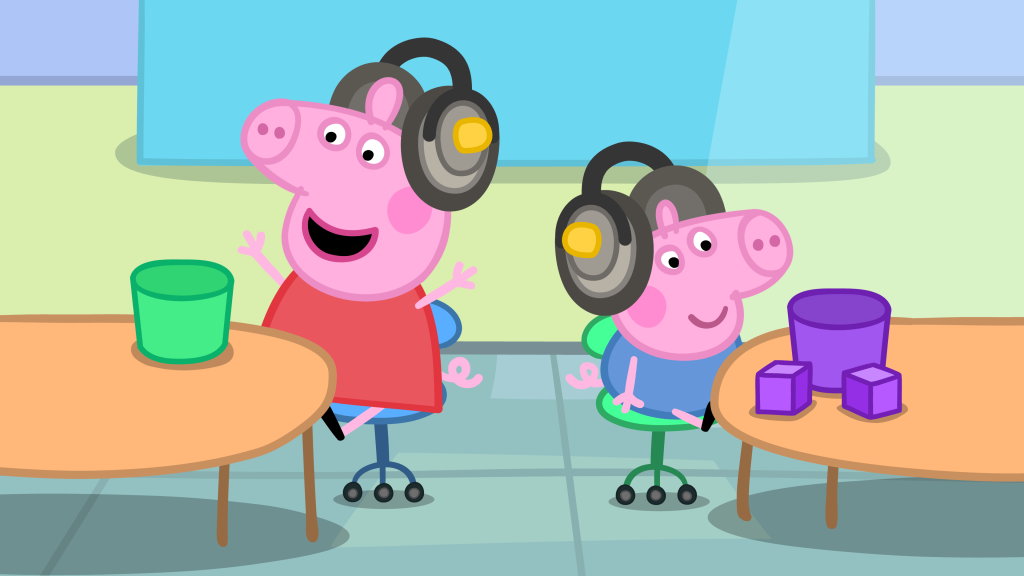
Hasbro, the multinational toy and entertainment company, has encountered substantial criticism for its alleged contractual demands regarding child voice actors on the popular animated series ‘Peppa Pig.’ Reports in June 2026 indicate that Hasbro has asked these young performers to sign agreements that would grant the company perpetual rights to their voices for use in artificial intelligence applications. This request has sparked a widespread ethical debate, focusing on the potential for exploitation of minors within the entertainment industry’s evolving relationship with AI technology.
The controversy centers on the long-term implications of such agreements. Critics argue that these contracts could strip child actors of control over their vocal likenesses for the entirety of their lives, and potentially beyond. The ethical considerations extend to issues of consent, fair compensation, and the protection of vulnerable individuals in an increasingly digital and AI-driven creative landscape.
The Nature of the Contractual Demands
The specific clauses within the proposed contracts have not been fully disclosed publicly. However, sources close to the production and industry observers suggest that the agreements seek broad and enduring rights. These rights would allow Hasbro to utilize the recorded voices of child actors to train artificial intelligence models. Subsequently, these AI models could generate new dialogue, songs, or other vocal performances mimicking the original actor’s voice, without requiring the original actor’s further involvement or compensation.
Such perpetual rights contrast sharply with traditional voice acting contracts. These typically outline specific usage terms, durations, and payment structures for each project or campaign. The shift towards perpetual AI rights represents a fundamental change in how performer contributions are valued and controlled.
Industry Reaction and Concerns
The entertainment industry has reacted swiftly to the news. Organizations representing actors, voice artists, and child performers have expressed alarm. The Screen Actors Guild – American Federation of Television and Radio Artists (SAG-AFTRA) has been particularly vocal, emphasizing the need for robust protections for all performers, especially minors, against unchecked AI exploitation.
Industry professionals point to the potential for significant job displacement if AI-generated voices become standard. They also highlight the moral implications of using a child’s voice for commercial purposes without ongoing consent or fair remuneration once they reach adulthood. The ‘Peppa Pig’ case is seen by many as a bellwether for future disputes over AI and intellectual property in creative fields.
Protecting Child Performers in the Digital Age
Child labor laws and entertainment industry regulations have historically focused on working conditions, education, and financial protections for minors. However, these existing frameworks often predate the widespread adoption of advanced artificial intelligence. The ‘Peppa Pig’ situation reveals a critical gap in these protections.
Advocacy groups for children’s rights are calling for updated legislation. They argue that children cannot fully comprehend the long-term implications of signing away perpetual AI rights. Therefore, robust legal safeguards are required to ensure that such agreements are not exploitative. These safeguards might include independent legal counsel, limited terms for AI usage, and provisions for renegotiation or rescission of rights once a performer reaches majority.
The Role of Hasbro and ‘Peppa Pig’
‘Peppa Pig’ is a globally recognized animated series, first broadcast in 2004. It has achieved immense popularity, particularly among preschool children, and generated billions in merchandise sales for its owners. Hasbro acquired Entertainment One (eOne), the company behind ‘Peppa Pig,’ in 2019 for approximately $3.8 billion. This acquisition brought the lucrative franchise under Hasbro’s extensive portfolio of brands.
The decision to pursue AI voice rights for ‘Peppa Pig’ actors aligns with a broader industry trend. Major studios and content creators are exploring generative AI for cost savings and expanded content creation. However, Hasbro’s approach with child actors has drawn particular scrutiny due to the vulnerability of the performers involved.
The Broader AI and Voice Rights Debate
The controversy surrounding ‘Peppa Pig’ is not an isolated incident. The broader entertainment industry has been grappling with the implications of artificial intelligence for several years. Discussions around AI and voice rights have been a central point of contention, particularly during recent labor negotiations.
Actors and voice artists have expressed concerns about their voices being cloned and used without consent or additional payment. The issue gained prominence during the 2023 SAG-AFTRA strike, where AI protections were a key demand. While some progress has been made in establishing guardrails for adult performers, the specific protections for child actors remain largely undefined in many jurisdictions.
Ethical Considerations of AI in Children’s Media
The use of AI in media targeted at children introduces unique ethical dilemmas. Children are particularly susceptible to influence and may not distinguish between human and AI-generated content. The potential for AI to create endless new ‘Peppa Pig’ content using cloned voices raises questions about authenticity, creative control, and the impact on young audiences.
Critics also highlight the potential for psychological effects on child performers. The idea of an AI version of their voice being used indefinitely, possibly in contexts they did not approve or understand as children, raises concerns about their future identity and sense of self. The industry faces a challenge to balance technological advancement with responsible content creation, especially when children are involved.
Looking Ahead: Legal and Industry Responses
The ‘Peppa Pig’ AI voice rights controversy is expected to catalyze further discussions and potentially new regulatory actions. Lawmakers in various countries are beginning to address the rapid advancements in AI and their impact on intellectual property and human rights. The European Union, for example, has been at the forefront of AI regulation with its AI Act, which aims to establish a comprehensive legal framework for AI.
In the United States, discussions are ongoing within Congress and state legislatures about how to update copyright law and performer rights in the AI era. The outcome of the ‘Peppa Pig’ dispute could set a precedent for how child actors’ rights are managed in future AI-related contracts across the global entertainment industry. The focus will likely shift towards ensuring that any AI usage of a child’s likeness or voice is transparent, time-limited, and subject to ongoing parental and independent oversight.
The Stakes for Future Generations of Performers
The decisions made today regarding AI and child performers will have lasting consequences. The entertainment industry must navigate the benefits of AI technology with a strong ethical compass. The ‘Peppa Pig’ case serves as a stark reminder of the need for proactive measures to protect the most vulnerable participants in the creative economy. Without clear regulations and industry standards, the digital identities of child actors could become commodities, diminishing their agency and future earning potential.
The Call for Clearer Regulation
The controversy surrounding Hasbro’s requests for AI voice rights from child actors in ‘Peppa Pig’ has illuminated a significant regulatory gap. Existing child labor laws, while robust in many areas, were not designed to address the complexities of generative artificial intelligence and the perpetual licensing of digital likenesses. Legal scholars and child advocacy groups are now urgently calling for new legislation tailored to the digital age.
These proposed regulations aim to establish clear boundaries for the use of AI in relation to minors. They suggest mechanisms for independent review of contracts, mandatory expiration clauses for AI rights, and provisions for additional compensation if AI-generated content proves commercially successful. The goal is to prevent a scenario where a child’s voice, captured at a young age, could be exploited for decades without their adult consent or fair remuneration.
Parental Consent and Informed Decision-Making
A core tenet of child protection is the concept of parental consent. However, in the context of advanced AI, even parents may not fully grasp the long-term implications of signing away perpetual rights. The technology is new, its capabilities are rapidly expanding, and its future applications are largely unpredictable.
This uncertainty underscores the need for enhanced informed consent processes. Some proposals include requiring independent legal counsel for families, providing clear and understandable explanations of AI technology, and mandating regular reviews of AI usage agreements as the child grows. The aim is to ensure that consent, when given, is truly informed and serves the best interests of the child.
The Economic Impact on Voice Acting
Beyond the ethical considerations, the widespread adoption of AI voice cloning poses a direct economic threat to the voice acting profession. If companies can generate endless content using AI-cloned voices, the demand for human voice actors could diminish significantly. This concern is particularly acute for entry-level and emerging artists, including child performers, who rely on early career opportunities to build their portfolios and experience.
The ‘Peppa Pig’ scenario, therefore, is not just about one show or one company. It represents a microcosm of a larger industry-wide challenge. The balance between technological innovation and the preservation of human artistry and livelihoods is at stake. Solutions may involve collective bargaining agreements that establish minimum rates for AI usage, or legislative mandates that require human oversight and compensation for AI-generated content derived from human performances.
Global Implications and Standards
The ‘Peppa Pig’ franchise is global, with viewership in over 180 territories. This international reach means that any contractual demands made by Hasbro have global implications. Differing legal standards across countries for child labor, intellectual property, and AI regulation create a complex legal landscape.
There is a growing call for international cooperation to establish common standards for AI usage, especially concerning minors. A patchwork of national laws could lead to regulatory arbitrage, where companies seek to operate in jurisdictions with the weakest protections. Harmonized international guidelines could provide a more consistent and robust framework for safeguarding child performers worldwide.
The Terminal Drop
Parents worried. Actors organized. Legislators debated.
The future.
FAQ Section
-
What is the controversy surrounding ‘Peppa Pig’ and AI?
Hasbro, the owner of ‘Peppa Pig,’ has reportedly asked child voice actors to sign contracts granting the company perpetual rights to use their voices for artificial intelligence applications. This has raised concerns about child exploitation and the ethical use of AI in entertainment.
-
Why are perpetual AI voice rights for child actors controversial?
Critics argue that perpetual rights strip child actors of control over their vocal likenesses indefinitely, potentially without ongoing compensation or consent once they reach adulthood. This is seen as exploitative due to children’s limited capacity to understand long-term implications.
-
Which organizations are speaking out against Hasbro’s alleged demands?
Various industry organizations, including the Screen Actors Guild – American Federation of Television and Radio Artists (SAG-AFTRA), along with child advocacy groups, have voiced strong opposition, calling for greater protections for child performers in the age of AI.
-
How might this ‘Peppa Pig’ situation impact the entertainment industry?
This controversy could set a precedent for how child actors’ rights are managed in AI-related contracts. It highlights the need for updated legal frameworks and industry standards to address AI’s impact on performer rights, intellectual property, and potential job displacement.
-
What are the ethical concerns regarding AI in children’s media?
Ethical concerns include the authenticity of content, potential psychological effects on child performers whose voices are used indefinitely by AI, and the broader issue of exploiting vulnerable individuals for commercial gain through advanced technology.