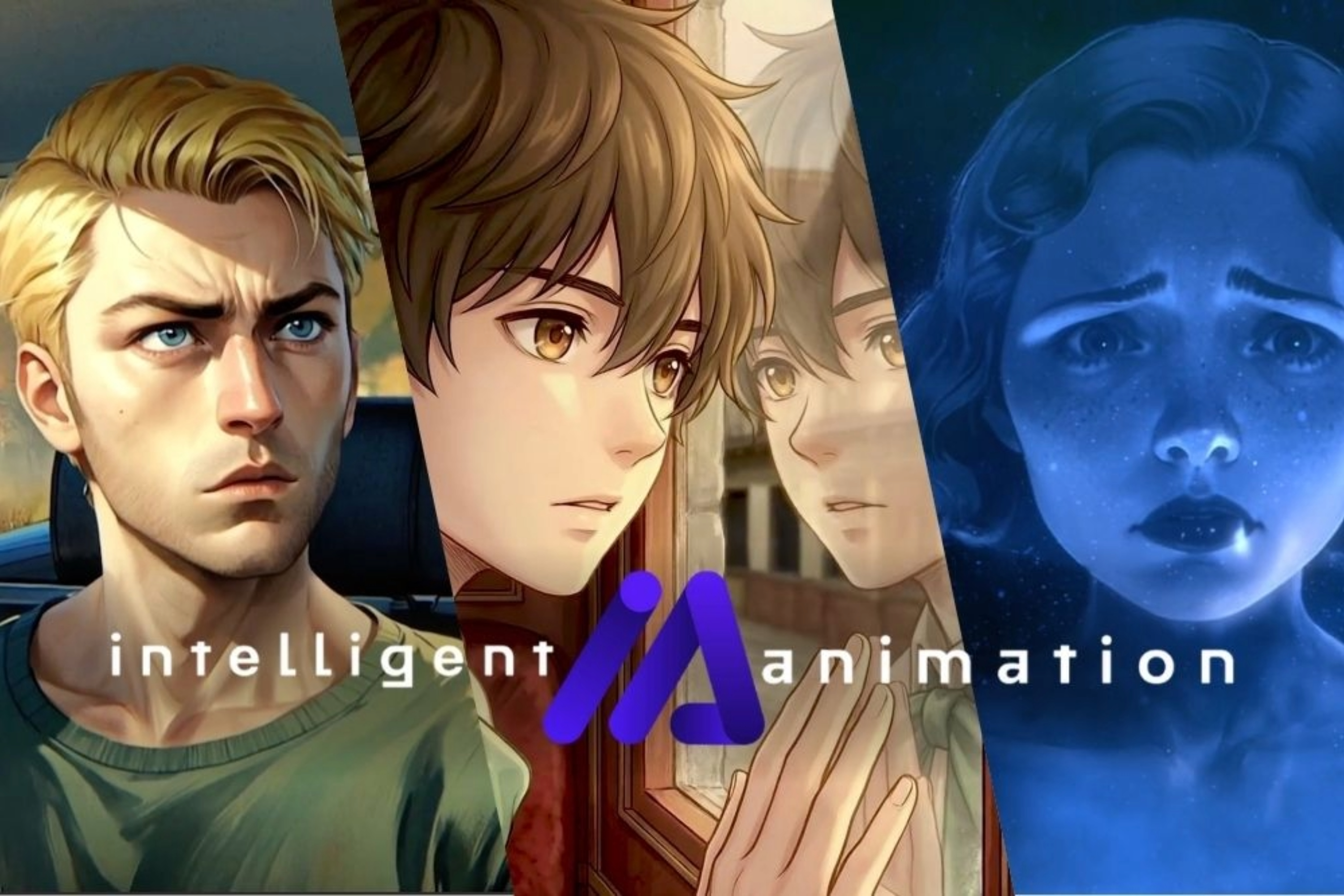
The Dawn of Intelligent Animation
Intelligent Animation, a new studio dedicated to artificial intelligence-driven animation, has been launched by former Syfy executive Mark Stern and entertainment industry veteran Lloyd Braun. This development signifies a growing trend in the entertainment sector to integrate advanced AI technologies into the creative process, potentially revolutionizing how animated content is conceived, produced, and distributed. The studio’s formation immediately ignites widespread debate about the future of human artists, the definition of creativity, and the economic implications for traditional animation roles across the globe.
The announcement, made public on 2026-06-25, positions Stern and Braun at the forefront of a technological movement within Hollywood. Their combined experience in television production, network management, and digital media brings substantial industry weight to the new enterprise. Intelligent Animation aims to explore the efficiencies and creative possibilities unlocked by AI, venturing into territory that many traditional animators view with both curiosity and apprehension.
The Architects Behind the Vision
Mark Stern brings a significant background in genre entertainment to Intelligent Animation. During his tenure at Syfy, Stern was instrumental in developing and overseeing numerous original series, contributing to the network’s identity as a hub for science fiction and fantasy content. His experience includes working with complex visual effects and innovative storytelling techniques, which now provide a foundation for understanding the potential applications of AI in animation.
Lloyd Braun is a seasoned executive with a career spanning major networks and digital platforms. Braun’s past roles include leadership positions at ABC Entertainment and Yahoo!, where he navigated evolving media landscapes and spearheaded strategic initiatives. His business acumen and understanding of content distribution and audience engagement are critical assets for a venture like Intelligent Animation, which seeks to innovate not just in production but also in market penetration.
Their collaboration suggests a strategic alignment of creative vision and business strategy. Both executives have a history of adapting to industry shifts and embracing new technologies. Their decision to focus on AI animation reflects a belief in its transformative power for the entertainment industry.
The Promise of AI in Animation
Artificial intelligence offers several potential advantages for animation studios. One primary benefit is the acceleration of production timelines. Traditional animation is notoriously labor-intensive and time-consuming, requiring extensive resources for character design, storyboarding, modeling, rigging, animation, rendering, and post-production.
AI tools can automate many of these repetitive or data-driven tasks. For instance, AI algorithms can generate background elements, assist with in-betweening frames, or even create initial character models based on prompts. This automation could drastically reduce the time and cost associated with producing animated series and films.
Another promise of AI lies in its capacity for rapid iteration and exploration. Artists could use AI to quickly generate multiple design variations or animation sequences, allowing for more experimentation in the pre-production phase. This could lead to a broader range of creative options and more refined final products.
AI also holds potential for personalized content. Algorithms could analyze viewer preferences to create bespoke animated experiences or dynamically alter storylines. This level of customization could open new avenues for interactive entertainment and audience engagement, moving beyond traditional linear storytelling models.
Concerns and Cultural Defense
The emergence of studios like Intelligent Animation, however, is not without controversy. A central point of contention is the potential impact on human jobs within the animation industry. Artists, animators, writers, and voice actors express legitimate concerns that AI could displace large segments of the workforce. If AI can perform tasks traditionally done by humans, the demand for human labor may decrease, leading to widespread unemployment in creative fields.
The concept of ‘cultural defense’ arises from these anxieties. It frames the debate as a need to protect human artistic expression and cultural heritage from technological overreach. Critics argue that relying heavily on AI could lead to a homogenization of artistic styles or a reduction in the unique, human touch that defines compelling animation.
“The question isn’t just about efficiency; it’s about the soul of the art form,” stated one anonymous animation veteran during a recent industry panel. “Can an algorithm truly capture human emotion or cultural nuance in the same way a human artist can?”
The debate extends to questions of artistic integrity and originality. If AI generates content, who holds the intellectual property rights? What constitutes authorship when a machine plays a significant role in creation? These are complex legal and philosophical questions that the industry is only beginning to address.
The Economic and Creative Landscape
The economic implications of AI in animation are far-reaching. While studios may see cost savings and increased production capacity, the broader economic impact on the creative workforce could be severe. This could lead to a restructuring of the animation industry, favoring those with technical AI skills over traditional artistic talents.
From a creative standpoint, proponents of AI argue that it can free artists from tedious tasks, allowing them to focus on higher-level creative decisions. AI could become a powerful tool in the artist’s arsenal, rather than a replacement. The success of this integration will depend on how studios like Intelligent Animation choose to implement AI – as a collaborative partner or as a primary creator.
The current landscape of creative industries is already undergoing significant change due to technological advancements. Streaming wars, global production pipelines, and evolving audience consumption habits have reshaped the business model. AI represents the next frontier in this ongoing transformation, demanding new skills, new ethical considerations, and new business strategies.
The Road Ahead for Intelligent Animation
Intelligent Animation faces the challenge of proving that AI can enhance, rather than diminish, the quality and originality of animated content. Their initial projects will be closely scrutinized by both industry insiders and the public. The studio will need to demonstrate not only technical proficiency but also a commitment to artistic excellence and ethical AI practices.
The reception of their work will likely influence the broader adoption of AI in animation. If Intelligent Animation produces compelling and critically acclaimed content, it could accelerate the integration of AI across the industry. Conversely, if their output is perceived as derivative or soulless, it could reinforce the arguments of cultural defense advocates.
The partnership of Stern and Braun indicates a serious intent to navigate these complexities. Their experience suggests an understanding of both the creative demands of storytelling and the business realities of content production. Intelligent Animation is poised to be a significant player in the evolving dialogue about AI and the arts.
Redefining Creativity in the Digital Age
The discussion around AI in animation extends beyond mere job displacement; it touches upon the very definition of creativity. Can a machine truly be creative, or is it merely executing complex algorithms based on existing data? This philosophical debate has profound implications for how society values artistic output and recognizes genius.
Some argue that AI, by learning from vast datasets of human-created art, is merely a sophisticated imitator. Others contend that if the output evokes emotion, tells a story, or presents novel ideas, the source of its creation becomes secondary to its impact. This redefinition of creativity is central to the cultural shift that AI is prompting across all creative sectors.
The role of the human artist may evolve from direct creator to curator, prompt engineer, or ethical overseer of AI-generated content. This shift requires a new set of skills and a different approach to artistic training and collaboration. Educational institutions and industry guilds are beginning to grapple with how to prepare the next generation of creatives for this hybrid human-AI environment.
As Intelligent Animation begins its work, it will inevitably contribute to this ongoing re-evaluation. Its projects will serve as case studies in the practical application of AI in a commercial creative setting, offering tangible examples for the philosophical and ethical discussions that continue to unfold.
Executives launched. Debates commenced. Futures considered. Animation.